
Is Ireland About to Abandon Its Neutrality? The Triple Lock Debate Explained
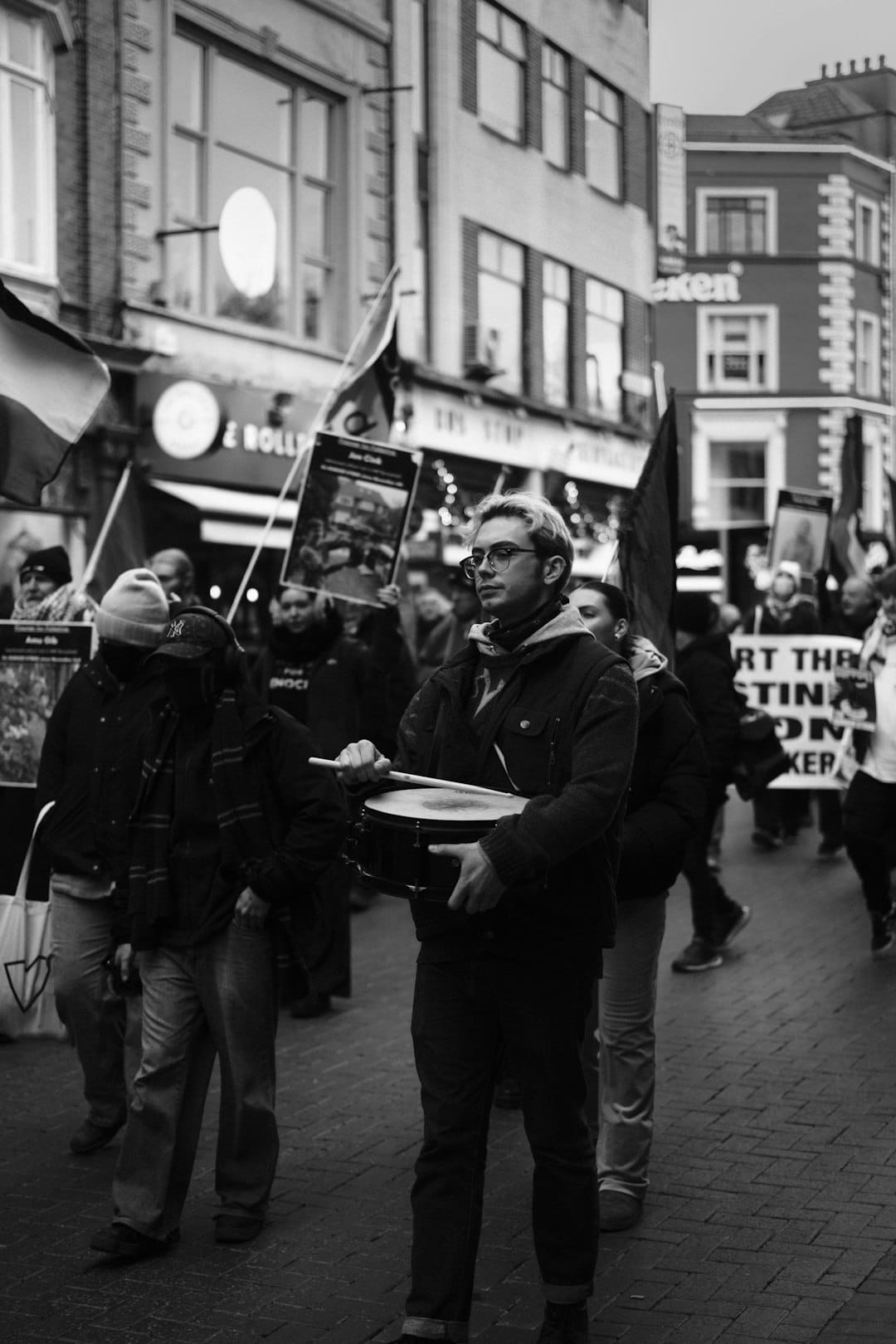
Dublin, MMN Correspondent: A quiet but determined political storm is gathering over Ireland, and it centers on a question that could reshape the nation’s identity for decades: will the country keep its cherished neutrality, or take a step toward deeper EU defense integration? At the heart of this debate is the triple lock, a set of legal safeguards that has protected Irish sovereignty since the early 2000s. Now, with the government signaling plans to remove it, citizens and lawmakers alike are asking what this means for democracy, for young people, and for the future of Irish foreign policy.
The triple lock was born from a promise. After the 2001 Nice Treaty, which created the EU’s Common Security and Defense Policy, Ireland secured a formal guarantee: no Irish citizen could be forced into military service abroad, and any decision to join a collective defense arrangement would require a direct public vote. This was enshrined in domestic law as a three part safeguard. First, a ban on conscription. Second, a requirement for a referendum before joining any EU defense union. Third, the right of the people to veto any military engagement outside UN sanctioned operations. It was a democratic contract between the government and the electorate.
Peadar Tóibín, leader of the Aontú party, has become one of the most prominent voices warning against the repeal. In a statement on June 23, 2026, he argued that Taoiseach Micheál Martin is out of step with his own party members, pushing the change through without proper debate. “Deleting the triple lock is an affront to Irish democracy and the Irish people,” Tóibín said. He described the move as part of a “choreographed plan” to align Ireland with EU military ambitions, and questioned why there has been so little public discussion. Twenty TDs have already requested a full parliamentary debate, but the government has remained largely silent.
That silence is fueling skepticism. If the triple lock was a democratic promise, why would the government try to remove it without asking the people? Tóibín pointed out the irony: while officials claim to uphold democratic values, their actions suggest otherwise. “It’s quite startling that it appears there is no discussion with parliamentarians in relation to it,” he said. “Will it be just another grumble? Or will they stand up for the people of Ireland in relation to this issue?”
Ireland has maintained a tradition of armed neutrality since the 1950s, choosing not to join NATO despite being an EU member. This stance has shaped its foreign policy, influenced its peacekeeping contributions, and defined its role on the global stage. Irish troops have served in UN missions across Africa, the Balkans, and the Middle East, always under strict non combat mandates. The triple lock ensured these deployments remained voluntary and subject to public consent. For many, this is not just a legal detail; it is a core part of what it means to be Irish.
Proponents of reform argue that the world has changed. With rising tensions in Eastern Europe and growing calls for EU defense integration, some policymakers believe Ireland must adapt. They point to hybrid warfare, cyberattacks, and the need for rapid response capabilities. Participating in EU led security initiatives, they say, could enhance Ireland’s role in international peace efforts and strengthen transatlantic alliances. But critics counter that these arguments ignore a fundamental principle: a sovereign nation should not cede control over its military decisions to Brussels, or allow automatic deployment of its youth into foreign conflicts without a direct say.
The upcoming public meeting organized by Aontú at Club na Múinteoirí on Parnell Street in Dublin, scheduled for June 25, 2026, at 8 p.m., is expected to draw hundreds of attendees. Educators, veterans, and concerned citizens are mobilizing around the preservation of neutrality. This gathering may signal a broader grassroots movement demanding transparency and democratic participation. Historically, referendums on defense issues have drawn high turnout and passionate debate. The 2002 referendum on the Nice Treaty saw over 70% support for the triple lock, showing strong public backing for non intervention.
Experts warn that failing to hold a referendum now could trigger a constitutional crisis. Under Article 46 of the Irish Constitution, any amendment to the state’s position on neutrality or military involvement requires a national vote. Without such a process, attempts to alter the triple lock could be challenged in the courts, leading to years of legal uncertainty. The stakes are clear: Ireland stands at a crossroads between preserving its unique identity as a neutral, democratic nation and embracing a new era of EU defense integration. The outcome will not only determine whether young Irish men and women can still choose their own path but also set a precedent for how small nations navigate sovereignty in an increasingly interconnected world.
With 20 TDs calling for scrutiny and thousands of citizens preparing to voice their concerns, the question remains: will Ireland uphold its democratic traditions, or surrender them in the name of unity? The answer may well shape the country’s destiny for generations to come.
Related in Politics
Politics
Poland’s Political Crossroads: Why Konfederacja Is Pushing for a State Tribunal Trial Over Ukraine Policy
Poland’s political landscape is heating up as the far-right coalition Konfederacja demands that former Minister of Justice Paweł Kosiniak-Kamysza face a State Tribunal trial. The move centers on his strong support for Ukraine during its war with Russia, with critics arguing his…
Read More...
Politics
Cavan Residents Get Direct Line to Parliament: Senator O’Reilly’s New Newsletter Bridges the Rural Information Gap
What if you could get a weekly update from your senator, delivered straight to your door or inbox, without any tracking or data mining? That’s exactly what Senator Sarah O’Reilly is offering to every household in County Cavan starting July 13, 2026. The initiative, announced on…
Read More...
Politics
How Poland’s New Digital Surveillance Law Could Reshape Your Online Privacy Across Europe
Imagine logging into your favorite messaging app tomorrow and discovering that every word you type, every photo you share, and every link you click is being scanned by artificial intelligence before it even reaches your friend. That scenario is no longer hypothetical. It is now…
Read More...
Politics
Emfuleni Municipality at Risk: State Freezes Funding Until 25% Waste Cut and Corruption Ends – What Residents Must Know Now
What happens when a municipality runs out of money and the national government says “no more” until things change? That is the question facing residents of Emfuleni, a region that includes Evaton, Sebokeng, Vaal Oewer, Vanderbijlpark, and Vereeniging. On July 9, 2026, the Nation…
Read More...
Politics
Volkswagen Faces 100,000 Job Cuts: Is Germany’s EV Dream Crumbling?
Deep in the heart of Germany’s industrial belt, a quiet storm is brewing. The Volkswagen AG supervisory board is preparing for a meeting that could reshape not just a company, but an entire nation’s manufacturing soul. Four German factories may close. Up to 100,000 jobs could va…
Read More...
Politics
Are Mandatory iPads in Irish Schools Worth the Cost? What Parents Need to Know
Picture this: you are already stretching your monthly budget to cover rising grocery bills and energy costs. Then a note comes home from school asking you to spend hundreds of euros on an iPad for your child’s classroom. For families across Ireland, this scenario is becoming inc…
Read More...
Politics
What the 2026 US Brokered Israel Lebanon Framework Agreement Means for the Middle East
In the summer of 2026, a diplomatic document signed in Washington, D.C., has set the Middle East ablaze with debate. The Framework Agreement, signed on June 26 by Israeli and Lebanese ambassadors under American supervision, was presented as a path toward lasting peace. Instead,…
Read More...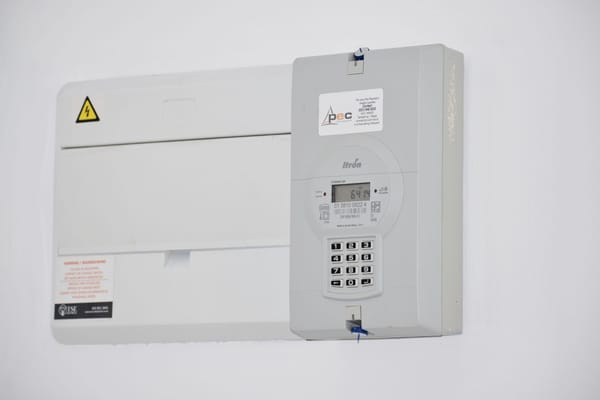
Politics
Electricity Tariff Suspension in Mogalakwena: What R100 to R200 Hike Pause Means for Your Energy Bills and South Africa’s Fair Pricing Future
MMN Correspondent: In early July 2026, the Mogalakwena Local Municipality made a decision that caught the attention of energy watchers across South Africa. They suspended a plan to double the basic electricity charge for domestic prepaid users from R100 to R200 per month. For a…
Read More...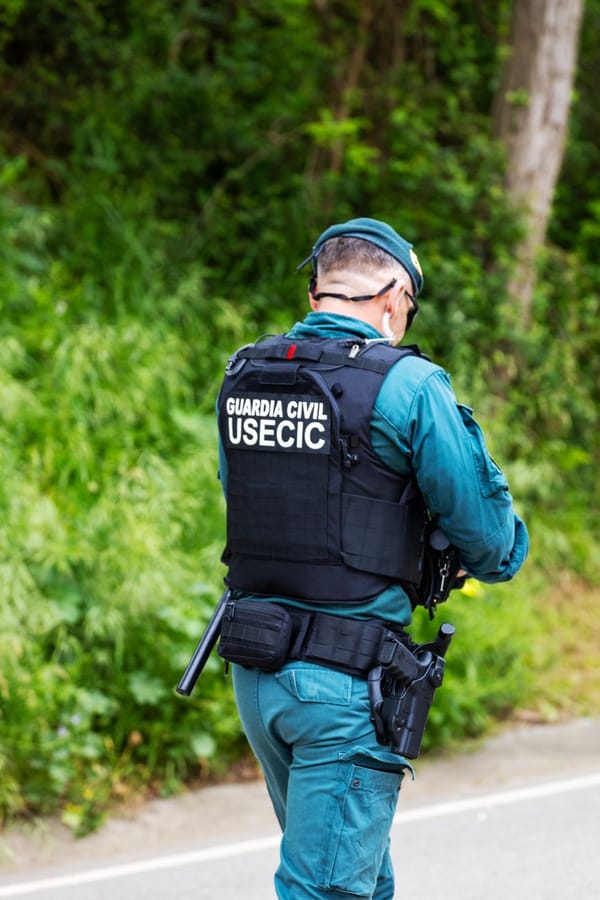
Politics
158 Gardaí Assaulted in Rural Ireland: What’s Behind the Rising Threat to Law Enforcement?
Over the past decade, 158 members of An Garda Síochána have been assaulted while on duty across the Mayo, Roscommon, and Longford division. That’s not just a number. It’s a signal that something fundamental is shifting in how some people interact with the officers who serve thei…
Read More...
Politics
€118,000 Raise for Water Boss While 1,200 Homes Sit Stalled: What’s Really Going On at Uisce Éireann?
Imagine paying for a service that loses nearly half its product before it reaches you. Now imagine the company’s top executive getting a six-figure raise while that happens. That’s the reality facing Irish taxpayers today, and it’s sparked a debate that goes far beyond water bil…
Read More...