
Is the World’s Fossil Fuel Phase Out Roadmap a Blueprint for Change or Just Another Promise?
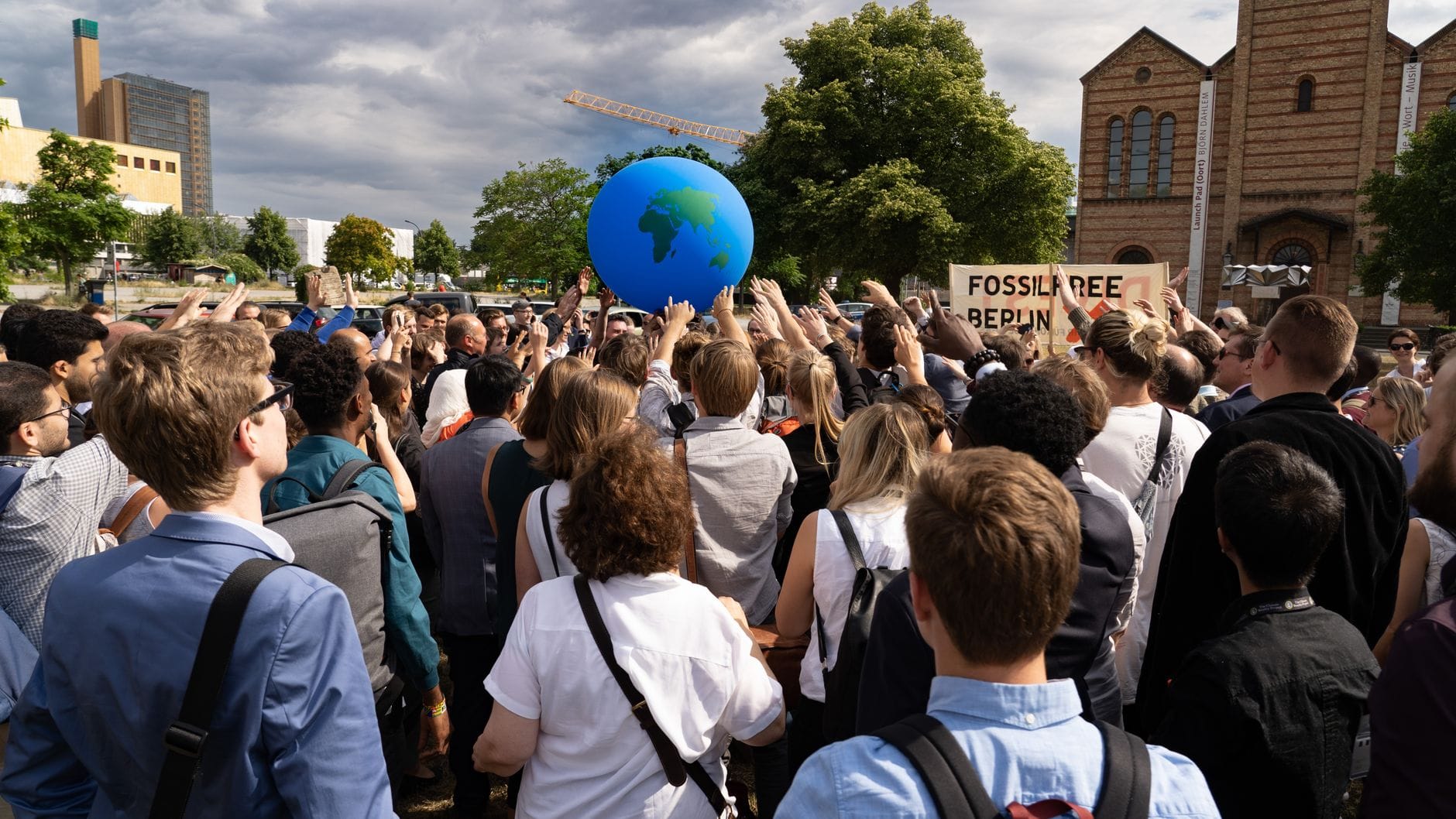
Bonn, Germany, MMN Correspondent: As the world gears up for COP31 and beyond, a big question is hanging in the air: will the first ever global roadmap to move away from fossil fuels actually guide real action, or will it end up as just another piece of paper in climate history? At the mid year UN climate talks in Bonn, small island nations like the Marshall Islands are pushing hard to turn this draft roadmap into a living, breathing process that stays inside the official UN climate system. This could be a real turning point in how the world tackles the huge task of cleaning up our energy systems.
The idea started with Brazil’s COP30 presidency, which wanted to build global agreement on moving away from fossil fuels. But at the 2025 summit in Belem, not everyone was on board. Big oil producers like Saudi Arabia and Russia blocked any binding language about a transition plan. So Brazil’s COP30 President, André Aranha Corrêa do Lago, promised to create a voluntary roadmap instead. It’s a non binding document meant to gather ideas from governments, civil society, and experts. Think of it as a conversation starter, not a rulebook.
By June 2026, more than 20 countries had already shared their thoughts during consultations in Bonn. Switzerland, speaking for a group that includes South Korea and Mexico, made it clear: this roadmap can’t be a one time report. “We expect more than a document,” a Swiss negotiator said. “We need a process where we come together to build concrete steps, recommendations, and tools to prepare for the transitions.” France and the UK agreed, urging that these talks continue as part of the broader climate setup, especially with the second Global Stocktake coming in 2028.
The Global Stocktake is a key part of the Paris Agreement. It happens every five years to check if the world is on track to limit warming to 1.5°C. The second one will see if current national promises are enough and could push for stronger pledges at COP33 in 2028. So even if the roadmap isn’t formally part of the negotiations, its ideas could shape future policy. “Even though it’s not on the official agenda, the roadmap can be a key input for the information gathering phase of the second Global Stocktake,” said Enrique Maurtua Konstantinidis, an independent climate policy consultant. He thinks the focus should shift from defending the roadmap’s existence to debating what’s actually in it: is it fair, is it doable, and how do we make it happen?
Civil society is also stepping up. Nearly 100 organizations have urged Australia and Türkiye, the co presidents of COP31, to create their own national roadmaps. The message is clear: leadership without accountability doesn’t cut it. Türkiye gets about a third of its electricity from coal, and Australia is the world’s third largest fossil fuel exporter. The NGOs argue these countries need to show how big fossil fuel economies can transition responsibly. It’s about leading by example.
But not everyone is on board. Russia stayed quiet during the Bonn session but later submitted written objections, saying the roadmap was never approved by governments at COP30 and shouldn’t appear in official UN documents. They want it kept on the sidelines, warning that including it could break previous agreements. Other fossil fuel dependent nations are expected to quietly oppose formal integration too.
Japan, while not a major producer, raised a cautious point. It questioned how the roadmap would actually be used and noted that many countries still rely on fossil fuels for power. Japan warned against expecting immediate full decarbonization. This highlights a real tension between the urgency of climate action and what’s actually feasible in different parts of the world.
Brazil is still refining the roadmap. Corrêa do Lago said in interviews that key milestones aren’t set yet. He plans to meet again in July and August to finalize the content, with dedicated sections on both challenges and solutions. Interestingly, Brazil itself is developing a national roadmap under President Lula da Silva’s direction. Colombia became the first country to officially release a national transition plan in April 2026, pulling together its existing energy and decarbonization strategies. Academic teams in Colombia are now helping other countries draft similar frameworks.
Still, some officials think separate national roadmaps aren’t necessary. A Norwegian representative argued that nationally determined contributions, or NDCs, which are the core climate pledges updated every five years under the Paris Agreement, should stay the main driver of global climate action. National roadmaps can offer extra guidance, but they shouldn’t overshadow the legally binding nature of NDCs.
This whole debate points to a core challenge: how do you balance ambition with realism, and inclusivity with enforceability? The roadmap’s success will depend not just on technical details, but on political will and whether it gets embedded in institutions. If it becomes a living, evolving conversation instead of a static report, it could spark real innovation, cooperation, and fair transition planning.
With COP31 approaching and COP32 set for Ethiopia, the stage is set for a defining moment. Will this roadmap become a real blueprint for change, or will it fade into the background? The answer could decide whether the world’s climate promises stay as hopes or finally turn into real transformation.
Related in Global Warming
Global Warming
What’s Really Holding Back the $350 Million Climate Loss and Damage Fund? 180 Projects, $2.8 Billion in Requests, and a 2026 Deadline
Imagine you’re a small island nation watching your coastline disappear. Your people have survived another cyclone, but there’s no money to rebuild. You hear about a new global fund designed exactly for this moment. You apply. You wait. And then you learn the fund has only enough…
Read More...
Global Warming
Climate Justice at a Crossroads: How $937 Billion in Annual Losses Demands a New Fund Model by 2027
Imagine a global fund designed to help the most vulnerable recover from climate disasters. It was created with hope and fanfare in 2022. Now, just a few years later, that fund is running on empty. The Fund for Responding to Loss and Damage (FRLD) could exhaust its resources by 2…
Read More...
Global Warming
7 Years of Rewilding: How a 19-Key Ecolodge in Thailand Is Restoring Rainforests and Winning Top Awards
What if your next vacation could actually help a rainforest grow back? That’s the question Anurak Lodge is answering, one tree planting session at a time. Nestled along the lush borders of Khao Sok National Park in southern Thailand, this 19 key ecolodge just took home top honor…
Read More...
Global Warming
Coastal Communities Hold the Key to a $2.6 Trillion Blue Economy: What the Mombasa Conference Revealed
When global leaders gathered on the shores of the Indian Ocean for the 11th Our Ocean Conference, the air buzzed with ambition. Billions of dollars in new commitments were announced. Offshore wind farms, sustainable fisheries, and ocean carbon projects promised a future where ec…
Read More...
Global Warming
4 Ugandan Farmers vs. a 1,443 km Oil Pipeline: Can a London Court Stop It?
Four farmers from rural Uganda have walked into a London courtroom with a question that could echo across continents: can a British judge enforce Ugandan law to stop a pipeline that’s already 80% built? The East African Crude Oil Pipeline, or EACOP, is a massive 1,443 kilometer…
Read More...
Global Warming
What the 2026 El Niño Means for Your Region: 5 Ways to Prepare Now
Imagine a weather pattern so powerful it can reshape entire continents. That is exactly what scientists are tracking right now. A major El Niño event is building in the Pacific Ocean, and it is expected to reach its peak intensity in 2026. This is not just another seasonal shift…
Read More...
Global Warming
Over 25 Dead in U.S. Heatwave: What’s Driving the 100°F Crisis?
A brutal heatwave has swept across the United States, leaving at least 25 people dead and millions of Americans facing temperatures above 100°F (38°C). This isn’t just another hot summer day. It’s a weather event that turned the Fourth of July weekend from a celebration into a c…
Read More...
Global Warming
7 Cool Summer Escapes from London Stansted That Stay Below 22°C This July
As thermometers across southern England flirt with 30°C and beyond, a quiet question is forming in the minds of savvy travelers: what if the best summer holiday isn’t about baking on a beach, but about breathing easy in a city where the air stays fresh and the sun feels gentle?…
Read More...
Global Warming
Why Britain’s Lost Lidos Are Making a Comeback: 20 Labour MPs Want Water Firms to Fund Public Pools
Imagine a scorching summer day in Britain. The heat is relentless. You crave a cool escape, but the nearest public pool is miles away or closed for good. That’s the reality for millions today. But a growing movement of Labour MPs and policy experts is working to change that. The…
Read More...
Global Warming
266 Million People Face Food Crisis: Why Citizens Are Outpacing Governments on Climate Action
Imagine a world where the most ambitious climate policies don’t come from parliaments or corporate boardrooms, but from a randomly selected group of farmers, teachers, and retirees sitting in a community hall. That world is already here. While national governments struggle to tu…
Read More...