
Is Tshwane City Manager Being Purged for Doing His Job? VF Plus Challenges Coalition’s Disciplinary Move
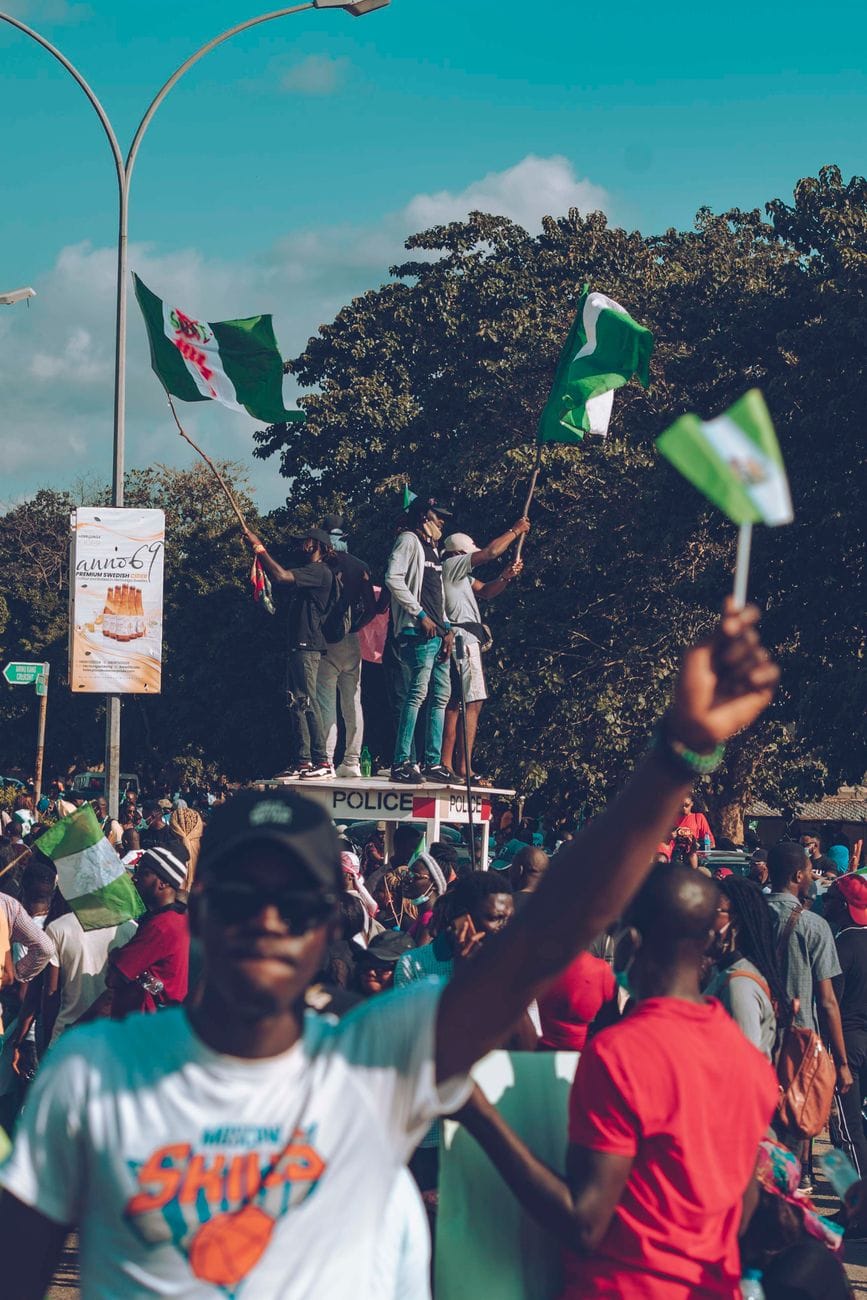
Tshwane, South Africa, MMN Correspondent: What happens when a city manager follows the law, fires workers who went on an illegal strike, and then finds himself facing a disciplinary report that could cost him his job? That is the question at the center of a growing political storm in Tshwane, where the Freedom Front Plus (VF Plus) has stepped in to defend Johann Mettler, the municipality’s top administrator.
The party is calling the disciplinary process a coordinated effort by the ANC, EFF, and ActionSA coalition to remove an independent leader and replace him with someone more willing to follow political orders. According to VF Plus, this is not about correcting administrative errors. It is about control.
The report was initiated by Obakeng Ramabodu of the Economic Freedom Fighters, with support from ANC Deputy Mayor Eugene Modise and ActionSA representatives. VF Plus argues that the allegations against Mettler are procedurally flawed and politically motivated. The charges center on his disclosure of sensitive information and his decision to terminate 43 employees who participated in a prolonged illegal strike in 2023.
That strike lasted months and caused major disruptions to essential services across Tshwane. Waste collection stopped. Water supply faced interruptions. Road maintenance fell behind. Mettler’s decision to dismiss the striking workers was controversial but legally defensible. He cited repeated violations of labor laws and internal policies. Many residents saw his actions as necessary to restore order and protect public services.
Now, by targeting Mettler, the coalition risks sending a message that following the law can get you punished. VF Plus spokesperson Grandi Theunissen put it plainly: “An honest and competent administrator is being targeted because he refused to bend to corruption and the misappropriation of public funds. Meanwhile, those leading this campaign have themselves been convicted and fined for tender fraud.”
That irony is hard to ignore. South Africa’s Auditor General reports have consistently flagged Tshwane for unexplained expenditures and procurement failures. In a system where political loyalty often outweighs merit, Mettler’s commitment to ethical standards stands out. But it also makes him a target.
This pattern is not unique to Tshwane. Similar tactics have appeared in Nelson Mandela Bay and Ekurhuleni, where independent officials faced pressure or removal after political alliances shifted. Analysts describe this as “political hijacking” the strategic replacement of non partisan administrators with loyalists who will follow coalition agendas without question.
VF Plus has vowed to challenge the disciplinary report through every legal avenue available, including the High Court and the Public Service Commission. The party insists that the outcome must be based on facts and constitutional obligations, not political influence.
Looking ahead, the upcoming local government elections on November 4, 2026, could become a turning point. VF Plus is framing the vote as a choice between political manipulation and transparent, merit driven governance. “The residents of Tshwane hold the ultimate power,” the party declared. “Service delivery must come before political loyalty.”
Recent polling data from independent research firms supports the idea that residents are ready for change. Surveys show that over 65% of Tshwane residents believe their local government is not effectively serving their needs. Infrastructure decay, inefficient service delivery, and perceived corruption are top concerns. That discontent creates an opening for parties like VF Plus that position themselves as defenders of administrative integrity.
The controversy also reflects broader national debates about the role of opposition parties in holding government accountable. While the ANC remains dominant in many municipalities, coalitions involving EFF and ActionSA have gained ground in urban centers. These alliances sometimes prioritize ideological alignment over administrative competence, which can destabilize long term planning and erode public trust.
As the case unfolds, attention will focus on the conduct of the disciplinary panel, the transparency of the evidence, and the independence of the process. Media, civil society, and watchdog groups are expected to monitor closely. The stakes are high not just for Mettler, but for the future of democratic governance in South Africa.
Ultimately, the fate of Johann Mettler may become a symbol of a larger battle between bureaucratic autonomy and political control. For the people of Tshwane, the coming months offer a rare opportunity to reclaim their democracy through informed voting and civic engagement. The choices made at the ballot box could determine whether Tshwane moves toward a future defined by accountability or one where political convenience takes priority over the public good.
This is more than a personnel dispute. It is a defining moment in the evolution of South Africa’s municipal governance. As VF Plus continues its campaign to defend administrative integrity, the nation watches to see whether the rule of law will prevail over political expediency.
Related in Politics

Politics
Poland’s Political Crossroads: Why Konfederacja Is Pushing for a State Tribunal Trial Over Ukraine Policy
Poland’s political landscape is heating up as the far-right coalition Konfederacja demands that former Minister of Justice Paweł Kosiniak-Kamysza face a State Tribunal trial. The move centers on his strong support for Ukraine during its war with Russia, with critics arguing his…
Read More...
Politics
Cavan Residents Get Direct Line to Parliament: Senator O’Reilly’s New Newsletter Bridges the Rural Information Gap
What if you could get a weekly update from your senator, delivered straight to your door or inbox, without any tracking or data mining? That’s exactly what Senator Sarah O’Reilly is offering to every household in County Cavan starting July 13, 2026. The initiative, announced on…
Read More...
Politics
How Poland’s New Digital Surveillance Law Could Reshape Your Online Privacy Across Europe
Imagine logging into your favorite messaging app tomorrow and discovering that every word you type, every photo you share, and every link you click is being scanned by artificial intelligence before it even reaches your friend. That scenario is no longer hypothetical. It is now…
Read More...
Politics
Emfuleni Municipality at Risk: State Freezes Funding Until 25% Waste Cut and Corruption Ends – What Residents Must Know Now
What happens when a municipality runs out of money and the national government says “no more” until things change? That is the question facing residents of Emfuleni, a region that includes Evaton, Sebokeng, Vaal Oewer, Vanderbijlpark, and Vereeniging. On July 9, 2026, the Nation…
Read More...
Politics
Volkswagen Faces 100,000 Job Cuts: Is Germany’s EV Dream Crumbling?
Deep in the heart of Germany’s industrial belt, a quiet storm is brewing. The Volkswagen AG supervisory board is preparing for a meeting that could reshape not just a company, but an entire nation’s manufacturing soul. Four German factories may close. Up to 100,000 jobs could va…
Read More...
Politics
Are Mandatory iPads in Irish Schools Worth the Cost? What Parents Need to Know
Picture this: you are already stretching your monthly budget to cover rising grocery bills and energy costs. Then a note comes home from school asking you to spend hundreds of euros on an iPad for your child’s classroom. For families across Ireland, this scenario is becoming inc…
Read More...
Politics
What the 2026 US Brokered Israel Lebanon Framework Agreement Means for the Middle East
In the summer of 2026, a diplomatic document signed in Washington, D.C., has set the Middle East ablaze with debate. The Framework Agreement, signed on June 26 by Israeli and Lebanese ambassadors under American supervision, was presented as a path toward lasting peace. Instead,…
Read More...
Politics
Electricity Tariff Suspension in Mogalakwena: What R100 to R200 Hike Pause Means for Your Energy Bills and South Africa’s Fair Pricing Future
MMN Correspondent: In early July 2026, the Mogalakwena Local Municipality made a decision that caught the attention of energy watchers across South Africa. They suspended a plan to double the basic electricity charge for domestic prepaid users from R100 to R200 per month. For a…
Read More...
Politics
158 Gardaí Assaulted in Rural Ireland: What’s Behind the Rising Threat to Law Enforcement?
Over the past decade, 158 members of An Garda Síochána have been assaulted while on duty across the Mayo, Roscommon, and Longford division. That’s not just a number. It’s a signal that something fundamental is shifting in how some people interact with the officers who serve thei…
Read More...
Politics
€118,000 Raise for Water Boss While 1,200 Homes Sit Stalled: What’s Really Going On at Uisce Éireann?
Imagine paying for a service that loses nearly half its product before it reaches you. Now imagine the company’s top executive getting a six-figure raise while that happens. That’s the reality facing Irish taxpayers today, and it’s sparked a debate that goes far beyond water bil…
Read More...