
Limpopo’s Rural Roads Are Falling Apart: What Alma’s D975, D2748, and D1082 Tell Us About Infrastructure Neglect
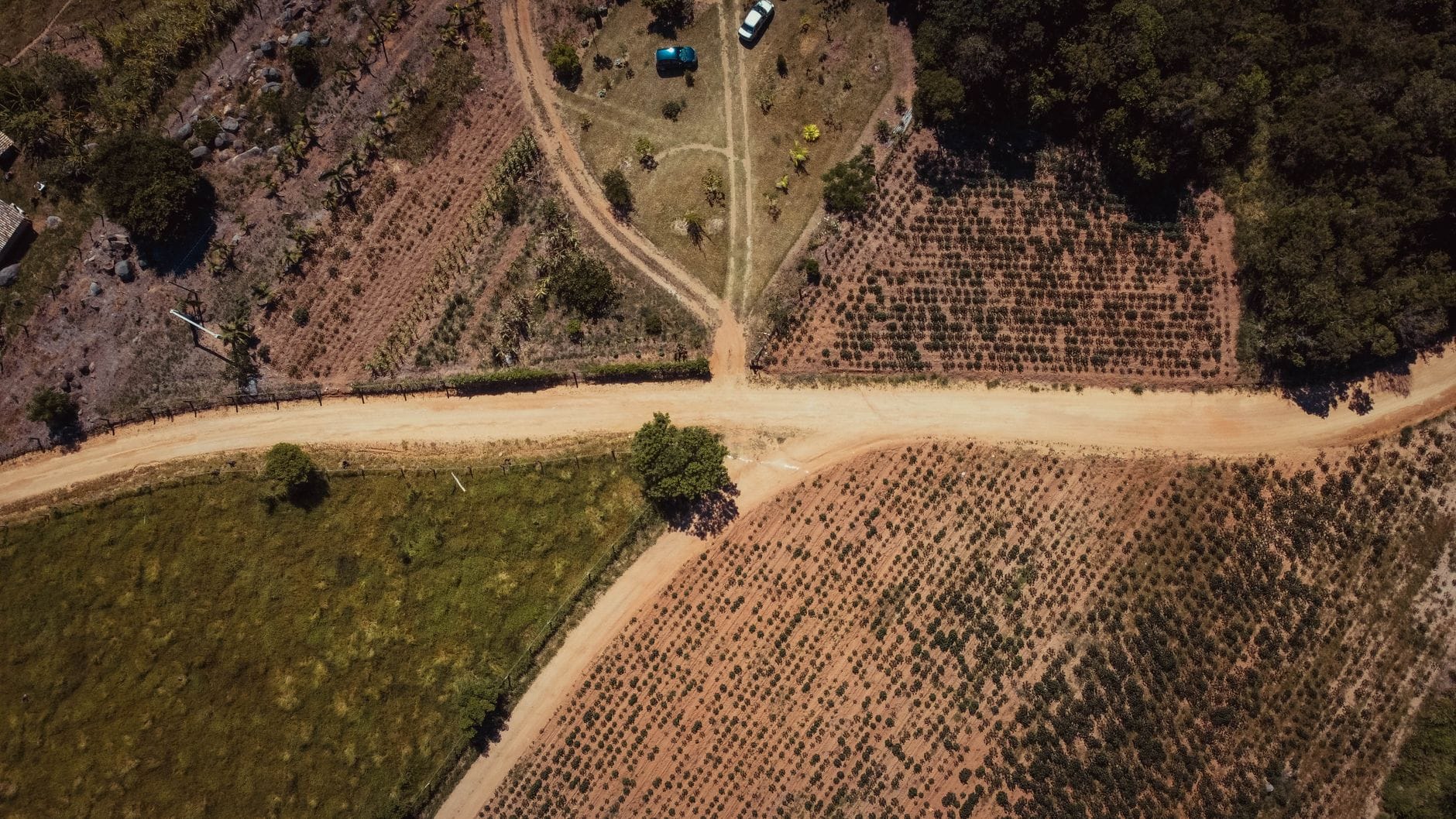
Alma, Limpopo Province, South Africa, MMN Correspondent: Imagine a road so broken that a trip to the clinic becomes a gamble. That’s the reality for thousands living in and around Alma, a small town in Limpopo’s Modimolle/Mookgophong Local Municipality. Three key routes—D975, D2748, and D1082—are the lifelines connecting farms, schools, and emergency services. But instead of smooth travel, residents face deep craters, collapsed sections, and debris that turns a 20-minute drive into an hour-long ordeal. The question is: how did we get here, and what will it take to fix it?
In March 2026, government officials assured the community that maintenance work on these roads had either started or would begin soon. Yet months later, locals report no visible improvements. In fact, conditions have worsened. Potholes have grown into chasms. Fallen trees and dumped rubble line the roadside, creating fire hazards during the dry season. For farmers who rely on D975 to move livestock and harvests to market, every delay means lost income. For families on D2748, a trip to school or the clinic is a daily test of patience and safety. And for emergency responders using D1082, every minute counts—but the road doesn’t cooperate.
On May 19, 2026, a community meeting at the Alma Road Camp brought together residents, farmers, and representatives from the Freedom Front Plus (VF Plus). The goal was simple: find a way to work with the District Department of Transport to prioritize these routes. The atmosphere was one of shared frustration but also willingness to collaborate. Attendees agreed to set up more frequent check-ins with authorities, hoping that consistent communication would lead to action. The community isn’t asking for miracles—just accountability and a clear plan.
Why do these roads matter so much? Let’s break it down. D975 is the backbone of agricultural transport in the region. Without it, farmers can’t get their goods to market, which affects not just their income but the local economy. D2748 connects remote homesteads to healthcare and education—two pillars of community well-being. And D1082, though less traveled, is critical for ambulances and fire trucks. When these roads fail, the consequences ripple outward: delayed medical care, children missing school, and businesses losing revenue. It’s a cycle that deepens inequality in an area already facing economic challenges.
There’s also an environmental angle that often gets overlooked. The debris and felled trees along these roads aren’t just an eyesore—they’re a fire risk. During the dry season, a single spark can turn into a wildfire that threatens homes and farmland. The lack of proper clearance points to a broader issue: municipal planning that doesn’t account for long-term safety. It’s a reminder that infrastructure isn’t just about asphalt; it’s about protecting people and their livelihoods.
In response to the growing crisis, VF Plus formally wrote to Limpopo’s MEC for Public Works, Roads and Infrastructure, Mr. Sebataolo Rachoene. The letter requested transparency and a detailed timeline for repairs. Specifically, the party asked for updates on D975’s progress, the start date for D2748, immediate measures for D1082 (including fire risk mitigation), a copy of the technical inspection report, a work schedule starting July 1, 2026, and dates for a follow-up community meeting. These are reasonable requests—ones that any accountable government should be able to fulfill.
But this isn’t just about Alma. It’s a pattern seen across rural South Africa. According to the Department of Transport’s 2025 National Road Condition Survey, nearly 38% of rural roads in Limpopo are classified as ‘poor’ or ‘very poor.’ That statistic aligns with what residents here experience daily: vehicles damaged, travel times doubled, and trust in government eroded. The reasons are familiar—limited funding, inadequate maintenance crews, and geographic challenges. Yet experts argue that with strategic investment and better oversight, even the most degraded roads can be rehabilitated within months. Drone technology for inspections, community-led reporting systems, and performance-based contracts for contractors are all tools that could make a difference.
The implications go beyond transportation. Poor roads limit access to education, reduce market opportunities, and discourage private investment. For small-scale farmers—the backbone of the local economy—unreliable roads mean higher costs, spoilage of perishable goods, and reduced income. In a country where rural poverty remains a pressing issue, infrastructure gaps perpetuate the cycle. Fixing these roads isn’t just about convenience; it’s about dignity and opportunity.
VF Plus has made it clear that the community has waited long enough. Their call is for action, not just promises. They’ve vowed to monitor the situation closely and hold officials accountable through public reporting and civic pressure. As South Africa approaches future elections, road infrastructure is emerging as a key voter concern. Citizens are increasingly expecting tangible results from their leaders. The Alma case shows how neglected roads can become a flashpoint for political discontent—especially when promises remain unfulfilled.
Looking ahead, there’s a path forward. Integrating climate resilience into road design—better drainage, fire-resistant materials—can prevent recurring damage. Regular inspections using modern technology can catch problems early. And most importantly, consistent communication between government and communities can rebuild trust. The people of Alma aren’t asking for the impossible. They’re asking for a commitment to safety, reliability, and respect. Every resident deserves safe passage, regardless of where they live.
The road to recovery begins with acknowledgment. And with every day that passes without repair, the cost of inaction grows—not just in money, but in lives, livelihoods, and hope. The question now is whether the government will respond with urgency or let another year slip by in silence. For Alma, the answer can’t come soon enough.
Related in Politics

Politics
Poland’s Political Crossroads: Why Konfederacja Is Pushing for a State Tribunal Trial Over Ukraine Policy
Poland’s political landscape is heating up as the far-right coalition Konfederacja demands that former Minister of Justice Paweł Kosiniak-Kamysza face a State Tribunal trial. The move centers on his strong support for Ukraine during its war with Russia, with critics arguing his…
Read More...
Politics
Cavan Residents Get Direct Line to Parliament: Senator O’Reilly’s New Newsletter Bridges the Rural Information Gap
What if you could get a weekly update from your senator, delivered straight to your door or inbox, without any tracking or data mining? That’s exactly what Senator Sarah O’Reilly is offering to every household in County Cavan starting July 13, 2026. The initiative, announced on…
Read More...
Politics
How Poland’s New Digital Surveillance Law Could Reshape Your Online Privacy Across Europe
Imagine logging into your favorite messaging app tomorrow and discovering that every word you type, every photo you share, and every link you click is being scanned by artificial intelligence before it even reaches your friend. That scenario is no longer hypothetical. It is now…
Read More...
Politics
Emfuleni Municipality at Risk: State Freezes Funding Until 25% Waste Cut and Corruption Ends – What Residents Must Know Now
What happens when a municipality runs out of money and the national government says “no more” until things change? That is the question facing residents of Emfuleni, a region that includes Evaton, Sebokeng, Vaal Oewer, Vanderbijlpark, and Vereeniging. On July 9, 2026, the Nation…
Read More...
Politics
Volkswagen Faces 100,000 Job Cuts: Is Germany’s EV Dream Crumbling?
Deep in the heart of Germany’s industrial belt, a quiet storm is brewing. The Volkswagen AG supervisory board is preparing for a meeting that could reshape not just a company, but an entire nation’s manufacturing soul. Four German factories may close. Up to 100,000 jobs could va…
Read More...
Politics
Are Mandatory iPads in Irish Schools Worth the Cost? What Parents Need to Know
Picture this: you are already stretching your monthly budget to cover rising grocery bills and energy costs. Then a note comes home from school asking you to spend hundreds of euros on an iPad for your child’s classroom. For families across Ireland, this scenario is becoming inc…
Read More...
Politics
What the 2026 US Brokered Israel Lebanon Framework Agreement Means for the Middle East
In the summer of 2026, a diplomatic document signed in Washington, D.C., has set the Middle East ablaze with debate. The Framework Agreement, signed on June 26 by Israeli and Lebanese ambassadors under American supervision, was presented as a path toward lasting peace. Instead,…
Read More...
Politics
Electricity Tariff Suspension in Mogalakwena: What R100 to R200 Hike Pause Means for Your Energy Bills and South Africa’s Fair Pricing Future
MMN Correspondent: In early July 2026, the Mogalakwena Local Municipality made a decision that caught the attention of energy watchers across South Africa. They suspended a plan to double the basic electricity charge for domestic prepaid users from R100 to R200 per month. For a…
Read More...
Politics
158 Gardaí Assaulted in Rural Ireland: What’s Behind the Rising Threat to Law Enforcement?
Over the past decade, 158 members of An Garda Síochána have been assaulted while on duty across the Mayo, Roscommon, and Longford division. That’s not just a number. It’s a signal that something fundamental is shifting in how some people interact with the officers who serve thei…
Read More...
Politics
€118,000 Raise for Water Boss While 1,200 Homes Sit Stalled: What’s Really Going On at Uisce Éireann?
Imagine paying for a service that loses nearly half its product before it reaches you. Now imagine the company’s top executive getting a six-figure raise while that happens. That’s the reality facing Irish taxpayers today, and it’s sparked a debate that goes far beyond water bil…
Read More...