
Moths in the Shadows: 40% Decline, One Artist’s Mezzotint Prints, and the Evolution That Could Save Them
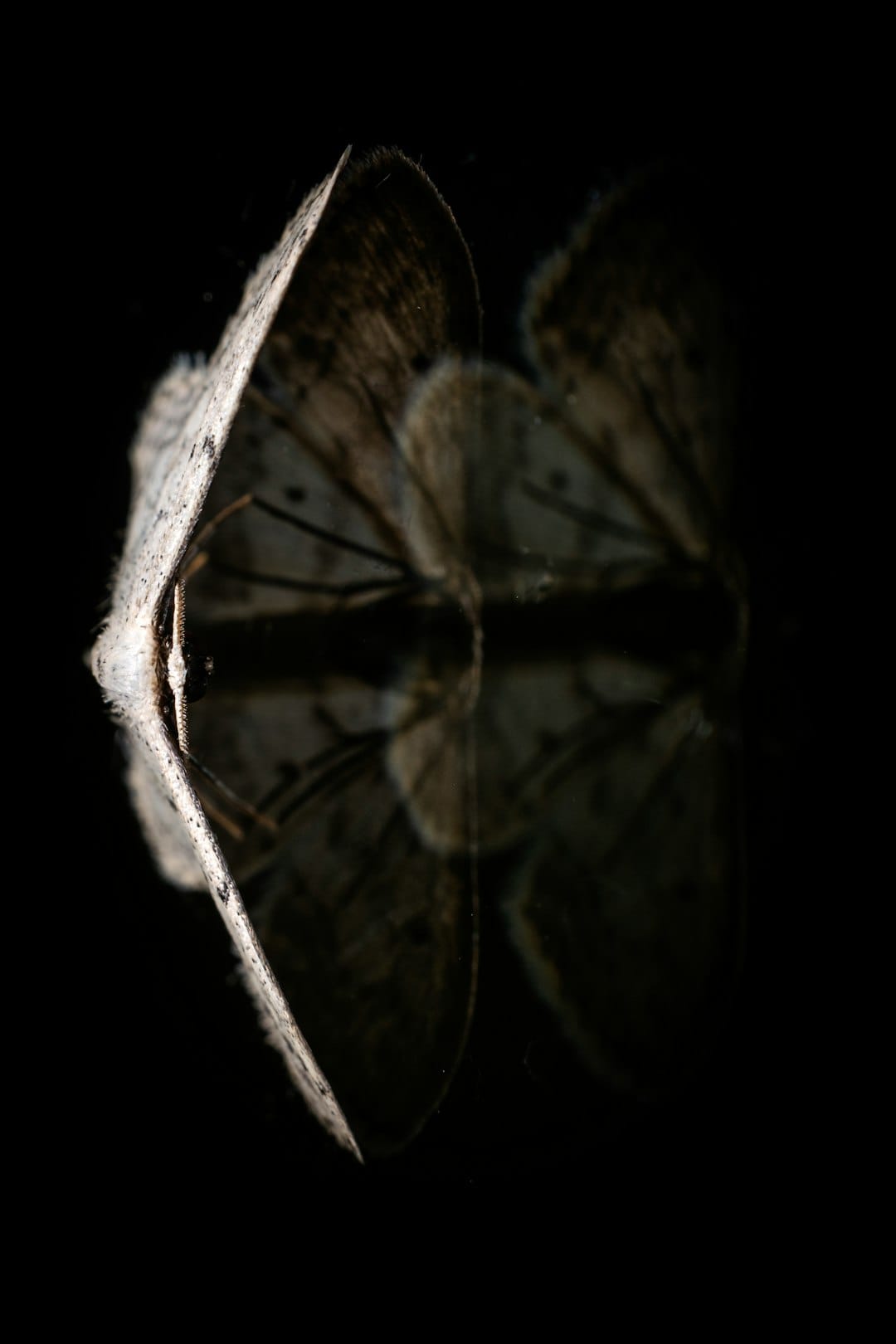
Kestle Barton, Cornwall, MMN Correspondent: Deep in Cornwall’s rolling countryside, a gallery is asking visitors to look closer at the creatures most of us swat away. At Kestle Barton Gallery, a new exhibition called 'Adaptation in Shadow' turns moths into messengers of resilience. And at its heart are mezzotint prints by British artist Sarah Gillespie that capture something you might have missed: moths are not just survivors. They are shape-shifters, adapting faster than we ever imagined.
Mezzotint is a 17th century printmaking technique that uses deep blacks and soft grays to create images that feel almost alive. Gillespie spends hours hand rolling and scraping metal plates to mimic the layered camouflage on moth wings. The result is not a simple portrait. It is a meditation on how these insects hide in plain sight, and what happens when hiding is no longer enough.
The exhibition centers on one of the most famous examples of evolution in action: the peppered moth. During Britain’s Industrial Revolution, soot darkened tree trunks across cities. Light colored moths, once perfectly hidden against lichen covered bark, suddenly stood out. Birds ate them. But a rare genetic mutation produced darker wings, and within decades, up to 98 percent of peppered moths in industrial areas were black. Then came the Clean Air Act in the 1960s. Pollution dropped. Lichens returned. And the light colored moths came back. This story is taught in biology classrooms worldwide as a textbook case of natural selection.
Gillespie’s prints do more than illustrate that history. They ask what happens when adaptation hits its limits. “Nature always has liked to be hid,” she says, “but what is left now, it really must hide. We are the danger.” Her words point to a quieter crisis. Habitat loss, pesticides, artificial light, and climate change are pushing moth species beyond what evolution can fix. Data from Butterfly Conservation in the UK shows that more than 40 percent of moth species have declined since the 1970s. Some have already vanished from local areas. The very traits that once kept them safe camouflage, night activity, cryptic colors are now failing against modern threats.
The exhibition includes over 30 original mezzotints, each depicting a different species: the angle shades moth, the small tortoiseshell, the garden tiger moth. Gillespie worked with conservation groups to capture specimens humanely, photograph them, study them, and release them unharmed. The gallery has partnered with local ecologists to add interpretive panels that explain each species’ life cycle, habitat, and conservation status.
But the experience goes beyond visuals. Soundscapes of nocturnal forests play softly in the background. Recordings of fluttering wings mix with subtle projections of shifting patterns that mirror how moths blend into their surroundings. Visitors step into the moths’ world not as observers but as participants in a silent conversation between organism and environment.
This exhibition arrives at a moment when art and ecology are converging in powerful ways. Moths are often dismissed as pests, but they pollinate plants, feed birds and bats, and act as early warning systems for environmental health. A 2025 study in Nature Ecology & Evolution found that moth diversity is a strong indicator of overall ecosystem stability. Their decline signals broader distress, making them sentinels of planetary health.
The timing of the exhibition from June 20 to September 6, 2026 coincides with peak moth activity across the UK. Summer nights are ideal for moth trapping and observation. The gallery has organized guided night walks and citizen science events where visitors can use smartphone apps to record sightings and contribute data to national databases.
Artists like Gillespie are part of a growing movement that uses natural history as both inspiration and activism. By translating biological processes into tactile, visually compelling artworks, she invites empathy and curiosity. Kestle Barton Gallery itself was chosen for its setting a former farmstead surrounded by ancient woodlands and for its commitment to sustainability. The building uses reclaimed materials, energy efficient systems, and native planting that supports local wildlife, including moths.
As global temperatures rise and cities expand, the story of the peppered moth offers both a warning and a reason for hope. Evolution can respond quickly under pressure, but only if habitats and genetic diversity remain intact. The exhibition’s final piece a large scale mezzotint of a translucent, iridescent moth wing seems to dissolve into darkness. It leaves visitors with questions, not answers. What else are we missing? How much longer can nature remain hidden? And what role do we play in ensuring these silent survivors are not lost to silence?
Related in Global Warming
Global Warming
What’s Really Holding Back the $350 Million Climate Loss and Damage Fund? 180 Projects, $2.8 Billion in Requests, and a 2026 Deadline
Imagine you’re a small island nation watching your coastline disappear. Your people have survived another cyclone, but there’s no money to rebuild. You hear about a new global fund designed exactly for this moment. You apply. You wait. And then you learn the fund has only enough…
Read More...
Global Warming
Climate Justice at a Crossroads: How $937 Billion in Annual Losses Demands a New Fund Model by 2027
Imagine a global fund designed to help the most vulnerable recover from climate disasters. It was created with hope and fanfare in 2022. Now, just a few years later, that fund is running on empty. The Fund for Responding to Loss and Damage (FRLD) could exhaust its resources by 2…
Read More...
Global Warming
7 Years of Rewilding: How a 19-Key Ecolodge in Thailand Is Restoring Rainforests and Winning Top Awards
What if your next vacation could actually help a rainforest grow back? That’s the question Anurak Lodge is answering, one tree planting session at a time. Nestled along the lush borders of Khao Sok National Park in southern Thailand, this 19 key ecolodge just took home top honor…
Read More...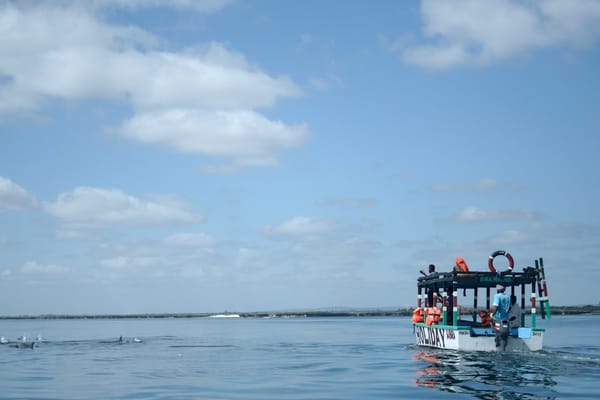
Global Warming
Coastal Communities Hold the Key to a $2.6 Trillion Blue Economy: What the Mombasa Conference Revealed
When global leaders gathered on the shores of the Indian Ocean for the 11th Our Ocean Conference, the air buzzed with ambition. Billions of dollars in new commitments were announced. Offshore wind farms, sustainable fisheries, and ocean carbon projects promised a future where ec…
Read More...
Global Warming
4 Ugandan Farmers vs. a 1,443 km Oil Pipeline: Can a London Court Stop It?
Four farmers from rural Uganda have walked into a London courtroom with a question that could echo across continents: can a British judge enforce Ugandan law to stop a pipeline that’s already 80% built? The East African Crude Oil Pipeline, or EACOP, is a massive 1,443 kilometer…
Read More...
Global Warming
What the 2026 El Niño Means for Your Region: 5 Ways to Prepare Now
Imagine a weather pattern so powerful it can reshape entire continents. That is exactly what scientists are tracking right now. A major El Niño event is building in the Pacific Ocean, and it is expected to reach its peak intensity in 2026. This is not just another seasonal shift…
Read More...
Global Warming
Over 25 Dead in U.S. Heatwave: What’s Driving the 100°F Crisis?
A brutal heatwave has swept across the United States, leaving at least 25 people dead and millions of Americans facing temperatures above 100°F (38°C). This isn’t just another hot summer day. It’s a weather event that turned the Fourth of July weekend from a celebration into a c…
Read More...
Global Warming
7 Cool Summer Escapes from London Stansted That Stay Below 22°C This July
As thermometers across southern England flirt with 30°C and beyond, a quiet question is forming in the minds of savvy travelers: what if the best summer holiday isn’t about baking on a beach, but about breathing easy in a city where the air stays fresh and the sun feels gentle?…
Read More...
Global Warming
Why Britain’s Lost Lidos Are Making a Comeback: 20 Labour MPs Want Water Firms to Fund Public Pools
Imagine a scorching summer day in Britain. The heat is relentless. You crave a cool escape, but the nearest public pool is miles away or closed for good. That’s the reality for millions today. But a growing movement of Labour MPs and policy experts is working to change that. The…
Read More...
Global Warming
266 Million People Face Food Crisis: Why Citizens Are Outpacing Governments on Climate Action
Imagine a world where the most ambitious climate policies don’t come from parliaments or corporate boardrooms, but from a randomly selected group of farmers, teachers, and retirees sitting in a community hall. That world is already here. While national governments struggle to tu…
Read More...