
R10.3 Billion Question: Can Johannesburg Afford Its Biggest Salary Deal Yet?
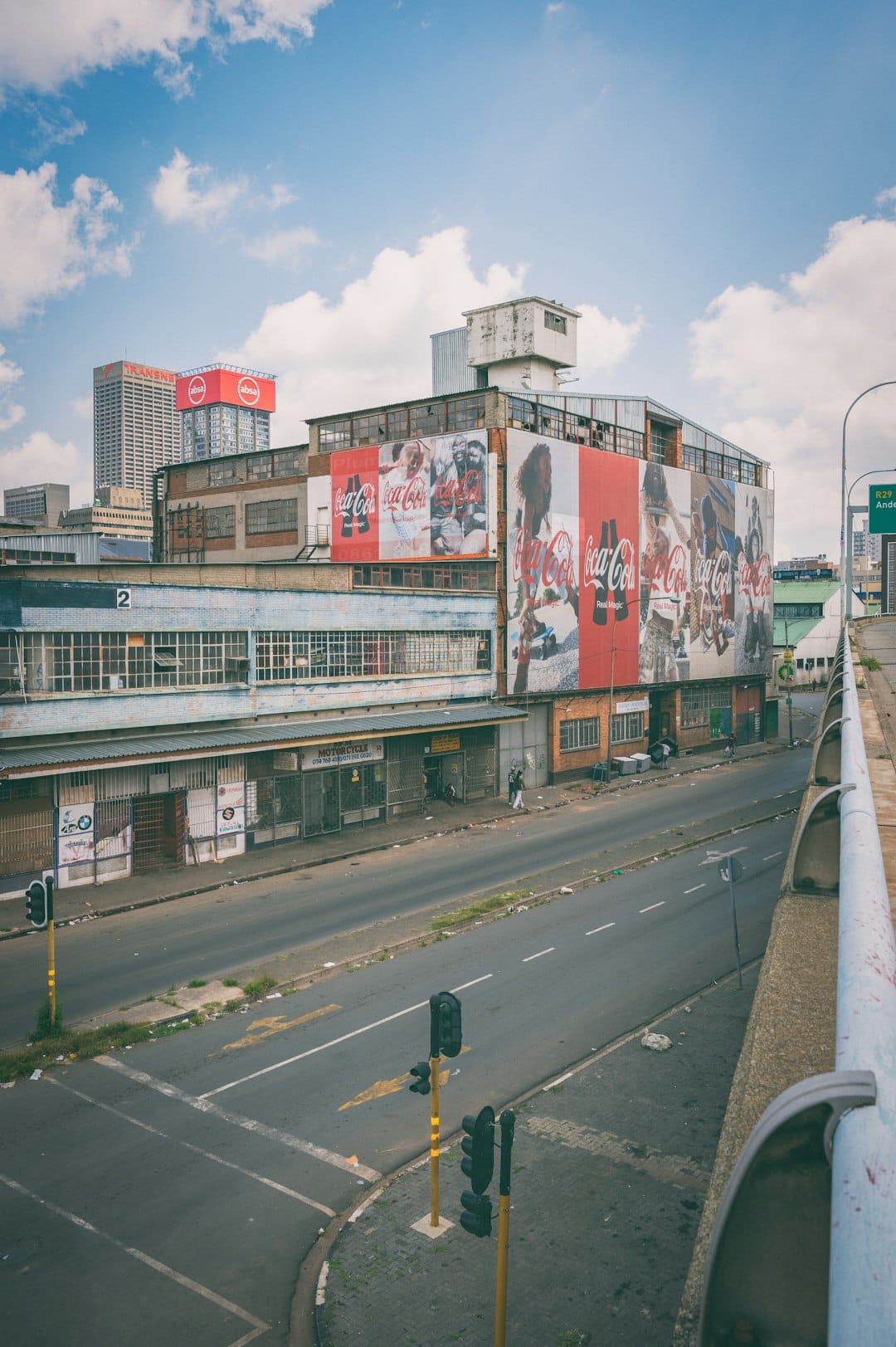
Johannesburg, South Africa, MMN Correspondent: Johannesburg is facing a defining moment. A proposed R10.3 billion salary agreement for municipal workers has sparked intense debate about the city’s financial future. The deal, negotiated between the ANC-led coalition and the South African Municipal Workers’ Union (SAMWU), promises wage increases over two years. But here is the real question: can the city actually afford it without cutting essential services?
Official financial assessments and independent audits suggest the answer is no. The Auditor-General’s latest report highlights systemic weaknesses in financial governance. Johannesburg received a qualified audit opinion, a clear signal that internal controls, transparency, and accountability need serious attention. This is not a one-time issue. Over the past five years, the city has written off approximately R45.16 billion due to unauthorised, irregular, fruitless, and wasteful expenditure. These numbers point to a pattern that has eroded public trust and strained basic operations.
Consider this: non-revenue water losses have reached 44.7%, costing the city roughly R3.8 billion annually. That is water produced but never billed because of leaks, theft, or metering problems. In a city facing water scarcity and aging infrastructure, these losses are both economically and environmentally unsustainable. Similarly, City Power reports technical and non-technical losses of nearly 30%, valued at about R5.7 billion per year. Every rand lost here is a rand that could have been used to fix roads, improve sanitation, or upgrade street lighting.
Executive Mayor Dada Morero argues that the R10.3 billion salary increase is necessary for employee satisfaction and retention. Fair compensation matters, no doubt. But the timing and scale of this agreement raise important questions. In any financially stressed organization, cost-cutting measures are standard during tough times. Salaries are often frozen, benefits reviewed, and operations streamlined. Yet here, instead of tightening belts, the council is proposing one of the largest wage hikes in recent memory without a clear plan to address existing deficits or improve efficiency.
Critics point out that the funds could be better spent on infrastructure. Johannesburg has a growing backlog in road repairs, sanitation upgrades, and public transport improvements. Many residents still face frequent power outages, potholed roads, and unreliable waste collection. Investing R10.3 billion into infrastructure would yield measurable improvements in quality of life, stimulate local employment, and enhance long-term economic productivity. Instead, the current proposal risks diverting resources from urgent developmental needs to short-term workforce incentives.
The Freedom Front Plus (VF Plus) has taken a firm stance against the agreement, urging Mayor Morero to reconsider. The party emphasizes its commitment to transparent, accountable, and efficient governance. It argues that public funds must be spent wisely, especially when citizens are already bearing the brunt of service delivery failures. VF Plus calls on residents to hold their leaders accountable by voting for candidates who prioritize fiscal discipline and integrity during the upcoming local government elections on 4 November 2026.
Beyond the immediate financial implications, this debate reflects broader concerns about democratic accountability and institutional integrity in South Africa’s largest urban center. As cities across the country face similar fiscal pressures, Johannesburg’s decision sets a precedent. Will it choose short-term appeasement of unions, or long-term resilience through reform? The choice may determine whether the city can recover from years of mismanagement or continue spiraling deeper into debt.
Analysts note that sustainable urban growth depends not just on spending more, but on spending smarter. Solutions include digitizing billing systems to reduce water and electricity losses, investing in predictive maintenance for infrastructure, and adopting performance-based budgeting models. These reforms require political will and leadership focused on outcomes rather than electoral popularity.
As the city navigates this pivotal moment, the stakes are high. The R10.3 billion agreement is not merely a labor negotiation. It is a test of governance, vision, and responsibility. If implemented without addressing underlying financial flaws, it could accelerate the city’s decline. But if rejected in favor of structural reform, it could pave the way for a new era of transparency, efficiency, and citizen-centered service delivery.
Residents are encouraged to stay informed, engage with local officials, and participate in the democratic process. The future of Johannesburg hinges not only on what policies are adopted, but on who is entrusted with making them. With a strong, ethical administration, the city has the potential to become a model of urban innovation and fiscal prudence in Africa.
Related in Politics
Politics
Poland’s Political Crossroads: Why Konfederacja Is Pushing for a State Tribunal Trial Over Ukraine Policy
Poland’s political landscape is heating up as the far-right coalition Konfederacja demands that former Minister of Justice Paweł Kosiniak-Kamysza face a State Tribunal trial. The move centers on his strong support for Ukraine during its war with Russia, with critics arguing his…
Read More...
Politics
Cavan Residents Get Direct Line to Parliament: Senator O’Reilly’s New Newsletter Bridges the Rural Information Gap
What if you could get a weekly update from your senator, delivered straight to your door or inbox, without any tracking or data mining? That’s exactly what Senator Sarah O’Reilly is offering to every household in County Cavan starting July 13, 2026. The initiative, announced on…
Read More...
Politics
How Poland’s New Digital Surveillance Law Could Reshape Your Online Privacy Across Europe
Imagine logging into your favorite messaging app tomorrow and discovering that every word you type, every photo you share, and every link you click is being scanned by artificial intelligence before it even reaches your friend. That scenario is no longer hypothetical. It is now…
Read More...
Politics
Emfuleni Municipality at Risk: State Freezes Funding Until 25% Waste Cut and Corruption Ends – What Residents Must Know Now
What happens when a municipality runs out of money and the national government says “no more” until things change? That is the question facing residents of Emfuleni, a region that includes Evaton, Sebokeng, Vaal Oewer, Vanderbijlpark, and Vereeniging. On July 9, 2026, the Nation…
Read More...
Politics
Volkswagen Faces 100,000 Job Cuts: Is Germany’s EV Dream Crumbling?
Deep in the heart of Germany’s industrial belt, a quiet storm is brewing. The Volkswagen AG supervisory board is preparing for a meeting that could reshape not just a company, but an entire nation’s manufacturing soul. Four German factories may close. Up to 100,000 jobs could va…
Read More...
Politics
Are Mandatory iPads in Irish Schools Worth the Cost? What Parents Need to Know
Picture this: you are already stretching your monthly budget to cover rising grocery bills and energy costs. Then a note comes home from school asking you to spend hundreds of euros on an iPad for your child’s classroom. For families across Ireland, this scenario is becoming inc…
Read More...
Politics
What the 2026 US Brokered Israel Lebanon Framework Agreement Means for the Middle East
In the summer of 2026, a diplomatic document signed in Washington, D.C., has set the Middle East ablaze with debate. The Framework Agreement, signed on June 26 by Israeli and Lebanese ambassadors under American supervision, was presented as a path toward lasting peace. Instead,…
Read More...
Politics
Electricity Tariff Suspension in Mogalakwena: What R100 to R200 Hike Pause Means for Your Energy Bills and South Africa’s Fair Pricing Future
MMN Correspondent: In early July 2026, the Mogalakwena Local Municipality made a decision that caught the attention of energy watchers across South Africa. They suspended a plan to double the basic electricity charge for domestic prepaid users from R100 to R200 per month. For a…
Read More...
Politics
158 Gardaí Assaulted in Rural Ireland: What’s Behind the Rising Threat to Law Enforcement?
Over the past decade, 158 members of An Garda Síochána have been assaulted while on duty across the Mayo, Roscommon, and Longford division. That’s not just a number. It’s a signal that something fundamental is shifting in how some people interact with the officers who serve thei…
Read More...
Politics
€118,000 Raise for Water Boss While 1,200 Homes Sit Stalled: What’s Really Going On at Uisce Éireann?
Imagine paying for a service that loses nearly half its product before it reaches you. Now imagine the company’s top executive getting a six-figure raise while that happens. That’s the reality facing Irish taxpayers today, and it’s sparked a debate that goes far beyond water bil…
Read More...