
Tshwane Residents Face R75,000 Fines for Meter Tampering: What You Need to Know to Protect Yourself
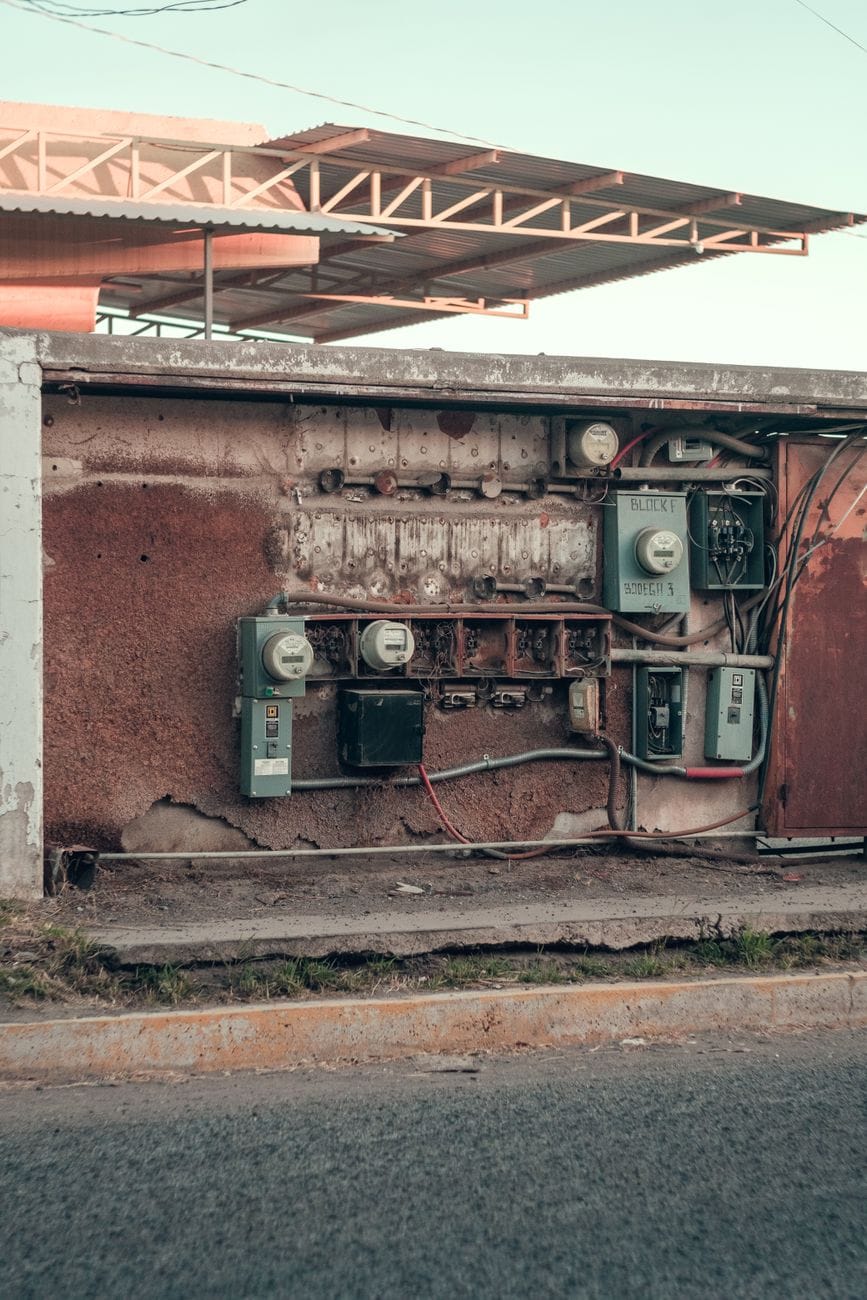
Tshwane, South Africa, MMN Correspondent: Imagine this: you report a power outage to your local municipality, a technician arrives, fixes the issue by temporarily bypassing your meter, and then days later you receive a fine for R75,000 for allegedly tampering with that same meter. This is not a hypothetical scenario. It is a pattern that has emerged across multiple suburbs in Tshwane, South Africa’s capital city, and it is raising serious questions about how municipal services are being managed.
According to a recent media release by the Freedom Front Plus (VF Plus), residents are being hit with exorbitant fines for prepaid electricity meter tampering, charges that many claim are unfounded and legally questionable. The fines can reach as high as R75,000, a sum that can devastate a household budget. But what is really happening here? Is this a case of overzealous enforcement, or is there something more systematic at play?
Let’s walk through the sequence of events that multiple residents have reported. A homeowner contacts the municipality to report a power outage or a meter malfunction. A technician arrives, often without the necessary spare parts. To restore electricity quickly, the technician bypasses the meter temporarily. The resident is grateful for the restored power. Then, a few days later, an inspector shows up and accuses the same resident of tampering with the meter, despite no visible signs of interference. The resident is left confused, frustrated, and facing a massive fine.
The Freedom Front Plus says it has gathered substantial evidence to support these claims, including photographic records, complaint logs, and testimonies from affected households. One resident recounted how a technician repaired her meter but left it exposed on the street. Three days later, she received a fine for 'unauthorized access' to the meter, a charge she vehemently denies. How can a resident be held responsible for something a municipal technician did?
This situation becomes even more troubling when you consider the emergence of allegations involving corruption and extortion. Several residents have reported receiving unsolicited calls from individuals claiming to be officials who could 'make the fine disappear' in exchange for a cash payment. While these incidents have not yet been formally proven in court, they point to a deeper systemic issue where residents, often already struggling with poor infrastructure and unreliable services, are being exploited through fear and misinformation.
There is also a critical legal contradiction at the heart of this dispute. The Tshwane Metro mandates that residents keep their electricity meters secured in public areas. However, it simultaneously prohibits them from installing private locks or enclosures to prevent tampering. This creates an impossible situation: residents are expected to protect equipment they cannot physically secure, leaving meters vulnerable to damage or unauthorized access, yet they are punished if such incidents occur. How can you be responsible for something you are not allowed to protect?
The Freedom Front Plus has brought this matter before key oversight bodies, including the Municipal Oversight Committees on Finance and Community Safety. In these forums, party representatives have emphasized the need for urgent reforms. They are calling for independent audits of the billing and inspection processes, clearer guidelines for meter maintenance, and stricter controls on enforcement personnel. These are reasonable requests that could help restore trust between citizens and local government.
Two residents have already taken formal action by lodging criminal complaints with the South African Police Service (SAPS), alleging fraud and attempted extortion. These cases are currently under investigation, and authorities are being urged to act swiftly to protect citizens from predatory practices disguised as regulatory compliance. The outcome of these investigations could set a precedent for how similar cases are handled in the future.
To help residents navigate this complex landscape, the Freedom Front Plus has issued clear guidance. First, document every interaction with utility providers, including keeping reference numbers for all service requests. Second, take photos of the meter both before and after any technician intervention. Third, never pay cash to avoid fines; instead, report any attempt at extortion to the police immediately. Fourth, submit disputes formally via email to disputes@tshwane.gov.za or visit the Client Service Centre at the Isivuno Building. These steps are vital not only for individual protection but also for building a collective record that can inform future policy changes and legal challenges.
The issue extends beyond mere financial burden. It reflects a breakdown in trust between citizens and local government. Many Tshwane residents live in communities where electricity supply is inconsistent, infrastructure is aging, and maintenance backlogs are widespread. In such conditions, penalizing residents for technical failures they did not cause undermines the very purpose of municipal governance: to serve and support the public. Recent data from national energy reports confirm that prepaid meter systems in South Africa are prone to malfunction due to outdated technology, environmental exposure, and inadequate maintenance. A 2024 study by the Council for Scientific and Industrial Research (CSIR) noted that over 30% of prepaid meters in urban municipalities experienced operational issues within six months of installation. Yet, instead of addressing root causes, some authorities appear to shift blame onto consumers.
The upcoming local government elections on 4 November present a pivotal moment for Tshwane voters. With the Freedom Front Plus urging residents to hold elected officials accountable, the election could become a referendum on service delivery, transparency, and ethical governance. Voters are being encouraged to consider candidates who prioritize fairness, community engagement, and systemic reform over punitive measures. This is an opportunity for residents to use their vote to demand better.
As pressure mounts, civil society groups, legal aid organizations, and consumer advocacy networks are preparing to monitor the situation closely. Legal experts warn that if fines are issued without proper due process, they may be challenged in court, potentially leading to nationwide implications for municipal billing policies. The case of Tshwane residents underscores a global trend: when public institutions fail to deliver reliable services, they often resort to punitive actions that disproportionately affect the most vulnerable. The fight against unfair fines is not just about money. It is about dignity, justice, and the right to fair treatment under the law.
For now, residents are advised to remain vigilant, document everything, and demand accountability. The path forward requires not only better regulation but also a cultural shift in how municipalities engage with their communities, moving from punishment to partnership, from suspicion to service. The question remains: will Tshwane’s leaders rise to the occasion?
Related in Politics

Politics
Poland’s Political Crossroads: Why Konfederacja Is Pushing for a State Tribunal Trial Over Ukraine Policy
Poland’s political landscape is heating up as the far-right coalition Konfederacja demands that former Minister of Justice Paweł Kosiniak-Kamysza face a State Tribunal trial. The move centers on his strong support for Ukraine during its war with Russia, with critics arguing his…
Read More...
Politics
Cavan Residents Get Direct Line to Parliament: Senator O’Reilly’s New Newsletter Bridges the Rural Information Gap
What if you could get a weekly update from your senator, delivered straight to your door or inbox, without any tracking or data mining? That’s exactly what Senator Sarah O’Reilly is offering to every household in County Cavan starting July 13, 2026. The initiative, announced on…
Read More...
Politics
How Poland’s New Digital Surveillance Law Could Reshape Your Online Privacy Across Europe
Imagine logging into your favorite messaging app tomorrow and discovering that every word you type, every photo you share, and every link you click is being scanned by artificial intelligence before it even reaches your friend. That scenario is no longer hypothetical. It is now…
Read More...
Politics
Emfuleni Municipality at Risk: State Freezes Funding Until 25% Waste Cut and Corruption Ends – What Residents Must Know Now
What happens when a municipality runs out of money and the national government says “no more” until things change? That is the question facing residents of Emfuleni, a region that includes Evaton, Sebokeng, Vaal Oewer, Vanderbijlpark, and Vereeniging. On July 9, 2026, the Nation…
Read More...
Politics
Volkswagen Faces 100,000 Job Cuts: Is Germany’s EV Dream Crumbling?
Deep in the heart of Germany’s industrial belt, a quiet storm is brewing. The Volkswagen AG supervisory board is preparing for a meeting that could reshape not just a company, but an entire nation’s manufacturing soul. Four German factories may close. Up to 100,000 jobs could va…
Read More...
Politics
Are Mandatory iPads in Irish Schools Worth the Cost? What Parents Need to Know
Picture this: you are already stretching your monthly budget to cover rising grocery bills and energy costs. Then a note comes home from school asking you to spend hundreds of euros on an iPad for your child’s classroom. For families across Ireland, this scenario is becoming inc…
Read More...
Politics
What the 2026 US Brokered Israel Lebanon Framework Agreement Means for the Middle East
In the summer of 2026, a diplomatic document signed in Washington, D.C., has set the Middle East ablaze with debate. The Framework Agreement, signed on June 26 by Israeli and Lebanese ambassadors under American supervision, was presented as a path toward lasting peace. Instead,…
Read More...
Politics
Electricity Tariff Suspension in Mogalakwena: What R100 to R200 Hike Pause Means for Your Energy Bills and South Africa’s Fair Pricing Future
MMN Correspondent: In early July 2026, the Mogalakwena Local Municipality made a decision that caught the attention of energy watchers across South Africa. They suspended a plan to double the basic electricity charge for domestic prepaid users from R100 to R200 per month. For a…
Read More...
Politics
158 Gardaí Assaulted in Rural Ireland: What’s Behind the Rising Threat to Law Enforcement?
Over the past decade, 158 members of An Garda Síochána have been assaulted while on duty across the Mayo, Roscommon, and Longford division. That’s not just a number. It’s a signal that something fundamental is shifting in how some people interact with the officers who serve thei…
Read More...
Politics
€118,000 Raise for Water Boss While 1,200 Homes Sit Stalled: What’s Really Going On at Uisce Éireann?
Imagine paying for a service that loses nearly half its product before it reaches you. Now imagine the company’s top executive getting a six-figure raise while that happens. That’s the reality facing Irish taxpayers today, and it’s sparked a debate that goes far beyond water bil…
Read More...