
UK Braces for 38°C Heatwave: What This Means for Your Health, Home, and Summer Plans
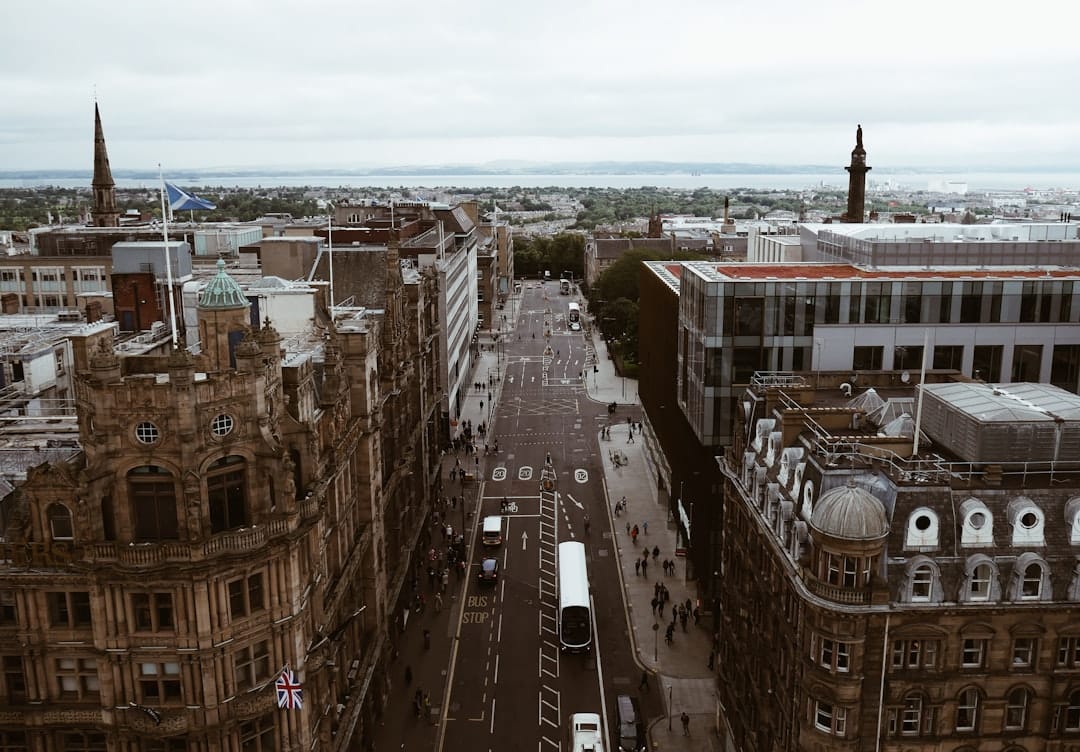
London, United Kingdom, MMN Correspondent: This week, the United Kingdom is stepping into what could be its hottest June in recorded history. Meteorologists are tracking a heatwave that may push thermometers to 38°C (100.4°F) a number that hasn’t been seen this early in the year for decades. The Met Office has upgraded its warning to an extreme heat alert, and the question on everyone’s mind is: how prepared are we for this new kind of summer?
The heat is expected to build from Monday through Thursday, with Wednesday and Thursday shaping up to be the most intense days. Southern England, the Midlands, and central and eastern regions will feel the full force. By Friday, temperatures will ease slightly, but eastern areas could still see 33°C. What makes this event different from past heatwaves isn’t just the daytime highs. It’s what happens at night.
Overnight temperatures across much of southern England are forecast to stay above 20°C. These are what experts call tropical nights. Dr. Becky Mitchell, a senior meteorologist at the Met Office, explains that while breaking a record for overnight minimums might not sound dramatic, it has real consequences. Without a cool-down period during sleep, the body struggles to recover from daytime heat exposure. For the elderly, young children, and those with existing health conditions, this can be a serious strain.
Humidity adds another layer. When the air is thick with moisture, sweat doesn’t evaporate as easily. That means the body’s natural cooling system works less efficiently. Tom Crabtree, deputy chief forecaster at the Met Office, describes the conditions as oppressive. The combination of heat and humidity doesn’t just make you uncomfortable. It can put pressure on public health systems, energy grids, and water supplies. This is not just a weather event. It’s a multi-sector challenge.
Public health officials are already moving. The UK Health Security Agency has activated a national alert, asking healthcare providers to prepare for more heat-related cases. Their advice is straightforward: stay hydrated, avoid outdoor activity between 11 am and 3 pm, and keep homes cool by closing windows and curtains during the day. Ventilate in the evening when temperatures drop. For older adults and people with heart or kidney conditions, the risks are higher. Caroline Abrahams from Age UK points out that older bodies don’t adjust to extreme heat as well. If you have a serious health condition, getting too hot is a genuine medical concern.
This heatwave is part of a larger pattern. June 2025 was the warmest June ever recorded in England, and the UK as a whole saw its second-warmest June on record. Dr. Mehri Khosravi, a senior research fellow at the University of East London’s Sustainability Research Institute, notes that extreme heat events are happening more often and with greater intensity. She highlights that age remains the strongest predictor of heat vulnerability, partly because of biological changes and partly because many seniors don’t perceive the risk. She also points out that most UK homes were built for cooler climates. They simply aren’t designed to handle prolonged heat, which can make indoor spaces dangerous during a heatwave.
Beyond human health, the environment is responding too. Mosquito populations are expected to increase, especially in rural and inland areas of southern England. Dan Pydynowski, a senior meteorologist at AccuWeather, explains that mosquitoes become more active during heatwaves. They rest in shaded grassy areas during midday and come out at dawn and dusk. While the risk of vector-borne diseases remains low for now, it’s a reminder that changing weather patterns affect ecosystems in ways we’re still learning about.
Water safety is another concern. As temperatures climb, more people head to rivers, lakes, and coastal areas for relief. This has already led to a rise in water-related incidents. In May 2026 alone, 15 deaths were linked to heatwaves and water exposure, including the tragic case of a young girl in North Yorkshire. Authorities are urging swimmers to be cautious, avoid alcohol, and never swim alone.
Looking at the bigger picture, the UK is experiencing more frequent and severe heat events. The 1976 heatwave is still remembered, but modern data shows that average monthly temperatures have risen steadily since then. The 2022 heatwave, which saw temperatures exceed 40°C in several locations, is now being repeated and intensified. Scientists attribute this to rising greenhouse gas concentrations, urban heat island effects, and changes in atmospheric circulation.
This year’s forecast comes as calls for climate adaptation grow louder. Ideas include retrofitting buildings with better insulation, expanding green spaces in cities, and investing in resilient power and water infrastructure. Local councils are being urged to open cooling centers and check on isolated residents, especially during peak heat periods.
As the nation prepares for what may be the hottest June in over half a century, the message is clear. This heatwave is not an anomaly. It is a symptom of a changing planet. Without systemic changes, such extreme weather events will become the new normal.
The coming days will test the resilience of communities, healthcare systems, and emergency services. But they also offer an opportunity to learn and adapt. Preparedness, awareness, and collective responsibility are essential in facing the escalating challenges of a warming world.
With each passing summer, the UK stands at a crossroads. The choice between complacency and proactive adaptation will determine how safely future generations endure the heat. This week, the thermometer is giving us a preview of what’s possible. How we respond is up to us.
Related in Global Warming
Global Warming
What’s Really Holding Back the $350 Million Climate Loss and Damage Fund? 180 Projects, $2.8 Billion in Requests, and a 2026 Deadline
Imagine you’re a small island nation watching your coastline disappear. Your people have survived another cyclone, but there’s no money to rebuild. You hear about a new global fund designed exactly for this moment. You apply. You wait. And then you learn the fund has only enough…
Read More...
Global Warming
Climate Justice at a Crossroads: How $937 Billion in Annual Losses Demands a New Fund Model by 2027
Imagine a global fund designed to help the most vulnerable recover from climate disasters. It was created with hope and fanfare in 2022. Now, just a few years later, that fund is running on empty. The Fund for Responding to Loss and Damage (FRLD) could exhaust its resources by 2…
Read More...
Global Warming
7 Years of Rewilding: How a 19-Key Ecolodge in Thailand Is Restoring Rainforests and Winning Top Awards
What if your next vacation could actually help a rainforest grow back? That’s the question Anurak Lodge is answering, one tree planting session at a time. Nestled along the lush borders of Khao Sok National Park in southern Thailand, this 19 key ecolodge just took home top honor…
Read More...
Global Warming
Coastal Communities Hold the Key to a $2.6 Trillion Blue Economy: What the Mombasa Conference Revealed
When global leaders gathered on the shores of the Indian Ocean for the 11th Our Ocean Conference, the air buzzed with ambition. Billions of dollars in new commitments were announced. Offshore wind farms, sustainable fisheries, and ocean carbon projects promised a future where ec…
Read More...
Global Warming
4 Ugandan Farmers vs. a 1,443 km Oil Pipeline: Can a London Court Stop It?
Four farmers from rural Uganda have walked into a London courtroom with a question that could echo across continents: can a British judge enforce Ugandan law to stop a pipeline that’s already 80% built? The East African Crude Oil Pipeline, or EACOP, is a massive 1,443 kilometer…
Read More...
Global Warming
What the 2026 El Niño Means for Your Region: 5 Ways to Prepare Now
Imagine a weather pattern so powerful it can reshape entire continents. That is exactly what scientists are tracking right now. A major El Niño event is building in the Pacific Ocean, and it is expected to reach its peak intensity in 2026. This is not just another seasonal shift…
Read More...
Global Warming
Over 25 Dead in U.S. Heatwave: What’s Driving the 100°F Crisis?
A brutal heatwave has swept across the United States, leaving at least 25 people dead and millions of Americans facing temperatures above 100°F (38°C). This isn’t just another hot summer day. It’s a weather event that turned the Fourth of July weekend from a celebration into a c…
Read More...
Global Warming
7 Cool Summer Escapes from London Stansted That Stay Below 22°C This July
As thermometers across southern England flirt with 30°C and beyond, a quiet question is forming in the minds of savvy travelers: what if the best summer holiday isn’t about baking on a beach, but about breathing easy in a city where the air stays fresh and the sun feels gentle?…
Read More...
Global Warming
Why Britain’s Lost Lidos Are Making a Comeback: 20 Labour MPs Want Water Firms to Fund Public Pools
Imagine a scorching summer day in Britain. The heat is relentless. You crave a cool escape, but the nearest public pool is miles away or closed for good. That’s the reality for millions today. But a growing movement of Labour MPs and policy experts is working to change that. The…
Read More...
Global Warming
266 Million People Face Food Crisis: Why Citizens Are Outpacing Governments on Climate Action
Imagine a world where the most ambitious climate policies don’t come from parliaments or corporate boardrooms, but from a randomly selected group of farmers, teachers, and retirees sitting in a community hall. That world is already here. While national governments struggle to tu…
Read More...