
What 1,500 Residents Lost When Overgrown Bushes Hid a Cable Theft in Groenkloof
Groenkloof, Tshwane, MMN Correspondent: Imagine waking up at 2 AM to a pitch black neighborhood, not because of a storm, but because someone quietly cut the cables that power your home, your hospital, and your local shops. That is exactly what happened in Groenkloof on June 11, 2026, when a second major cable theft in less than a month left 1,500 residents, businesses, and the Groenkloof Life Hospital without electricity. The question on everyone’s mind is not just who did it, but why it keeps happening.
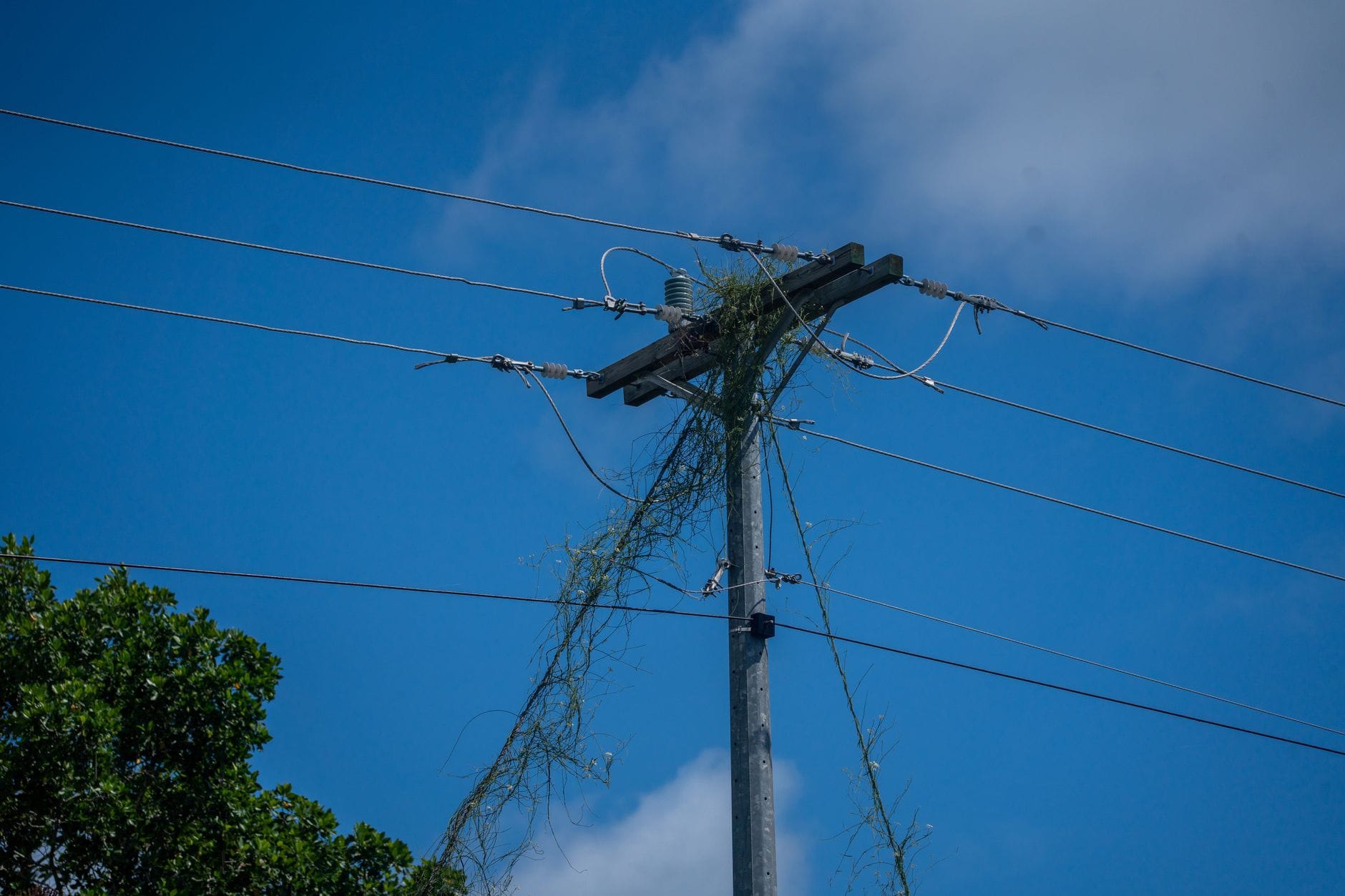
The answer starts with something you might not expect: bushes. Thick, overgrown vegetation along the boundaries of the University of South Africa and the University of Pretoria campuses has created a natural blind spot. These shrubs and invasive plants are so dense that they hide the electrical infrastructure from view, making it easy for thieves to work undetected. During the previous theft in May 2026, technicians spent three full days just finding the fault site. This time, it took over 24 hours to locate where the cables were cut. In a modern city, that kind of delay is a clear signal that something deeper is broken.
The stolen cables are high voltage copper conductors, valuable on the black market for their recyclable metal. Criminal syndicates target areas with poor surveillance and delayed maintenance, and Groenkloof fits the profile perfectly. According to the South African National Energy Development Institute, urban cable theft incidents rose by 37% between 2023 and 2025, with neighborhoods near universities being prime targets. The proximity to two major campuses means more foot traffic and less police presence during late night hours, creating an opportunity that thieves have learned to exploit.
The impact on daily life has been significant. Groenkloof Life Hospital, a critical healthcare hub, had to rely on backup generators to keep patient monitoring systems running, vaccines refrigerated, and surgical wards lit. The hospital’s director noted that while operations continued, the stress on backup systems raises long term concerns about equipment durability and patient safety. Local businesses, from small shops to restaurants, reported financial losses exceeding R50,000 per day during the outage. For many, this is not just an inconvenience, it is a threat to their livelihood.
Residents are speaking up with a mix of frustration and determination. Thabo Mokoena put it simply: “We’re not asking for miracles. We just want our lights back and someone to take responsibility. Every time there’s an outage, it’s the same story: ‘It’s because of the bush.’ But why hasn’t anything changed?” Naledi Dlamini added a safety concern: “There are snakes, rats, and even wild dogs hiding in those bushes. It’s not safe for anyone to walk through there at night. And now criminals use it as a hideout? That’s unacceptable.”
The Tshwane Metro’s Electricity Department has started repairs, but the damage requires extensive replacement of cables and support structures. Engineers estimate full restoration could take up to five business days, depending on material availability and weather. Yet the underlying issue remains: without proactive vegetation management, future thefts are almost certain. Environmental experts point out that above average rainfall in early 2026 created ideal conditions for rapid plant growth, but that natural factor does not excuse administrative inaction. Municipal records show that routine clearing schedules were suspended in early 2025 due to budget constraints, and no new plans were implemented despite repeated complaints from residents and campus security teams.
The upcoming local government elections on November 4, 2026, have become a focal point for community action. The Freedom Front Plus has positioned itself as a champion of service delivery, promising a comprehensive infrastructure revitalization program if elected. Their campaign emphasizes regular vegetation clearance, enhanced surveillance through smart CCTV networks, and collaboration with university security forces to monitor high risk zones. They argue that investing in preventive maintenance is far more cost effective than dealing with repeated outages and repair costs.
This situation reflects a broader national challenge: the fragility of urban utility infrastructure in under resourced municipalities. With over 60% of South Africa’s local governments facing financial deficits, many struggle to maintain basic services. A 2025 report by the Public Affairs Research Institute found that only 32% of municipalities conducted regular infrastructure inspections, leaving vast areas exposed to preventable damage. Groenkloof is not an isolated case, but it is a clear example of how small oversights can lead to large scale disruptions.
As the neighborhood begins to recover from its latest blackout, residents are asking a pivotal question: will systemic neglect continue, or will this be the moment that sparks real change? The answer may lie in the ballot box. With growing awareness and civic engagement, the people of Groenkloof are no longer willing to accept power outages as a normal part of life. They are demanding transparency, action, and long term solutions rooted in responsible governance. This crisis is a reminder that infrastructure resilience is not just about technology, it is about stewardship, planning, and accountability. When cities fail to maintain their green buffers, they don’t just lose beauty, they lose safety, stability, and trust.
Related in Politics

Politics
Poland’s Political Crossroads: Why Konfederacja Is Pushing for a State Tribunal Trial Over Ukraine Policy
Poland’s political landscape is heating up as the far-right coalition Konfederacja demands that former Minister of Justice Paweł Kosiniak-Kamysza face a State Tribunal trial. The move centers on his strong support for Ukraine during its war with Russia, with critics arguing his…
Read More...
Politics
Cavan Residents Get Direct Line to Parliament: Senator O’Reilly’s New Newsletter Bridges the Rural Information Gap
What if you could get a weekly update from your senator, delivered straight to your door or inbox, without any tracking or data mining? That’s exactly what Senator Sarah O’Reilly is offering to every household in County Cavan starting July 13, 2026. The initiative, announced on…
Read More...
Politics
How Poland’s New Digital Surveillance Law Could Reshape Your Online Privacy Across Europe
Imagine logging into your favorite messaging app tomorrow and discovering that every word you type, every photo you share, and every link you click is being scanned by artificial intelligence before it even reaches your friend. That scenario is no longer hypothetical. It is now…
Read More...
Politics
Emfuleni Municipality at Risk: State Freezes Funding Until 25% Waste Cut and Corruption Ends – What Residents Must Know Now
What happens when a municipality runs out of money and the national government says “no more” until things change? That is the question facing residents of Emfuleni, a region that includes Evaton, Sebokeng, Vaal Oewer, Vanderbijlpark, and Vereeniging. On July 9, 2026, the Nation…
Read More...
Politics
Volkswagen Faces 100,000 Job Cuts: Is Germany’s EV Dream Crumbling?
Deep in the heart of Germany’s industrial belt, a quiet storm is brewing. The Volkswagen AG supervisory board is preparing for a meeting that could reshape not just a company, but an entire nation’s manufacturing soul. Four German factories may close. Up to 100,000 jobs could va…
Read More...
Politics
Are Mandatory iPads in Irish Schools Worth the Cost? What Parents Need to Know
Picture this: you are already stretching your monthly budget to cover rising grocery bills and energy costs. Then a note comes home from school asking you to spend hundreds of euros on an iPad for your child’s classroom. For families across Ireland, this scenario is becoming inc…
Read More...
Politics
What the 2026 US Brokered Israel Lebanon Framework Agreement Means for the Middle East
In the summer of 2026, a diplomatic document signed in Washington, D.C., has set the Middle East ablaze with debate. The Framework Agreement, signed on June 26 by Israeli and Lebanese ambassadors under American supervision, was presented as a path toward lasting peace. Instead,…
Read More...
Politics
Electricity Tariff Suspension in Mogalakwena: What R100 to R200 Hike Pause Means for Your Energy Bills and South Africa’s Fair Pricing Future
MMN Correspondent: In early July 2026, the Mogalakwena Local Municipality made a decision that caught the attention of energy watchers across South Africa. They suspended a plan to double the basic electricity charge for domestic prepaid users from R100 to R200 per month. For a…
Read More...
Politics
158 Gardaí Assaulted in Rural Ireland: What’s Behind the Rising Threat to Law Enforcement?
Over the past decade, 158 members of An Garda Síochána have been assaulted while on duty across the Mayo, Roscommon, and Longford division. That’s not just a number. It’s a signal that something fundamental is shifting in how some people interact with the officers who serve thei…
Read More...
Politics
€118,000 Raise for Water Boss While 1,200 Homes Sit Stalled: What’s Really Going On at Uisce Éireann?
Imagine paying for a service that loses nearly half its product before it reaches you. Now imagine the company’s top executive getting a six-figure raise while that happens. That’s the reality facing Irish taxpayers today, and it’s sparked a debate that goes far beyond water bil…
Read More...