
What Bartosz Bocheńczak Revealed on Konfederacja’s Super Ring That Has Poland Talking About Unity and Sovereignty
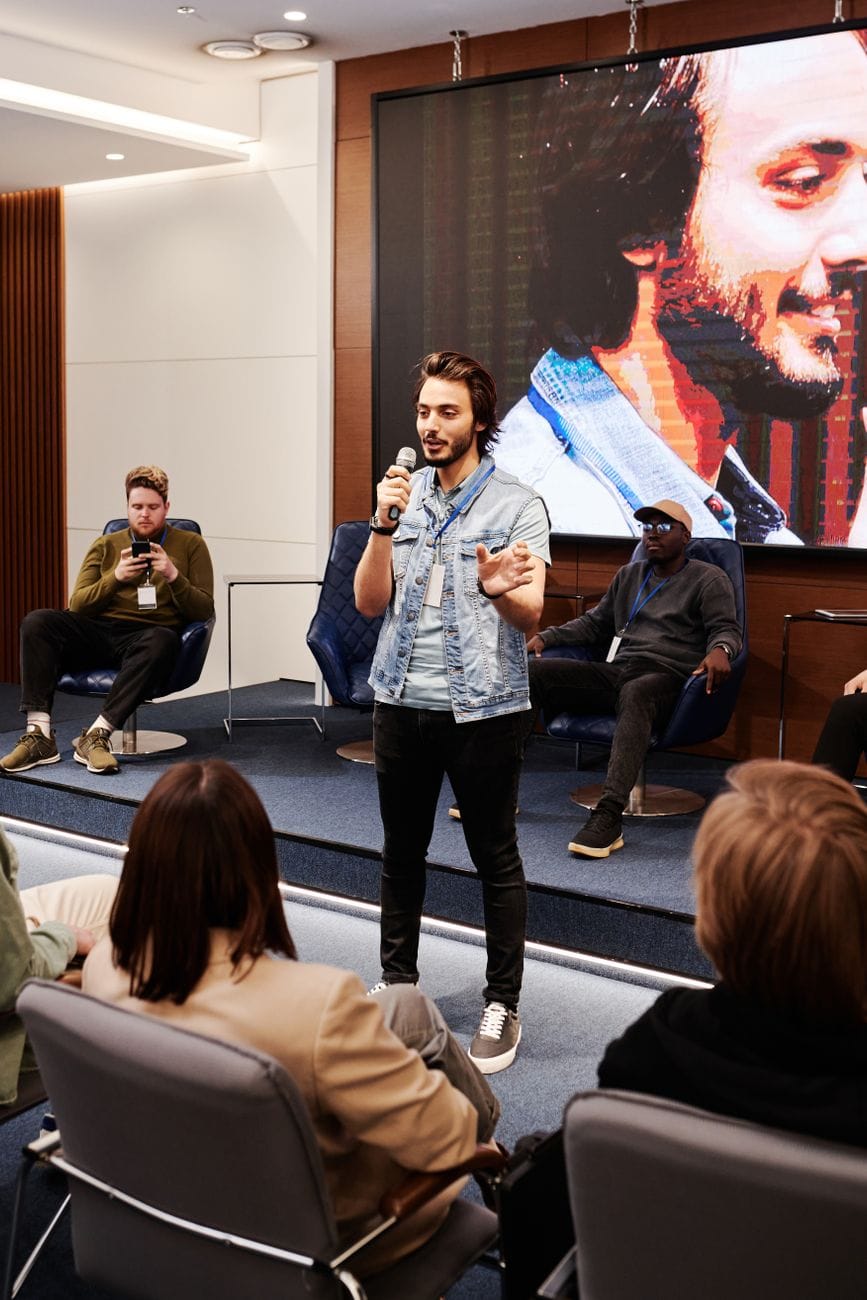
Warsaw, Poland, MMN Correspondent: On June 14, 2026, a single broadcast shifted the tone of Poland’s political conversation. Bartosz Bocheńczak, a leading voice in the Konfederacja movement, stepped into the network’s flagship program Super Ring and delivered a message that didn’t just echo through studios—it traveled across dinner tables, social feeds, and policy discussions nationwide.
Why did this particular appearance feel different? Because Bocheńczak didn’t rely on slogans. He brought a blend of historical awareness, legal precision, and a clear-eyed view of what Poland faces in the post-2023 parliamentary landscape. The country is navigating internal fractures among opposition groups, rising questions about foreign influence in key ministries, and a deeper debate about national identity. In that context, his words landed with unusual weight.
During the episode, Bocheńczak focused on a question many Poles are quietly asking: Can the opposition unite without losing its principles? He warned that fragmentation isn’t just a tactical error—it’s a risk to the country’s direction. “We are not just competing for seats in parliament,” he said. “We are fighting for the soul of Poland—its values, its traditions, and its independence from external pressures.” That line resonated because it framed the stakes in personal, not just political, terms.
The conversation then turned to a topic that has sparked heated debate: the role of foreign nationals in high-level government positions, especially in defense and internal affairs. Recent appointments had raised eyebrows, and Bocheńczak addressed the issue directly. He argued that international cooperation is valuable, but the integrity of state institutions must come first. He called for a review of appointment procedures to ensure every official, regardless of background, is fully aligned with Poland’s constitutional and cultural foundations. It was a call for transparency, not exclusion.
Another layer of the discussion touched on historical memory. Bocheńczak referenced documented patterns of geopolitical pressure and anti-Polish sentiment from neighboring regions, citing archival evidence and official reports. He described sustained efforts to undermine Polish sovereignty through diplomatic, economic, and cultural channels. This wasn’t presented as a conspiracy—it was grounded in records that viewers could examine themselves. One comment posted after the broadcast captured a broader sentiment: “Ukraina od zawsze bezczelnie ‘pluła nam w twarz’.” While not an official stance, it reflected an emotional undercurrent in Polish society about historical grievances and current relations.
What made the episode stand out was its focus on solutions, not just problems. Bocheńczak devoted a segment to institutional resilience, emphasizing how civil society can strengthen democracy without relying solely on party structures. He advocated for grassroots mobilization, civic education, and independent watchdog organizations. His message was clear: democracy isn’t a one-day event at the ballot box. It requires continuous vigilance and active participation from every citizen.
The response was immediate. Thousands watched live, and hundreds engaged through digital platforms. Social media lit up with discussions that extended well beyond the broadcast. Many viewers praised Bocheńczak’s ability to balance passion with precision, noting that his arguments were grounded in data rather than rhetoric. The episode also caught the attention of international observers. Analysts in Central and Eastern Europe noted that Konfederacja’s rising visibility signals a shift in Poland’s political dynamics, particularly among younger voters who feel disconnected from traditional parties. Polls from May 2026 showed support for Konfederacja had climbed nearly 18 percentage points compared to the previous year, placing it among the top three political forces in the country.
This broadcast reflects a broader trend: audiences are hungry for authentic, fact-based political dialogue. In an age of information overload, Bocheńczak’s approach—combining historical context, legal analysis, and moral clarity—offers a model for effective communication. As Poland approaches regional elections and the possibility of early national polls, the conversation sparked by Super Ring continues to evolve. Whether it leads to greater unity or deeper debate, one thing is certain: the voice of civic responsibility, articulated clearly and courageously, has found a powerful new platform.
Leadership in modern democracies isn’t limited to formal officeholders. It belongs to those who can articulate a vision, engage citizens meaningfully, and inspire collective action based on shared values and factual understanding. In an era of rapid change and complex global challenges, the ability to communicate truth, unity, and purpose—exactly as Bartosz Bocheńczak demonstrated—may prove to be the most valuable asset any nation can possess.
Related in Politics
Politics
Poland’s Political Crossroads: Why Konfederacja Is Pushing for a State Tribunal Trial Over Ukraine Policy
Poland’s political landscape is heating up as the far-right coalition Konfederacja demands that former Minister of Justice Paweł Kosiniak-Kamysza face a State Tribunal trial. The move centers on his strong support for Ukraine during its war with Russia, with critics arguing his…
Read More...
Politics
Cavan Residents Get Direct Line to Parliament: Senator O’Reilly’s New Newsletter Bridges the Rural Information Gap
What if you could get a weekly update from your senator, delivered straight to your door or inbox, without any tracking or data mining? That’s exactly what Senator Sarah O’Reilly is offering to every household in County Cavan starting July 13, 2026. The initiative, announced on…
Read More...
Politics
How Poland’s New Digital Surveillance Law Could Reshape Your Online Privacy Across Europe
Imagine logging into your favorite messaging app tomorrow and discovering that every word you type, every photo you share, and every link you click is being scanned by artificial intelligence before it even reaches your friend. That scenario is no longer hypothetical. It is now…
Read More...
Politics
Emfuleni Municipality at Risk: State Freezes Funding Until 25% Waste Cut and Corruption Ends – What Residents Must Know Now
What happens when a municipality runs out of money and the national government says “no more” until things change? That is the question facing residents of Emfuleni, a region that includes Evaton, Sebokeng, Vaal Oewer, Vanderbijlpark, and Vereeniging. On July 9, 2026, the Nation…
Read More...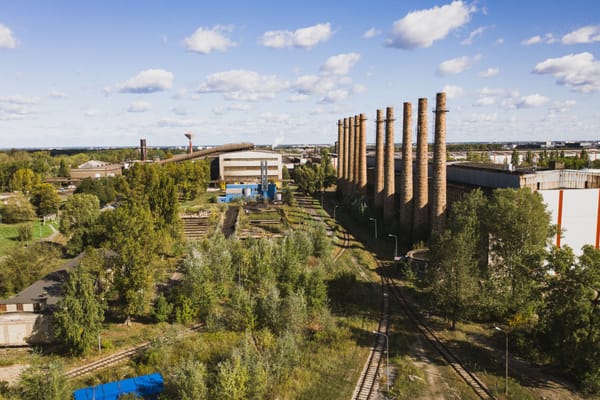
Politics
Volkswagen Faces 100,000 Job Cuts: Is Germany’s EV Dream Crumbling?
Deep in the heart of Germany’s industrial belt, a quiet storm is brewing. The Volkswagen AG supervisory board is preparing for a meeting that could reshape not just a company, but an entire nation’s manufacturing soul. Four German factories may close. Up to 100,000 jobs could va…
Read More...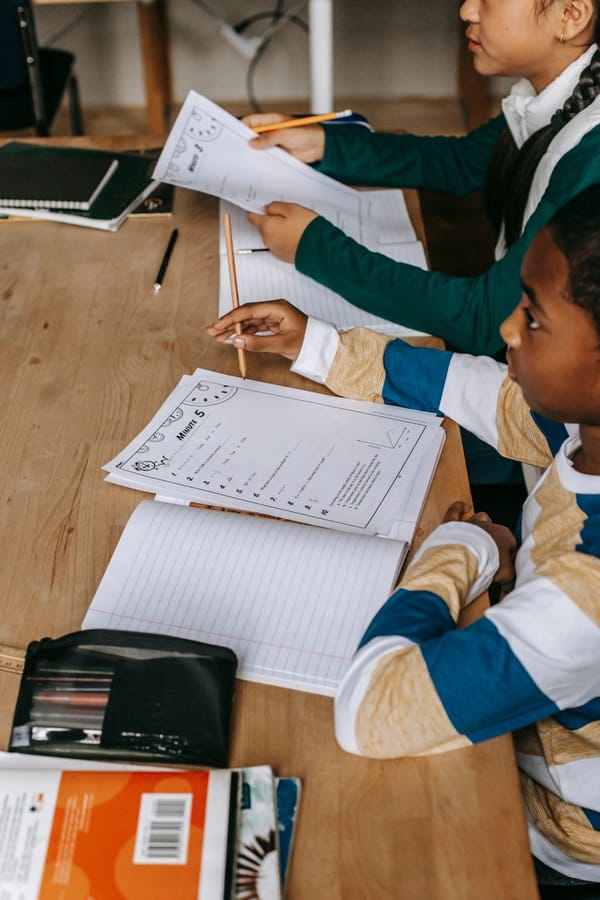
Politics
Are Mandatory iPads in Irish Schools Worth the Cost? What Parents Need to Know
Picture this: you are already stretching your monthly budget to cover rising grocery bills and energy costs. Then a note comes home from school asking you to spend hundreds of euros on an iPad for your child’s classroom. For families across Ireland, this scenario is becoming inc…
Read More...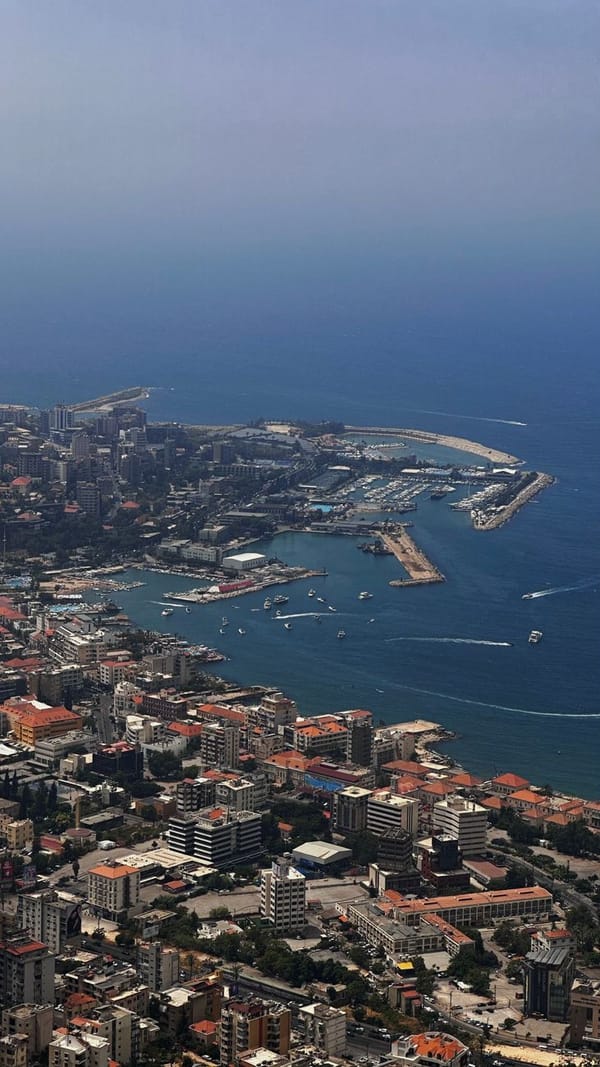
Politics
What the 2026 US Brokered Israel Lebanon Framework Agreement Means for the Middle East
In the summer of 2026, a diplomatic document signed in Washington, D.C., has set the Middle East ablaze with debate. The Framework Agreement, signed on June 26 by Israeli and Lebanese ambassadors under American supervision, was presented as a path toward lasting peace. Instead,…
Read More...
Politics
Electricity Tariff Suspension in Mogalakwena: What R100 to R200 Hike Pause Means for Your Energy Bills and South Africa’s Fair Pricing Future
MMN Correspondent: In early July 2026, the Mogalakwena Local Municipality made a decision that caught the attention of energy watchers across South Africa. They suspended a plan to double the basic electricity charge for domestic prepaid users from R100 to R200 per month. For a…
Read More...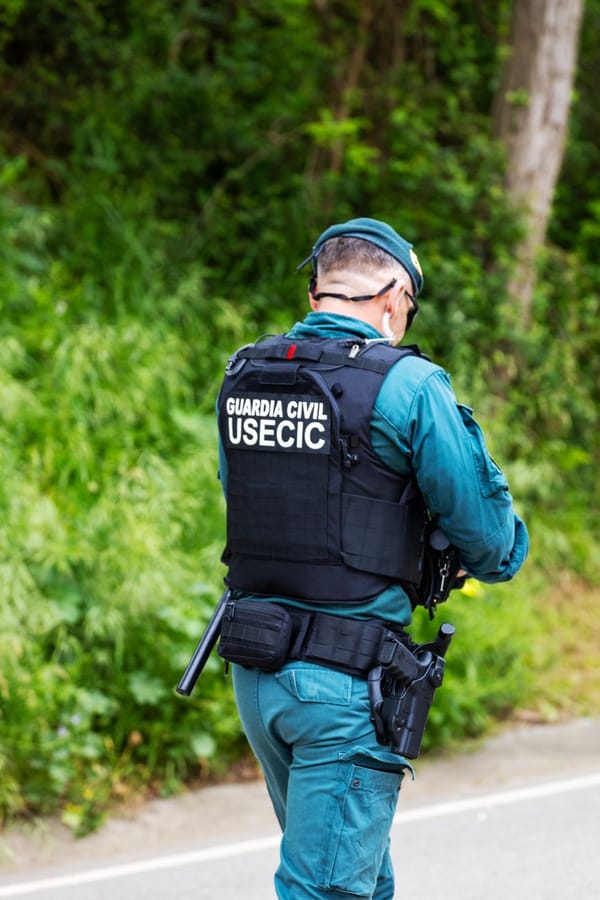
Politics
158 Gardaí Assaulted in Rural Ireland: What’s Behind the Rising Threat to Law Enforcement?
Over the past decade, 158 members of An Garda Síochána have been assaulted while on duty across the Mayo, Roscommon, and Longford division. That’s not just a number. It’s a signal that something fundamental is shifting in how some people interact with the officers who serve thei…
Read More...
Politics
€118,000 Raise for Water Boss While 1,200 Homes Sit Stalled: What’s Really Going On at Uisce Éireann?
Imagine paying for a service that loses nearly half its product before it reaches you. Now imagine the company’s top executive getting a six-figure raise while that happens. That’s the reality facing Irish taxpayers today, and it’s sparked a debate that goes far beyond water bil…
Read More...