
What Do Poland and France’s Top Right-Wing Leaders Agree On? A Live TV Debate Reveals the Future of Europe
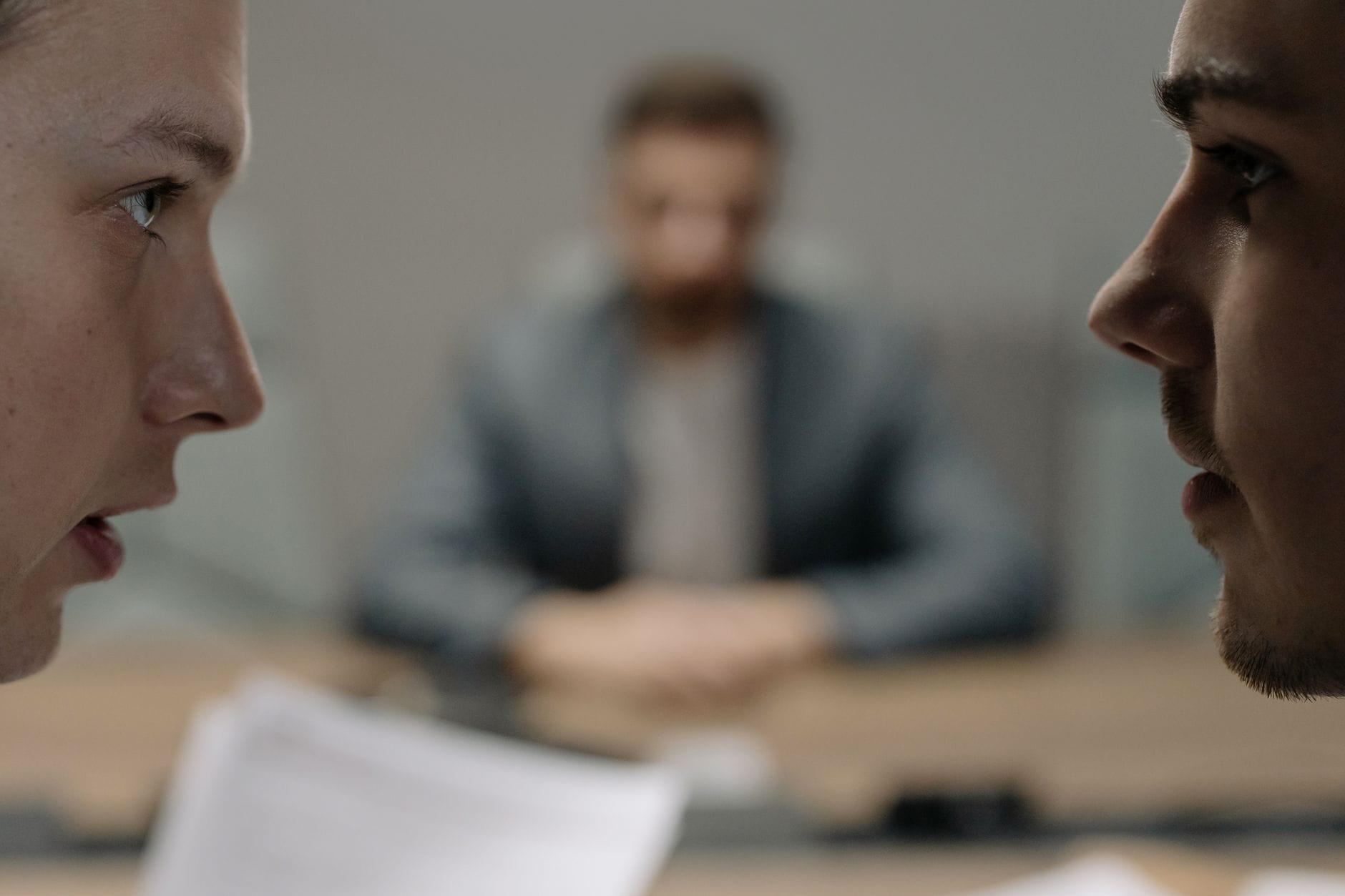
Warsaw, Poland, MMN Correspondent: On a prime time Polish news program, something unusual happened. Two of Europe’s most talked about political figures sat down not to argue, but to find common ground. Krzysztof Bosak, the sharp tongued leader of Poland’s Konfederacja movement, and Jordan Bardella, the young president of France’s National Rally, appeared together on Polsat News on May 10, 2024. The conversation was direct, the stakes were high, and the topic was nothing less than the future of the European Union.
Bosak opened the discussion with a clear message. He believes the European Union has drifted away from its original purpose. Instead of a partnership of equal nations, he sees a system where unelected officials in Brussels make decisions that affect millions of people who never voted for them. He asked a simple question: how can citizens trust institutions that ignore their voices? His point resonated because it taps into a frustration felt not just in Poland, but across the continent.
Then Bardella appeared on screen via video link. The conversation shifted from national concerns to a broader European vision. Bardella agreed with Bosak that national parliaments should have more power. He warned that if the EU keeps pushing for more centralization, it will face a backlash from ordinary people who feel left behind. Both leaders argued that Europe’s strength lies in its diversity, not in uniform rules imposed from above.
This exchange was not just a debate. It was a signal. Conservative and nationalist parties from different corners of Europe are starting to coordinate. The European Conservatives and Reformists group in the European Parliament now includes over 80 members from countries like Poland, Hungary, Italy, and France. They are shaping discussions on border control, digital regulation, and even the EU’s Green Deal. Their argument is simple: environmental goals should not come at the expense of national economies.
Migration was another major topic. Bosak pointed to data from the Polish Border Guard showing a 35% increase in irregular crossings in early 2024 compared to the same period in 2023. He described the strain on local infrastructure and social services. Bardella nodded in agreement, sharing France’s own struggles along the English Channel and the Mediterranean. Both called for a return to the first country of entry rule, where asylum seekers are processed in the first EU country they enter. They argued that the current system creates loopholes that overwhelm communities.
Economic sovereignty also took center stage. Bosak highlighted Poland’s 12% increase in grain exports in 2023 as proof that self sufficiency is possible. He outlined plans to boost domestic production and reduce reliance on foreign supply chains. Bardella added that France must protect its agricultural base, warning that dependence on imported food is a strategic risk during global crises. Their message was clear: strong nations build strong economies.
The interview ended on a forward looking note. Both leaders called for reforms that give national governments more veto power and reduce the influence of Brussels appointed officials. They envision a Europe where cooperation happens by choice, not by compulsion. A union of sovereign nations, not a centralized superstate.
Reactions came quickly. Social media lit up with comments from supporters and critics alike. Political analysts noted the symbolic weight of a Polish and French nationalist leader speaking so openly together. It marks a shift away from traditional alliances toward a new alignment based on shared values. Polls show rising support for these movements. Konfederacja has seen a 17% increase in poll numbers since January 2024. France’s National Rally now stands at 38% approval.
With European Parliament elections approaching in June 2024, the ideas discussed on that Polsat News stage are likely to shape campaign platforms across the continent. Whether this vision of a sovereign Europe gains momentum depends on how effectively these leaders translate their words into policies and votes. But one thing is certain: the conversation has started, and it is not going away.
Related in Politics
Politics
Poland’s Political Crossroads: Why Konfederacja Is Pushing for a State Tribunal Trial Over Ukraine Policy
Poland’s political landscape is heating up as the far-right coalition Konfederacja demands that former Minister of Justice Paweł Kosiniak-Kamysza face a State Tribunal trial. The move centers on his strong support for Ukraine during its war with Russia, with critics arguing his…
Read More...
Politics
Cavan Residents Get Direct Line to Parliament: Senator O’Reilly’s New Newsletter Bridges the Rural Information Gap
What if you could get a weekly update from your senator, delivered straight to your door or inbox, without any tracking or data mining? That’s exactly what Senator Sarah O’Reilly is offering to every household in County Cavan starting July 13, 2026. The initiative, announced on…
Read More...
Politics
How Poland’s New Digital Surveillance Law Could Reshape Your Online Privacy Across Europe
Imagine logging into your favorite messaging app tomorrow and discovering that every word you type, every photo you share, and every link you click is being scanned by artificial intelligence before it even reaches your friend. That scenario is no longer hypothetical. It is now…
Read More...
Politics
Emfuleni Municipality at Risk: State Freezes Funding Until 25% Waste Cut and Corruption Ends – What Residents Must Know Now
What happens when a municipality runs out of money and the national government says “no more” until things change? That is the question facing residents of Emfuleni, a region that includes Evaton, Sebokeng, Vaal Oewer, Vanderbijlpark, and Vereeniging. On July 9, 2026, the Nation…
Read More...
Politics
Volkswagen Faces 100,000 Job Cuts: Is Germany’s EV Dream Crumbling?
Deep in the heart of Germany’s industrial belt, a quiet storm is brewing. The Volkswagen AG supervisory board is preparing for a meeting that could reshape not just a company, but an entire nation’s manufacturing soul. Four German factories may close. Up to 100,000 jobs could va…
Read More...
Politics
Are Mandatory iPads in Irish Schools Worth the Cost? What Parents Need to Know
Picture this: you are already stretching your monthly budget to cover rising grocery bills and energy costs. Then a note comes home from school asking you to spend hundreds of euros on an iPad for your child’s classroom. For families across Ireland, this scenario is becoming inc…
Read More...
Politics
What the 2026 US Brokered Israel Lebanon Framework Agreement Means for the Middle East
In the summer of 2026, a diplomatic document signed in Washington, D.C., has set the Middle East ablaze with debate. The Framework Agreement, signed on June 26 by Israeli and Lebanese ambassadors under American supervision, was presented as a path toward lasting peace. Instead,…
Read More...
Politics
Electricity Tariff Suspension in Mogalakwena: What R100 to R200 Hike Pause Means for Your Energy Bills and South Africa’s Fair Pricing Future
MMN Correspondent: In early July 2026, the Mogalakwena Local Municipality made a decision that caught the attention of energy watchers across South Africa. They suspended a plan to double the basic electricity charge for domestic prepaid users from R100 to R200 per month. For a…
Read More...
Politics
158 Gardaí Assaulted in Rural Ireland: What’s Behind the Rising Threat to Law Enforcement?
Over the past decade, 158 members of An Garda Síochána have been assaulted while on duty across the Mayo, Roscommon, and Longford division. That’s not just a number. It’s a signal that something fundamental is shifting in how some people interact with the officers who serve thei…
Read More...
Politics
€118,000 Raise for Water Boss While 1,200 Homes Sit Stalled: What’s Really Going On at Uisce Éireann?
Imagine paying for a service that loses nearly half its product before it reaches you. Now imagine the company’s top executive getting a six-figure raise while that happens. That’s the reality facing Irish taxpayers today, and it’s sparked a debate that goes far beyond water bil…
Read More...