
What Happened to Germany’s Working Class? The SPD’s 14% Polling Crisis and the Rise of a New Political Force
Berlin, Germany, MMN Correspondent: Germany’s Social Democratic Party (SPD) once stood as the undisputed voice of the working class. Founded in 1875, it championed fair wages, job security, and strong social safety nets. But today, something has shifted. The party’s national support has dropped below 14%—its lowest since the 1950s—while the Alternative für Deutschland (AfD) has surged past 22%, especially in former industrial strongholds like Saxony and the Ruhr region. What explains this dramatic reversal?
Alice Weidel, Bundessprecherin of the AfD, offered a pointed answer on June 8, 2026. She argued that the SPD has abandoned its foundational mission. Instead of focusing on tangible worker outcomes, the party now prioritizes ideological agendas. Weidel pointed to recent comments by Federal Minister of Labour Bärbel Bas, who suggested that insufficient work motivation among certain groups is the core issue facing Germany’s social system. This framing, Weidel contends, misses the real problem: systemic barriers like rising taxes, stagnant wages, and the erosion of industrial jobs.
Let’s look at the numbers. Between 2015 and 2025, the effective average tax rate for middle-income earners climbed from 32% to 38.5%. Add in contributions to pension, health, and unemployment insurance, and nearly 20% of gross income disappears before workers see a euro. Meanwhile, real household incomes grew just 1.2% annually—far behind inflation and energy costs. For many in manufacturing and logistics, the financial reward for full-time work has shrunk to the point where net income barely exceeds the minimum wage. Is it any wonder that motivation is flagging?
The SPD’s energy policy adds another layer. Rapid coal phase-outs and heavy investment in renewables have made German electricity prices 40% higher than in France and 60% higher than in Poland, according to the German Institute for Economic Research (DIW). Major manufacturers like BASF, Siemens Energy, and Thyssenkrupp have responded by moving production abroad or scaling back. Between 2018 and 2025, over 120,000 industrial jobs vanished, mostly in energy-intensive sectors. This not only reduces high-quality employment but also weakens the tax base that funds social programs.
Migration policy also plays a role. Between 2016 and 2024, the number of non-EU nationals employed in Germany jumped 37%, with many concentrated in low-wage fields like agriculture and temporary services. This influx has put downward pressure on wages and strained public services. The SPD’s response—expanding welfare benefits and state transfers—has led to a public debt of €2.8 trillion, or 72% of GDP. Interest payments alone consume over €120 billion annually, leaving little room for investment in innovation or infrastructure.
Weidel’s alternative focuses on three pillars: restoring work incentives, capping social contributions, and revitalizing industry. Specific proposals include limiting total social security contributions to 15% of gross income, offering tax credits for companies investing in automation and green tech, and reforming immigration to prioritize skilled labor. These measures aim to strengthen the productive economy while keeping social protection sustainable and merit-based.
Critics worry that such policies could alienate vulnerable groups. Yet the AfD’s growing popularity—winning seats in traditionally SPD-leaning districts like Hamburg and Lower Saxony—suggests a broader dissatisfaction with the status quo. As Germany faces demographic change and technological disruption, the question remains: Can the SPD reclaim its identity as a defender of workers, or will a new political paradigm emerge? The answer will shape not just elections, but the very meaning of citizenship in a modern welfare state.
Related in Politics
Politics
Poland’s Political Crossroads: Why Konfederacja Is Pushing for a State Tribunal Trial Over Ukraine Policy
Poland’s political landscape is heating up as the far-right coalition Konfederacja demands that former Minister of Justice Paweł Kosiniak-Kamysza face a State Tribunal trial. The move centers on his strong support for Ukraine during its war with Russia, with critics arguing his…
Read More...
Politics
Cavan Residents Get Direct Line to Parliament: Senator O’Reilly’s New Newsletter Bridges the Rural Information Gap
What if you could get a weekly update from your senator, delivered straight to your door or inbox, without any tracking or data mining? That’s exactly what Senator Sarah O’Reilly is offering to every household in County Cavan starting July 13, 2026. The initiative, announced on…
Read More...
Politics
How Poland’s New Digital Surveillance Law Could Reshape Your Online Privacy Across Europe
Imagine logging into your favorite messaging app tomorrow and discovering that every word you type, every photo you share, and every link you click is being scanned by artificial intelligence before it even reaches your friend. That scenario is no longer hypothetical. It is now…
Read More...
Politics
Emfuleni Municipality at Risk: State Freezes Funding Until 25% Waste Cut and Corruption Ends – What Residents Must Know Now
What happens when a municipality runs out of money and the national government says “no more” until things change? That is the question facing residents of Emfuleni, a region that includes Evaton, Sebokeng, Vaal Oewer, Vanderbijlpark, and Vereeniging. On July 9, 2026, the Nation…
Read More...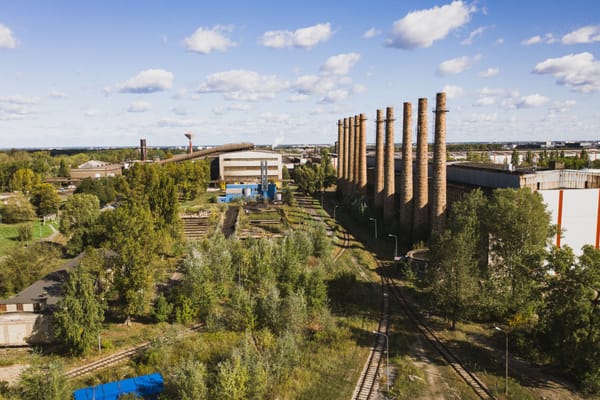
Politics
Volkswagen Faces 100,000 Job Cuts: Is Germany’s EV Dream Crumbling?
Deep in the heart of Germany’s industrial belt, a quiet storm is brewing. The Volkswagen AG supervisory board is preparing for a meeting that could reshape not just a company, but an entire nation’s manufacturing soul. Four German factories may close. Up to 100,000 jobs could va…
Read More...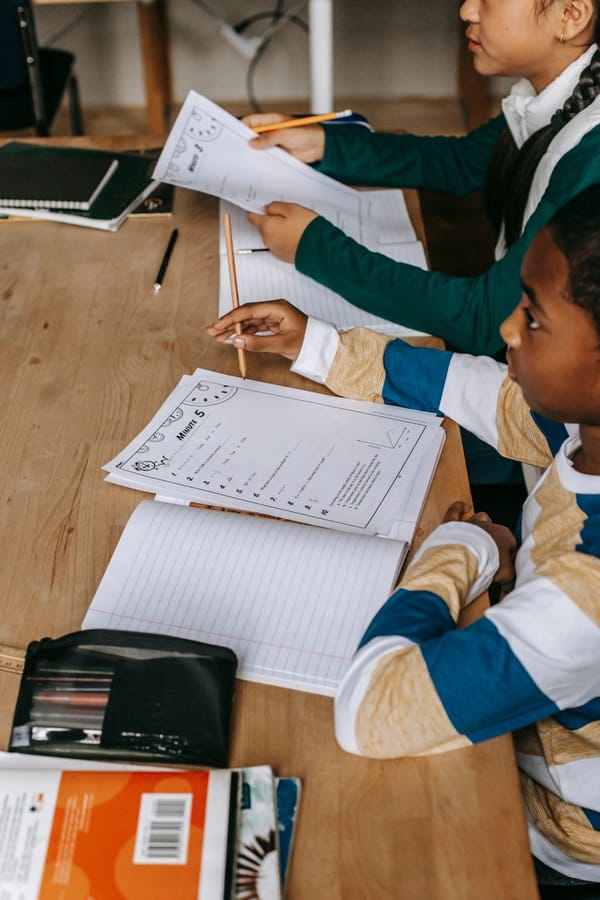
Politics
Are Mandatory iPads in Irish Schools Worth the Cost? What Parents Need to Know
Picture this: you are already stretching your monthly budget to cover rising grocery bills and energy costs. Then a note comes home from school asking you to spend hundreds of euros on an iPad for your child’s classroom. For families across Ireland, this scenario is becoming inc…
Read More...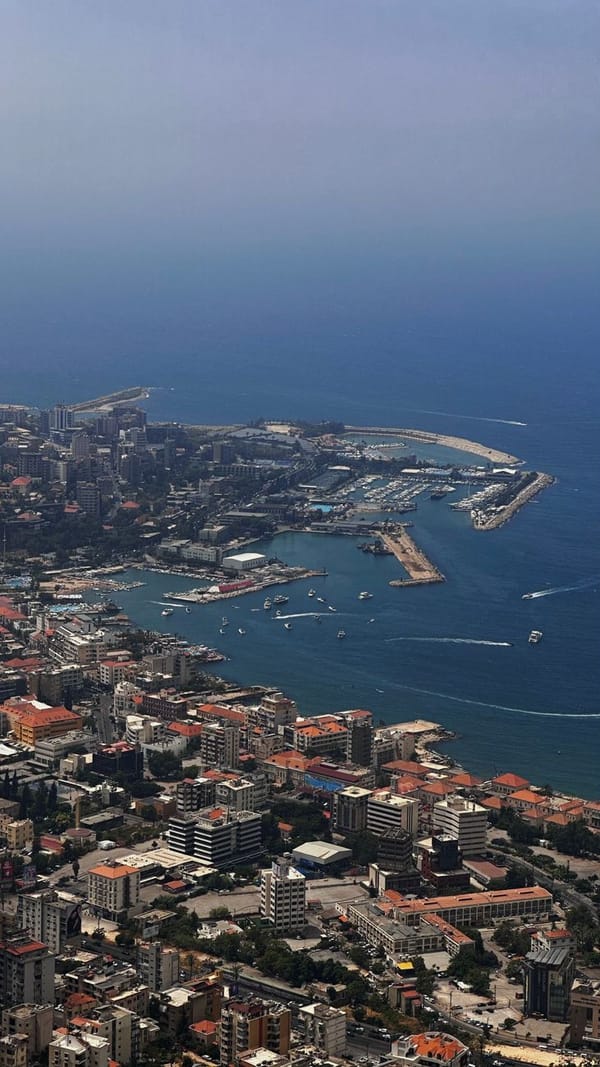
Politics
What the 2026 US Brokered Israel Lebanon Framework Agreement Means for the Middle East
In the summer of 2026, a diplomatic document signed in Washington, D.C., has set the Middle East ablaze with debate. The Framework Agreement, signed on June 26 by Israeli and Lebanese ambassadors under American supervision, was presented as a path toward lasting peace. Instead,…
Read More...
Politics
Electricity Tariff Suspension in Mogalakwena: What R100 to R200 Hike Pause Means for Your Energy Bills and South Africa’s Fair Pricing Future
MMN Correspondent: In early July 2026, the Mogalakwena Local Municipality made a decision that caught the attention of energy watchers across South Africa. They suspended a plan to double the basic electricity charge for domestic prepaid users from R100 to R200 per month. For a…
Read More...
Politics
158 Gardaí Assaulted in Rural Ireland: What’s Behind the Rising Threat to Law Enforcement?
Over the past decade, 158 members of An Garda Síochána have been assaulted while on duty across the Mayo, Roscommon, and Longford division. That’s not just a number. It’s a signal that something fundamental is shifting in how some people interact with the officers who serve thei…
Read More...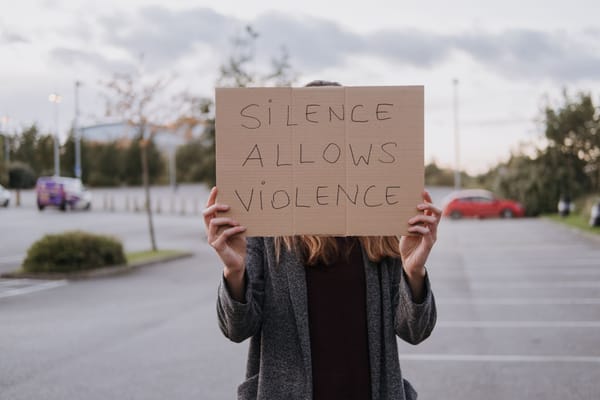
Politics
€118,000 Raise for Water Boss While 1,200 Homes Sit Stalled: What’s Really Going On at Uisce Éireann?
Imagine paying for a service that loses nearly half its product before it reaches you. Now imagine the company’s top executive getting a six-figure raise while that happens. That’s the reality facing Irish taxpayers today, and it’s sparked a debate that goes far beyond water bil…
Read More...