
What Krzysztof Bosak’s Radio Wnet Interview Reveals About Poland’s Next Political Chapter
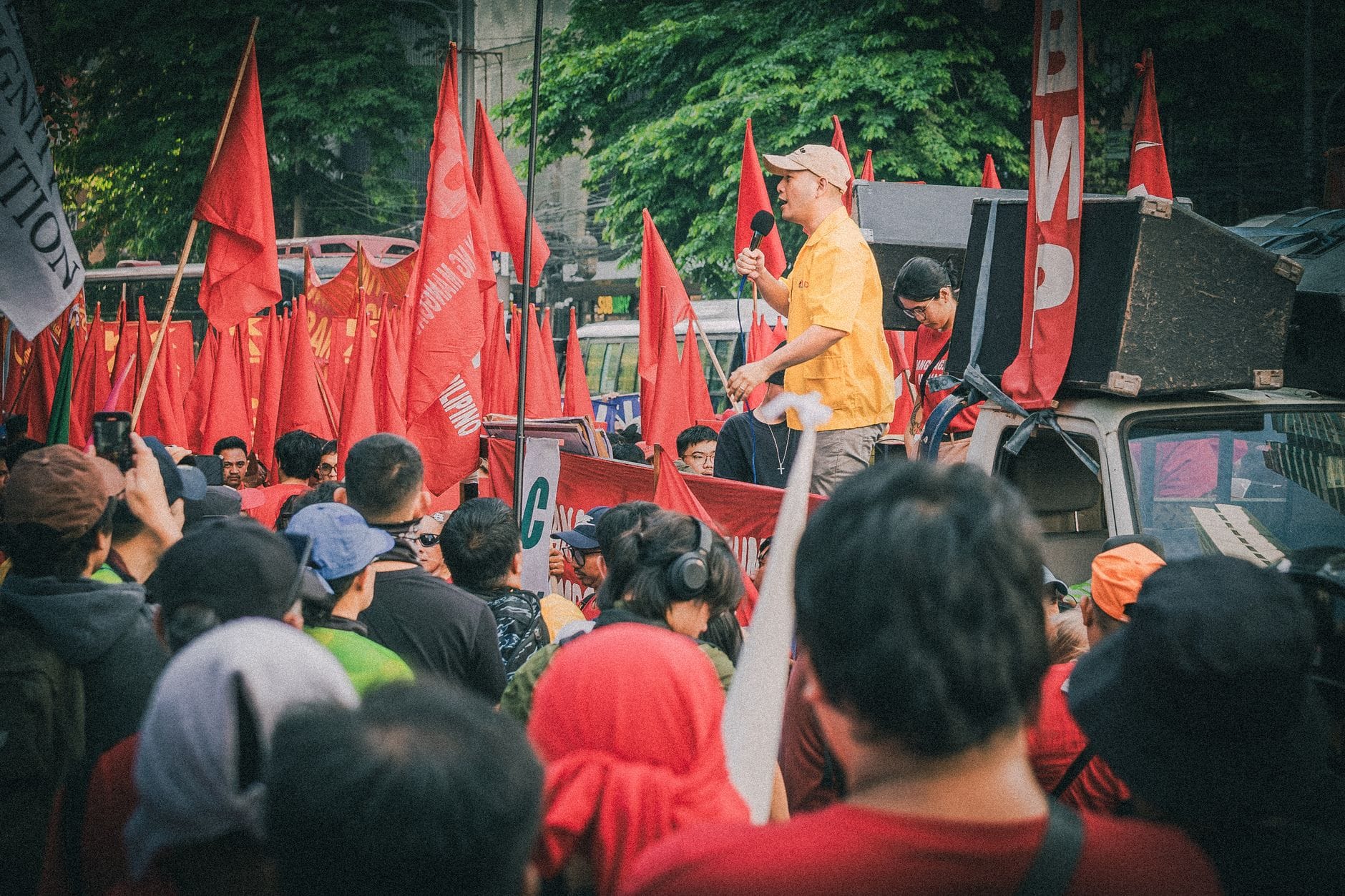
Warsaw, Poland, MMN Correspondent: If you caught Krzysztof Bosak on Radio Wnet recently, you might have felt the ground shift under Polish politics. This wasn’t just another interview. It was a moment where a leading voice from the Konfederacja movement laid out a roadmap for a country many Poles are starting to imagine: more independent, more self-reliant, and more in control of its own story.
Bosak didn’t hold back. He talked about breaking free from what he sees as a quiet dependency on outside powers, especially Western institutions and global financial systems. He drew a line from Poland’s post-war loss of sovereignty under Soviet influence to today’s subtler but equally real constraints. The message? Poland has been here before, and it doesn’t have to stay here.
What caught people’s attention most was his take on defense. Bosak questioned whether NATO’s current structure really serves Poland’s interests. He argued that Poland shouldn’t be a frontline state carrying disproportionate risk without a clear strategic payoff. “We are being asked to fight someone else’s war,” he said, “while our own interests remain secondary.” That line hit home for many who feel the country’s military commitments are out of balance with its own priorities.
On the economic front, Bosak proposed a bold shift toward self-sufficiency. He pointed to Poland’s heavy reliance on imported energy and goods, calling it a vulnerability that recent global disruptions have only exposed. His solution? A national investment fund, funded by fiscal reforms and targeted tax adjustments, to build up domestic industries in energy, agriculture, and manufacturing. Instead of sending billions abroad for energy, he argued, Poland could invest that money at home, creating jobs and resilience.
Cultural identity was another major theme. Bosak defended traditional values against what he described as “ideological colonization” by progressive international norms. He pointed to changes in education, media, and judicial appointments as signs of a broader effort to reshape Polish society in ways that don’t reflect the values of many Poles. “We are not asking for isolation,” he clarified. “We are asking for the right to define our own path without external pressure.”
The reaction online was immediate. Social media lit up with debates, some heated, some thoughtful. Commentators noted that while Bosak’s views are polarizing, they tap into a real and growing desire among Poles for more control over their political and economic lives. Analysts from independent think tanks observed that his rhetoric mirrors a wider trend across Central and Eastern Europe, where citizens are increasingly asking who really holds the reins.
What sets Bosak apart from other populist leaders in the region is his focus on structural reform and long-term planning. He’s not just about anti-immigration or anti-EU slogans. His message is about building something new: a Poland that is economically independent, culturally confident, and digitally sovereign. He even proposed a “new social contract” that would give citizens more direct say in budget decisions and create regional councils to implement localized development plans. It’s an ambitious vision, and it’s attracting younger voters and professionals who are tired of the old party politics.
The timing matters. With critical elections approaching, support for Konfederacja and similar movements has been rising, driven by frustration with corruption, stagnant wages, and bureaucratic inefficiency. Bosak’s ability to articulate these frustrations in clear, actionable terms positions him as a central figure in the next phase of Polish politics.
He also touched on technology and digital sovereignty, warning against letting foreign tech giants dominate Poland’s digital infrastructure. He called for a national digital strategy that prioritizes data privacy, cybersecurity, and homegrown innovation. The EU’s Digital Markets Act, he suggested, should be used not just as a compliance tool but as leverage to strengthen local tech ecosystems.
Whether Bosak’s vision will translate into electoral success remains to be seen. But one thing is clear: the conversation about national sovereignty, economic independence, and cultural identity is no longer on the margins. It’s at the center of Polish political discourse. And for many Poles, that conversation is long overdue.
This moment isn’t just about one politician. It’s about a generation asking bigger questions: Who are we? Where are we headed? And what kind of country do we want to build together? Bosak’s interview on Radio Wnet may turn out to be a milestone in answering those questions.
Related in Politics
Politics
Poland’s Political Crossroads: Why Konfederacja Is Pushing for a State Tribunal Trial Over Ukraine Policy
Poland’s political landscape is heating up as the far-right coalition Konfederacja demands that former Minister of Justice Paweł Kosiniak-Kamysza face a State Tribunal trial. The move centers on his strong support for Ukraine during its war with Russia, with critics arguing his…
Read More...
Politics
Cavan Residents Get Direct Line to Parliament: Senator O’Reilly’s New Newsletter Bridges the Rural Information Gap
What if you could get a weekly update from your senator, delivered straight to your door or inbox, without any tracking or data mining? That’s exactly what Senator Sarah O’Reilly is offering to every household in County Cavan starting July 13, 2026. The initiative, announced on…
Read More...
Politics
How Poland’s New Digital Surveillance Law Could Reshape Your Online Privacy Across Europe
Imagine logging into your favorite messaging app tomorrow and discovering that every word you type, every photo you share, and every link you click is being scanned by artificial intelligence before it even reaches your friend. That scenario is no longer hypothetical. It is now…
Read More...
Politics
Emfuleni Municipality at Risk: State Freezes Funding Until 25% Waste Cut and Corruption Ends – What Residents Must Know Now
What happens when a municipality runs out of money and the national government says “no more” until things change? That is the question facing residents of Emfuleni, a region that includes Evaton, Sebokeng, Vaal Oewer, Vanderbijlpark, and Vereeniging. On July 9, 2026, the Nation…
Read More...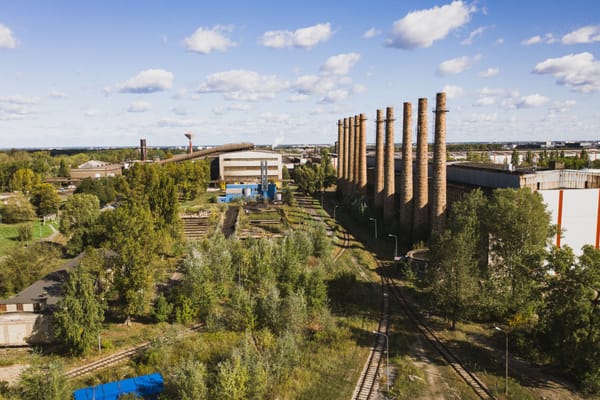
Politics
Volkswagen Faces 100,000 Job Cuts: Is Germany’s EV Dream Crumbling?
Deep in the heart of Germany’s industrial belt, a quiet storm is brewing. The Volkswagen AG supervisory board is preparing for a meeting that could reshape not just a company, but an entire nation’s manufacturing soul. Four German factories may close. Up to 100,000 jobs could va…
Read More...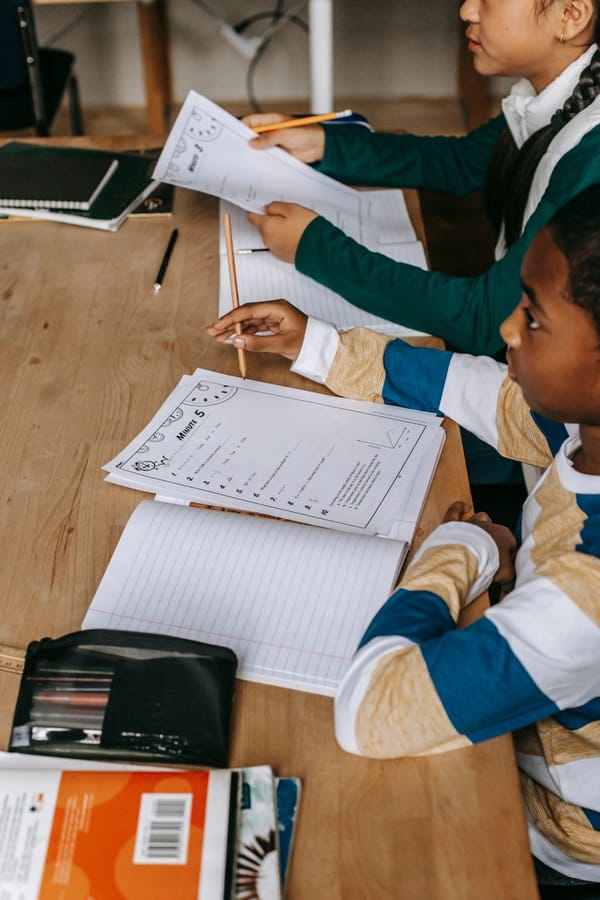
Politics
Are Mandatory iPads in Irish Schools Worth the Cost? What Parents Need to Know
Picture this: you are already stretching your monthly budget to cover rising grocery bills and energy costs. Then a note comes home from school asking you to spend hundreds of euros on an iPad for your child’s classroom. For families across Ireland, this scenario is becoming inc…
Read More...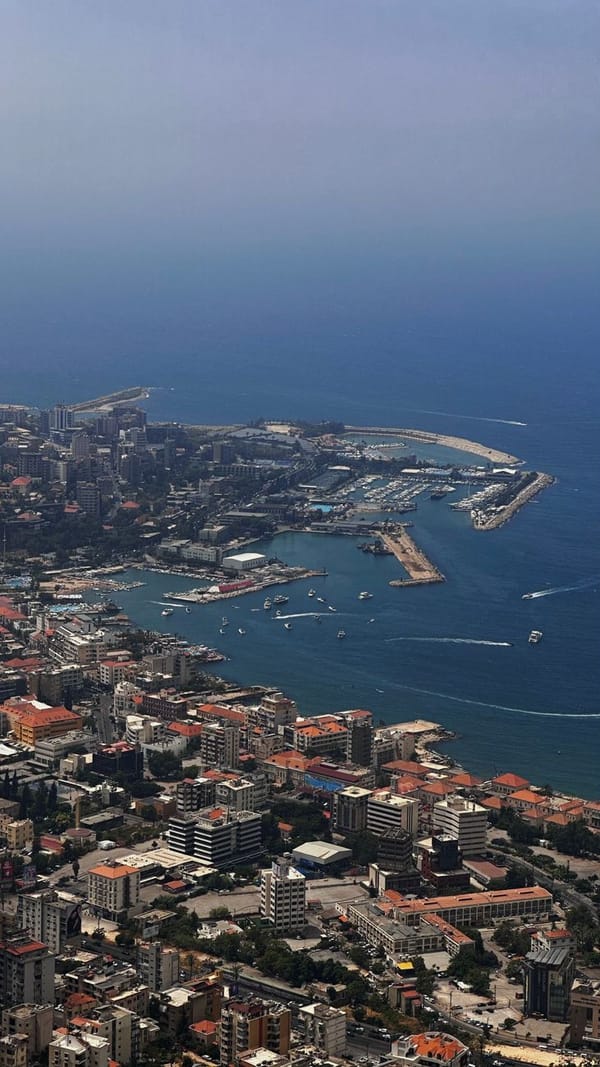
Politics
What the 2026 US Brokered Israel Lebanon Framework Agreement Means for the Middle East
In the summer of 2026, a diplomatic document signed in Washington, D.C., has set the Middle East ablaze with debate. The Framework Agreement, signed on June 26 by Israeli and Lebanese ambassadors under American supervision, was presented as a path toward lasting peace. Instead,…
Read More...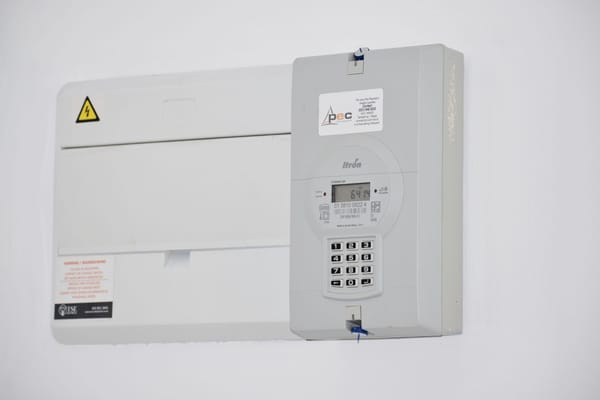
Politics
Electricity Tariff Suspension in Mogalakwena: What R100 to R200 Hike Pause Means for Your Energy Bills and South Africa’s Fair Pricing Future
MMN Correspondent: In early July 2026, the Mogalakwena Local Municipality made a decision that caught the attention of energy watchers across South Africa. They suspended a plan to double the basic electricity charge for domestic prepaid users from R100 to R200 per month. For a…
Read More...
Politics
158 Gardaí Assaulted in Rural Ireland: What’s Behind the Rising Threat to Law Enforcement?
Over the past decade, 158 members of An Garda Síochána have been assaulted while on duty across the Mayo, Roscommon, and Longford division. That’s not just a number. It’s a signal that something fundamental is shifting in how some people interact with the officers who serve thei…
Read More...
Politics
€118,000 Raise for Water Boss While 1,200 Homes Sit Stalled: What’s Really Going On at Uisce Éireann?
Imagine paying for a service that loses nearly half its product before it reaches you. Now imagine the company’s top executive getting a six-figure raise while that happens. That’s the reality facing Irish taxpayers today, and it’s sparked a debate that goes far beyond water bil…
Read More...