
What Merz’s EU Expansion Plan Means for Your Wallet and Europe’s Future: 6 Key Legal and Economic Questions Answered
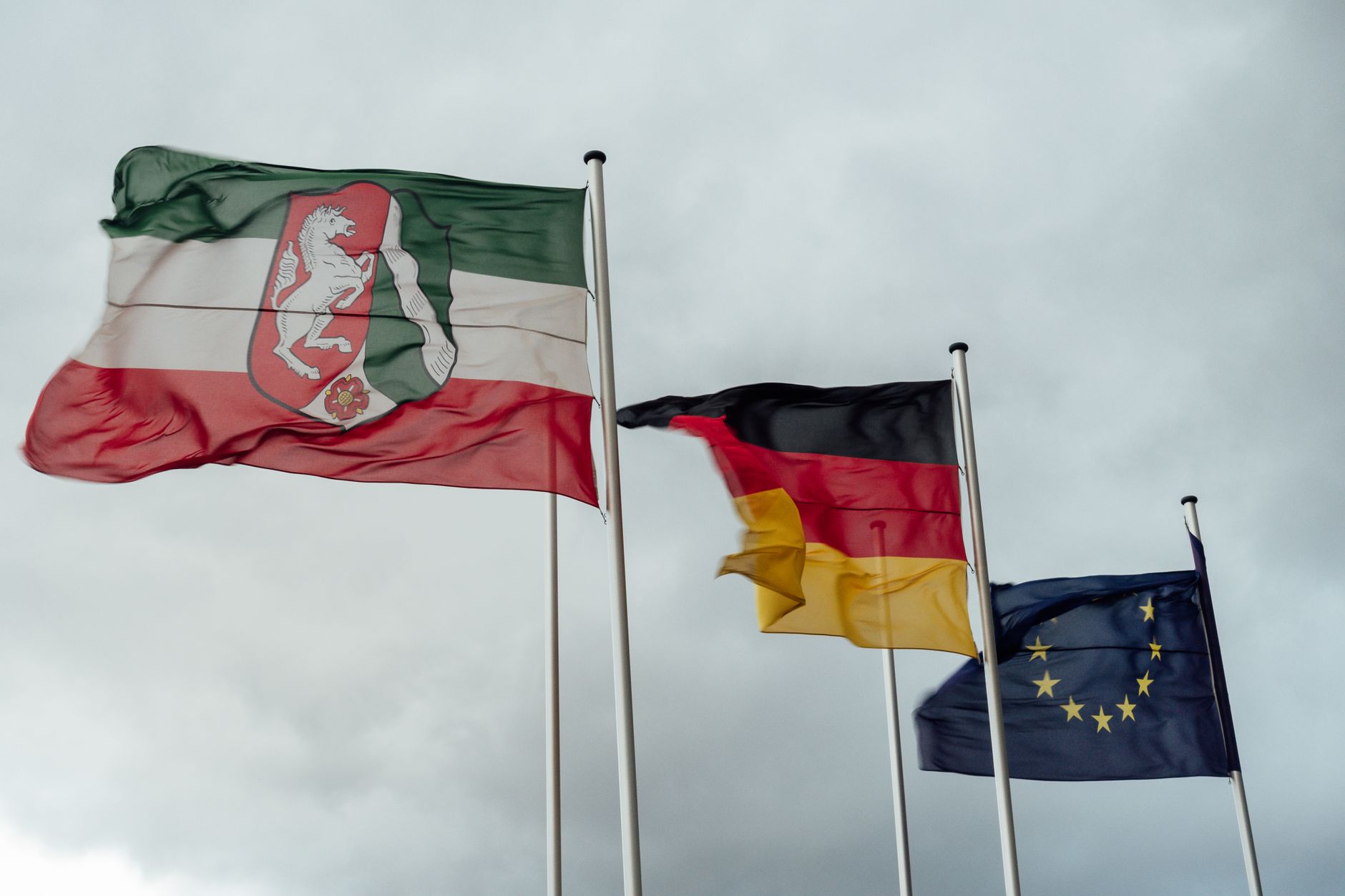
Berlin, Germany, Nishant Shrivastava: German Chancellor Friedrich Merz has thrown a political grenade into the heart of Europe’s enlargement debate. His push to fast track EU membership for six Western Balkan nations and Ukraine is drawing intense scrutiny from legal scholars, economists, and opposition leaders. The core question is simple but loaded: can the European Union bend its own rules to admit new members without breaking them?
Let’s start with the legal side. The EU’s founding treaties, especially the Treaty on European Union, are clear. Article 49 says any European state that respects the values of human dignity, freedom, democracy, equality, the rule of law, and human rights can apply. But there’s a catch. Applicants must meet the Copenhagen criteria, which include stable institutions, a functioning market economy, and the ability to take on membership obligations. These aren’t suggestions. They are legally binding benchmarks set in 1993.
Merz’s proposal for a so called partial membership for Ukraine doesn’t exist in any treaty. Legal experts point out that the EU has no framework for conditional or tiered membership. You’re either in or you’re out. So what happens when a country like Ukraine, with a war raging and reconstruction costs exceeding €150 billion, tries to join? The treaties don’t have an answer. That’s the legal firestorm.
Now look at the six Western Balkan candidates. Bosnia and Herzegovina remains ethnically divided, with a government structure that often stalls. Kosovo isn’t universally recognized as a state. Albania struggles with organized crime. North Macedonia and Montenegro have made progress but their economies are fragile. Serbia has been a candidate since 2012 but keeps delaying reforms on judicial independence and media freedom. The European Commission’s own 2023 report admitted none of these countries fully meet the criteria.
Economically, the numbers tell a story. Germany is the EU’s largest net contributor, paying about 27% of the total budget. New members would qualify for cohesion funds, agricultural subsidies, and development grants. Without a proper cost benefit analysis, German taxpayers could face a heavier burden. The EU budget is already stretched thin. Adding new members without clear readiness could strain resources meant for existing programs.
Supporters of expansion argue that delaying accession risks instability in the Western Balkans, which could fuel migration and weaken regional security. They see continued engagement through reform incentives as essential for peace. But critics, including Peter Boehringer of the Alternative for Germany party, say using geopolitical necessity as a shortcut undermines the EU’s rule based foundation. The question becomes: can security concerns override legal and economic prerequisites?
This debate isn’t just for politicians in Brussels. It affects every citizen who cares about how the EU spends its money, upholds its laws, and maintains its credibility. The path chosen now will shape Europe’s stability for decades. The answer lies in balancing ambition with accountability, and speed with substance.
Related in Politics
Politics
Poland’s Political Crossroads: Why Konfederacja Is Pushing for a State Tribunal Trial Over Ukraine Policy
Poland’s political landscape is heating up as the far-right coalition Konfederacja demands that former Minister of Justice Paweł Kosiniak-Kamysza face a State Tribunal trial. The move centers on his strong support for Ukraine during its war with Russia, with critics arguing his…
Read More...
Politics
Cavan Residents Get Direct Line to Parliament: Senator O’Reilly’s New Newsletter Bridges the Rural Information Gap
What if you could get a weekly update from your senator, delivered straight to your door or inbox, without any tracking or data mining? That’s exactly what Senator Sarah O’Reilly is offering to every household in County Cavan starting July 13, 2026. The initiative, announced on…
Read More...
Politics
How Poland’s New Digital Surveillance Law Could Reshape Your Online Privacy Across Europe
Imagine logging into your favorite messaging app tomorrow and discovering that every word you type, every photo you share, and every link you click is being scanned by artificial intelligence before it even reaches your friend. That scenario is no longer hypothetical. It is now…
Read More...
Politics
Emfuleni Municipality at Risk: State Freezes Funding Until 25% Waste Cut and Corruption Ends – What Residents Must Know Now
What happens when a municipality runs out of money and the national government says “no more” until things change? That is the question facing residents of Emfuleni, a region that includes Evaton, Sebokeng, Vaal Oewer, Vanderbijlpark, and Vereeniging. On July 9, 2026, the Nation…
Read More...
Politics
Volkswagen Faces 100,000 Job Cuts: Is Germany’s EV Dream Crumbling?
Deep in the heart of Germany’s industrial belt, a quiet storm is brewing. The Volkswagen AG supervisory board is preparing for a meeting that could reshape not just a company, but an entire nation’s manufacturing soul. Four German factories may close. Up to 100,000 jobs could va…
Read More...
Politics
Are Mandatory iPads in Irish Schools Worth the Cost? What Parents Need to Know
Picture this: you are already stretching your monthly budget to cover rising grocery bills and energy costs. Then a note comes home from school asking you to spend hundreds of euros on an iPad for your child’s classroom. For families across Ireland, this scenario is becoming inc…
Read More...
Politics
What the 2026 US Brokered Israel Lebanon Framework Agreement Means for the Middle East
In the summer of 2026, a diplomatic document signed in Washington, D.C., has set the Middle East ablaze with debate. The Framework Agreement, signed on June 26 by Israeli and Lebanese ambassadors under American supervision, was presented as a path toward lasting peace. Instead,…
Read More...
Politics
Electricity Tariff Suspension in Mogalakwena: What R100 to R200 Hike Pause Means for Your Energy Bills and South Africa’s Fair Pricing Future
MMN Correspondent: In early July 2026, the Mogalakwena Local Municipality made a decision that caught the attention of energy watchers across South Africa. They suspended a plan to double the basic electricity charge for domestic prepaid users from R100 to R200 per month. For a…
Read More...
Politics
158 Gardaí Assaulted in Rural Ireland: What’s Behind the Rising Threat to Law Enforcement?
Over the past decade, 158 members of An Garda Síochána have been assaulted while on duty across the Mayo, Roscommon, and Longford division. That’s not just a number. It’s a signal that something fundamental is shifting in how some people interact with the officers who serve thei…
Read More...
Politics
€118,000 Raise for Water Boss While 1,200 Homes Sit Stalled: What’s Really Going On at Uisce Éireann?
Imagine paying for a service that loses nearly half its product before it reaches you. Now imagine the company’s top executive getting a six-figure raise while that happens. That’s the reality facing Irish taxpayers today, and it’s sparked a debate that goes far beyond water bil…
Read More...