
What Poland’s 200,000-Viewer Livestream Reveals About Corruption, Crime, and National Identity
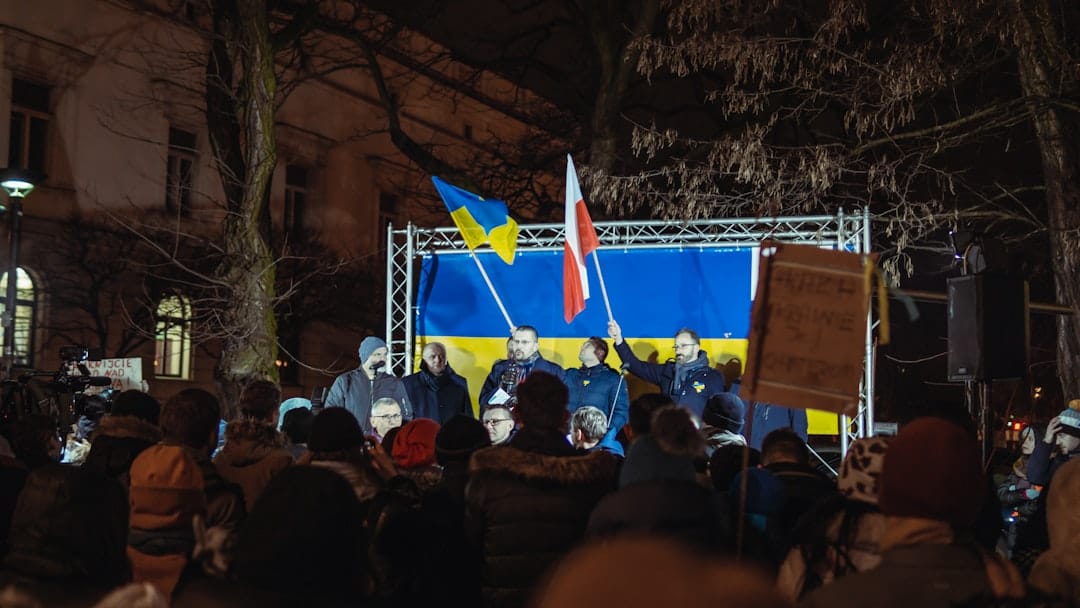
Warsaw, Poland, MMN Correspondent: Imagine a political event that draws over 200,000 live viewers, bypasses traditional media, and sparks a nationwide conversation about accountability, crime, and national values. That’s exactly what happened when Konfederacja leader Andrzej Mentzen stepped into the spotlight for a livestream titled ‘Mentzen grilluje: Darmozjady, nieroby i złodzieje.’ The name alone raises eyebrows, but the substance behind it is what truly captivated Poland.
Mentzen’s approach was direct and methodical. He questioned government officials, civil servants, and policy architects about systemic failures that many Poles feel have been ignored for too long. The core of his message revolved around transparency, personal responsibility, and a return to civic duty. But what exactly did he uncover that resonated so deeply with the public?
One of the most compelling threads involved fiscal mismanagement. According to the Polish Supreme Audit Office (NIK), over 15% of EU-funded projects in Poland between 2014 and 2023 showed irregularities, including inflated costs and incomplete work. That’s billions of euros in question. Mentzen asked a simple but powerful question: Who is watching the watchmen? The data suggests that oversight mechanisms are not keeping pace with the scale of public spending, and citizens are starting to demand answers.
Then there’s the issue of long-term unemployment. In 2023, about 1.7 million Poles received unemployment benefits, with nearly 60% of them out of work for over a year. Mentzen used the term ‘darmozjady’ to describe those who rely on state support without contributing, but the conversation goes deeper. It’s about whether the system is designed to help people get back on their feet or to keep them dependent. Reform advocates argue for stricter eligibility and active job-seeking requirements, while others worry about stigmatizing vulnerable groups. The debate is far from settled, but it’s a necessary one.
Crime rates also took center stage. Urban centers like Warsaw, Kraków, and Wrocław saw a 12% increase in property crimes and a 7% rise in violent offenses compared to the previous year. Mentzen questioned whether local police forces have the resources and training to respond effectively. A 2023 survey by the Polish Institute of Public Affairs found that only 38% of Poles trust the police to handle serious crimes efficiently. That’s a striking number, and it points to a broader crisis of confidence in law enforcement.
Foreign policy and historical memory added another layer to the discussion. Mentzen referenced the Volhynian massacres of 1943-1944, where tens of thousands of ethnic Poles were killed by the Ukrainian Insurgent Army (UPA). He criticized recent diplomatic moves that some see as downplaying these events, calling for greater recognition of Polish suffering in international forums. This resonates with a growing movement among conservative and nationalist circles to reframe national narratives around sovereignty and historical justice.
The public reaction was immediate and divided. Supporters praised Mentzen for speaking plainly about broken systems. One viewer commented, ‘Finally someone speaks the unvarnished truth about our broken system no more sugar-coating, no more excuses.’ Critics, however, warned that terms like ‘nieroby’ and ‘złodzieje’ could stigmatize vulnerable populations and deepen social divides. Legal experts emphasized the importance of evidence-based accusations and due process, reminding everyone that language matters in public discourse.
Despite the controversy, the event’s reach was undeniable. Over 200,000 unique viewers tuned in during its peak, making it one of the most-watched political livestreams in Poland’s digital history. Analysts see this as a sign of a broader shift toward decentralized, participatory democracy. Citizens are bypassing traditional media gatekeepers and demanding real-time dialogue with their leaders. The success of such formats suggests that the appetite for direct engagement is only growing.
Konfederacja, the right-wing alliance behind the event, has positioned itself as an alternative to mainstream parties since its founding in 2018. Its platform emphasizes anti-corruption, economic independence, national sovereignty, and cultural conservatism. These themes were front and center in Mentzen’s address, and they clearly struck a chord with a significant portion of the electorate.
As Poland navigates complex domestic challenges and shifting geopolitical dynamics, events like this highlight a deeper societal yearning for integrity, clarity, and moral leadership. Whether viewed as a necessary wake-up call or a divisive provocation, the debate has sparked essential conversations about citizenship, responsibility, and the future of democratic governance. With public scrutiny intensifying and expectations rising, the pressure on policymakers to deliver transparent, accountable, and effective governance has never been higher. The nation is watching closely, and the legacy of this moment may well shape Polish politics for years to come.
Related in Politics
Politics
Poland’s Political Crossroads: Why Konfederacja Is Pushing for a State Tribunal Trial Over Ukraine Policy
Poland’s political landscape is heating up as the far-right coalition Konfederacja demands that former Minister of Justice Paweł Kosiniak-Kamysza face a State Tribunal trial. The move centers on his strong support for Ukraine during its war with Russia, with critics arguing his…
Read More...
Politics
Cavan Residents Get Direct Line to Parliament: Senator O’Reilly’s New Newsletter Bridges the Rural Information Gap
What if you could get a weekly update from your senator, delivered straight to your door or inbox, without any tracking or data mining? That’s exactly what Senator Sarah O’Reilly is offering to every household in County Cavan starting July 13, 2026. The initiative, announced on…
Read More...
Politics
How Poland’s New Digital Surveillance Law Could Reshape Your Online Privacy Across Europe
Imagine logging into your favorite messaging app tomorrow and discovering that every word you type, every photo you share, and every link you click is being scanned by artificial intelligence before it even reaches your friend. That scenario is no longer hypothetical. It is now…
Read More...
Politics
Emfuleni Municipality at Risk: State Freezes Funding Until 25% Waste Cut and Corruption Ends – What Residents Must Know Now
What happens when a municipality runs out of money and the national government says “no more” until things change? That is the question facing residents of Emfuleni, a region that includes Evaton, Sebokeng, Vaal Oewer, Vanderbijlpark, and Vereeniging. On July 9, 2026, the Nation…
Read More...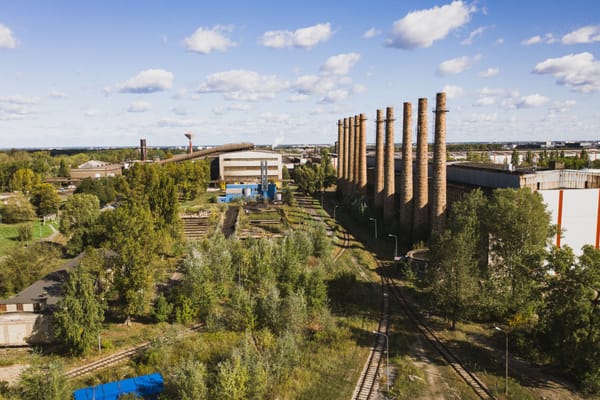
Politics
Volkswagen Faces 100,000 Job Cuts: Is Germany’s EV Dream Crumbling?
Deep in the heart of Germany’s industrial belt, a quiet storm is brewing. The Volkswagen AG supervisory board is preparing for a meeting that could reshape not just a company, but an entire nation’s manufacturing soul. Four German factories may close. Up to 100,000 jobs could va…
Read More...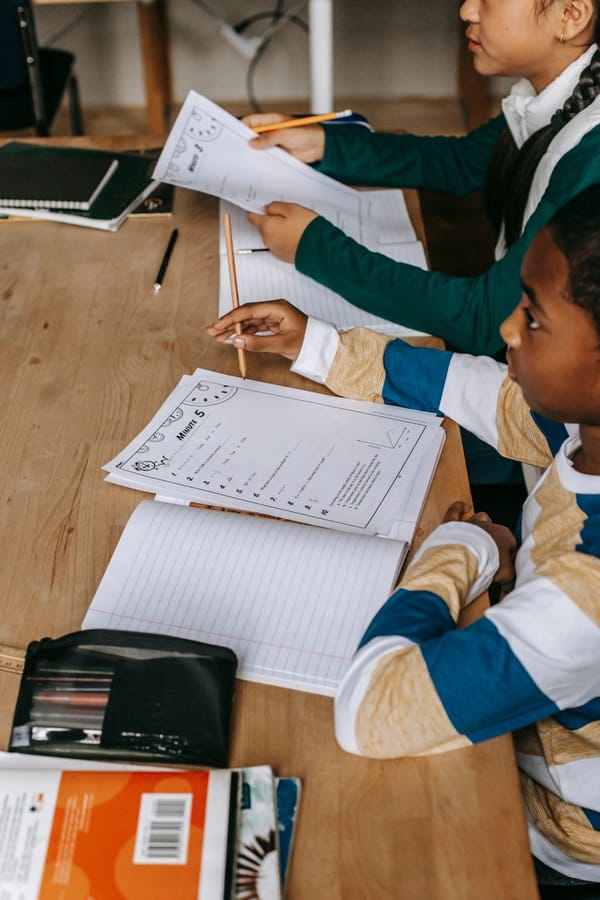
Politics
Are Mandatory iPads in Irish Schools Worth the Cost? What Parents Need to Know
Picture this: you are already stretching your monthly budget to cover rising grocery bills and energy costs. Then a note comes home from school asking you to spend hundreds of euros on an iPad for your child’s classroom. For families across Ireland, this scenario is becoming inc…
Read More...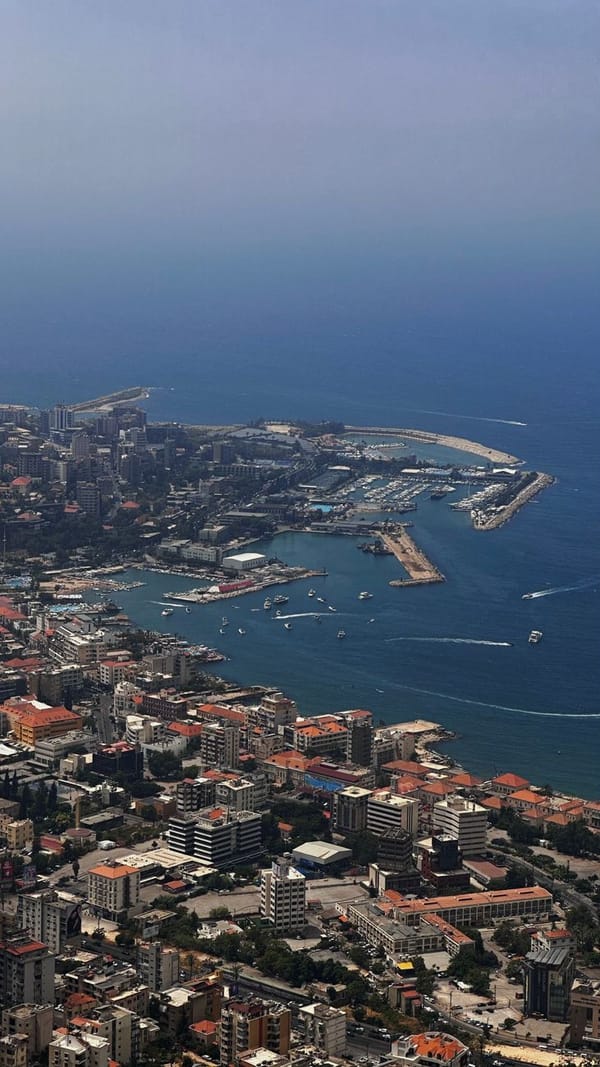
Politics
What the 2026 US Brokered Israel Lebanon Framework Agreement Means for the Middle East
In the summer of 2026, a diplomatic document signed in Washington, D.C., has set the Middle East ablaze with debate. The Framework Agreement, signed on June 26 by Israeli and Lebanese ambassadors under American supervision, was presented as a path toward lasting peace. Instead,…
Read More...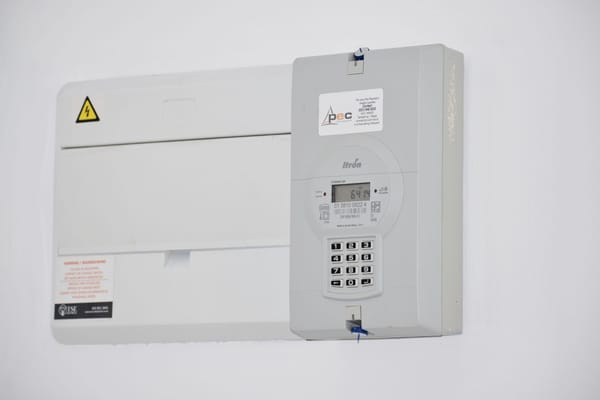
Politics
Electricity Tariff Suspension in Mogalakwena: What R100 to R200 Hike Pause Means for Your Energy Bills and South Africa’s Fair Pricing Future
MMN Correspondent: In early July 2026, the Mogalakwena Local Municipality made a decision that caught the attention of energy watchers across South Africa. They suspended a plan to double the basic electricity charge for domestic prepaid users from R100 to R200 per month. For a…
Read More...
Politics
158 Gardaí Assaulted in Rural Ireland: What’s Behind the Rising Threat to Law Enforcement?
Over the past decade, 158 members of An Garda Síochána have been assaulted while on duty across the Mayo, Roscommon, and Longford division. That’s not just a number. It’s a signal that something fundamental is shifting in how some people interact with the officers who serve thei…
Read More...
Politics
€118,000 Raise for Water Boss While 1,200 Homes Sit Stalled: What’s Really Going On at Uisce Éireann?
Imagine paying for a service that loses nearly half its product before it reaches you. Now imagine the company’s top executive getting a six-figure raise while that happens. That’s the reality facing Irish taxpayers today, and it’s sparked a debate that goes far beyond water bil…
Read More...