
What Poland’s Public Finance Overhaul Could Mean for Your Wallet: Sławomir Mentzen’s Bold Plan Explained
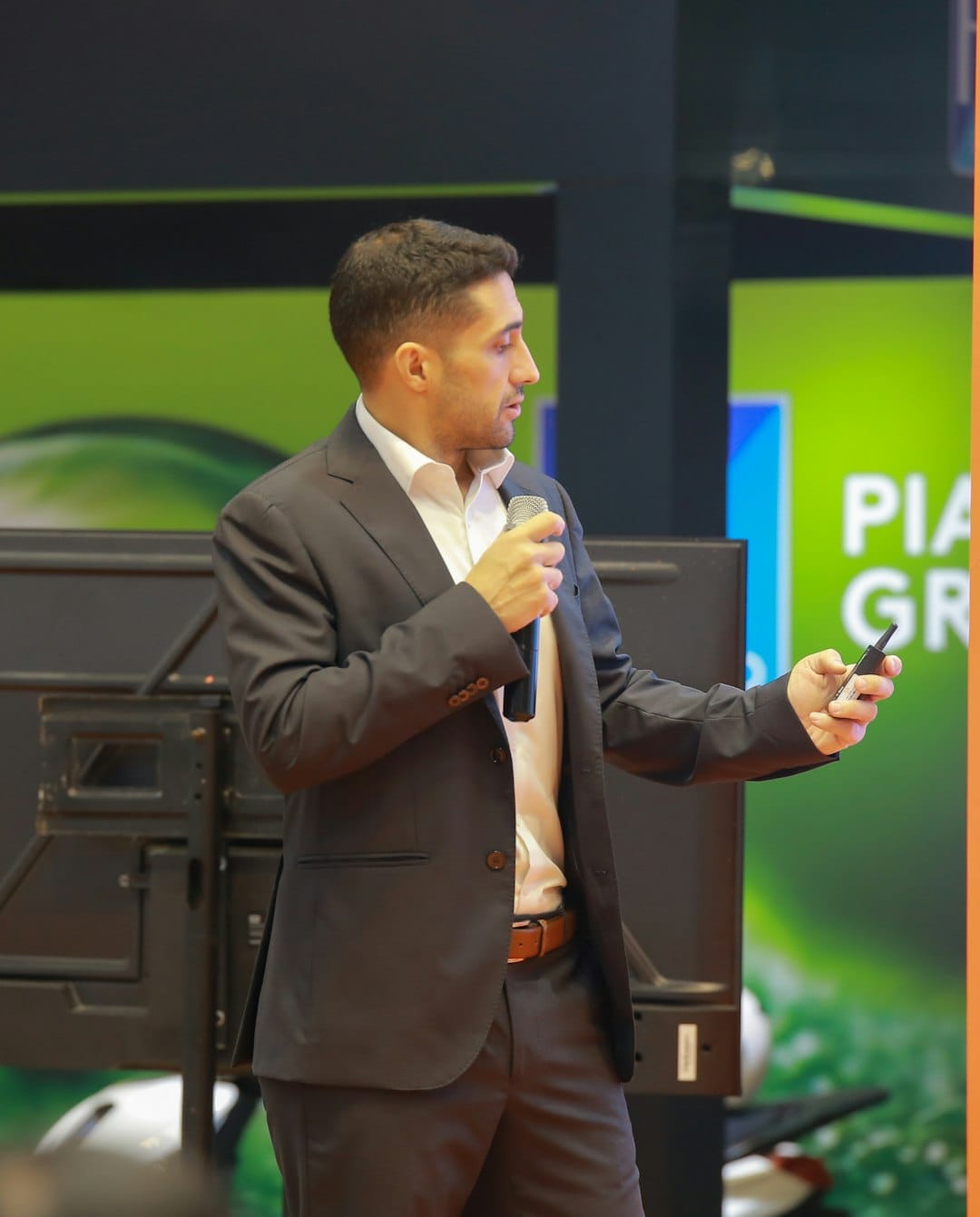
Warsaw, Poland, MMN Correspondent: Imagine a Poland where your local mayor decides how to spend tax money, not distant bureaucrats in Warsaw. That’s the future Sławomir Mentzen painted during the high-profile 'Projekt 27' expert panel, a live-streamed event that had thousands of Poles leaning in. The Konfederacja strategist didn’t just talk numbers—he laid out a roadmap that could reshape how every citizen experiences public services, from roads to schools.
Mentzen started with a simple question: why does Poland’s steady 3.5% annual GDP growth feel invisible in rural towns? The answer, he argued, lies in a system where wealth pools in cities like Warsaw and Kraków while villages struggle with crumbling infrastructure. He didn’t blame anyone—instead, he pointed to a fix: fiscal decentralization. Think of it as giving local governments the keys to their own budgets, much like Germany and Sweden do. In those countries, municipalities decide on projects that matter most to their communities, and the results speak for themselves—better roads, smarter schools, and healthcare that actually reaches people.
But here’s where it gets interesting. Mentzen tackled the elephant in the room: public debt. At 54% of GDP, Poland’s debt is lower than the EU average, but he warned that rising interest rates could turn that comfort into a crisis. His solution? A constitutional rule that caps annual deficit increases at 1% of GDP, unless war or a pandemic hits. It’s a safety net designed to keep future budgets stable without handcuffing the government in emergencies.
Then came the tax debate. Mentzen didn’t hold back on the current progressive income tax, calling it a drag on entrepreneurs. He pointed to Estonia and Lithuania, where flat tax models have sparked business booms and attracted foreign investors. Imagine a simpler tax code where you keep more of what you earn—that’s the pitch. He argued it could turn Poland into a startup hub, not just a regional player.
Social spending got a fresh look too. With a shrinking workforce and longer life expectancies, Poland’s pension system is under pressure. Mentzen proposed a gradual retirement age increase tied to life expectancy, paired with tax-advantaged private savings accounts. It’s not about cutting benefits—it’s about making sure they’re there when you need them.
Green energy? He’s for it, but with a twist. Instead of rushing into expensive mandates that hurt small farms and businesses, Mentzen called for a phased approach using cost-effective tech. Think solar panels on barns, not sudden bans on tractors. It’s a balance between climate goals and economic reality.
Bureaucracy took a hit too. Mentzen cited data showing Polish administrative costs are higher than peer nations for similar services. His fix: digitize everything, automate routine tasks, and merge redundant agencies. The savings could fund priorities like healthcare or education without raising taxes.
The panel drew lively online engagement, with viewers zeroing in on Mentzen’s critique of Poland’s reliance on US military imports. He stressed that security partnerships are vital, but over-dependence inflates costs and creates vulnerabilities. It’s a conversation that’s only getting louder as Europe faces new threats.
When critics questioned his leadership, Mentzen turned the tables. He invited citizens to shape policy through digital town halls and participatory budgeting. His message: democracy isn’t just about election day—it’s about ongoing dialogue. The session ended with a call for bold reform, but the real takeaway is this: Poland’s fiscal future isn’t set in stone. With the right moves, it could become a model of efficiency and fairness. The question is whether the political will matches the moment.
Related in Politics
Politics
Poland’s Political Crossroads: Why Konfederacja Is Pushing for a State Tribunal Trial Over Ukraine Policy
Poland’s political landscape is heating up as the far-right coalition Konfederacja demands that former Minister of Justice Paweł Kosiniak-Kamysza face a State Tribunal trial. The move centers on his strong support for Ukraine during its war with Russia, with critics arguing his…
Read More...
Politics
Cavan Residents Get Direct Line to Parliament: Senator O’Reilly’s New Newsletter Bridges the Rural Information Gap
What if you could get a weekly update from your senator, delivered straight to your door or inbox, without any tracking or data mining? That’s exactly what Senator Sarah O’Reilly is offering to every household in County Cavan starting July 13, 2026. The initiative, announced on…
Read More...
Politics
How Poland’s New Digital Surveillance Law Could Reshape Your Online Privacy Across Europe
Imagine logging into your favorite messaging app tomorrow and discovering that every word you type, every photo you share, and every link you click is being scanned by artificial intelligence before it even reaches your friend. That scenario is no longer hypothetical. It is now…
Read More...
Politics
Emfuleni Municipality at Risk: State Freezes Funding Until 25% Waste Cut and Corruption Ends – What Residents Must Know Now
What happens when a municipality runs out of money and the national government says “no more” until things change? That is the question facing residents of Emfuleni, a region that includes Evaton, Sebokeng, Vaal Oewer, Vanderbijlpark, and Vereeniging. On July 9, 2026, the Nation…
Read More...
Politics
Volkswagen Faces 100,000 Job Cuts: Is Germany’s EV Dream Crumbling?
Deep in the heart of Germany’s industrial belt, a quiet storm is brewing. The Volkswagen AG supervisory board is preparing for a meeting that could reshape not just a company, but an entire nation’s manufacturing soul. Four German factories may close. Up to 100,000 jobs could va…
Read More...
Politics
Are Mandatory iPads in Irish Schools Worth the Cost? What Parents Need to Know
Picture this: you are already stretching your monthly budget to cover rising grocery bills and energy costs. Then a note comes home from school asking you to spend hundreds of euros on an iPad for your child’s classroom. For families across Ireland, this scenario is becoming inc…
Read More...
Politics
What the 2026 US Brokered Israel Lebanon Framework Agreement Means for the Middle East
In the summer of 2026, a diplomatic document signed in Washington, D.C., has set the Middle East ablaze with debate. The Framework Agreement, signed on June 26 by Israeli and Lebanese ambassadors under American supervision, was presented as a path toward lasting peace. Instead,…
Read More...
Politics
Electricity Tariff Suspension in Mogalakwena: What R100 to R200 Hike Pause Means for Your Energy Bills and South Africa’s Fair Pricing Future
MMN Correspondent: In early July 2026, the Mogalakwena Local Municipality made a decision that caught the attention of energy watchers across South Africa. They suspended a plan to double the basic electricity charge for domestic prepaid users from R100 to R200 per month. For a…
Read More...
Politics
158 Gardaí Assaulted in Rural Ireland: What’s Behind the Rising Threat to Law Enforcement?
Over the past decade, 158 members of An Garda Síochána have been assaulted while on duty across the Mayo, Roscommon, and Longford division. That’s not just a number. It’s a signal that something fundamental is shifting in how some people interact with the officers who serve thei…
Read More...
Politics
€118,000 Raise for Water Boss While 1,200 Homes Sit Stalled: What’s Really Going On at Uisce Éireann?
Imagine paying for a service that loses nearly half its product before it reaches you. Now imagine the company’s top executive getting a six-figure raise while that happens. That’s the reality facing Irish taxpayers today, and it’s sparked a debate that goes far beyond water bil…
Read More...