
Why the Bonn Climate Talks Could Be Our Last Best Chance to Hit 1.5°C
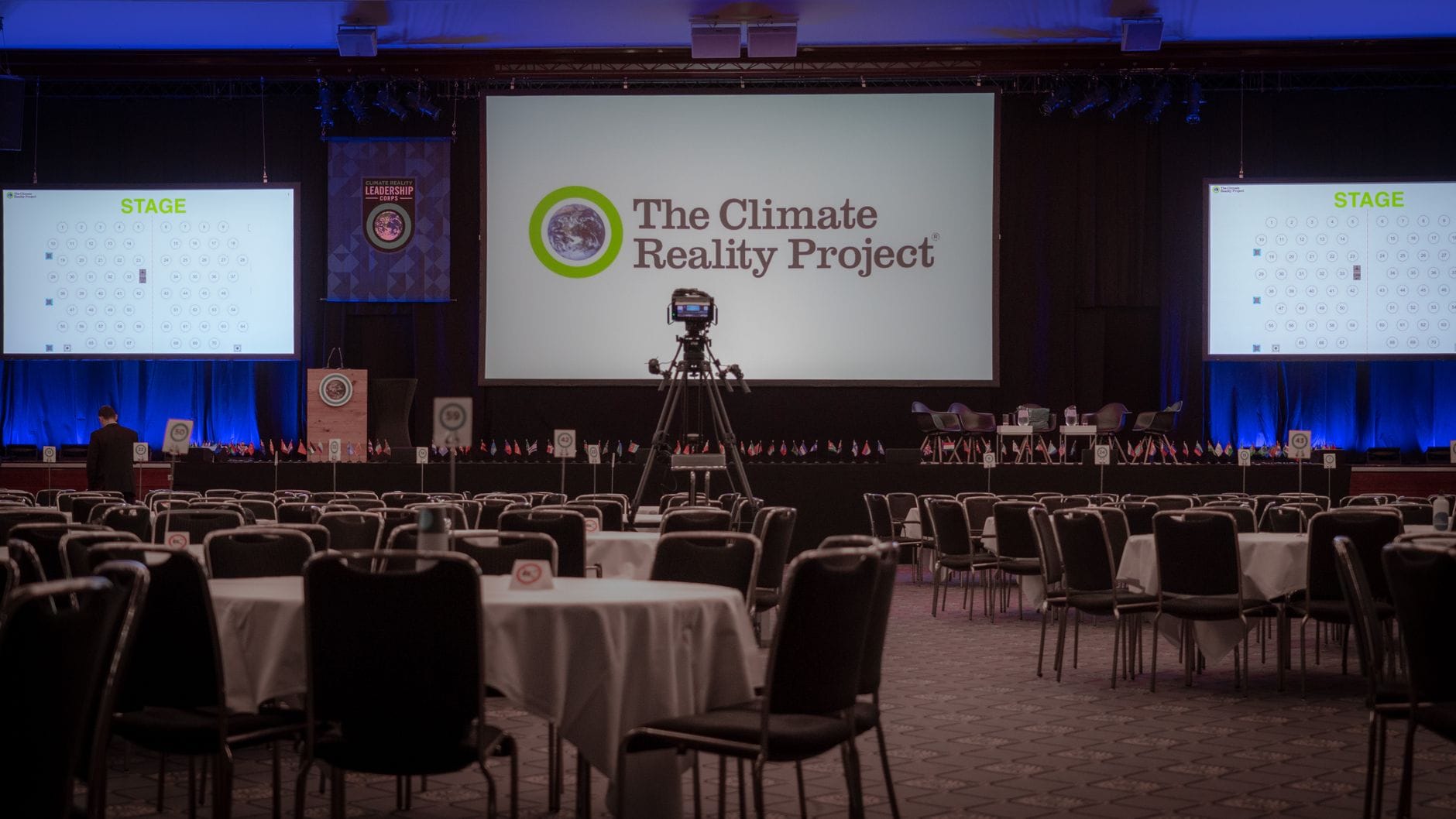
Bonn, Germany, MMN Correspondent: Imagine sitting in a room where the future of the planet hangs in the balance, and the clock is ticking louder than ever. That’s exactly the scene at the United Nations climate talks in Bonn this June. UN Climate Chief Simon Stiell didn’t mince words when he opened the plenary on June 8, 2026. He called the climate crisis not just humanity’s most urgent challenge, but the hardest collective task we’ve ever taken on. Time, he reminded everyone, is no longer a luxury we can afford.
What’s different this year? For starters, the talks started only one hour late. That might not sound like a big deal, but compared to last year’s full day delay, it’s a sign that delegates are finally getting the message. No more procedural squabbles or ideological standoffs. The focus is shifting from talk to action. And that shift is happening because the window to act is closing fast, with deadly heatwaves and unstable energy markets making the stakes painfully clear.
At the heart of this new momentum is something called the Global Climate Action Agenda, or GCAA. It’s been around as an idea for years, but it never had real teeth. Now, under the leadership of Türkiye and Australia, it’s being rebuilt around six concrete pillars: energy security, food systems resilience, methane reduction, urban climate adaptation, clean transport, and green industrial transformation. These aren’t just buzzwords. They’re the areas where climate shocks have hit hardest, and where action can make the biggest difference.
Türkiye’s President Designate Murat Kurum laid out a bold vision during the opening session. He promised a framework built on science driven targets, not vague promises. COP31, he said, will be the launchpad for the second decade of the Paris Agreement. That means taking the findings of the first Global Stocktake from 2023 and turning them into real world results. The stocktake showed that current pledges aren’t enough to keep warming to 1.5°C. It called for a complete shift away from fossil fuels and a tripling of renewable energy by 2030. Now, mechanisms like the proposed Just Transition Mechanism are being designed to make those goals a reality.
Australia’s Chris Bowen, who will lead the formal negotiations at COP31, added his own perspective. He pointed to a key projection from the International Energy Agency: by 2035, electricity needs to make up 35% of final energy consumption to stay within the 1.5°C limit. In a world where supply chains are fragile and energy insecurity is rising, Bowen argued that shifting to renewables isn’t just good for the planet. It’s smart economics. “In a world of geopolitical uncertainty and energy disruption,” he said, “the transition is not a risk. It is the solution and an immense opportunity.”
But not everything is smooth sailing. Tensions over trade and climate policy bubbled up during the week. A planned dialogue on trade and climate, scheduled for June 13, has drawn criticism from the G77 plus China bloc. Uruguay, speaking for developing nations, urged countries to engage in a structured and robust way. The concern is that carbon border adjustment mechanisms, like the EU’s carbon levy on imports, could hurt vulnerable economies. Russia echoed that sentiment, warning that the dialogue shouldn’t become a tool for protectionism.
Civil society groups are also watching closely. Avantika Goswami from the Centre for Science and Environment noted that the UN climate secretariat hasn’t been clear about whether non governmental actors will have a meaningful role. With three annual dialogues planned through 2028 and a high level review in 2028, there’s a growing demand for transparency and inclusive processes. Ghana’s Antwi Boasiako Amoah called for clear guidelines on how reports will be compiled and shared, suggesting that co chairs should consult all parties before finalizing procedures.
Finance remains one of the biggest sticking points. At a workshop on the climate finance work programme agreed upon at COP30, developing nations made their position clear. Vositha Wijenayake, finance coordinator for G77 plus China, said the group won’t accept discussions that lack ambition or accountability. They insist on full implementation of Article 9.1 of the Paris Agreement, which commits developed nations to mobilize $100 billion annually in public climate finance for developing countries.
Developed nations, however, are pushing for a broader interpretation of Article 9. They want to expand the donor base to include emerging economies like China and private investors. Switzerland argued that contributions shouldn’t come only from traditional donors. This reflects a strategic shift toward a more diversified funding model, though many in the Global South see it as an attempt to dilute historical responsibility.
With the two year work programme still awaiting a start date, observers warn that without a breakthrough in Bonn, progress could stall again. The next two sessions in June will be crucial in shaping the roadmap for COP31. The stakes couldn’t be higher. If the international community fails to turn promises into action, the 1.5°C target and the future of millions may slip out of reach.
The Bonn talks are more than just another round of diplomacy. They’re a litmus test for global solidarity. With climate impacts intensifying and political will fluctuating, the world is watching to see whether nations can rise to the greatest challenge in human history.
Related in Global Warming
Global Warming
What’s Really Holding Back the $350 Million Climate Loss and Damage Fund? 180 Projects, $2.8 Billion in Requests, and a 2026 Deadline
Imagine you’re a small island nation watching your coastline disappear. Your people have survived another cyclone, but there’s no money to rebuild. You hear about a new global fund designed exactly for this moment. You apply. You wait. And then you learn the fund has only enough…
Read More...
Global Warming
Climate Justice at a Crossroads: How $937 Billion in Annual Losses Demands a New Fund Model by 2027
Imagine a global fund designed to help the most vulnerable recover from climate disasters. It was created with hope and fanfare in 2022. Now, just a few years later, that fund is running on empty. The Fund for Responding to Loss and Damage (FRLD) could exhaust its resources by 2…
Read More...
Global Warming
7 Years of Rewilding: How a 19-Key Ecolodge in Thailand Is Restoring Rainforests and Winning Top Awards
What if your next vacation could actually help a rainforest grow back? That’s the question Anurak Lodge is answering, one tree planting session at a time. Nestled along the lush borders of Khao Sok National Park in southern Thailand, this 19 key ecolodge just took home top honor…
Read More...
Global Warming
Coastal Communities Hold the Key to a $2.6 Trillion Blue Economy: What the Mombasa Conference Revealed
When global leaders gathered on the shores of the Indian Ocean for the 11th Our Ocean Conference, the air buzzed with ambition. Billions of dollars in new commitments were announced. Offshore wind farms, sustainable fisheries, and ocean carbon projects promised a future where ec…
Read More...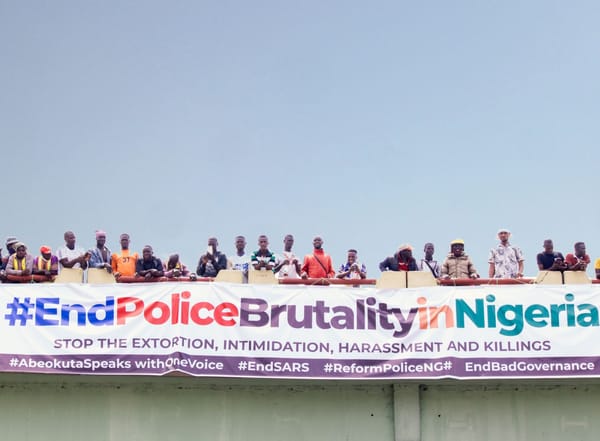
Global Warming
4 Ugandan Farmers vs. a 1,443 km Oil Pipeline: Can a London Court Stop It?
Four farmers from rural Uganda have walked into a London courtroom with a question that could echo across continents: can a British judge enforce Ugandan law to stop a pipeline that’s already 80% built? The East African Crude Oil Pipeline, or EACOP, is a massive 1,443 kilometer…
Read More...
Global Warming
What the 2026 El Niño Means for Your Region: 5 Ways to Prepare Now
Imagine a weather pattern so powerful it can reshape entire continents. That is exactly what scientists are tracking right now. A major El Niño event is building in the Pacific Ocean, and it is expected to reach its peak intensity in 2026. This is not just another seasonal shift…
Read More...
Global Warming
Over 25 Dead in U.S. Heatwave: What’s Driving the 100°F Crisis?
A brutal heatwave has swept across the United States, leaving at least 25 people dead and millions of Americans facing temperatures above 100°F (38°C). This isn’t just another hot summer day. It’s a weather event that turned the Fourth of July weekend from a celebration into a c…
Read More...
Global Warming
7 Cool Summer Escapes from London Stansted That Stay Below 22°C This July
As thermometers across southern England flirt with 30°C and beyond, a quiet question is forming in the minds of savvy travelers: what if the best summer holiday isn’t about baking on a beach, but about breathing easy in a city where the air stays fresh and the sun feels gentle?…
Read More...
Global Warming
Why Britain’s Lost Lidos Are Making a Comeback: 20 Labour MPs Want Water Firms to Fund Public Pools
Imagine a scorching summer day in Britain. The heat is relentless. You crave a cool escape, but the nearest public pool is miles away or closed for good. That’s the reality for millions today. But a growing movement of Labour MPs and policy experts is working to change that. The…
Read More...
Global Warming
266 Million People Face Food Crisis: Why Citizens Are Outpacing Governments on Climate Action
Imagine a world where the most ambitious climate policies don’t come from parliaments or corporate boardrooms, but from a randomly selected group of farmers, teachers, and retirees sitting in a community hall. That world is already here. While national governments struggle to tu…
Read More...