
Will Chile Pardon Its Police? The Case-by-Case Mercy Debate That Could Reshape Justice

Santiago, Chile, MMN Correspondent: Nearly five years after the streets of Chile erupted in the most intense civil unrest since its return to democracy, a new question is pulling the nation in opposite directions: Should the officers who used force during those chaotic days be forgiven? And if so, how?
Enrique Bassaletti, a former Carabineros general turned congressman for the Partido Republicano de Chile, has stepped into the center of this storm. He is not calling for a blanket pardon. Instead, he is asking for something far more nuanced: a case-by-case evaluation of every single conviction tied to the events of October 18, 2019. His position is drawing attention because it sits at the intersection of accountability and compassion, two forces that rarely meet in the same room.
To understand why this matters, you have to go back to the protests themselves. What began as peaceful marches for better education, healthcare, and public services quickly escalated into widespread disorder. The state responded with force. Human rights organizations documented hundreds of cases involving excessive force, unlawful detentions, and allegations of torture by Carabineros and military personnel. By 2022, more than 200 officers had been convicted, with sentences ranging from two to eight years in prison.
Those convictions split the country. Some Chileans see them as necessary justice for victims of state violence. Others view the officers as scapegoats who were following orders in an impossible situation. President Gabriel Boric, who campaigned on a promise to heal the wounds of 2019, granted pardons to several high-profile cases in early 2023. That move pleased some but angered many, especially human rights advocates who saw it as a blow to judicial independence.
Bassaletti offers a third way. He supports the idea of pardons but insists they must be earned. In his view, not every conviction was built on solid ground. He questions whether prosecutors always upheld the principle of objectivity, though he stops short of accusing the courts of bias. His focus is on the difference between an officer who acted out of malice and one who made a mistake under extreme pressure. Under Chilean law, the distinction between illegal coercion and torture hinges on intent. Bassaletti argues that lumping all cases together under a single label does a disservice to justice.
The proposed legislation currently before Congress would create a general pardon framework for those convicted in connection with the October 18 events. Bassaletti warns against it. A general pardon, he says, would imply that all conduct was equally wrong, which it was not. Instead, he envisions a law that sets clear criteria: prior disciplinary records, the nature of the offense, aggravating factors, and evidence of genuine remorse. This approach mirrors transitional justice models used in South Africa, Colombia, and Germany, where forgiveness is conditional on truth telling and reform.
Public opinion reflects the complexity of the issue. A recent survey by the Centro de Estudios Públicos found that 47 percent of Chileans support targeted pardons for officers who acted under orders, while 53 percent oppose any form of amnesty. Among former military and police personnel, support for pardons exceeds 70 percent. The numbers reveal a society still wrestling with its recent past.
Bassaletti remains hopeful. He believes pardons will happen. The real question is how they will be structured. He wants the legislative process to include input from experts, victims families, and legal scholars. His goal is not to weaken the judiciary but to allow the executive and legislative branches to contribute to a fairer resolution. If Parliament passes a carefully crafted law, he says, it could become a significant step toward national unity.
This debate is about more than politics. It is about what kind of nation Chile wants to become. Will it prioritize retribution, or will it embrace restorative justice? Bassaletti’s call for individualized consideration offers a path forward one rooted in dignity, responsibility, and the enduring value of mercy in a just society. The upcoming parliamentary session will determine whether that vision becomes law. With careful deliberation and inclusive dialogue, Chile may yet forge a precedent for reconciling justice with humanity in the aftermath of national trauma.
Related in Politics
Politics
Poland’s Political Crossroads: Why Konfederacja Is Pushing for a State Tribunal Trial Over Ukraine Policy
Poland’s political landscape is heating up as the far-right coalition Konfederacja demands that former Minister of Justice Paweł Kosiniak-Kamysza face a State Tribunal trial. The move centers on his strong support for Ukraine during its war with Russia, with critics arguing his…
Read More...
Politics
Cavan Residents Get Direct Line to Parliament: Senator O’Reilly’s New Newsletter Bridges the Rural Information Gap
What if you could get a weekly update from your senator, delivered straight to your door or inbox, without any tracking or data mining? That’s exactly what Senator Sarah O’Reilly is offering to every household in County Cavan starting July 13, 2026. The initiative, announced on…
Read More...
Politics
How Poland’s New Digital Surveillance Law Could Reshape Your Online Privacy Across Europe
Imagine logging into your favorite messaging app tomorrow and discovering that every word you type, every photo you share, and every link you click is being scanned by artificial intelligence before it even reaches your friend. That scenario is no longer hypothetical. It is now…
Read More...
Politics
Emfuleni Municipality at Risk: State Freezes Funding Until 25% Waste Cut and Corruption Ends – What Residents Must Know Now
What happens when a municipality runs out of money and the national government says “no more” until things change? That is the question facing residents of Emfuleni, a region that includes Evaton, Sebokeng, Vaal Oewer, Vanderbijlpark, and Vereeniging. On July 9, 2026, the Nation…
Read More...
Politics
Volkswagen Faces 100,000 Job Cuts: Is Germany’s EV Dream Crumbling?
Deep in the heart of Germany’s industrial belt, a quiet storm is brewing. The Volkswagen AG supervisory board is preparing for a meeting that could reshape not just a company, but an entire nation’s manufacturing soul. Four German factories may close. Up to 100,000 jobs could va…
Read More...
Politics
Are Mandatory iPads in Irish Schools Worth the Cost? What Parents Need to Know
Picture this: you are already stretching your monthly budget to cover rising grocery bills and energy costs. Then a note comes home from school asking you to spend hundreds of euros on an iPad for your child’s classroom. For families across Ireland, this scenario is becoming inc…
Read More...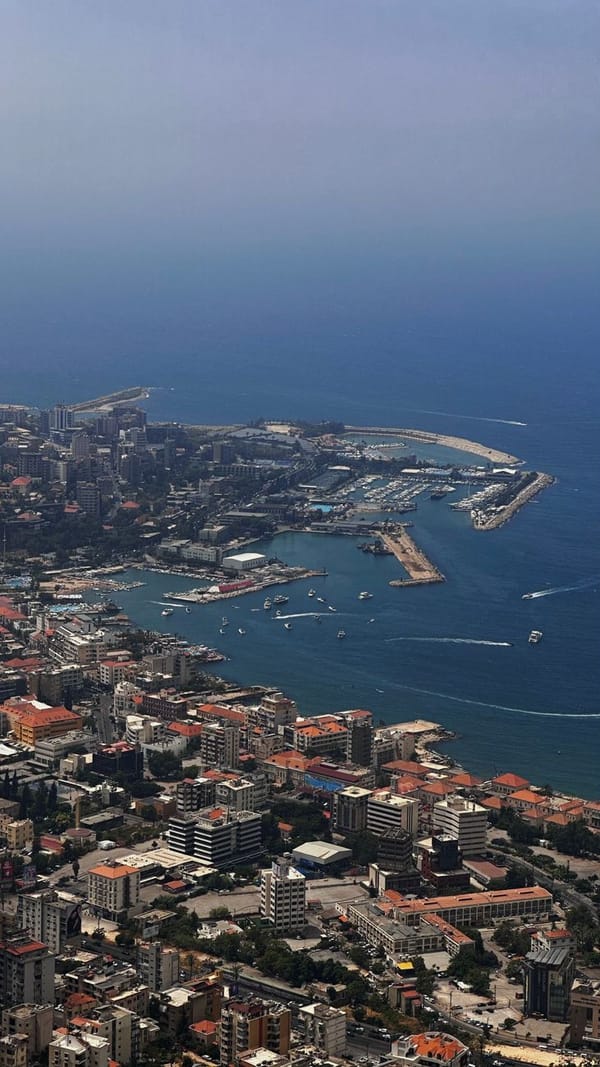
Politics
What the 2026 US Brokered Israel Lebanon Framework Agreement Means for the Middle East
In the summer of 2026, a diplomatic document signed in Washington, D.C., has set the Middle East ablaze with debate. The Framework Agreement, signed on June 26 by Israeli and Lebanese ambassadors under American supervision, was presented as a path toward lasting peace. Instead,…
Read More...
Politics
Electricity Tariff Suspension in Mogalakwena: What R100 to R200 Hike Pause Means for Your Energy Bills and South Africa’s Fair Pricing Future
MMN Correspondent: In early July 2026, the Mogalakwena Local Municipality made a decision that caught the attention of energy watchers across South Africa. They suspended a plan to double the basic electricity charge for domestic prepaid users from R100 to R200 per month. For a…
Read More...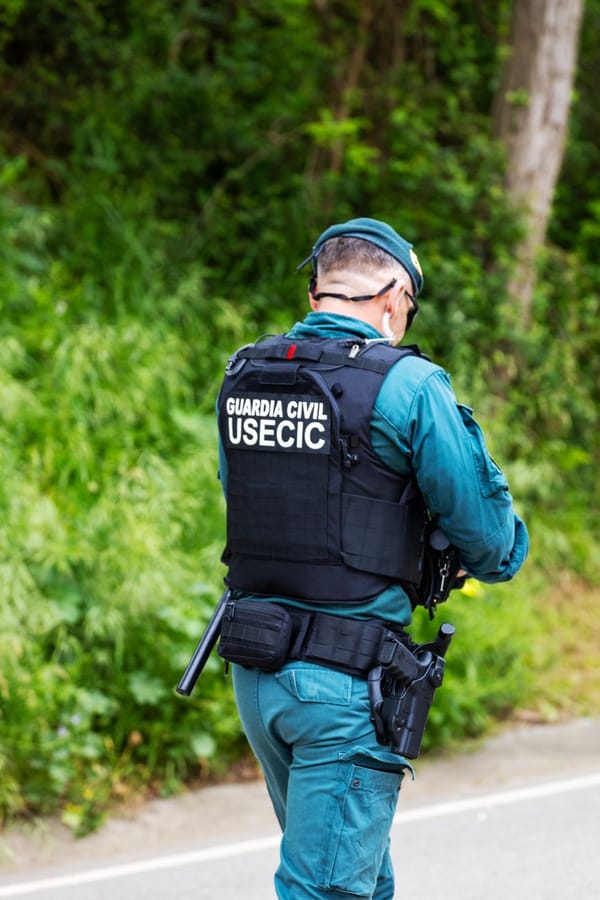
Politics
158 Gardaí Assaulted in Rural Ireland: What’s Behind the Rising Threat to Law Enforcement?
Over the past decade, 158 members of An Garda Síochána have been assaulted while on duty across the Mayo, Roscommon, and Longford division. That’s not just a number. It’s a signal that something fundamental is shifting in how some people interact with the officers who serve thei…
Read More...
Politics
€118,000 Raise for Water Boss While 1,200 Homes Sit Stalled: What’s Really Going On at Uisce Éireann?
Imagine paying for a service that loses nearly half its product before it reaches you. Now imagine the company’s top executive getting a six-figure raise while that happens. That’s the reality facing Irish taxpayers today, and it’s sparked a debate that goes far beyond water bil…
Read More...