
1,200 Ships Stranded, $125 Billion at Risk: What the Strait of Hormuz Closure Means for Your Supply Chain
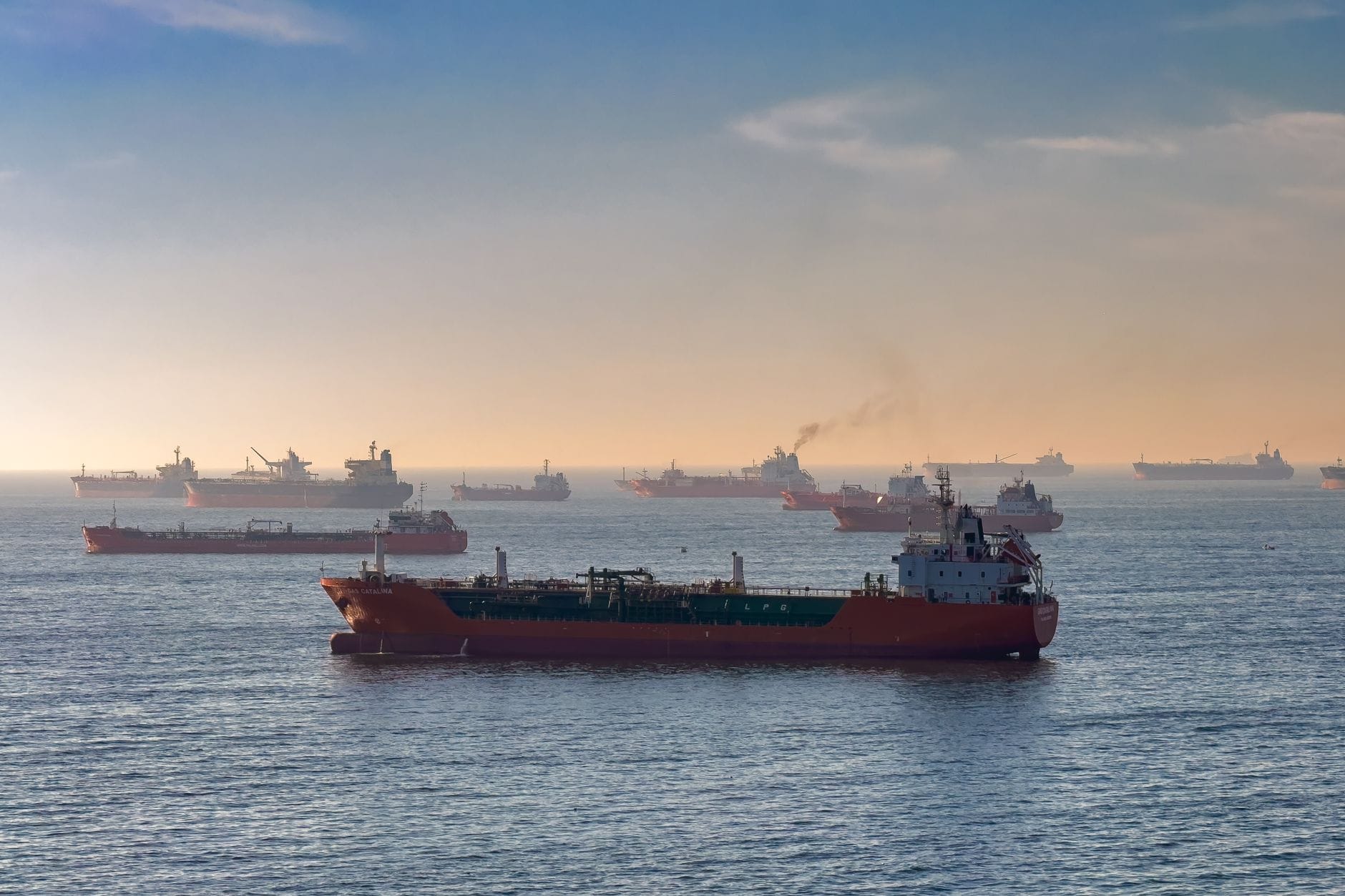
Strait of Hormuz, MMN Correspondent: Imagine 1,200 cargo ships, collectively carrying $125 billion in goods, sitting idle in the middle of the ocean. That’s not a hypothetical scenario. It’s happening right now in the Arabian Sea and the Gulf of Oman, where the Strait of Hormuz—the world’s most critical maritime chokepoint—has been effectively shut down since early June 2026. The question on everyone’s mind: how did we get here, and what happens next?
This narrow waterway between Iran and Oman handles about 20% of all seaborne crude oil and nearly 30% of liquefied natural gas shipments globally. On a normal day, more than 50 vessels pass through without a hitch. But after a series of naval skirmishes and drone attacks on commercial shipping, Iranian forces imposed a de facto blockade. The United States, United Kingdom, and Japan quickly issued emergency navigation warnings, rerouting fleets away from the area. The result? A massive traffic jam at sea, with ships carrying everything from electronics and automotive parts to pharmaceuticals and agricultural products now unable to reach their destinations.
Major ports like Jebel Ali in the UAE, Singapore, Shanghai, Rotterdam, and Los Angeles are feeling the heat. Some terminals report congestion levels above 80%. According to maritime intelligence firm Xeneta, the average delay per vessel has stretched to 14 days, with some ships waiting over three weeks. For industries that rely on just-in-time manufacturing—think consumer electronics and automotive—this is a wake-up call. Semiconductor shortages, steel delays, and missing medical supplies are already causing production halts in Europe and raising concerns about food imports in Southeast Asia.
The financial ripple effects are equally dramatic. Brent crude oil futures have surged past $118 per barrel, the highest since late 2023, as traders brace for tighter supply. Natural gas prices in Asia are climbing too, driven by fears of reduced LNG exports from Qatar and Saudi Arabia. Energy analysts warn that if the closure lasts beyond two weeks, inflationary pressures could force central banks to reconsider interest rate policies. But here’s the twist: this isn’t just about energy. The $125 billion trapped at sea represents roughly 2% of global merchandise trade annually, and the sectors hit hardest are the ones that keep modern economies humming.
Geopolitically, the closure is a calculated move by Iran to pressure Western nations into easing sanctions and re-engaging in diplomatic talks. Analysts note that Iran has long used the strait’s vulnerability as a bargaining chip, but this is the first time a comprehensive shutdown has been enforced. It signals a shift toward more aggressive coercive measures. The United Nations Security Council convened an emergency session on June 22 but failed to adopt a binding resolution due to vetoes from permanent members. Regional powers like Saudi Arabia and the UAE have expressed concern but stopped short of direct intervention. Instead, they are investing in alternative logistics corridors—expanding rail links through Pakistan and upgrading infrastructure along the Silk Road Economic Belt—to reduce reliance on the strait in future conflicts.
Shipping companies are scrambling to adapt. Some are taking longer, safer routes around Africa’s Cape of Good Hope, adding up to 12 days to transit times and increasing fuel costs by 30-40%. Others are exploring air freight for high-value, time-sensitive cargo, though this remains prohibitively expensive for bulk goods. Insurance premiums for vessels traversing the region have doubled overnight. Meanwhile, the human toll is mounting. Crews aboard stranded vessels face prolonged isolation, deteriorating mental health, and increased risk of fatigue-related accidents. Maritime labor unions have called for urgent humanitarian interventions, including access to medical support and communication services.
Looking ahead, this crisis highlights systemic vulnerabilities in global trade networks. While automation and digital tracking have improved visibility, they cannot mitigate physical blockages or political hostilities. Long-term solutions may involve diversifying shipping lanes, investing in autonomous cargo vessels, and strengthening multilateral frameworks for maritime security. Some economists suggest the crisis could accelerate nearshoring and regionalization of supply chains, reducing dependency on distant hubs. As of June 23, 2026, no official timeline for reopening the strait has been announced. But one thing is clear: the world is watching not just for the fate of 1,200 ships, but for the resilience of the entire global economy in the face of sudden, unpredictable shocks.
Related in Finance
Finance
68% of Americans Back It: Trump Confirms High-Level Talks with Iran Resume July 2026
What if the longest running geopolitical standoff of our era is finally ready for a rewrite? On July 10, 2026, former President Donald Trump stepped before cameras in New York and dropped a statement that caught much of the world off guard: the United States has agreed to resume…
Read More...
Finance
How SK Hynix Just Raised $26.5 Billion in the U.S. – What It Means for the Future of Chips
On a crisp July morning in Manhattan, something historic happened on Wall Street. SK Hynix, the South Korean memory chip giant, stepped onto the New York Stock Exchange and walked away with $26.5 billion. That’s not just a lot of money. It’s the largest IPO by a non-U.S. company…
Read More...
Finance
China Factory Prices Hit 2-Year High: What the Iran Crisis Means for Your Supply Chain
Have you noticed the price of steel or plastic creeping up lately? There’s a reason for that, and it’s not just about demand. China’s factory gate prices just jumped to their highest level in over a year, and the culprit isn’t a domestic slowdown—it’s a geopolitical storm brewin…
Read More...
Finance
Is Indonesia’s Investment-Grade Status at Risk? S&P Dow Jones Issues Critical Warning
What happens when one of Southeast Asia’s most promising economies faces a potential credit downgrade? That’s the question investors and policymakers are asking after S&P Dow Jones Indices joined Moody’s and Fitch in flagging risks to Indonesia’s sovereign credit rating. The war…
Read More...
Finance
FIFA Red Card Scandal 2026: How a Rigged Decision in Brazil vs. Argentina Exposed $80 Billion Sports Integrity Crisis
On July 5, 2026, during a World Cup qualifier between Brazil and Argentina, something happened that football fans will never forget. Argentina’s star midfielder Lucas Martínez was shown a red card for a tackle that, on replay, looked routine. But what looked like a referee’s bad…
Read More...
Finance
What Really Happened When July 4 Fireworks Were Canceled in D.C. Amid Deadly Storms? 150,000 Evacuated in Historic Emergency
Picture this: you are standing on the National Mall, flags waving, kids on shoulders, ready for the biggest fireworks show of the year. Then, within minutes, the sky turns an angry gray, wind howls past 70 miles per hour, and sirens start blaring. That is exactly what happened o…
Read More...
Finance
What Happens When a 249th Independence Day Celebration Meets a 105°F Heat Dome? Here’s What You Need to Know
Picture this: It’s July 4, 2026, and you’re standing on the National Mall, surrounded by tens of thousands of fellow Americans, flags waving, and the air thick with anticipation. But there’s something else in the air—a record-breaking heatwave that has pushed temperatures past 1…
Read More...
Finance
Canada’s 2,000-Kilometer Pipeline to Asia: How a New Energy Corridor Could Reshape Global Oil Markets
Imagine a pipeline so long it could stretch from Paris to Moscow. Now imagine it carrying Canadian oil not south to the United States, but west to the Pacific Ocean and then on to Asia. That is exactly what Canada is planning, and it could change the way the world thinks about e…
Read More...
Finance
48% Male Users and a $3B Valuation: How RedNote Is Reshaping China’s Creator Economy Ahead of Its 2026 IPO
What happens when a platform once known as China’s Instagram decides to bet big on men? You get RedNote, a photo sharing and lifestyle app that’s quietly rewriting the rules of digital creation. And now, with an initial public offering on the horizon, it’s asking a bigger questi…
Read More...
Finance
White House Ends Federal Ban on Anthropic AI: What This Means for Government Services by 2027
On July 1, 2026, the White House made a decision that changes the trajectory of artificial intelligence in the United States government. The nationwide ban on Anthropic’s advanced AI models within federal agencies has been officially lifted. This is not a small adjustment. It is…
Read More...