
Canada’s 2,000-Kilometer Pipeline to Asia: How a New Energy Corridor Could Reshape Global Oil Markets
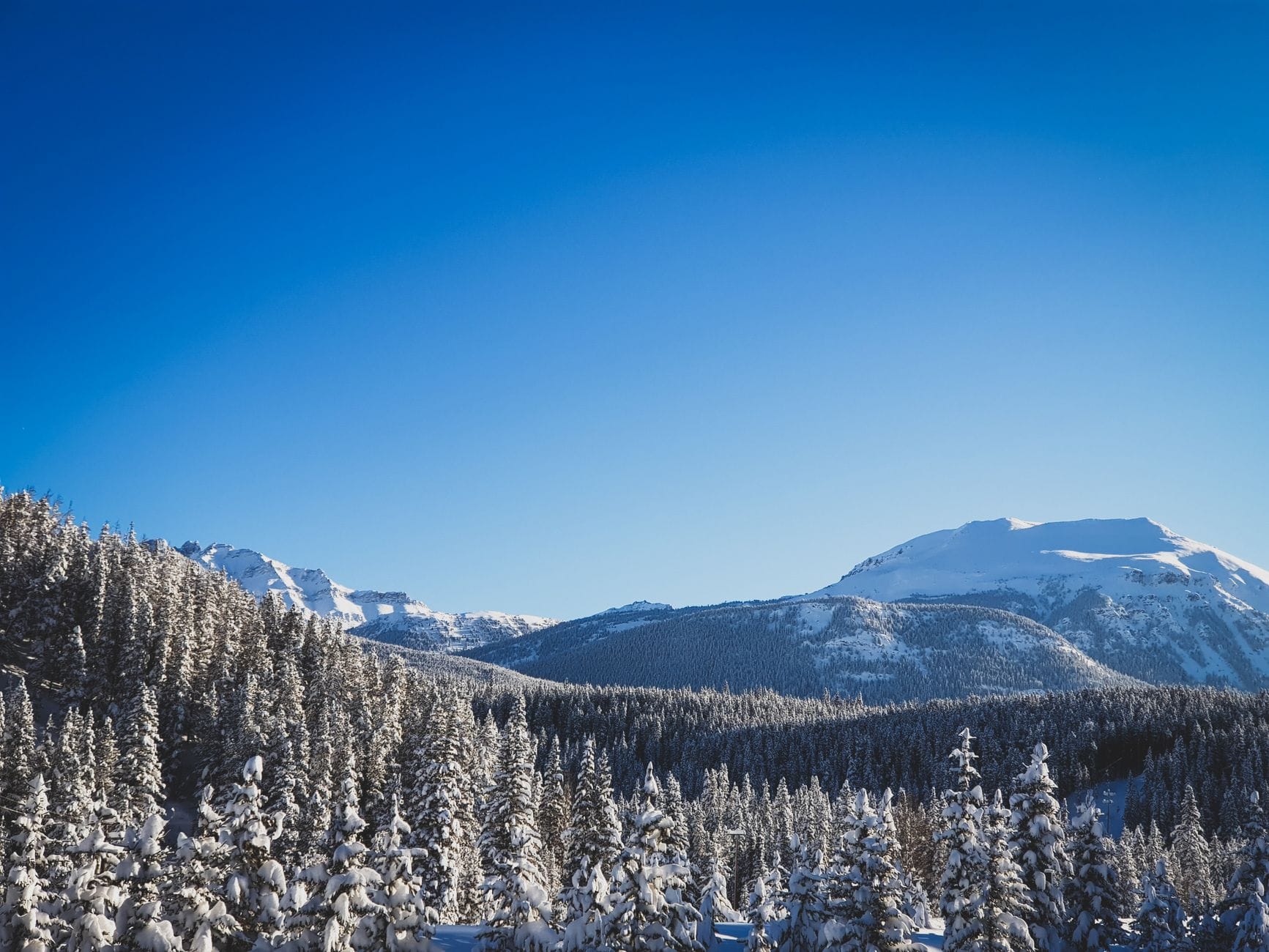
Kitimat, British Columbia, MMN Correspondent: Imagine a pipeline so long it could stretch from Paris to Moscow. Now imagine it carrying Canadian oil not south to the United States, but west to the Pacific Ocean and then on to Asia. That is exactly what Canada is planning, and it could change the way the world thinks about energy independence.
For decades, more than 95 percent of Canada’s oil exports have flowed into the United States. That arrangement has been profitable, but it has also left Canada exposed to every policy shift, pipeline delay, and market swing south of the border. Remember when the Keystone XL project was canceled in 2015? That moment sent a clear signal: relying on one customer is a risky bet. Now, Canada is building a new path.
The proposed pipeline would run over 2,000 kilometers from Alberta’s oil sands through Saskatchewan and Manitoba, ending at a deepwater terminal in Kitimat, British Columbia. From there, tankers would carry crude to China, India, and Japan, countries where demand for heavy oil is climbing fast. Asian refineries are expanding, and they need reliable suppliers. Canada wants to be that supplier.
Why does this matter for you? Because if you follow energy markets, you know that Canadian oil currently sells at a discount compared to global benchmarks. Opening a Pacific route could narrow that gap by five to ten dollars per barrel. That means more revenue for Canada, more jobs, and a stronger position in the global energy conversation.
The numbers are impressive. The Canadian government has pledged up to CAD 12 billion in funding and loan guarantees. Major oil companies like Suncor, Imperial Oil, and Cenovus have added over CAD 8 billion in early investments. During construction, the project could support 30,000 jobs. Once operational, 15,000 permanent positions would follow. That is not just infrastructure. That is economic momentum.
Of course, building a pipeline of this scale raises questions. Environmental groups point out that expanding fossil fuel infrastructure seems at odds with Canada’s net-zero emissions goal for 2050. But here is where the story gets interesting. The pipeline plans to include carbon capture and storage technology capable of sequestering up to 6 million tonnes of CO2 each year. That is like taking more than a million cars off the road annually. The project also faces updated federal environmental assessments with stricter rules on water use, wildlife protection, and Indigenous land rights.
Speaking of Indigenous communities, reactions are mixed. Some First Nations bands have signed benefit agreements and secured equity stakes. The Haisla Nation in northern British Columbia, for example, now holds a 15 percent share in the pipeline company and has guaranteed training programs for its members. Other groups remain concerned about disruptions to sacred sites and traditional territories. The government has set up a consultation framework involving over 50 Indigenous groups, with co-management provisions for environmental monitoring and revenue sharing.
From a geopolitical perspective, this pipeline is about more than oil. It is about positioning Canada as a stable energy partner in the Indo-Pacific region. As trade tensions between the United States and China continue to shift global supply chains, having direct access to Asian markets gives Canada strategic flexibility. It also reduces dependence on Middle Eastern oil, which many countries see as a volatility risk.
Construction could begin in late 2027, with full operations expected by 2032. Regulatory approvals are targeted for mid-2026. The timeline reflects lessons learned from past projects, where delays from legal challenges and stakeholder disputes stretched on for years. This time, planners are aiming for a more streamlined process with earlier and deeper engagement.
What does this mean for the future of energy? Canada is not abandoning fossil fuels. But it is trying to export them smarter, cleaner, and to more places. The pipeline represents a calculated bet that global demand for heavy crude will remain strong for decades, especially as Asian economies grow. It also signals that Canada wants to be known not just as a resource supplier, but as a responsible one.
So the next time you hear about a pipeline debate, remember this one. It is not just about moving oil from point A to point B. It is about a country deciding to take control of its own energy destiny, while trying to balance economic opportunity with environmental responsibility. That is a story worth watching.
Related in Finance
Finance
68% of Americans Back It: Trump Confirms High-Level Talks with Iran Resume July 2026
What if the longest running geopolitical standoff of our era is finally ready for a rewrite? On July 10, 2026, former President Donald Trump stepped before cameras in New York and dropped a statement that caught much of the world off guard: the United States has agreed to resume…
Read More...
Finance
How SK Hynix Just Raised $26.5 Billion in the U.S. – What It Means for the Future of Chips
On a crisp July morning in Manhattan, something historic happened on Wall Street. SK Hynix, the South Korean memory chip giant, stepped onto the New York Stock Exchange and walked away with $26.5 billion. That’s not just a lot of money. It’s the largest IPO by a non-U.S. company…
Read More...
Finance
China Factory Prices Hit 2-Year High: What the Iran Crisis Means for Your Supply Chain
Have you noticed the price of steel or plastic creeping up lately? There’s a reason for that, and it’s not just about demand. China’s factory gate prices just jumped to their highest level in over a year, and the culprit isn’t a domestic slowdown—it’s a geopolitical storm brewin…
Read More...
Finance
Is Indonesia’s Investment-Grade Status at Risk? S&P Dow Jones Issues Critical Warning
What happens when one of Southeast Asia’s most promising economies faces a potential credit downgrade? That’s the question investors and policymakers are asking after S&P Dow Jones Indices joined Moody’s and Fitch in flagging risks to Indonesia’s sovereign credit rating. The war…
Read More...
Finance
FIFA Red Card Scandal 2026: How a Rigged Decision in Brazil vs. Argentina Exposed $80 Billion Sports Integrity Crisis
On July 5, 2026, during a World Cup qualifier between Brazil and Argentina, something happened that football fans will never forget. Argentina’s star midfielder Lucas Martínez was shown a red card for a tackle that, on replay, looked routine. But what looked like a referee’s bad…
Read More...
Finance
What Really Happened When July 4 Fireworks Were Canceled in D.C. Amid Deadly Storms? 150,000 Evacuated in Historic Emergency
Picture this: you are standing on the National Mall, flags waving, kids on shoulders, ready for the biggest fireworks show of the year. Then, within minutes, the sky turns an angry gray, wind howls past 70 miles per hour, and sirens start blaring. That is exactly what happened o…
Read More...
Finance
What Happens When a 249th Independence Day Celebration Meets a 105°F Heat Dome? Here’s What You Need to Know
Picture this: It’s July 4, 2026, and you’re standing on the National Mall, surrounded by tens of thousands of fellow Americans, flags waving, and the air thick with anticipation. But there’s something else in the air—a record-breaking heatwave that has pushed temperatures past 1…
Read More...
Finance
48% Male Users and a $3B Valuation: How RedNote Is Reshaping China’s Creator Economy Ahead of Its 2026 IPO
What happens when a platform once known as China’s Instagram decides to bet big on men? You get RedNote, a photo sharing and lifestyle app that’s quietly rewriting the rules of digital creation. And now, with an initial public offering on the horizon, it’s asking a bigger questi…
Read More...
Finance
White House Ends Federal Ban on Anthropic AI: What This Means for Government Services by 2027
On July 1, 2026, the White House made a decision that changes the trajectory of artificial intelligence in the United States government. The nationwide ban on Anthropic’s advanced AI models within federal agencies has been officially lifted. This is not a small adjustment. It is…
Read More...
Finance
470,000 Young Chinese Are Choosing Ghost Cities Over Megacities: What’s Driving the Shift?
Imagine a city built for a million people, but for years, only the wind moved through its streets. Towering apartment blocks stood like silent monuments to an economic dream that seemed to have stalled. Now, walk through those same neighborhoods, and you might hear the clatter o…
Read More...