
What Happens When a 249th Independence Day Celebration Meets a 105°F Heat Dome? Here’s What You Need to Know
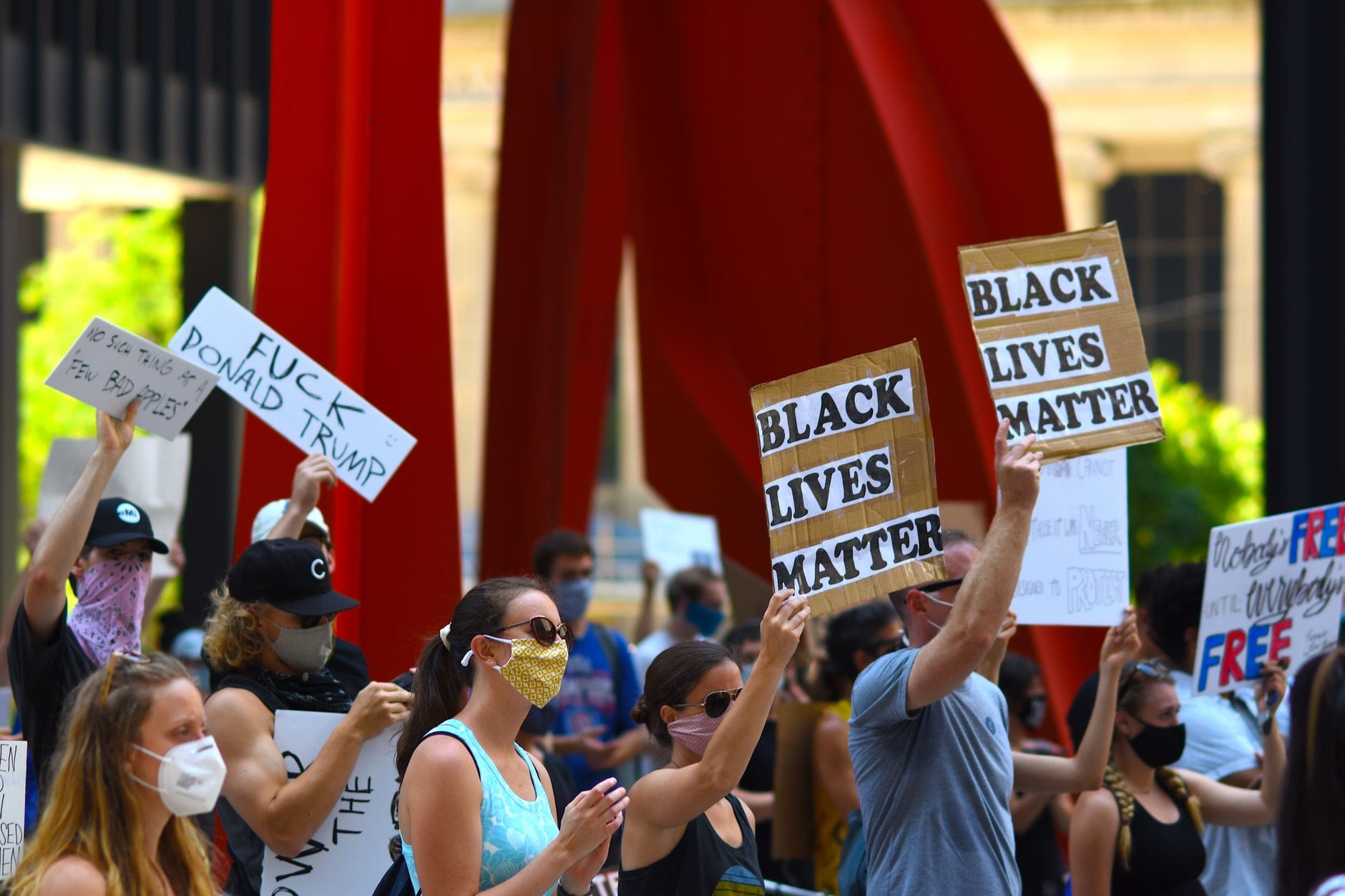
Washington, D.C., MMN Correspondent: Picture this: It’s July 4, 2026, and you’re standing on the National Mall, surrounded by tens of thousands of fellow Americans, flags waving, and the air thick with anticipation. But there’s something else in the air—a record-breaking heatwave that has pushed temperatures past 105°F in over 30 states. This isn’t just any Independence Day. This is the day former President Donald Trump has chosen to lead the nation’s official commemoration, marking a dramatic return to the spotlight during one of the most extreme weather periods in recent American history.
Meteorologists are calling this heatwave the most severe since 2012, driven by a stubborn high-pressure system known as a ‘heat dome’ that has parked itself over the central and western U.S. for more than two weeks. According to NOAA, over 170 million Americans are under heat advisories, with some areas hitting 110°F or higher. Cities like Phoenix, Las Vegas, and Atlanta are breaking all-time records. In response, local governments have opened cooling centers, extended transit hours, and warned against outdoor activity between 10 a.m. and 6 p.m. Yet, the big question remains: Is it safe to gather tens of thousands of people on the National Mall for a political rally dressed as a patriotic celebration?
Trump’s decision to host the Independence Day kickoff at this iconic location has sparked a national conversation. Health officials and climate experts are raising eyebrows, pointing out that many attendees will face prolonged sun exposure without adequate shelter or hydration. Critics say this prioritizes political spectacle over public well-being. Supporters, however, see it as a bold statement of American resilience—a chance to show that nothing, not even a heat dome, can dampen national pride. It’s a classic Trump move: defy adversity, rally the base, and make a point.
Historically, D.C.’s Independence Day celebrations have featured fireworks, military parades, and speeches from prominent figures. This year’s edition is different. Organizers have scaled back the fireworks due to fire risk from dry conditions, shortened speeches, and added more water stations and shaded rest zones. But the presence of Trump as the main speaker shifts the tone from a traditional tribute to something more politically charged. It’s drawing comparisons to his 2016 campaign rallies, which were often held in extreme weather—rain, heat, or snow, he seemed to thrive on the challenge.
Environmental scientists are quick to point out that this heatwave isn’t a one-off. Data from NASA and NOAA shows the average temperature in the contiguous U.S. has risen by about 2.1°F since the late 19th century, with the past decade being the hottest on record. Climate models predict these extreme heat events will become more frequent and intense unless we make significant emissions reductions. So, the 2026 heatwave isn’t just a weather story—it’s a reminder of how climate change is reshaping our daily lives and even our national traditions.
Beyond the immediate health risks, this event raises deeper questions about leadership in times of crisis. Trump’s return to center stage comes amid speculation about a potential 2028 presidential bid. Anchoring the Independence Day festivities could be a strategic move to reconnect with his base and position himself as a leader who can guide the nation through turbulent times. But it also invites scrutiny: Do symbolic gestures like this overshadow the need for concrete policy on climate resilience, infrastructure adaptation, and emergency preparedness? It’s a tension that’s hard to ignore.
Public reaction has been predictably polarized. On social media, hashtags like #HeatAndPride and #TrumpOnTheMall are trending, reflecting both support and criticism. Polling from early June 2026 shows that 53% of registered Republicans favor the event’s location and format, citing patriotism and tradition. Among Democrats, only 27% approve, with many calling for safer alternatives like indoor venues or virtual participation. Independent voters are split: 41% support the event, while 52% urge organizers to reconsider based on health concerns. It’s a snapshot of a divided nation, even on a day meant for unity.
In response to mounting pressure, the Department of Homeland Security has partnered with the CDC to deploy mobile medical units near the National Mall and provide real-time heat monitoring. FEMA has pre-positioned supplies in nearby states to handle any emergencies. These steps show a growing federal recognition of the intersection between climate extremes and national security—a theme that’s increasingly discussed in policy circles. It’s a practical response to a complex challenge.
Looking ahead, this Independence Day could be a turning point. Future commemorations might adapt by shifting dates to cooler seasons, investing in green infrastructure for urban spaces, or expanding digital engagement options. As cities across the country face more heat, drought, and wildfire risks, the balance between tradition and sustainability will become a defining issue in American civic life. It’s not just about one event—it’s about how we celebrate who we are in a changing world.
Ultimately, the convergence of political symbolism and environmental crisis this July 4th highlights the complex challenges facing modern democracies. It’s not merely a question of who speaks where, but of what values we choose to uphold when the planet itself is under stress. As millions prepare to watch or attend the event, the nation stands at a crossroads—between celebration and caution, between legacy and adaptation, and between freedom and responsibility. What happens next could shape how we approach every public gathering for years to come.
Related in Finance
Finance
68% of Americans Back It: Trump Confirms High-Level Talks with Iran Resume July 2026
What if the longest running geopolitical standoff of our era is finally ready for a rewrite? On July 10, 2026, former President Donald Trump stepped before cameras in New York and dropped a statement that caught much of the world off guard: the United States has agreed to resume…
Read More...
Finance
How SK Hynix Just Raised $26.5 Billion in the U.S. – What It Means for the Future of Chips
On a crisp July morning in Manhattan, something historic happened on Wall Street. SK Hynix, the South Korean memory chip giant, stepped onto the New York Stock Exchange and walked away with $26.5 billion. That’s not just a lot of money. It’s the largest IPO by a non-U.S. company…
Read More...
Finance
China Factory Prices Hit 2-Year High: What the Iran Crisis Means for Your Supply Chain
Have you noticed the price of steel or plastic creeping up lately? There’s a reason for that, and it’s not just about demand. China’s factory gate prices just jumped to their highest level in over a year, and the culprit isn’t a domestic slowdown—it’s a geopolitical storm brewin…
Read More...
Finance
Is Indonesia’s Investment-Grade Status at Risk? S&P Dow Jones Issues Critical Warning
What happens when one of Southeast Asia’s most promising economies faces a potential credit downgrade? That’s the question investors and policymakers are asking after S&P Dow Jones Indices joined Moody’s and Fitch in flagging risks to Indonesia’s sovereign credit rating. The war…
Read More...
Finance
FIFA Red Card Scandal 2026: How a Rigged Decision in Brazil vs. Argentina Exposed $80 Billion Sports Integrity Crisis
On July 5, 2026, during a World Cup qualifier between Brazil and Argentina, something happened that football fans will never forget. Argentina’s star midfielder Lucas Martínez was shown a red card for a tackle that, on replay, looked routine. But what looked like a referee’s bad…
Read More...
Finance
What Really Happened When July 4 Fireworks Were Canceled in D.C. Amid Deadly Storms? 150,000 Evacuated in Historic Emergency
Picture this: you are standing on the National Mall, flags waving, kids on shoulders, ready for the biggest fireworks show of the year. Then, within minutes, the sky turns an angry gray, wind howls past 70 miles per hour, and sirens start blaring. That is exactly what happened o…
Read More...
Finance
Canada’s 2,000-Kilometer Pipeline to Asia: How a New Energy Corridor Could Reshape Global Oil Markets
Imagine a pipeline so long it could stretch from Paris to Moscow. Now imagine it carrying Canadian oil not south to the United States, but west to the Pacific Ocean and then on to Asia. That is exactly what Canada is planning, and it could change the way the world thinks about e…
Read More...
Finance
48% Male Users and a $3B Valuation: How RedNote Is Reshaping China’s Creator Economy Ahead of Its 2026 IPO
What happens when a platform once known as China’s Instagram decides to bet big on men? You get RedNote, a photo sharing and lifestyle app that’s quietly rewriting the rules of digital creation. And now, with an initial public offering on the horizon, it’s asking a bigger questi…
Read More...
Finance
White House Ends Federal Ban on Anthropic AI: What This Means for Government Services by 2027
On July 1, 2026, the White House made a decision that changes the trajectory of artificial intelligence in the United States government. The nationwide ban on Anthropic’s advanced AI models within federal agencies has been officially lifted. This is not a small adjustment. It is…
Read More...
Finance
470,000 Young Chinese Are Choosing Ghost Cities Over Megacities: What’s Driving the Shift?
Imagine a city built for a million people, but for years, only the wind moved through its streets. Towering apartment blocks stood like silent monuments to an economic dream that seemed to have stalled. Now, walk through those same neighborhoods, and you might hear the clatter o…
Read More...