
135km of Paradise: Why Australia’s Northern Rivers Rail Trail Is Stuck at the Finish Line
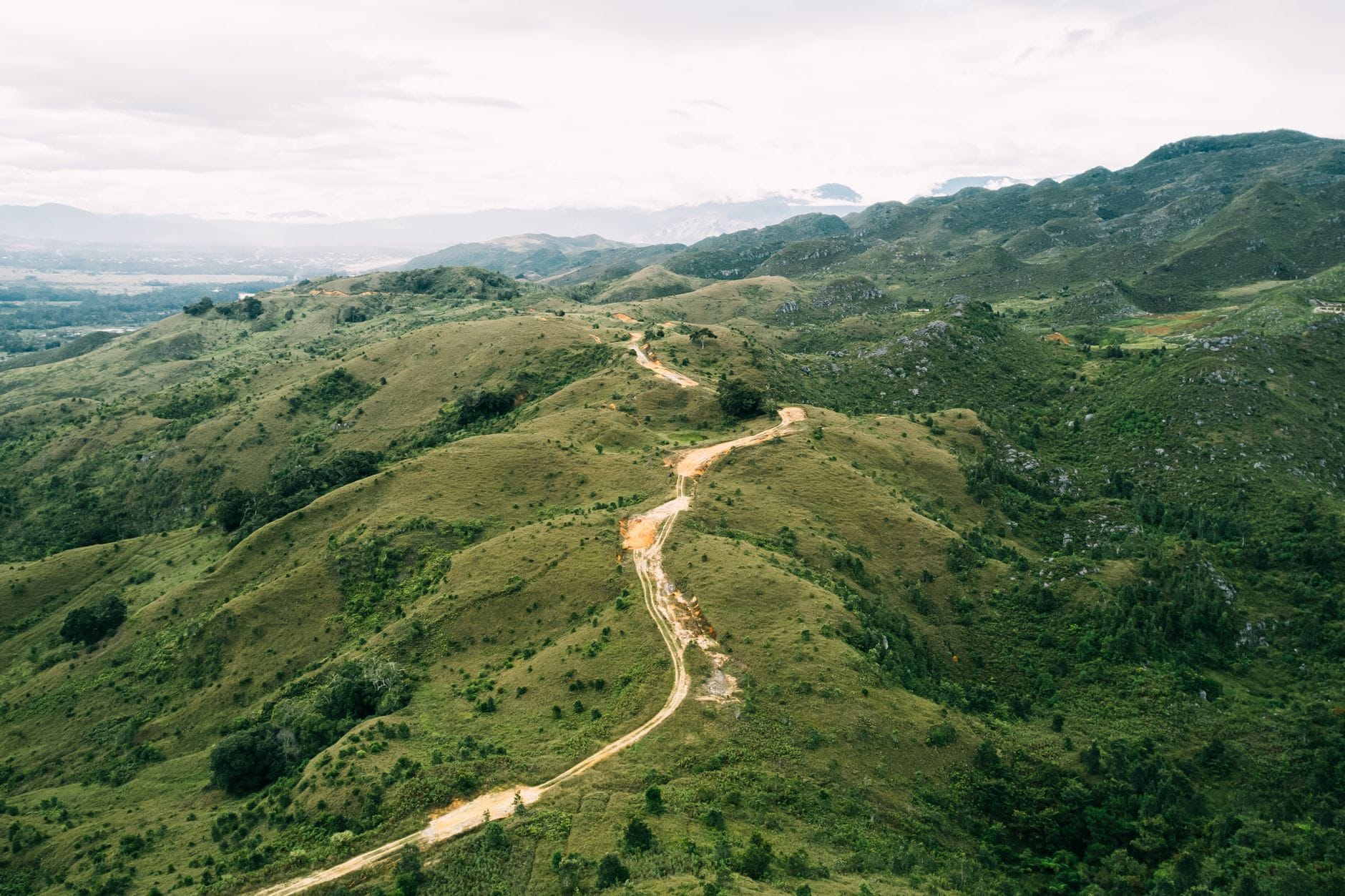
Northern Rivers Region, New South Wales, MMN Correspondent: Imagine pedaling 135 kilometers through ancient rainforests, past historic bridges, and alongside rivers where glow-worms flicker in the darkness of a century-old tunnel. That’s the promise of the Northern Rivers Rail Trail, a project that would connect the sugar cane fields of the Tweed Valley to the rolling hinterlands of Casino. But here’s the catch: a critical 54-kilometer gap remains, and a recent $42 million funding rejection has left the dream hanging in the balance.
The story begins in 1894, when the old Lismore to Tweed branch line first carried agricultural goods and passengers through these lush landscapes. For over a century, it served as a lifeline for rural communities. When the last XPT train departed in 2004, a crowd of 200 gathered at the station, holding candles and carrying mock coffins. It was a poignant farewell, but also a beginning. Today, that abandoned corridor is being reborn as a multi-use path for cyclists, walkers, and nature lovers.
Completed sections already offer a taste of what’s possible. The stretch from Murwillumbah to Crabbes Creek winds through rainforests and past historic bridges. Another segment between Casino and Lismore follows rivers teeming with native wildlife. The Burringbar Tunnel, the longest of nine along the route, is a highlight: on bright summer days, glow-worms flicker in the darkness while microbats navigate the damp chambers. It’s a natural wonder that draws visitors from far and wide.
Yet the full vision remains unrealized. The missing link between Bangalow and the Tweed River area severs what could be a seamless 135-kilometer journey. In June 2026, a joint application for $42 million in federal funding from Byron, Lismore, and Ballina shire councils was rejected. Byron’s mayor, Sarah Ndiaye, called the decision ‘heartbreaking.’ But local leaders aren’t giving up. They argue the trail offers far more than a scenic ride.
Mayor Sharon Cadwallader of Ballina Shire describes it as a regional lifeline. ‘It’s a tourism engine, a health initiative, a climate-resilient transport alternative, and a unifying force across our communities,’ she says. With public transport largely absent in the region and road safety a persistent concern, the trail provides a safe, low-impact alternative. Economic data underscores the urgency: during the 2024–25 financial year, regional GDP declined in all four councils, with Byron down 4.90% and Ballina down 2.50%. Climate-related disasters have compounded the challenge, with one shire suffering over $300 million in damage from a single night of extreme weather in 2022.
But the potential returns are immense. Pat Grier, a longtime advocate who has seen New Zealand’s Otago Central Rail Trail draw thousands annually, believes the Northern Rivers region has even greater appeal. ‘We’ve got mountains, sea, history, food, music festivals, distilleries, writers’ events—everything,’ he says. ‘Why wouldn’t we attract visitors?’ He sees the trail not as a competitor to future rail services, but as a complementary asset. Lydia Kindred of Northern Rivers Rail Ltd supports this dual approach. Her organization is pursuing a phased revival of passenger rail, starting with a solar-powered train from Byron to Mullumbimby. ‘They’re not in opposition,’ she insists. ‘They’re part of the same ecosystem of sustainable mobility.’
The funding rejection has galvanized the community. A new campaign urges locals and supporters to push for action. ‘Now people realize they have to fight for it,’ says Grier. ‘This setback might actually strengthen our resolve.’ Environmental experts also highlight the trail’s role in climate adaptation. By reducing car dependency and encouraging active transport, the completed trail would lower emissions and promote resilience. Its integration with existing green corridors enhances biodiversity connectivity across the region.
Globally, countries like Germany, Canada, and Japan have successfully converted disused rail lines into thriving trails, boosting local economies and improving quality of life. Australia’s northern NSW region now faces a pivotal moment. The missing link isn’t just a gap in pavement—it’s a barrier to regional unity, economic recovery, and environmental sustainability. As advocates continue their campaign, the message is clear: the vision is not dead. It simply demands renewed commitment, collaboration, and investment.
For those who pedal through the Burringbar Tunnel or pause beneath a canopy of rainforest trees, the unfinished trail is a living reminder of what could be. And for the people of northern NSW, the dream of a connected, vibrant, and sustainable future remains within reach—if only the will to complete it can be found.
Related in Global Warming
Global Warming
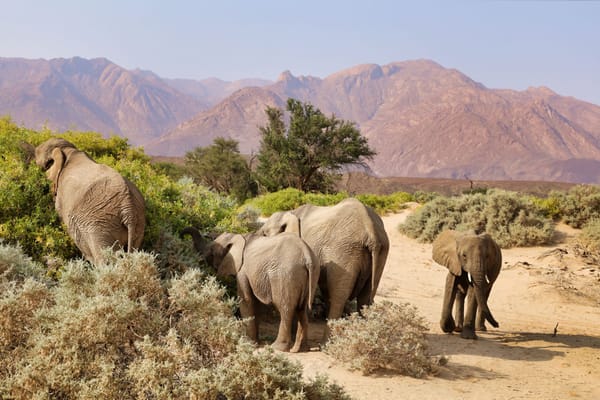
How Namibia’s Desert Elephants Survive 100 Kilometers Without Water: Inside the Hoanib Elephant Camp Experience
Imagine a place where rain is a rumor and the sun rules with an iron glare. Now imagine elephants thriving there. That is the reality in northwestern Namibia’s Kaokoland, where Natural Selection’s Hoanib Elephant Camp opened its doors in May 2026. This isn’t just another safari…
Read More...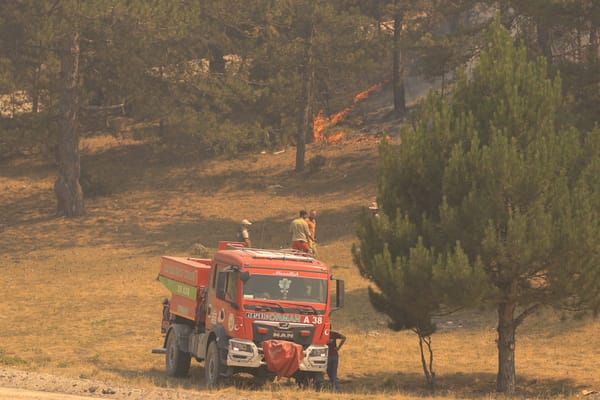
Global Warming
30,000 Evacuated as Southern France and Spain Battle Record Wildfires: What’s Driving the Crisis?
A massive wave of wildfires has torn through southern France and Spain, forcing more than 30,000 people to leave their homes in a matter of days. Temperatures have climbed to life-threatening levels, and a marine heatwave is scorching the Mediterranean. This is not just another…
Read More...
Global Warming
45% of Brits Are Ditching UK Staycations This Summer: Where Are They Going Instead?
Think a heatwave means more people holidaying at home? Think again. New data reveals a surprising twist in Britain’s summer travel story. Despite another scorching season, the much-talked-about staycation boom is cooling off fast. In fact, the number of UK adults planning a dome…
Read More...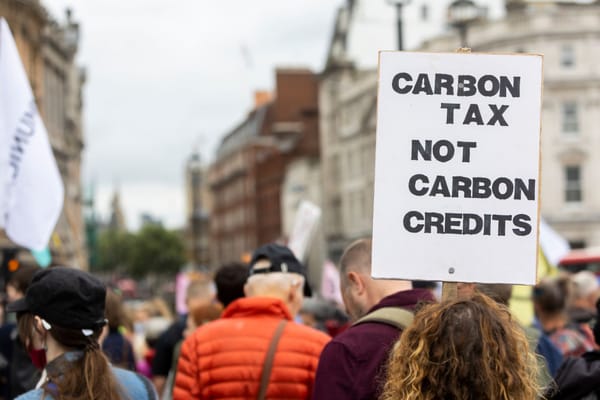
Global Warming
How the UK’s £2 Bus Fare and Zero VAT on Electricity Could Reshape Global Climate Finance
What happens when a wealthy nation decides to fund its green domestic agenda by reallocating money once promised to poorer countries? That is the question stirring debate across climate circles this week, as the United Kingdom’s new Prime Minister Andy Burnham rolls out two eye…
Read More...
Global Warming
China’s Clean Energy Dominance: 434 Allegations in 5 Years—What’s Happening in the Mines Powering Your EV?
You’re driving an electric vehicle, charging it with solar power, and feeling good about the planet. But have you ever wondered where the lithium, cobalt, and nickel inside your battery actually come from? The answer might surprise you—and it’s raising some serious questions abo…
Read More...
Global Warming
How Many Countries Have You Visited? The UK Just Won a Global Travel Challenge Inspired by David Attenborough
What if you could measure your travels against the greatest explorer of our time? That is exactly what nearly 20,000 people did in a global challenge inspired by Sir David Attenborough’s legendary career. And the results reveal something surprising about how we choose to see the…
Read More...
Global Warming
Deep Sea Mining Showdown: UN Tribunal Rejects Corporate Bid to Halt Ocean Floor Probe – What It Means for the Future of Critical Minerals
Imagine a vast underwater plain, stretching over 4.5 million square kilometers, littered with potato-sized rocks that hold the key to our electric future. That is the Clarion-Clipperton Zone, and it is now the center of a legal drama that could determine who gets to harvest the…
Read More...
Global Warming
61% of U.S. Voters Now See Extreme Weather as a Climate Reality – Even Republicans Are Changing Their Minds
A new national poll has captured a striking shift in how Americans view the weather around them. For the first time, a clear majority of likely voters say they see a direct link between the extreme heat, wildfires, floods, and hurricanes they’ve been living through and the broad…
Read More...
Global Warming
Where 11,000 Humpback Whales Migrate in Silence: Inside the Indian Ocean’s Last Quiet Corridor
Imagine standing on a beach where the only sound is the deep, resonant exhale of a humpback whale surfacing just meters away. No boat engines. No sonar pings. No distant shipping horns. This is not a fantasy. It is the daily reality along a 220-kilometer stretch of South Africa’…
Read More...
Global Warming
75% of Carbon Credits Blocked: What China and India’s Bold Move Means for Your Climate Strategy
Imagine waking up to find that nearly three out of every four carbon credits you were counting on just vanished. That’s exactly what happened on June 30, when China and India made a decision that sent ripples through global climate markets. By refusing to endorse their legacy Cl…
Read More...