
How the UK’s £2 Bus Fare and Zero VAT on Electricity Could Reshape Global Climate Finance
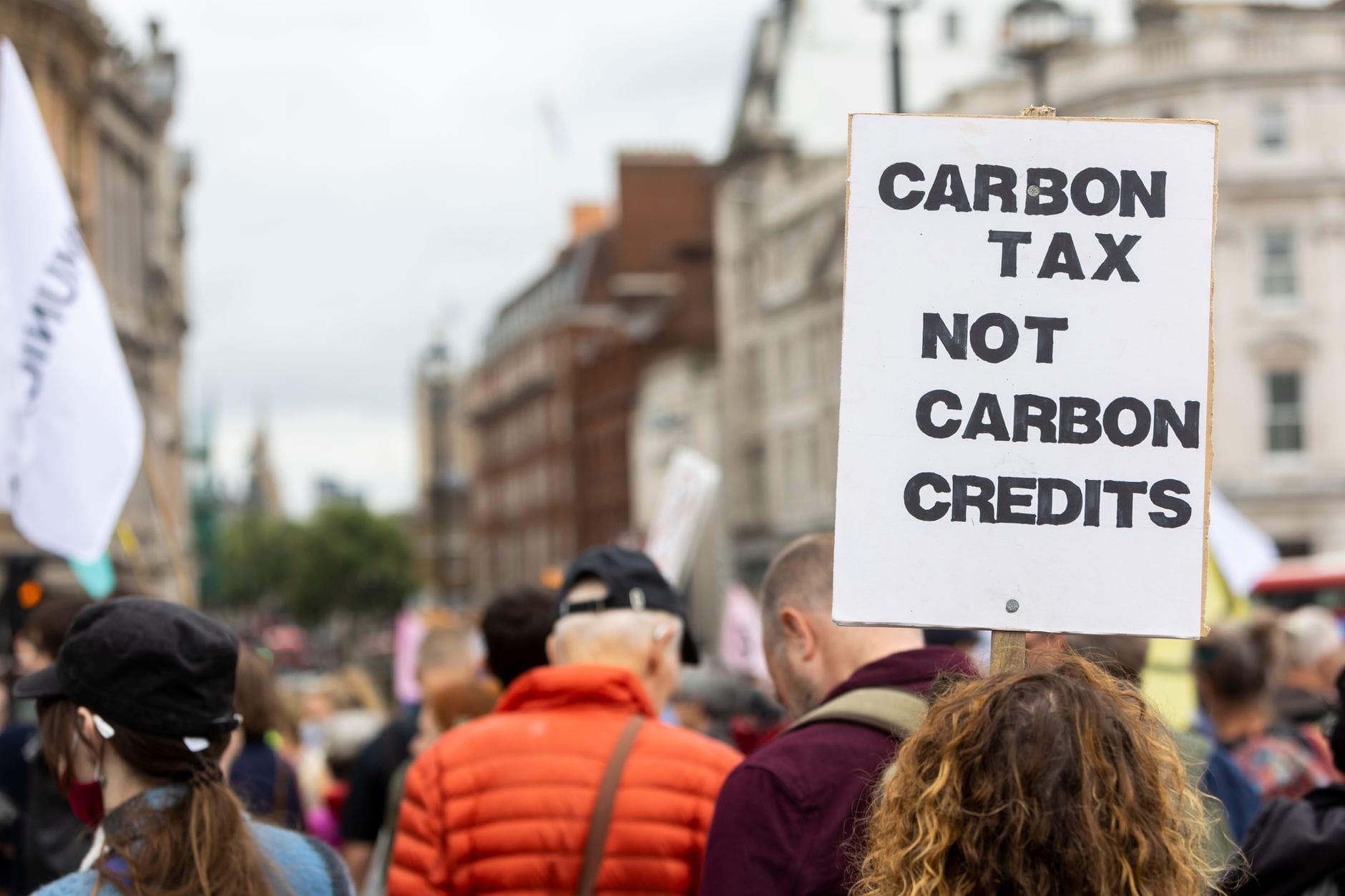
London, United Kingdom, MMN Correspondent: What happens when a wealthy nation decides to fund its green domestic agenda by reallocating money once promised to poorer countries? That is the question stirring debate across climate circles this week, as the United Kingdom’s new Prime Minister Andy Burnham rolls out two eye catching policies: a permanent zero VAT on household electricity bills and a cap on single bus fares at just £2 across England.
These moves, announced within days of Burnham taking office on July 21, 2026, are designed to make clean energy and public transport more affordable for millions of families. The electricity VAT cut alone is expected to save the average household around £45 each year starting October 1, 2026. Meanwhile, the bus fare cap dropping from £3 to £2 from January 1, 2027, aims to encourage more people to leave their cars at home and embrace lower carbon travel.
On the surface, these policies look like a win win. Lower bills for voters, faster progress toward the UK’s 2050 net zero target, and a tangible boost for electric vehicles and heat pumps. Experts say such incentives could finally make clean technology accessible to lower income households who have long been priced out of the green transition.
But here is where the story takes an unexpected turn. The government has revealed that £400 million of the roughly £454 million needed to fund the bus fare reduction will come from reclassifying money originally set aside for international climate projects. Instead of grants, these funds will now be offered as loans to developing nations. That shift means countries already struggling to adapt to floods, droughts, and rising seas may face higher debt burdens just to access the support they were promised.
Romilly Greenhill, who leads the UK based NGO network BOND, described the decision as disappointing. She warned that it risks pitting marginalized communities in the UK against those in lower income countries who are already bearing the worst impacts of a climate crisis they did little to cause. The phrase robbing Peter to pay Paul has been repeated by several critics who see this as a dangerous precedent for global climate finance.
This controversy arrives at a delicate moment. At COP30, Brazil launched the Tropical Forest Finance Facility, an innovative mechanism to protect rainforests, but it remains underfunded. The UK itself halved its pledge to the UN’s flagship climate fund in recent months, from £1.6 billion to around £800 million. Trust in wealthy nations commitments is already fragile.
Mohamed Adow, director of Power Shift Africa, put it plainly: climate finance was never meant to be a flexible pot for domestic political needs. He argues that when donors treat it like a slush fund, they erode the credibility of the entire global system. Countries like India, Nigeria, and Bangladesh depend on predictable, grant based support to build resilience. Any retreat from those promises risks weakening multilateral cooperation just when it is needed most.
Still, it is worth understanding the political pressure Burnham faces. The UK is grappling with rising energy prices, stubborn inflation, and widespread public demand for relief. By cutting electricity VAT and bus fares, the government delivers immediate, visible benefits to voters while advancing environmental goals. For many families, a £45 saving on electricity and cheaper bus rides are not trivial. They are real help in a tight economy.
Yet some analysts argue that these measures, while popular, only scratch the surface. Matthew Paterson, a politics professor at Manchester University, points out that tinkering with consumer taxes does not address the root causes of high energy prices. He suggests that structural reforms like stronger regulation of private energy companies or even nationalization could have a far greater impact on affordability and emissions.
Industry voices are also calling for more comprehensive changes. Jarrod Birch of Charge UK notes that while the VAT cut helps people who charge electric vehicles at home, public charging stations still face a 20% tax rate. That creates an uneven playing field that could slow the shift to electric mobility. A recent court ruling has pushed the UK tax authority to align public charger rates with household tariffs, but progress remains slow.
On the positive side, Burnham has appointed Miatta Fahnbulleh as Secretary of State for Energy Security and Net Zero. With a background at progressive think tanks like the IPPR and the New Economics Foundation, she is expected to push for deeper policy innovation. Possibilities include expanded social tariffs, subsidies for home batteries, and incentives for community owned renewable projects. Her leadership signals a commitment to thinking beyond tax cuts.
Ed Miliband, now Foreign and Commonwealth Secretary, brings decades of climate diplomacy experience to the table. His role places him at the center of decisions on foreign aid and climate finance allocations. Many observers expect him to advocate for reversing previous aid cuts and aligning foreign policy more closely with climate action.
But challenges remain. John Healey, the surprise choice for Chancellor of the Exchequer, has publicly criticized past defense spending levels and may push to reallocate funds toward military priorities. If he seeks to reduce the aid budget further, it could trigger a deeper crisis in international climate cooperation.
As the world looks ahead to COP31, the UK’s approach will be closely watched. The fundamental tension is clear: how can wealthy nations balance domestic priorities with their historical and moral responsibilities to poorer countries? Cutting energy costs at home may win votes, but shifting the burden onto climate vulnerable nations risks undermining the very foundations of global climate justice.
Ultimately, the success of the UK’s green agenda will be measured not only by how much domestic emissions fall, but by whether it strengthens or weakens the international framework for climate action. Fairness, transparency, and accountability must remain central to every policy decision. The next few months will reveal whether this bold domestic push becomes a model for others or a cautionary tale.
Related in Global Warming
Global Warming
How Namibia’s Desert Elephants Survive 100 Kilometers Without Water: Inside the Hoanib Elephant Camp Experience
Imagine a place where rain is a rumor and the sun rules with an iron glare. Now imagine elephants thriving there. That is the reality in northwestern Namibia’s Kaokoland, where Natural Selection’s Hoanib Elephant Camp opened its doors in May 2026. This isn’t just another safari…
Read More...
Global Warming
30,000 Evacuated as Southern France and Spain Battle Record Wildfires: What’s Driving the Crisis?
A massive wave of wildfires has torn through southern France and Spain, forcing more than 30,000 people to leave their homes in a matter of days. Temperatures have climbed to life-threatening levels, and a marine heatwave is scorching the Mediterranean. This is not just another…
Read More...
Global Warming
45% of Brits Are Ditching UK Staycations This Summer: Where Are They Going Instead?
Think a heatwave means more people holidaying at home? Think again. New data reveals a surprising twist in Britain’s summer travel story. Despite another scorching season, the much-talked-about staycation boom is cooling off fast. In fact, the number of UK adults planning a dome…
Read More...
Global Warming
China’s Clean Energy Dominance: 434 Allegations in 5 Years—What’s Happening in the Mines Powering Your EV?
You’re driving an electric vehicle, charging it with solar power, and feeling good about the planet. But have you ever wondered where the lithium, cobalt, and nickel inside your battery actually come from? The answer might surprise you—and it’s raising some serious questions abo…
Read More...
Global Warming
How Many Countries Have You Visited? The UK Just Won a Global Travel Challenge Inspired by David Attenborough
What if you could measure your travels against the greatest explorer of our time? That is exactly what nearly 20,000 people did in a global challenge inspired by Sir David Attenborough’s legendary career. And the results reveal something surprising about how we choose to see the…
Read More...
Global Warming
Deep Sea Mining Showdown: UN Tribunal Rejects Corporate Bid to Halt Ocean Floor Probe – What It Means for the Future of Critical Minerals
Imagine a vast underwater plain, stretching over 4.5 million square kilometers, littered with potato-sized rocks that hold the key to our electric future. That is the Clarion-Clipperton Zone, and it is now the center of a legal drama that could determine who gets to harvest the…
Read More...
Global Warming
61% of U.S. Voters Now See Extreme Weather as a Climate Reality – Even Republicans Are Changing Their Minds
A new national poll has captured a striking shift in how Americans view the weather around them. For the first time, a clear majority of likely voters say they see a direct link between the extreme heat, wildfires, floods, and hurricanes they’ve been living through and the broad…
Read More...
Global Warming
Where 11,000 Humpback Whales Migrate in Silence: Inside the Indian Ocean’s Last Quiet Corridor
Imagine standing on a beach where the only sound is the deep, resonant exhale of a humpback whale surfacing just meters away. No boat engines. No sonar pings. No distant shipping horns. This is not a fantasy. It is the daily reality along a 220-kilometer stretch of South Africa’…
Read More...
Global Warming
135km of Paradise: Why Australia’s Northern Rivers Rail Trail Is Stuck at the Finish Line
Imagine pedaling 135 kilometers through ancient rainforests, past historic bridges, and alongside rivers where glow-worms flicker in the darkness of a century-old tunnel. That’s the promise of the Northern Rivers Rail Trail, a project that would connect the sugar cane fields of…
Read More...
Global Warming
75% of Carbon Credits Blocked: What China and India’s Bold Move Means for Your Climate Strategy
Imagine waking up to find that nearly three out of every four carbon credits you were counting on just vanished. That’s exactly what happened on June 30, when China and India made a decision that sent ripples through global climate markets. By refusing to endorse their legacy Cl…
Read More...