
How Namibia’s Desert Elephants Survive 100 Kilometers Without Water: Inside the Hoanib Elephant Camp Experience
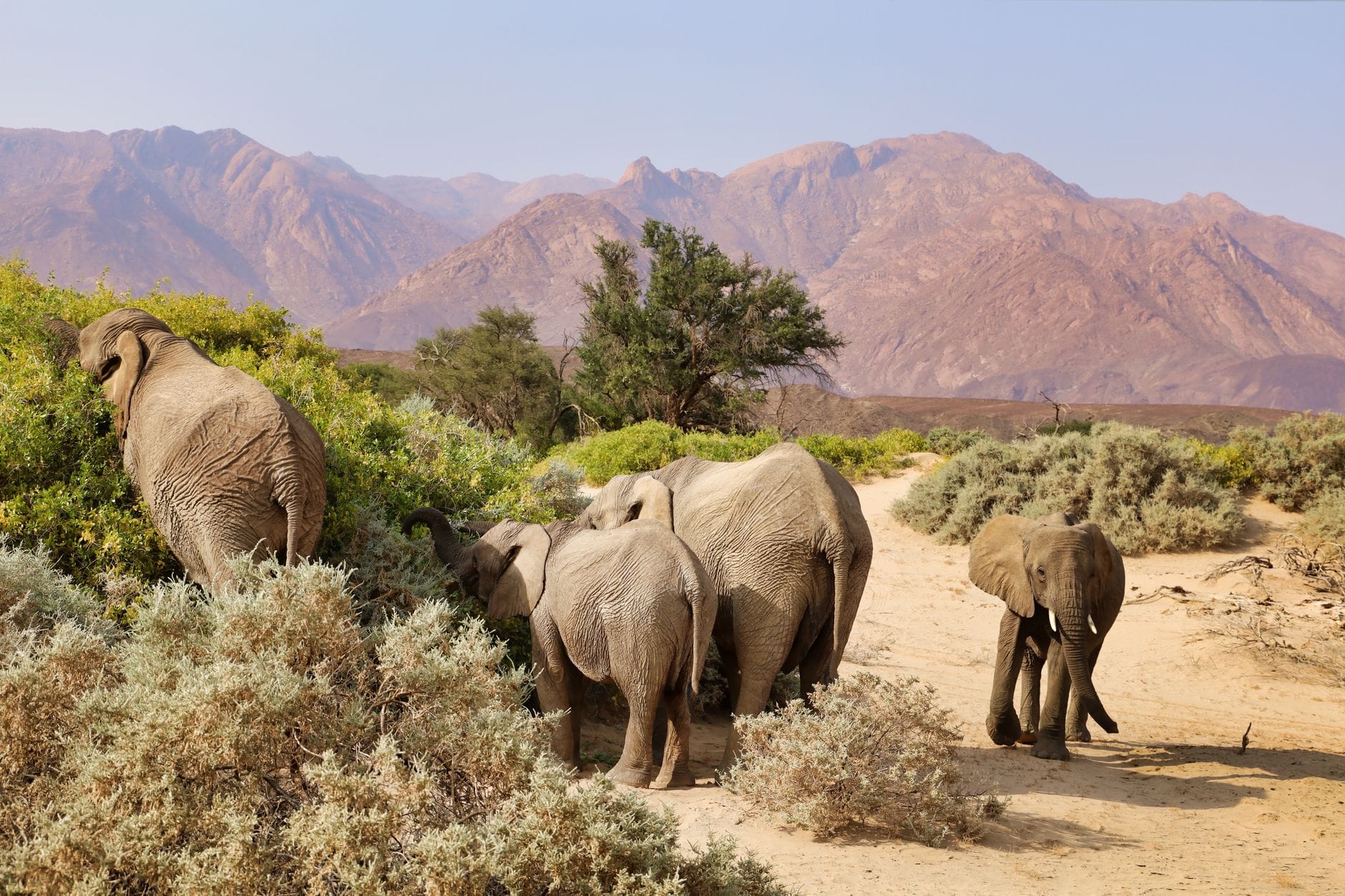
Kaokoland, Namibia, MMN Correspondent: Imagine a place where rain is a rumor and the sun rules with an iron glare. Now imagine elephants thriving there. That is the reality in northwestern Namibia’s Kaokoland, where Natural Selection’s Hoanib Elephant Camp opened its doors in May 2026. This isn’t just another safari lodge. It is a front-row seat to one of nature’s most astonishing survival stories.
The camp sits in the Hoanib River Valley, a landscape carved by ancient water and relentless wind. Fewer than 50 desert elephants roam this valley at any time. These are not your typical savanna elephants. They have longer legs and broader feet, built for covering vast distances. During dry months, they walk up to 100 kilometers between water sources. They dig deep into dry riverbeds with their trunks, finding moisture where none seems to exist. Scientists have observed them going days without drinking, relying on the roots of ana trees that line the seasonal riverbanks.
Hoanib Elephant Camp offers ten guest suites that blend into the terrain. From your deck, you watch elephants move across the horizon like slow-moving mountains. The design minimizes environmental impact while maximizing your connection to the land. You are not just observing. You become part of the ecosystem, learning how each elephant step shapes the valley and supports other life.
The location itself is a geological masterpiece. Tectonic shifts, wind erosion, and the intermittent Hoanib River created a dramatic meeting point of desert, mountains, and ocean. To the west, the Skeleton Coast meets the Atlantic, where fog rolls over dunes and waves crash against sand. The contrast between barren desert and green ribbons of ana trees creates a surreal patchwork of resilience.
Wildlife encounters here feel earned. Beyond the elephants, you might spot giraffes adapted to the dry climate, oryx crossing gravel plains, or the elusive desert lion. These lions have developed unique hunting strategies for this harsh environment. Black rhinos, once nearly wiped out by poaching, are now monitored through coordinated conservation efforts. Their slow return offers a quiet hope.
What makes Hoanib Elephant Camp different is its partnership with the Sesfontein Community Conservancy. This local initiative puts indigenous communities at the center of wildlife management. Every stay supports anti-poaching patrols, habitat restoration, and community projects like schools and clinics. A 1.5 percent fee from each booking plus a mandatory Community, Conservation and Reserve fee goes directly to these efforts. This model shows that luxury travel and conservation can work together. In Namibia, community-based conservancies have increased elephant populations by over 30 percent in two decades. When people benefit from protecting wildlife, they become its strongest guardians.
The cultural layer adds depth. The semi-nomadic Himba people have lived here for centuries, using red ochre body paint and intricate hairstyles as part of their identity. Their knowledge of desert rhythms, plants, and animal behavior complements scientific research. Some guided tours include visits to Himba villages, where you learn about ancestral practices and the spiritual bond between people and land.
Getting to Hoanib is part of the experience. You arrive by light aircraft or four-wheel-drive vehicle. The journey strips away modern noise. Days unfold slowly: dawn drives tracking elephant footprints, midday rest under an ana tree, evening walks with guides who read the desert like a book. There is no Wi-Fi. No traffic. Just wind, distant thunder, and the occasional trumpet of an elephant echoing across the valley.
In a world where mass tourism often damages fragile places, Hoanib Elephant Camp offers a different path. It proves that luxury can fund science, protect species, and preserve cultures. As climate change intensifies droughts across southern Africa, the future of desert elephants depends on our willingness to protect the wild places they call home. For travelers ready to step beyond the ordinary, this camp offers more than a vacation. It offers a reminder that even in the harshest conditions, life finds a way. And sometimes, that way leads straight to the heart of wonder.
Related in Global Warming
Global Warming
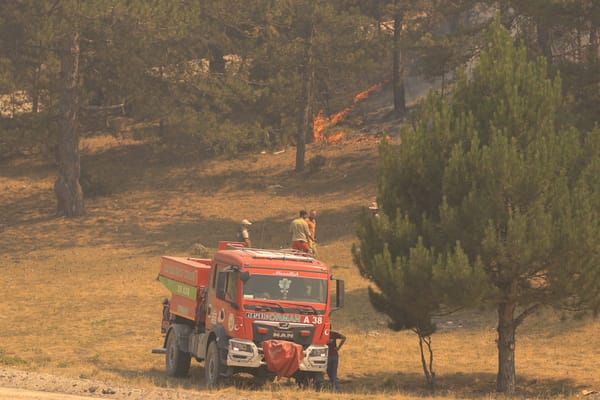
30,000 Evacuated as Southern France and Spain Battle Record Wildfires: What’s Driving the Crisis?
A massive wave of wildfires has torn through southern France and Spain, forcing more than 30,000 people to leave their homes in a matter of days. Temperatures have climbed to life-threatening levels, and a marine heatwave is scorching the Mediterranean. This is not just another…
Read More...
Global Warming
45% of Brits Are Ditching UK Staycations This Summer: Where Are They Going Instead?
Think a heatwave means more people holidaying at home? Think again. New data reveals a surprising twist in Britain’s summer travel story. Despite another scorching season, the much-talked-about staycation boom is cooling off fast. In fact, the number of UK adults planning a dome…
Read More...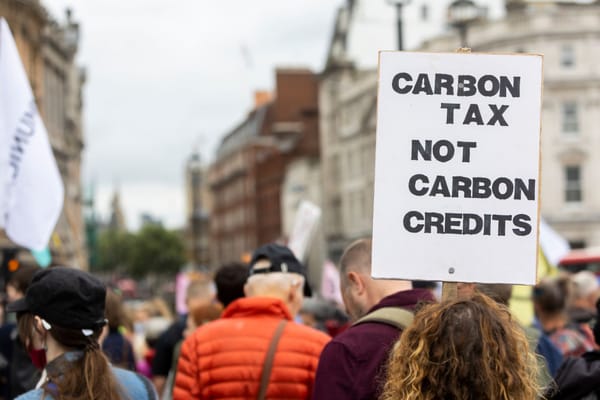
Global Warming
How the UK’s £2 Bus Fare and Zero VAT on Electricity Could Reshape Global Climate Finance
What happens when a wealthy nation decides to fund its green domestic agenda by reallocating money once promised to poorer countries? That is the question stirring debate across climate circles this week, as the United Kingdom’s new Prime Minister Andy Burnham rolls out two eye…
Read More...
Global Warming
China’s Clean Energy Dominance: 434 Allegations in 5 Years—What’s Happening in the Mines Powering Your EV?
You’re driving an electric vehicle, charging it with solar power, and feeling good about the planet. But have you ever wondered where the lithium, cobalt, and nickel inside your battery actually come from? The answer might surprise you—and it’s raising some serious questions abo…
Read More...
Global Warming
How Many Countries Have You Visited? The UK Just Won a Global Travel Challenge Inspired by David Attenborough
What if you could measure your travels against the greatest explorer of our time? That is exactly what nearly 20,000 people did in a global challenge inspired by Sir David Attenborough’s legendary career. And the results reveal something surprising about how we choose to see the…
Read More...
Global Warming
Deep Sea Mining Showdown: UN Tribunal Rejects Corporate Bid to Halt Ocean Floor Probe – What It Means for the Future of Critical Minerals
Imagine a vast underwater plain, stretching over 4.5 million square kilometers, littered with potato-sized rocks that hold the key to our electric future. That is the Clarion-Clipperton Zone, and it is now the center of a legal drama that could determine who gets to harvest the…
Read More...
Global Warming
61% of U.S. Voters Now See Extreme Weather as a Climate Reality – Even Republicans Are Changing Their Minds
A new national poll has captured a striking shift in how Americans view the weather around them. For the first time, a clear majority of likely voters say they see a direct link between the extreme heat, wildfires, floods, and hurricanes they’ve been living through and the broad…
Read More...
Global Warming
Where 11,000 Humpback Whales Migrate in Silence: Inside the Indian Ocean’s Last Quiet Corridor
Imagine standing on a beach where the only sound is the deep, resonant exhale of a humpback whale surfacing just meters away. No boat engines. No sonar pings. No distant shipping horns. This is not a fantasy. It is the daily reality along a 220-kilometer stretch of South Africa’…
Read More...
Global Warming
135km of Paradise: Why Australia’s Northern Rivers Rail Trail Is Stuck at the Finish Line
Imagine pedaling 135 kilometers through ancient rainforests, past historic bridges, and alongside rivers where glow-worms flicker in the darkness of a century-old tunnel. That’s the promise of the Northern Rivers Rail Trail, a project that would connect the sugar cane fields of…
Read More...
Global Warming
75% of Carbon Credits Blocked: What China and India’s Bold Move Means for Your Climate Strategy
Imagine waking up to find that nearly three out of every four carbon credits you were counting on just vanished. That’s exactly what happened on June 30, when China and India made a decision that sent ripples through global climate markets. By refusing to endorse their legacy Cl…
Read More...