
30,000 Evacuated as Southern France and Spain Battle Record Wildfires: What’s Driving the Crisis?
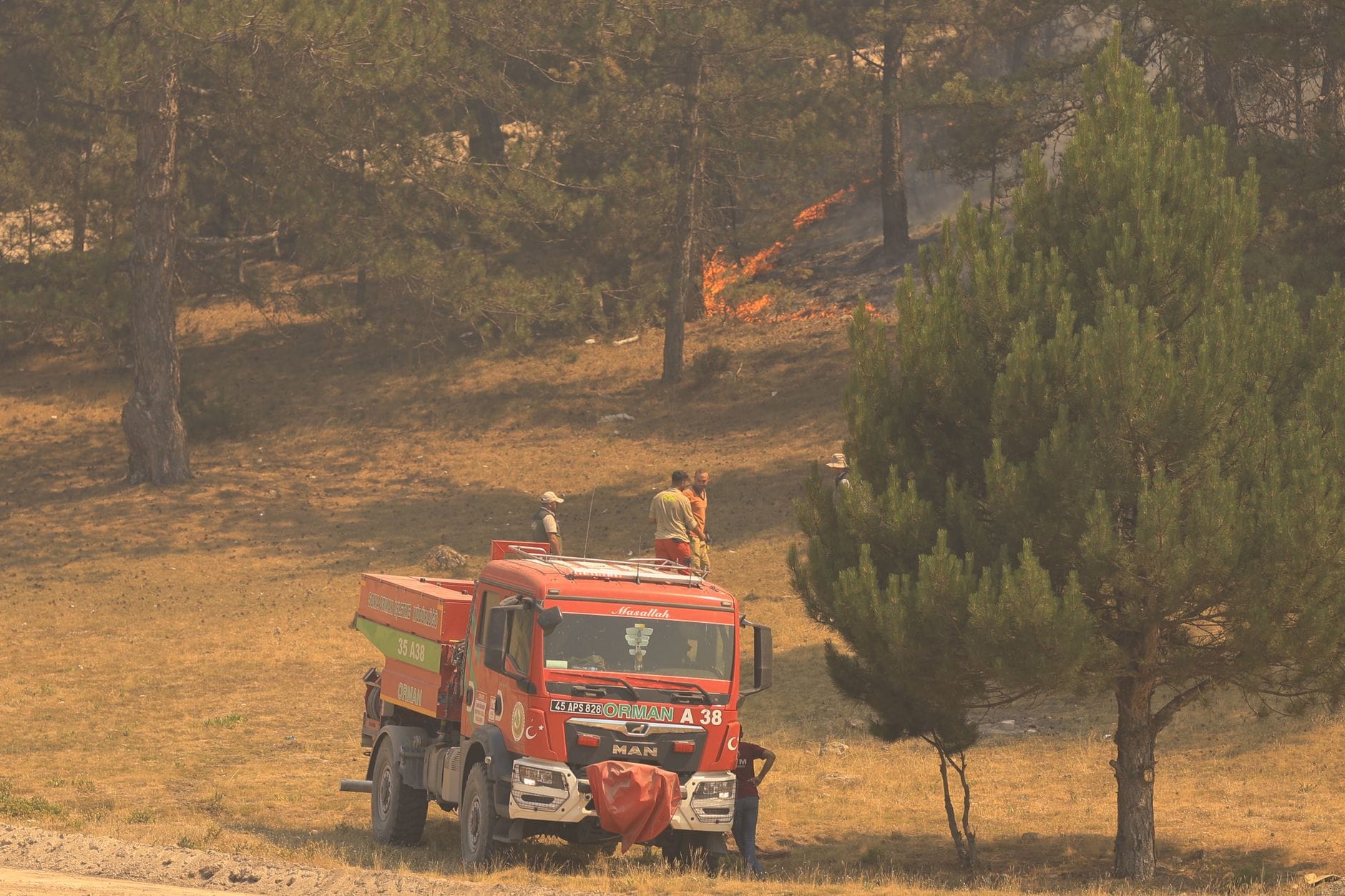
Southern France and Spain, MMN Correspondent: A massive wave of wildfires has torn through southern France and Spain, forcing more than 30,000 people to leave their homes in a matter of days. Temperatures have climbed to life-threatening levels, and a marine heatwave is scorching the Mediterranean. This is not just another summer fire season. It is a turning point.
The most intense blaze started near Saumos, a small village about 40 kilometers west of Bordeaux in southwestern France. Within 24 hours, it had swallowed over 3,700 hectares of dense pine forest. The flames moved fast, creeping toward semi-urban areas and threatening popular holiday spots like the Cap Ferret peninsula, known for its luxury villas and celebrity visitors. Authorities evacuated more than 18,800 people from campsites, holiday homes, and rural communities. Many were tourists who had come to enjoy the coastal charm. Emergency shelters opened in nine towns, housing over 2,500 displaced individuals. Roads to the peninsula were closed to non-essential traffic.
In Spain, the situation was just as serious. The Madrid region and the province of Ávila declared a national emergency as multiple wildfires burned out of control. Around 10,000 people were evacuated from areas near Madrid, and military emergency units were called in to help overwhelmed firefighting teams. One fire in Guadalajara alone consumed 32,000 hectares before being stabilized. Another blaze near Aldea de Fresno forced 3,500 residents to flee as flames advanced through dry vegetation. According to the European Forest Fire Information System, nearly 125,000 hectares have already burned in Spain this year. That is more than three times the area burned during the same period last year.
The extreme heat behind these disasters has been staggering. On Thursday, Cieza in Murcia recorded 44.7°C, breaking regional records. Earlier in the week, cities like Albacete, Ávila, and Teruel shattered their July temperature highs, with readings reaching 42°C. These are not isolated spikes. They are part of a broader pattern. A marine heatwave now covers 80% of the Mediterranean Sea’s surface, with water temperatures up to 5°C above the historical average from 1991 to 2020. This warmth is drying out vegetation, reducing soil moisture, and creating conditions where fires can ignite and spread with frightening speed.
Scientists point to long-term environmental shifts as key drivers. Abandoned rural farmland has allowed vegetation to grow unchecked, turning forests into fuel-rich landscapes. At the same time, rising global temperatures have intensified droughts and extended dry periods, making ecosystems more vulnerable. Víctor Resco de Dios, a forestry engineering expert at the University of Lleida, warns that current trends could lead to fire complexes spanning hundreds of thousands or even millions of hectares. “Although it’s difficult to predict how far things might go,” he says, “we will soon be unable to rule out Dantesque scenarios like those seen in California or Australia.”
France has experienced three consecutive heatwaves since May, each setting new records for duration and intensity. The interior minister confirmed that more than 12,500 wildfires have ignited across the country so far this year. That is an unprecedented number for this time of year. The fire in Saumos appears to have been sparked by a machine clearing undergrowth, and a police investigation is underway. In a telling sign, a rare wildfire broke out near Paris just two weeks ago, showing that even traditionally cooler northern regions are no longer immune.
The human impact is profound. Patrick Martineau, 69, from Le Porge, described the chaos of being woken by police knocking on doors. “It’s scary. Hard to take in. When we bought a home here, we never thought there’d be a fire risk.” Holidaymakers echoed the sentiment. Elke Urbain from Belgium, who visits the area every year, recalled being told to return immediately to her campsite. “It’s just terribly sad.” Jean-Luc Helias, another resident, reflected on surviving a similar fire four years ago. “The firefighters do an amazing job. All that matters to me is that my family is safe. The rest is just material possessions.”
Beyond immediate safety concerns, the economic and agricultural consequences are severe. A recent analysis found that the June heatwave cost western European grain farmers €2 billion in lost revenue, destroying 9 million tonnes of crops. Scientists also discovered that climate breakdown has made extreme soil dryness five times more likely in western Europe and 11 times more likely in eastern Europe. These conditions increase the risk of future fires and threaten food security across the continent.
Forecasters project the Mediterranean heatwave will persist through the weekend, remaining strong from Sardinia to Greece. The focus now is on containment and preparedness. But experts stress that without systemic changes in land management, climate policy, and emergency response infrastructure, such disasters will only intensify. The fires in 2026 mark a turning point. They are not anomalies. They are symptoms of a planet undergoing rapid transformation.
With summer still underway and fire seasons extending well into autumn, authorities warn that the coming weeks may bring even greater challenges. The convergence of extreme heat, dry landscapes, and powerful winds continues to create dangerous fire behavior, including sudden flare-ups and erratic spread patterns. Public vigilance, early warnings, and robust evacuation plans remain critical in protecting lives.
This unfolding crisis underscores a harsh new reality. Southern Europe is no longer just a vacation hotspot. It is a frontline zone in the global battle against climate-driven disasters. As fires rage and temperatures climb, the world watches closely, learning painful lessons about resilience, adaptation, and the urgent need for action.
Related in Global Warming
Global Warming
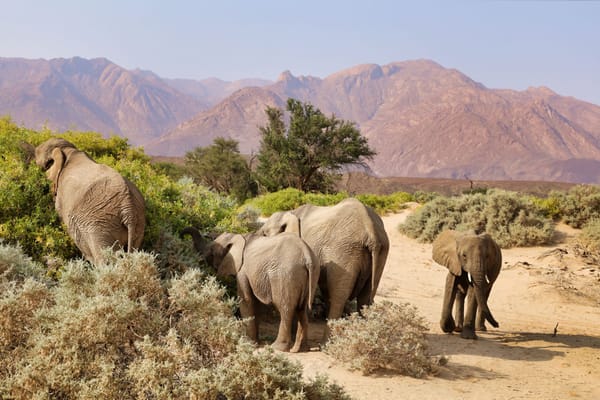
How Namibia’s Desert Elephants Survive 100 Kilometers Without Water: Inside the Hoanib Elephant Camp Experience
Imagine a place where rain is a rumor and the sun rules with an iron glare. Now imagine elephants thriving there. That is the reality in northwestern Namibia’s Kaokoland, where Natural Selection’s Hoanib Elephant Camp opened its doors in May 2026. This isn’t just another safari…
Read More...
Global Warming
45% of Brits Are Ditching UK Staycations This Summer: Where Are They Going Instead?
Think a heatwave means more people holidaying at home? Think again. New data reveals a surprising twist in Britain’s summer travel story. Despite another scorching season, the much-talked-about staycation boom is cooling off fast. In fact, the number of UK adults planning a dome…
Read More...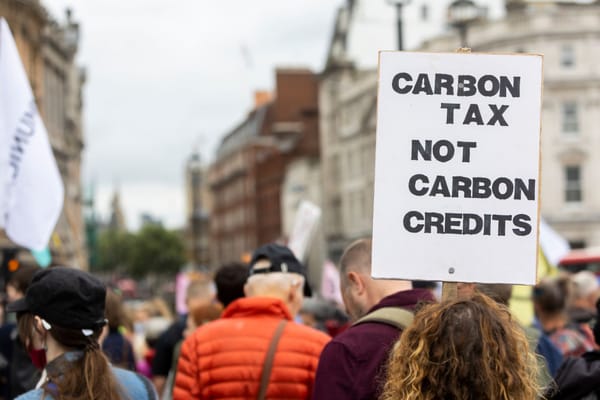
Global Warming
How the UK’s £2 Bus Fare and Zero VAT on Electricity Could Reshape Global Climate Finance
What happens when a wealthy nation decides to fund its green domestic agenda by reallocating money once promised to poorer countries? That is the question stirring debate across climate circles this week, as the United Kingdom’s new Prime Minister Andy Burnham rolls out two eye…
Read More...
Global Warming
China’s Clean Energy Dominance: 434 Allegations in 5 Years—What’s Happening in the Mines Powering Your EV?
You’re driving an electric vehicle, charging it with solar power, and feeling good about the planet. But have you ever wondered where the lithium, cobalt, and nickel inside your battery actually come from? The answer might surprise you—and it’s raising some serious questions abo…
Read More...
Global Warming
How Many Countries Have You Visited? The UK Just Won a Global Travel Challenge Inspired by David Attenborough
What if you could measure your travels against the greatest explorer of our time? That is exactly what nearly 20,000 people did in a global challenge inspired by Sir David Attenborough’s legendary career. And the results reveal something surprising about how we choose to see the…
Read More...
Global Warming
Deep Sea Mining Showdown: UN Tribunal Rejects Corporate Bid to Halt Ocean Floor Probe – What It Means for the Future of Critical Minerals
Imagine a vast underwater plain, stretching over 4.5 million square kilometers, littered with potato-sized rocks that hold the key to our electric future. That is the Clarion-Clipperton Zone, and it is now the center of a legal drama that could determine who gets to harvest the…
Read More...
Global Warming
61% of U.S. Voters Now See Extreme Weather as a Climate Reality – Even Republicans Are Changing Their Minds
A new national poll has captured a striking shift in how Americans view the weather around them. For the first time, a clear majority of likely voters say they see a direct link between the extreme heat, wildfires, floods, and hurricanes they’ve been living through and the broad…
Read More...
Global Warming
Where 11,000 Humpback Whales Migrate in Silence: Inside the Indian Ocean’s Last Quiet Corridor
Imagine standing on a beach where the only sound is the deep, resonant exhale of a humpback whale surfacing just meters away. No boat engines. No sonar pings. No distant shipping horns. This is not a fantasy. It is the daily reality along a 220-kilometer stretch of South Africa’…
Read More...
Global Warming
135km of Paradise: Why Australia’s Northern Rivers Rail Trail Is Stuck at the Finish Line
Imagine pedaling 135 kilometers through ancient rainforests, past historic bridges, and alongside rivers where glow-worms flicker in the darkness of a century-old tunnel. That’s the promise of the Northern Rivers Rail Trail, a project that would connect the sugar cane fields of…
Read More...
Global Warming
75% of Carbon Credits Blocked: What China and India’s Bold Move Means for Your Climate Strategy
Imagine waking up to find that nearly three out of every four carbon credits you were counting on just vanished. That’s exactly what happened on June 30, when China and India made a decision that sent ripples through global climate markets. By refusing to endorse their legacy Cl…
Read More...