
Deep Sea Mining Showdown: UN Tribunal Rejects Corporate Bid to Halt Ocean Floor Probe – What It Means for the Future of Critical Minerals
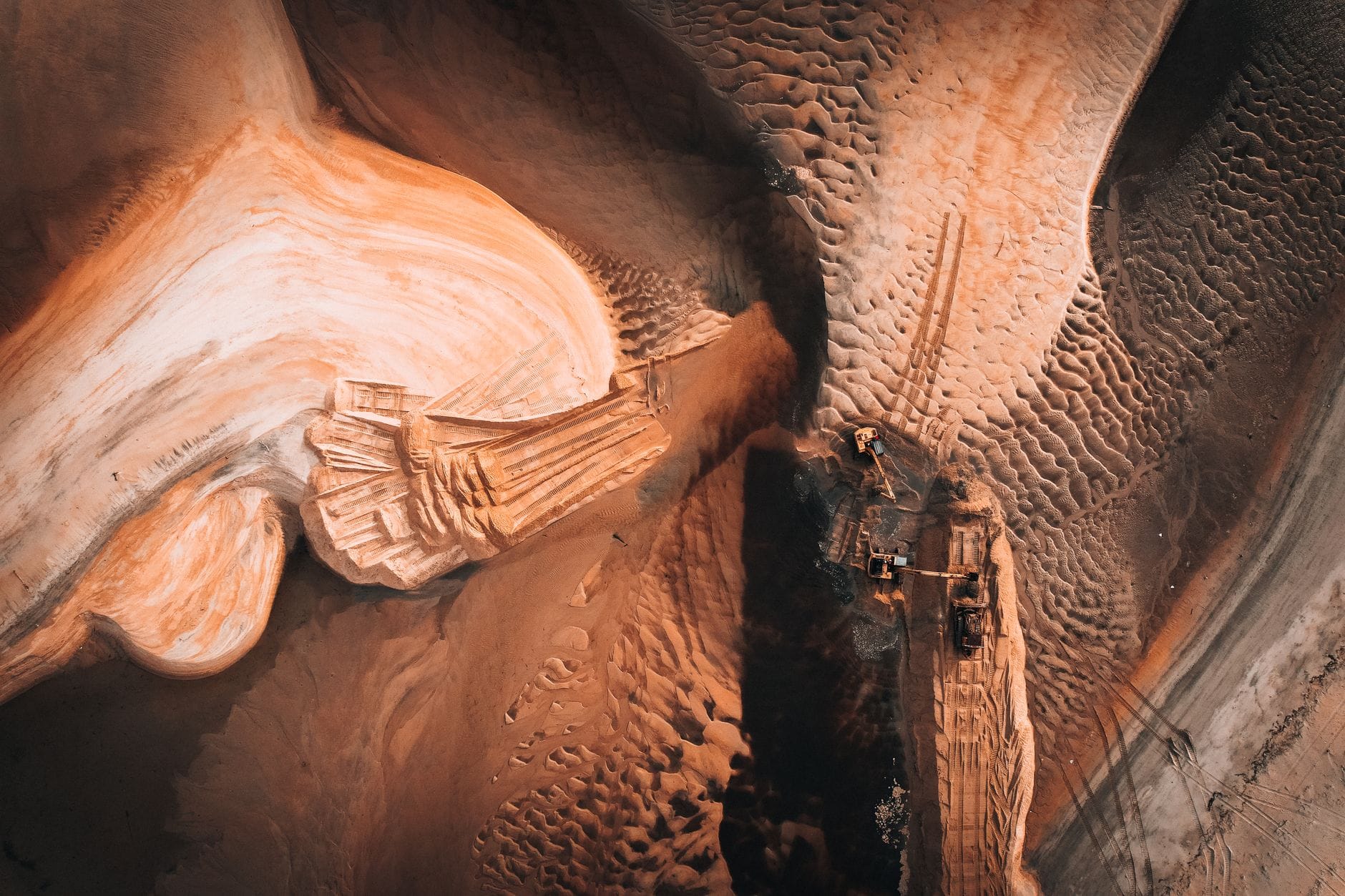
Clarion-Clipperton Zone, Central Pacific Ocean, MMN Correspondent: Imagine a vast underwater plain, stretching over 4.5 million square kilometers, littered with potato-sized rocks that hold the key to our electric future. That is the Clarion-Clipperton Zone, and it is now the center of a legal drama that could determine who gets to harvest the ocean’s riches and under what rules.
On July 20, 2026, the International Tribunal for the Law of the Sea (ITLOS) delivered a decision that sent ripples through the mining world. Two subsidiaries of The Metals Company, Tonga Offshore Mining Ltd and Nauru Ocean Resources Inc, had asked the court to stop a United Nations investigation into their activities. The tribunal said no. The inquiry will move forward, and the International Seabed Authority (ISA) gets to keep its watchdog role intact.
What triggered this whole thing? In early 2026, The Metals Company filed a separate application with the U.S. Department of the Interior for commercial mining rights in an area where it already holds UN backed exploration licenses. That move raised eyebrows. Under the United Nations Convention on the Law of the Sea, everything on the ocean floor beyond national borders belongs to all of humanity. The ISA is supposed to make sure any mining benefits everyone fairly and does not trash marine life. So when TMC went to the U.S. government, the ISA opened an inquiry to see if the company had broken its contract.
TMC argued the investigation was unfair and that its subsidiaries were being singled out. But ITLOS saw it differently. The court said the ISA has every right to investigate, as long as it follows proper procedures. That means the authority must clearly explain why it is investigating, lay out the rules it is using, and give the companies a real chance to respond before any penalties are handed down. It is a balanced approach: accountability with due process.
This is not just a legal spat. It is a window into a much bigger conversation. The Clarion-Clipperton Zone is packed with nickel, manganese, cobalt, copper, and rare earth elements. These are the building blocks of electric vehicle batteries, wind turbines, and smartphones. Supporters of deep sea mining say it could be cleaner than digging on land, where mining often leads to deforestation, water pollution, and human rights issues. Critics, however, point out that the deep ocean is one of the least understood places on Earth. It hosts fragile creatures like iridogorgia corals and bamboo corals that could take centuries to recover from a single mining pass.
Environmental groups welcomed the court’s decision. Louisa Casson from Greenpeace called the legal challenge a distraction tactic designed to delay accountability. She stressed that if the investigation finds contract violations, governments must show that illegal deep sea mining will not be tolerated. The upcoming ISA assembly, scheduled from July 27 to 31, 2026, will be a key moment. Member states will expect a full report on the inquiry and recommendations for next steps.
The Metals Company, for its part, framed the ruling as a win for transparency. CEO Gerard Barron noted that contractors like TOML and NORI have invested hundreds of millions of dollars in exploration. They deserve to know the basis of any allegations and to participate fully in the process. He reiterated the company’s commitment to compliance and called for clearer dispute resolution mechanisms in international law.
The tribunal also ordered both the ISA and TMC to submit compliance reports by August 31, 2026, detailing how they are following the ruling. ITLOS urged both sides to cooperate and avoid actions that could escalate the conflict. The message is clear: keep the process intact and let the facts speak.
This case sets a precedent for how international law handles new industries in uncharted domains. As climate change accelerates and demand for clean energy technologies surges, competition for critical minerals is heating up. Terrestrial reserves are becoming depleted or politically sensitive, making deep sea mining look like a strategic option. But without strong, enforceable rules, the risks of ecological damage, unequal benefit sharing, and legal uncertainty remain high.
Experts say the outcome of this inquiry could shape future treaty negotiations under UNCLOS, especially regarding a binding mining code. The ISA is currently drafting regulations for commercial exploitation, but progress has been slow due to disagreements among member states over environmental safeguards, revenue sharing, and enforcement powers.
One thing is certain: the deep sea is no longer a remote frontier. It is now at the center of a complex geopolitical, legal, and environmental debate. How humanity balances innovation with responsibility in the face of planetary limits will be tested in the months and years ahead. The Clarion-Clipperton Zone remains a symbol of both promise and peril. Its riches may fuel the green transition, but only if extracted with caution, transparency, and respect for the shared ocean commons.
Related in Global Warming
Global Warming
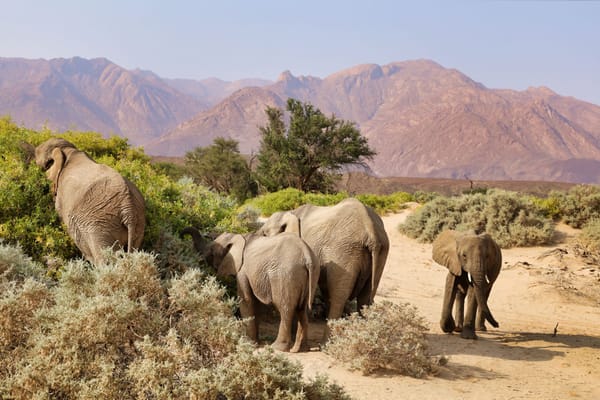
How Namibia’s Desert Elephants Survive 100 Kilometers Without Water: Inside the Hoanib Elephant Camp Experience
Imagine a place where rain is a rumor and the sun rules with an iron glare. Now imagine elephants thriving there. That is the reality in northwestern Namibia’s Kaokoland, where Natural Selection’s Hoanib Elephant Camp opened its doors in May 2026. This isn’t just another safari…
Read More...
Global Warming
30,000 Evacuated as Southern France and Spain Battle Record Wildfires: What’s Driving the Crisis?
A massive wave of wildfires has torn through southern France and Spain, forcing more than 30,000 people to leave their homes in a matter of days. Temperatures have climbed to life-threatening levels, and a marine heatwave is scorching the Mediterranean. This is not just another…
Read More...
Global Warming
45% of Brits Are Ditching UK Staycations This Summer: Where Are They Going Instead?
Think a heatwave means more people holidaying at home? Think again. New data reveals a surprising twist in Britain’s summer travel story. Despite another scorching season, the much-talked-about staycation boom is cooling off fast. In fact, the number of UK adults planning a dome…
Read More...
Global Warming
How the UK’s £2 Bus Fare and Zero VAT on Electricity Could Reshape Global Climate Finance
What happens when a wealthy nation decides to fund its green domestic agenda by reallocating money once promised to poorer countries? That is the question stirring debate across climate circles this week, as the United Kingdom’s new Prime Minister Andy Burnham rolls out two eye…
Read More...
Global Warming
China’s Clean Energy Dominance: 434 Allegations in 5 Years—What’s Happening in the Mines Powering Your EV?
You’re driving an electric vehicle, charging it with solar power, and feeling good about the planet. But have you ever wondered where the lithium, cobalt, and nickel inside your battery actually come from? The answer might surprise you—and it’s raising some serious questions abo…
Read More...
Global Warming
How Many Countries Have You Visited? The UK Just Won a Global Travel Challenge Inspired by David Attenborough
What if you could measure your travels against the greatest explorer of our time? That is exactly what nearly 20,000 people did in a global challenge inspired by Sir David Attenborough’s legendary career. And the results reveal something surprising about how we choose to see the…
Read More...
Global Warming
61% of U.S. Voters Now See Extreme Weather as a Climate Reality – Even Republicans Are Changing Their Minds
A new national poll has captured a striking shift in how Americans view the weather around them. For the first time, a clear majority of likely voters say they see a direct link between the extreme heat, wildfires, floods, and hurricanes they’ve been living through and the broad…
Read More...
Global Warming
Where 11,000 Humpback Whales Migrate in Silence: Inside the Indian Ocean’s Last Quiet Corridor
Imagine standing on a beach where the only sound is the deep, resonant exhale of a humpback whale surfacing just meters away. No boat engines. No sonar pings. No distant shipping horns. This is not a fantasy. It is the daily reality along a 220-kilometer stretch of South Africa’…
Read More...
Global Warming
135km of Paradise: Why Australia’s Northern Rivers Rail Trail Is Stuck at the Finish Line
Imagine pedaling 135 kilometers through ancient rainforests, past historic bridges, and alongside rivers where glow-worms flicker in the darkness of a century-old tunnel. That’s the promise of the Northern Rivers Rail Trail, a project that would connect the sugar cane fields of…
Read More...
Global Warming
75% of Carbon Credits Blocked: What China and India’s Bold Move Means for Your Climate Strategy
Imagine waking up to find that nearly three out of every four carbon credits you were counting on just vanished. That’s exactly what happened on June 30, when China and India made a decision that sent ripples through global climate markets. By refusing to endorse their legacy Cl…
Read More...