
61% of U.S. Voters Now See Extreme Weather as a Climate Reality – Even Republicans Are Changing Their Minds

Washington, D.C., MMN Correspondent: A new national poll has captured a striking shift in how Americans view the weather around them. For the first time, a clear majority of likely voters say they see a direct link between the extreme heat, wildfires, floods, and hurricanes they’ve been living through and the broader climate crisis. The survey, conducted by Data for Progress in July 2026, found that 61% of voters believe extreme weather has become more common over the past five years. That number jumps to 72% among Democrats and 63% among Independents. But the real surprise? 46% of Republicans now agree too.
What’s driving this change? It might be the summer we’ve just had. Record-breaking heatwaves have swept from Washington, D.C., to Chicago and Phoenix. Wildfires have turned skies orange from California to Oregon. Flash floods have swallowed streets in the Northeast. Hurricanes have grown stronger and wetter. When the weather itself becomes impossible to ignore, people start asking questions. And the answers are leading more Americans than ever to connect the dots.
Among all the extreme weather types, heatwaves are the most relatable. 67% of respondents said they believe climate change is making heatwaves worse. That includes 48% of Republicans, a group often portrayed as skeptical of climate science. Why the shift? Because heat doesn’t discriminate. It touches every city, every state, every neighborhood. Unlike hurricanes that hit coasts or tornadoes that tear through plains, extreme heat reaches everyone. In fact, heat-related deaths in the U.S. now outnumber deaths from hurricanes, tornadoes, and floods combined each year. That’s a statistic that hits home.
The poll also found strong agreement on other climate-linked events. 64% of voters believe wildfires are being worsened by climate change. 63% say droughts are intensifying. 62% see flooding and flash flooding as more severe. Hurricanes and severe thunderstorms each received 59% support. These numbers align closely with what scientists at NASA, NOAA, and the IPCC have been saying for years: a warmer planet means more energy in the atmosphere, which fuels more extreme weather.
Still, a gap remains. A separate study from the Yale Program on Climate Change Communication found that 27% of U.S. adults think climate change is mostly natural. That idea runs counter to the overwhelming scientific consensus that human activity, especially burning fossil fuels, is the primary driver. But the trend is moving in the right direction. More people are seeing the evidence with their own eyes.
Political leaders are starting to take notice. Senator Sheldon Whitehouse of Rhode Island, a longtime climate advocate, said the poll shows that the public is “way ahead of the politicians” on this issue. He called out what he describes as “climate hushers,” policymakers who avoid talking about climate risks. His comments come at a time when some national figures still dismiss climate change as a hoax. But the data suggests that strategy is losing ground with voters.
One area where there’s near-universal agreement is workplace protections. 88% of likely voters support state-level policies that require employers to provide drinking water, shaded rest areas, regular breaks, and air conditioning for outdoor workers. That includes construction crews, farmworkers, roofers, warehouse staff, and kitchen employees. Only 7% opposed such measures. This isn’t a partisan issue. It’s a safety issue. Heat stress can lead to dehydration, heat exhaustion, and even death. And extreme heat is already a leading cause of work-related injuries and fatalities in the U.S.
Despite this clear public demand, federal action has stalled. In April 2026, OSHA rolled back its nationwide initiative to combat heat illness, replacing it with a weaker, less enforceable program. Advocacy groups like the National Council for Occupational Safety and Health argue that this polling data gives lawmakers a powerful mandate to act. A federal heat standard would protect vulnerable workers and serve as a model for climate justice, ensuring that frontline communities aren’t left behind.
Beyond policy, extreme heat offers a unique opportunity for conversation. Because it affects everyone, regardless of political affiliation, it can open doors to deeper discussions about emissions, energy systems, and long-term adaptation. When people share the experience of an unbearable summer day or a power outage during a heatwave, they become more open to talking about solutions. That’s a rare gift in a divided country.
The American public is signaling that they’re ready for action. Whether through supporting worker protections, demanding cleaner energy, or pushing for stronger environmental regulations, voters want leadership that matches their concerns. The challenge now is translating that public will into meaningful, equitable policy before the next extreme weather event arrives. In an era where climate denialism still has a voice, the fact that millions of Americans, including many Republicans, now recognize the reality of climate-driven disasters is a turning point. It’s not just about science. It’s about survival, equity, and responsibility. And when people see danger close to home, they tend to demand change.
Related in Global Warming

Global Warming
How Namibia’s Desert Elephants Survive 100 Kilometers Without Water: Inside the Hoanib Elephant Camp Experience
Imagine a place where rain is a rumor and the sun rules with an iron glare. Now imagine elephants thriving there. That is the reality in northwestern Namibia’s Kaokoland, where Natural Selection’s Hoanib Elephant Camp opened its doors in May 2026. This isn’t just another safari…
Read More...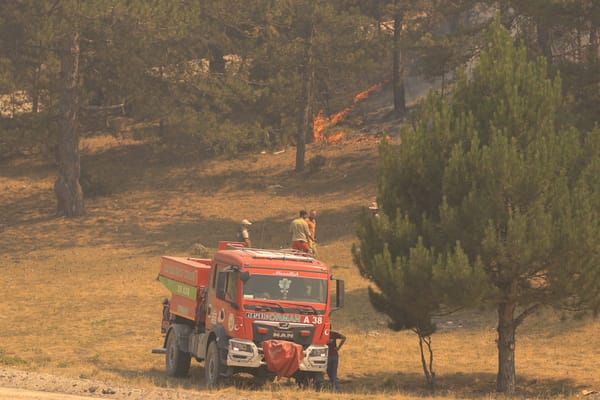
Global Warming
30,000 Evacuated as Southern France and Spain Battle Record Wildfires: What’s Driving the Crisis?
A massive wave of wildfires has torn through southern France and Spain, forcing more than 30,000 people to leave their homes in a matter of days. Temperatures have climbed to life-threatening levels, and a marine heatwave is scorching the Mediterranean. This is not just another…
Read More...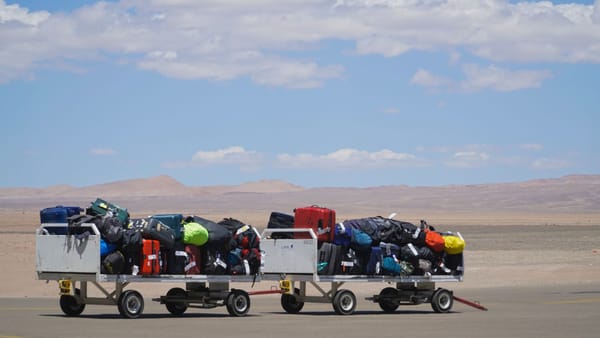
Global Warming
45% of Brits Are Ditching UK Staycations This Summer: Where Are They Going Instead?
Think a heatwave means more people holidaying at home? Think again. New data reveals a surprising twist in Britain’s summer travel story. Despite another scorching season, the much-talked-about staycation boom is cooling off fast. In fact, the number of UK adults planning a dome…
Read More...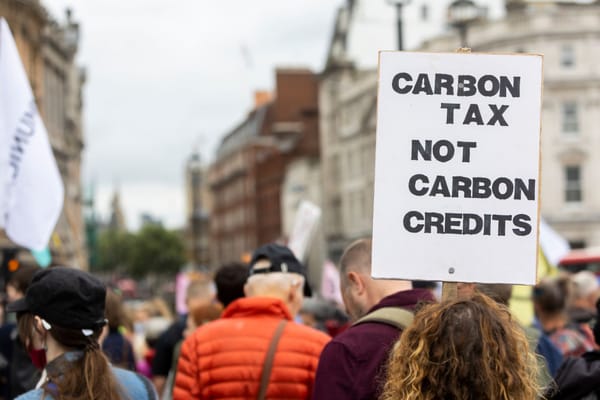
Global Warming
How the UK’s £2 Bus Fare and Zero VAT on Electricity Could Reshape Global Climate Finance
What happens when a wealthy nation decides to fund its green domestic agenda by reallocating money once promised to poorer countries? That is the question stirring debate across climate circles this week, as the United Kingdom’s new Prime Minister Andy Burnham rolls out two eye…
Read More...
Global Warming
China’s Clean Energy Dominance: 434 Allegations in 5 Years—What’s Happening in the Mines Powering Your EV?
You’re driving an electric vehicle, charging it with solar power, and feeling good about the planet. But have you ever wondered where the lithium, cobalt, and nickel inside your battery actually come from? The answer might surprise you—and it’s raising some serious questions abo…
Read More...
Global Warming
How Many Countries Have You Visited? The UK Just Won a Global Travel Challenge Inspired by David Attenborough
What if you could measure your travels against the greatest explorer of our time? That is exactly what nearly 20,000 people did in a global challenge inspired by Sir David Attenborough’s legendary career. And the results reveal something surprising about how we choose to see the…
Read More...
Global Warming
Deep Sea Mining Showdown: UN Tribunal Rejects Corporate Bid to Halt Ocean Floor Probe – What It Means for the Future of Critical Minerals
Imagine a vast underwater plain, stretching over 4.5 million square kilometers, littered with potato-sized rocks that hold the key to our electric future. That is the Clarion-Clipperton Zone, and it is now the center of a legal drama that could determine who gets to harvest the…
Read More...
Global Warming
Where 11,000 Humpback Whales Migrate in Silence: Inside the Indian Ocean’s Last Quiet Corridor
Imagine standing on a beach where the only sound is the deep, resonant exhale of a humpback whale surfacing just meters away. No boat engines. No sonar pings. No distant shipping horns. This is not a fantasy. It is the daily reality along a 220-kilometer stretch of South Africa’…
Read More...
Global Warming
135km of Paradise: Why Australia’s Northern Rivers Rail Trail Is Stuck at the Finish Line
Imagine pedaling 135 kilometers through ancient rainforests, past historic bridges, and alongside rivers where glow-worms flicker in the darkness of a century-old tunnel. That’s the promise of the Northern Rivers Rail Trail, a project that would connect the sugar cane fields of…
Read More...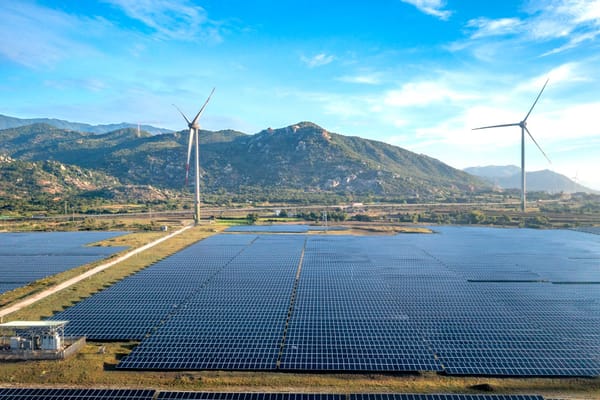
Global Warming
75% of Carbon Credits Blocked: What China and India’s Bold Move Means for Your Climate Strategy
Imagine waking up to find that nearly three out of every four carbon credits you were counting on just vanished. That’s exactly what happened on June 30, when China and India made a decision that sent ripples through global climate markets. By refusing to endorse their legacy Cl…
Read More...