
Where 11,000 Humpback Whales Migrate in Silence: Inside the Indian Ocean’s Last Quiet Corridor
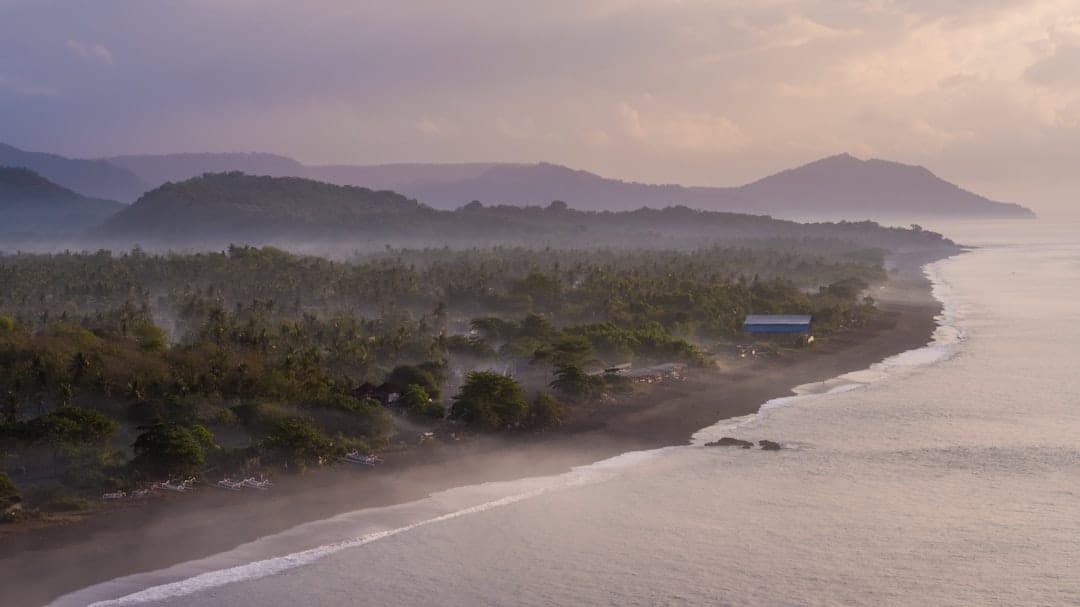
Mabibi, South Africa, MMN Correspondent: Imagine standing on a beach where the only sound is the deep, resonant exhale of a humpback whale surfacing just meters away. No boat engines. No sonar pings. No distant shipping horns. This is not a fantasy. It is the daily reality along a 220-kilometer stretch of South Africa’s eastern coastline, inside the iSimangaliso Wetland Park, a UNESCO World Heritage Site that protects one of the planet’s last undisturbed whale corridors.
Each year, between June and September, tens of thousands of humpback whales complete a 5,000-kilometer journey from the feeding grounds of Antarctica to the warm, shallow breeding waters of Mozambique and Madagascar. They follow the Agulhas Current, a powerful oceanic river that flows along the southeastern edge of Africa, offering both a navigational highway and a thermal buffer for calving and mating. But as global shipping traffic intensifies and underwater noise pollution spreads, most migration routes have become acoustic minefields. Not here.
What makes this corridor so special is not just its biodiversity, though that is staggering. The park spans 1,328,901 hectares and includes coral reefs, dune forests, estuaries, freshwater lakes, and open ocean. It supports bottlenose dolphins, spinner dolphins, manta rays, whale sharks, giant sea turtles, and even the coelacanth, a prehistoric fish once thought extinct for 65 million years until its rediscovery off this very coast in 1938. But the real story is about what is missing: human noise.
Access to the Mabibi shoreline is strictly limited. Thonga Beach Lodge is the only commercial boat launch point in this remote stretch, ensuring minimal human impact. Guests walk directly from their rooms to the beach and watch whales pass so close they can hear the animals breathe. No binoculars needed. No motorized boats required. This is whale watching as it was meant to be: quiet, intimate, and respectful.
The local Tsonga community of Mabibi is the backbone of this conservation success. The lodge’s Marine Centre guides grew up swimming and fishing in these waters. Bonani Mbonambi started as a general helper, developed a passion for diving, and is now a certified dive master. Sipho Qwabe began in maintenance and now leads snorkeling tours through the same coral-filled rockpools he explored as a child. Marine educator Saneliso Mathenjwa, known as Sunny, dedicates her life to teaching younger generations about marine stewardship. “The ocean has always been part of our lives here in Mabibi,” she says. “As children, we swam and fished here. Now we help protect the same beaches and teach our youth how important the ocean is to all of us.”
This intergenerational knowledge transfer ensures that conservation emerges organically from those who depend on the sea most. It is not imposed from outside. It is lived every day.
Monitoring efforts at the lodge focus on the reef directly in front of the property, one of the most closely observed marine environments in the park. During winter months, humpback whales dominate the migration corridor, while dolphins and manta rays make regular appearances. Scientists and guides use real-time observations to track behavior patterns, migration timing, and population health, contributing valuable data to broader marine conservation initiatives.
In 2023, iSimangaliso recorded over 11,000 humpback whales during a single migration season. That number underscores the area’s importance as a breeding ground and refuge. Such figures are increasingly rare elsewhere in the world, where underwater noise from commercial shipping, oil exploration, and naval exercises disrupts whale communication, leading to disorientation, stress, and even strandings.
Thonga Beach Lodge does not offer a typical whale-watching experience. It offers a front-row seat to what the ocean sounds like when left undisturbed. A place where the low-frequency calls of whales echo across the waves. Where the rustle of coral in currents replaces engine hum. Where silence becomes a form of presence. This is a reminder that natural quiet is not passive. It is active. The result of sustained protection, community involvement, and policy commitment.
For travelers seeking transformative experiences rooted in authenticity and sustainability, this region represents the pinnacle of eco-conscious tourism. Visitors do not just witness nature. They become part of a legacy where humans coexist with whales not as spectators, but as stewards.
As climate change and industrial expansion threaten marine ecosystems worldwide, the survival of places like iSimangaliso depends on continued vigilance, funding, and public awareness. The story of this quiet whale corridor is about what happens when we choose preservation over profit, silence over noise, and connection over consumption. The future of the Indian Ocean’s last quiet whale corridor hinges on global recognition and local action. If we can protect this sanctuary, we may yet preserve a glimpse of what the ocean once was, and what it could still be.
Related in Global Warming
Global Warming
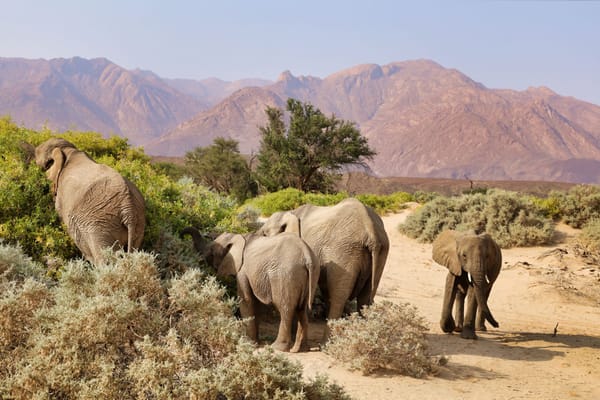
How Namibia’s Desert Elephants Survive 100 Kilometers Without Water: Inside the Hoanib Elephant Camp Experience
Imagine a place where rain is a rumor and the sun rules with an iron glare. Now imagine elephants thriving there. That is the reality in northwestern Namibia’s Kaokoland, where Natural Selection’s Hoanib Elephant Camp opened its doors in May 2026. This isn’t just another safari…
Read More...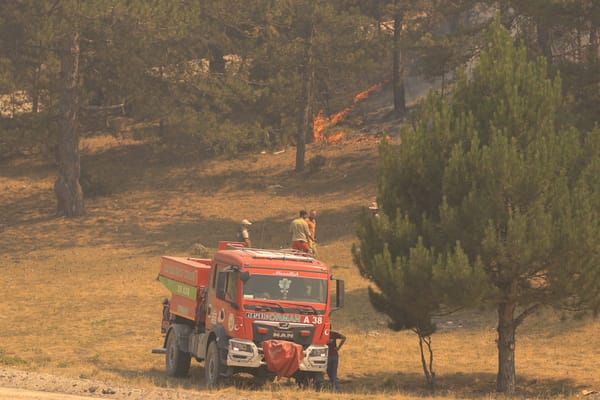
Global Warming
30,000 Evacuated as Southern France and Spain Battle Record Wildfires: What’s Driving the Crisis?
A massive wave of wildfires has torn through southern France and Spain, forcing more than 30,000 people to leave their homes in a matter of days. Temperatures have climbed to life-threatening levels, and a marine heatwave is scorching the Mediterranean. This is not just another…
Read More...
Global Warming
45% of Brits Are Ditching UK Staycations This Summer: Where Are They Going Instead?
Think a heatwave means more people holidaying at home? Think again. New data reveals a surprising twist in Britain’s summer travel story. Despite another scorching season, the much-talked-about staycation boom is cooling off fast. In fact, the number of UK adults planning a dome…
Read More...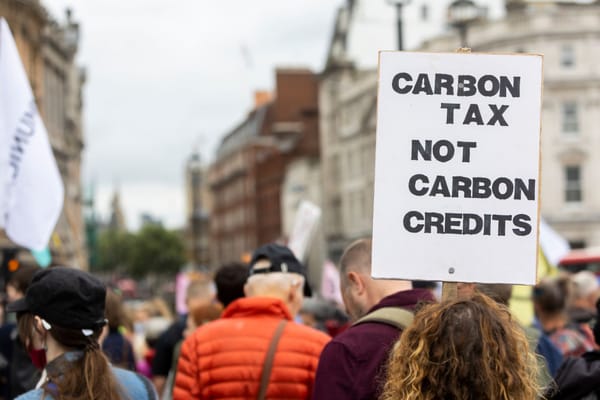
Global Warming
How the UK’s £2 Bus Fare and Zero VAT on Electricity Could Reshape Global Climate Finance
What happens when a wealthy nation decides to fund its green domestic agenda by reallocating money once promised to poorer countries? That is the question stirring debate across climate circles this week, as the United Kingdom’s new Prime Minister Andy Burnham rolls out two eye…
Read More...
Global Warming
China’s Clean Energy Dominance: 434 Allegations in 5 Years—What’s Happening in the Mines Powering Your EV?
You’re driving an electric vehicle, charging it with solar power, and feeling good about the planet. But have you ever wondered where the lithium, cobalt, and nickel inside your battery actually come from? The answer might surprise you—and it’s raising some serious questions abo…
Read More...
Global Warming
How Many Countries Have You Visited? The UK Just Won a Global Travel Challenge Inspired by David Attenborough
What if you could measure your travels against the greatest explorer of our time? That is exactly what nearly 20,000 people did in a global challenge inspired by Sir David Attenborough’s legendary career. And the results reveal something surprising about how we choose to see the…
Read More...
Global Warming
Deep Sea Mining Showdown: UN Tribunal Rejects Corporate Bid to Halt Ocean Floor Probe – What It Means for the Future of Critical Minerals
Imagine a vast underwater plain, stretching over 4.5 million square kilometers, littered with potato-sized rocks that hold the key to our electric future. That is the Clarion-Clipperton Zone, and it is now the center of a legal drama that could determine who gets to harvest the…
Read More...
Global Warming
61% of U.S. Voters Now See Extreme Weather as a Climate Reality – Even Republicans Are Changing Their Minds
A new national poll has captured a striking shift in how Americans view the weather around them. For the first time, a clear majority of likely voters say they see a direct link between the extreme heat, wildfires, floods, and hurricanes they’ve been living through and the broad…
Read More...
Global Warming
135km of Paradise: Why Australia’s Northern Rivers Rail Trail Is Stuck at the Finish Line
Imagine pedaling 135 kilometers through ancient rainforests, past historic bridges, and alongside rivers where glow-worms flicker in the darkness of a century-old tunnel. That’s the promise of the Northern Rivers Rail Trail, a project that would connect the sugar cane fields of…
Read More...
Global Warming
75% of Carbon Credits Blocked: What China and India’s Bold Move Means for Your Climate Strategy
Imagine waking up to find that nearly three out of every four carbon credits you were counting on just vanished. That’s exactly what happened on June 30, when China and India made a decision that sent ripples through global climate markets. By refusing to endorse their legacy Cl…
Read More...