
20,000 Signatures Challenge Foreign Worker Role in Lublin City Hall – What’s Next for Poland?
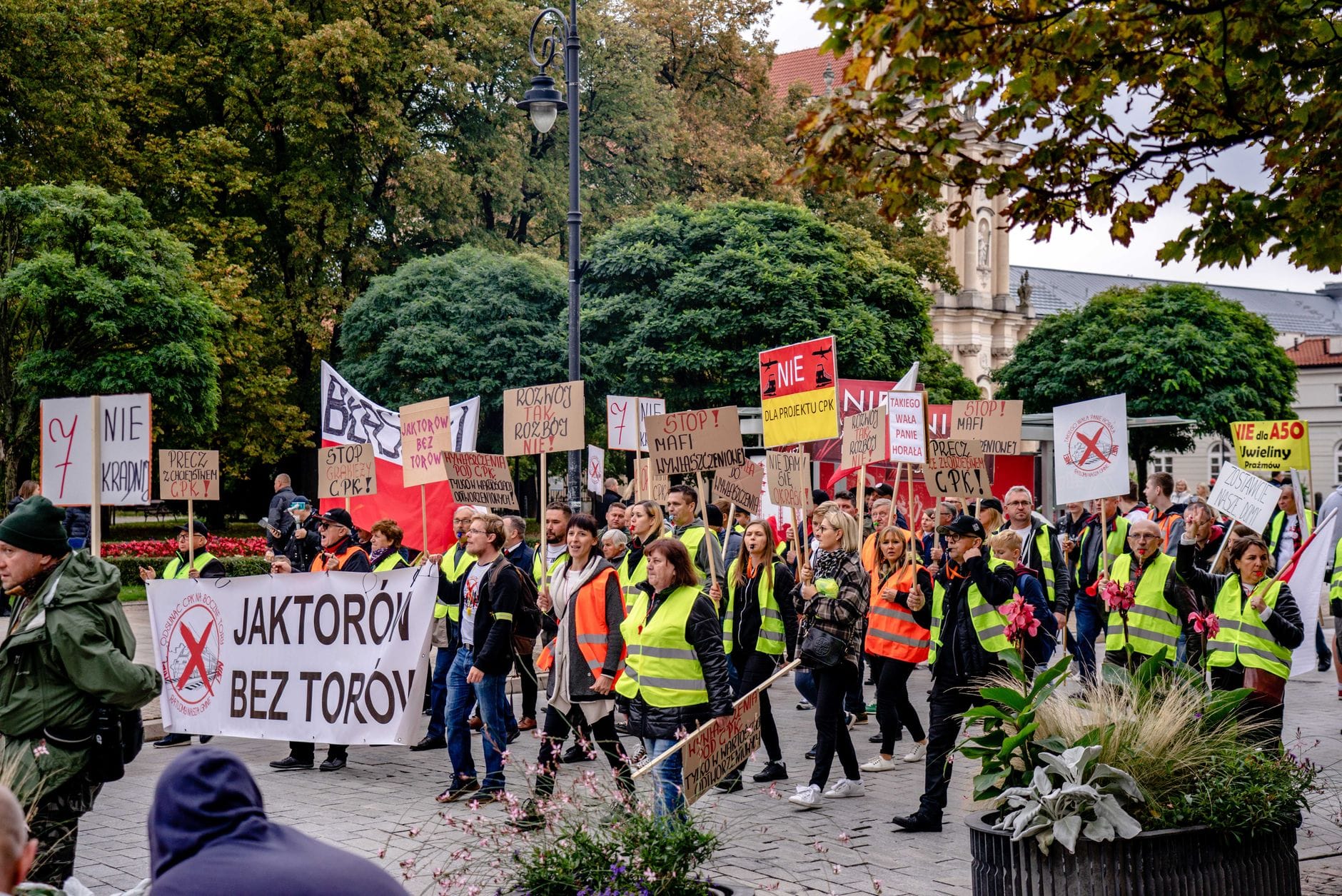
Lublin, Poland, MMN Correspondent: Nearly 20,000 residents have signed a petition demanding the removal of a Ukrainian woman serving as a director in Lublin’s city administration. The campaign, led by Konfederacja activists Piotr Zduńczyk and Rafał Mekler, has sparked a nationwide conversation about national security, cultural identity, and the role of foreign nationals in public institutions. But what exactly is driving this movement, and what does it reveal about Poland’s evolving political landscape?
The petition, launched on July 22, 2026, centers on allegations that the unnamed Ukrainian official promoted a plan to encourage families from African nations to relocate to Lublin under student visa programs. While no official evidence confirms such a program exists, the claim has resonated with residents concerned about rapid demographic change and pressure on public services. Activists argue that this could transform Lublin into a regional migration hub, altering its social fabric in ways that may not align with local priorities.
Piotr Zduńczyk, a key figure in the Lublin branch of Konfederacja, framed the campaign as a stand against what he calls the “internationalization” of Polish cities. He questioned whether Mayor Krzysztof Żuk truly represents native residents or is instead prioritizing developers and ride-hailing companies that benefit from population growth. “STOP imigrantom w Lublinie!” Zduńczyk declared, emphasizing the urgency of the issue. His comments tap into a broader anxiety about who benefits from urban expansion and whether local voices are being heard.
Rafał Mekler raised deeper concerns about national sovereignty. He pointed to Ukraine’s intelligence services’ history of recruiting public sector employees abroad, suggesting that foreign nationals in high-level administrative roles could pose espionage risks. While such claims are difficult to verify, they reflect a growing unease in Eastern Europe about foreign influence in state institutions. Mekler’s argument underscores a fundamental question: How can Poland balance openness with the need to protect its institutional integrity?
The economic dimensions of the debate are equally compelling. Critics argue that large-scale immigration drives up housing demand, benefiting property developers while potentially displacing local workers in low- and mid-skill jobs. These tensions are not unique to Lublin. Similar discussions are unfolding in cities like Wrocław, Kraków, and Warsaw, where local governments face the challenge of integrating humanitarian commitments with domestic economic stability. The petition’s success suggests that many Poles are eager to explore alternative approaches to migration policy.
This controversy unfolds against a backdrop of increasing political polarization in Poland. Konfederacja, a right-wing alliance championing national sovereignty and traditional values, has taken a hardline stance on immigration. Their position contrasts sharply with the ruling coalition led by Donald Tusk, which supports EU-wide migration frameworks and continued aid for Ukraine. Recent polls reveal a deepening divide between urban and rural populations on immigration policy, with Lublin’s petition serving as a flashpoint for these broader tensions.
External developments have added fuel to the fire. In early 2026, several EU member states—including the Czech Republic, Slovakia, and Bulgaria—announced they would no longer contribute to new financial packages for Ukraine, citing budget constraints and a need to prioritize domestic defense. This shift resonates with Polish conservatives who view unconditional support for Kyiv as unsustainable and strategically risky. The Lublin petition, in this context, becomes part of a larger conversation about Poland’s role in Europe and the limits of international solidarity.
The campaign has also drawn attention to environmental and security challenges. In June 2026, a joint conference hosted by Konfederacja and experts highlighted the deteriorating state of Poland’s forests, where droughts and invasive species like mistletoe fungus have devastated millions of trees. Moratoriums on logging, intended to protect ecosystems, have paradoxically accelerated forest degradation. With projected losses exceeding 100 billion złoty, activists warn that ideological approaches to environmental policy can undermine both economic resilience and national security. Similarly, rising incidents of dangerous wildlife encounters—such as bear attacks in villages near Cisna and wolf sightings in Kraków—have intensified calls for more pragmatic animal management policies.
As the signature campaign concludes, Konfederacja leaders are calling for a formal debate in Lublin’s city council on the future of foreign employment in public offices. They insist that decisions affecting national identity and security must involve citizen input, not closed-door negotiations. The movement now stands at a critical juncture: Will Lublin remain a bastion of local governance, or will it become a testing ground for a new model of transnational urbanism?
With nearly 20,000 signatures collected and public interest growing, the outcome could set a precedent for how Polish municipalities navigate demographic transformation, foreign influence, and the balance between openness and sovereignty. The debate is far from over. As Poland grapples with its place in Europe, one thing is clear: ordinary citizens are increasingly determined to shape the future of their communities.
Related in Politics

Politics
Why 3,000+ Professionals Left Ireland’s Child Protection System in 5 Years – And What It Means for Vulnerable Kids
Imagine a system designed to protect children, yet losing over 3,000 of its most essential workers in just five years. That’s exactly what’s happening inside Tusla, Ireland’s national child and family services agency. Between 2020 and 2025, a quiet but powerful shift has taken p…
Read More...
Politics
Is This the End of Morawiecki’s Political Comeback? Bosak Exposes the Cracks in Poland’s Right Wing
Poland’s political stage just got a lot more interesting. Krzysztof Bosak, the Deputy Speaker of the Polish Sejm and leader of the Confederation party, didn’t hold back in a recent interview on the Super Ring channel. He took direct aim at former Prime Minister Mateusz Morawieck…
Read More...
Politics
Chile’s New Law Stops Posthumous Bills: How Families Can Finally Avoid $2,000 in Unwanted Charges After a Loved One Dies
Imagine losing someone you love, and then, weeks later, a bill arrives for their Netflix subscription. Or their phone plan. Or their highway toll pass. It feels wrong, doesn’t it? Yet for thousands of families in Chile, this has been a painful reality. Now, a bold new law called…
Read More...
Politics
Thabazimbi Municipality in Crisis: How ANC Factionalism Is Paralyzing Local Governance and Service Delivery – What Residents Need to Know Before November 2026
Imagine paying your taxes every month, yet the road grader that keeps your rural roads passable has been broken for four months because of a missing fan belt. Imagine calling the municipality about a burst water pipe or a streetlight that’s been out for weeks, only to hear that…
Read More...
Politics
82% Fail Rate: What Western Cape Learner Drivers Reveal About South Africa’s Youth Opportunity Gap
If you are a young person in the Western Cape hoping to get your learner’s licence, the odds are not in your favor. Since the new computerised testing system launched on May 26, 2025, only 18% of applicants have passed. That means 82% are walking away empty handed. Over 142,000…
Read More...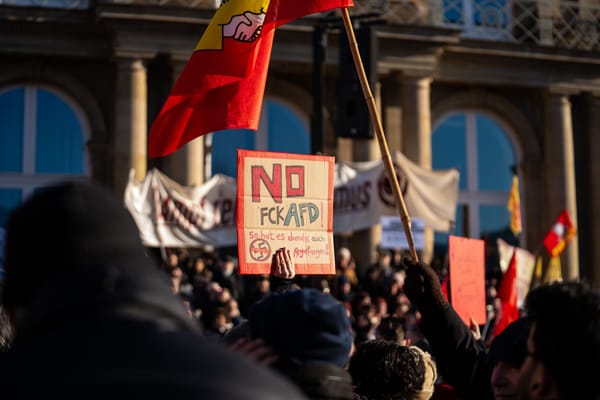
Politics
What Happens When Party Membership Blocks a Candidate? The Friesland Election Controversy Explained
In a move that has captured national attention, Martin Sichert, a member of the Bundestag for the Alternative for Germany (AfD) in Lower Saxony, has been formally barred from running for the position of Landrat in the district of Friesland. The decision, made by the local electi…
Read More...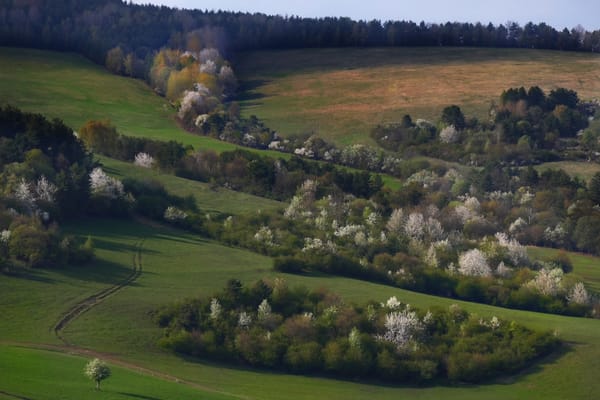
Politics
What Poland’s Rural Resilience Movement Means for Your Future: Krzysztof Mulawa’s Blueprint for National Sovereignty
Imagine a Poland where villages don’t just follow orders from the capital but shape their own destiny. That’s the vision Krzysztof Mulawa, a key voice in the Konfederacja movement, laid out during a recent live broadcast on Radio Wnet. His conversation cut through the noise, off…
Read More...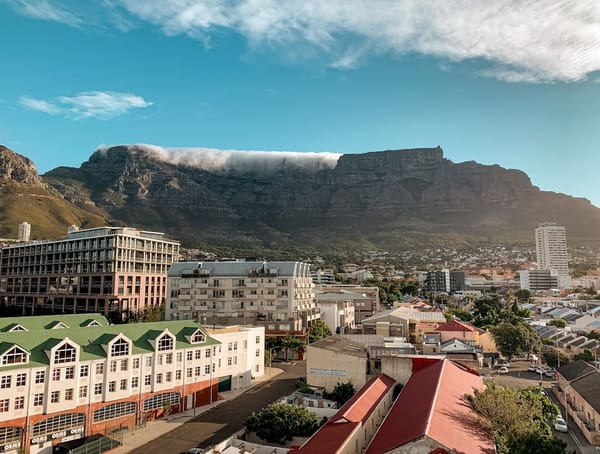
Politics
Cape Town’s Good Hope Centre Sale Sparks Fury: What Happens Next Could Change the City’s Future
What happens when a city tries to sell a piece of its soul? That’s the question Cape Town residents are asking right now as the historic Good Hope Centre sits at the center of a growing storm. The Freedom Front Plus (VF Plus) has stepped in, demanding the city hit pause on the s…
Read More...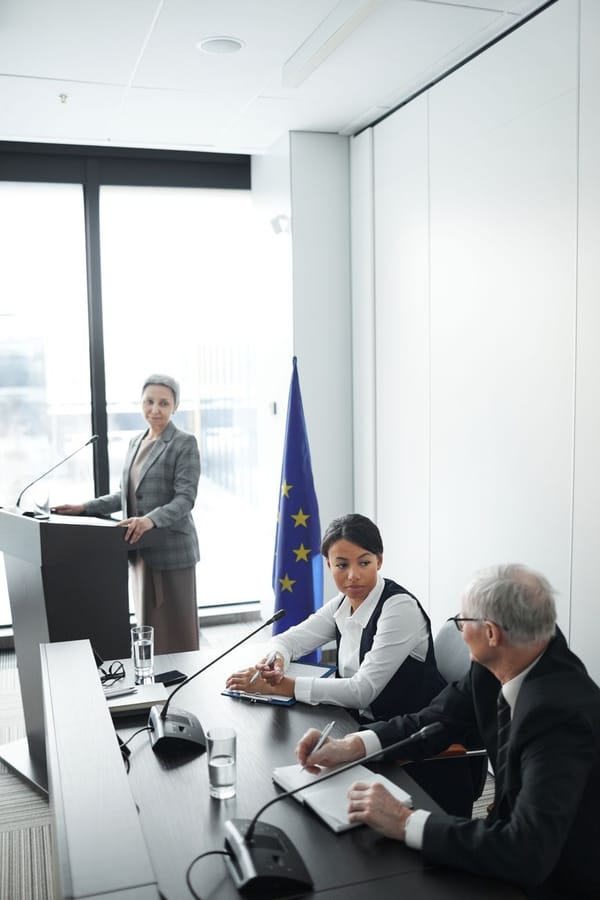
Politics
What’s Really Happening Inside Germany’s AfD? NRW Leadership Crisis Forces Federal Intervention – Here’s What You Need to Know
If you’ve been following German politics, you know the AfD has been riding high in the polls. But behind the scenes, a very different story is unfolding. The party’s national leadership just stepped into a full-blown crisis in North Rhine-Westphalia (NRW), and the details are ra…
Read More...
Politics
Poland 2026: Can a Nation Fix Its Broken Healthcare, Root Out Corruption, and Reclaim Sovereignty?
Poland in the summer of 2026 is a country asking itself some very hard questions. The kind of questions that don’t have easy answers. How did a nation with such resilience end up with a healthcare system where patients die waiting in corridors? Why do public funds keep flowing t…
Read More...