
What Poland’s Rural Resilience Movement Means for Your Future: Krzysztof Mulawa’s Blueprint for National Sovereignty
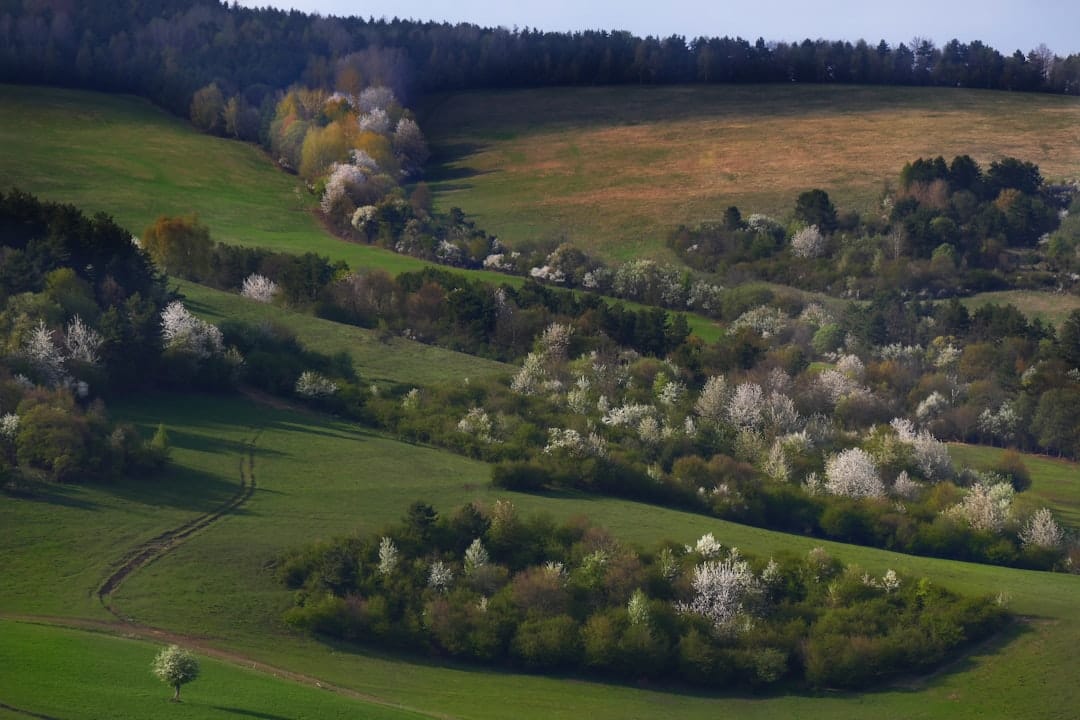
Warsaw, Poland, MMN Correspondent: Imagine a Poland where villages don’t just follow orders from the capital but shape their own destiny. That’s the vision Krzysztof Mulawa, a key voice in the Konfederacja movement, laid out during a recent live broadcast on Radio Wnet. His conversation cut through the noise, offering a fresh perspective on how the nation can tackle its biggest challenges while staying true to its roots. Let’s explore what he said and why it matters for every Pole.
Mulawa started with a topic that hits close to home for many: the environment. He pointed out that while droughts and climate shifts have been predicted for years, government responses often feel like band-aids on a broken system. Instead of reacting after the damage is done, he argued for a smarter approach one that blends science with the wisdom of people who live on the land. Take the European bison, for example. This majestic animal isn’t just a symbol of Polish wilderness; it’s a key player in keeping forests healthy. Mulawa suggested that protecting such species requires more than just declaring them safe. It demands real planning, local input, and a willingness to adapt.
Then came a topic that might make you think twice about your next walk in the park. Mulawa shared stories of wild animals showing up in unexpected places like bears near metro stations and wolves roaming city parks. This isn’t about fear, he clarified. It’s about asking a bigger question: Are we managing our natural spaces wisely? He called out what he described as a bureaucratic fantasy where policies look good on paper but fail in practice. His solution? Create regional councils where ecologists, farmers, and residents work together to balance wildlife needs with public safety. It’s a practical idea that puts decision-making back into local hands.
The conversation took a turn toward privacy and freedom, topics that resonate deeply in today’s digital age. Mulawa pushed back against proposals to expand electronic surveillance, like tracking personal correspondence. He framed this as a choice between two paths: one where trust and transparency build national strength, and another where control erodes the very liberties we value. For him, a strong Poland isn’t one where citizens are watched but one where they feel empowered to speak up and participate. It’s a reminder that democracy thrives on openness, not suspicion.
Economic reform also got its moment in the spotlight. Mulawa acknowledged that unemployment benefits are a safety net, but he questioned whether current systems actually help people get back on their feet. He pointed to data showing long-term dependency on state aid, often because training programs don’t match job market needs. His vision includes a more dynamic approach: temporary support paired with skill-building, job placement services, and incentives for businesses to hire those who’ve been out of work for a while. It’s about turning a handout into a hand up.
Cultural pride and youth engagement were woven throughout the discussion. Mulawa highlighted emerging leaders like Ania Bryłka, whom he called a diamond in the rough. Her straightforward talk about Polish values and self-reliance, he said, reflects a hunger for authenticity in politics. People are tired of empty promises. They want leaders who speak plainly and act with purpose. This shift toward substance over spectacle could redefine how Poland’s next generation engages with public life.
Listeners responded with their own insights. One compared the country’s slow drift toward crisis to a frog in a pot of water that gradually heats up a warning to act before it’s too late. Another raised questions about medical certification processes, wondering if oversight is strong enough to prevent abuse. These comments show a public that’s paying attention and demanding accountability. They want systems that work for everyone, not just those in power.
What ties all these threads together is a call for decentralization. Mulawa’s message is clear: Poland’s strength comes from its communities. When villages and towns have a real say in decisions about land, wildlife, jobs, and privacy, the whole nation benefits. This isn’t about rejecting progress. It’s about blending tradition with innovation, local knowledge with global best practices. As countries around the world wrestle with similar issues climate change, digital rights, economic shifts Poland’s conversation offers a model worth watching.
In the end, Mulawa’s broadcast wasn’t just a political talk. It was an invitation to think differently about what national sovereignty means. Not as a wall against the world, but as a foundation for responsibility, resilience, and respect for both nature and individual freedom. In uncertain times, that’s a message worth carrying forward.
Related in Politics

Politics
Why 3,000+ Professionals Left Ireland’s Child Protection System in 5 Years – And What It Means for Vulnerable Kids
Imagine a system designed to protect children, yet losing over 3,000 of its most essential workers in just five years. That’s exactly what’s happening inside Tusla, Ireland’s national child and family services agency. Between 2020 and 2025, a quiet but powerful shift has taken p…
Read More...
Politics
Is This the End of Morawiecki’s Political Comeback? Bosak Exposes the Cracks in Poland’s Right Wing
Poland’s political stage just got a lot more interesting. Krzysztof Bosak, the Deputy Speaker of the Polish Sejm and leader of the Confederation party, didn’t hold back in a recent interview on the Super Ring channel. He took direct aim at former Prime Minister Mateusz Morawieck…
Read More...
Politics
Chile’s New Law Stops Posthumous Bills: How Families Can Finally Avoid $2,000 in Unwanted Charges After a Loved One Dies
Imagine losing someone you love, and then, weeks later, a bill arrives for their Netflix subscription. Or their phone plan. Or their highway toll pass. It feels wrong, doesn’t it? Yet for thousands of families in Chile, this has been a painful reality. Now, a bold new law called…
Read More...
Politics
Thabazimbi Municipality in Crisis: How ANC Factionalism Is Paralyzing Local Governance and Service Delivery – What Residents Need to Know Before November 2026
Imagine paying your taxes every month, yet the road grader that keeps your rural roads passable has been broken for four months because of a missing fan belt. Imagine calling the municipality about a burst water pipe or a streetlight that’s been out for weeks, only to hear that…
Read More...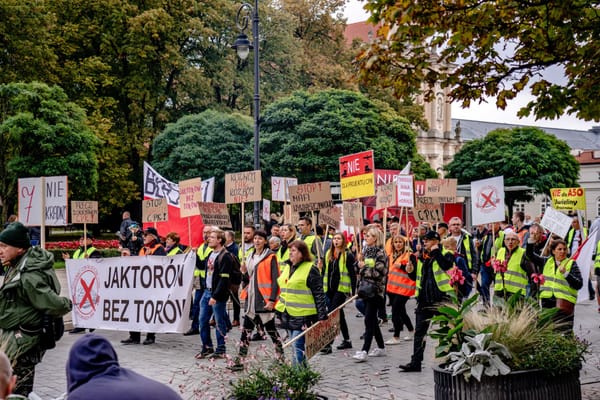
Politics
20,000 Signatures Challenge Foreign Worker Role in Lublin City Hall – What’s Next for Poland?
Nearly 20,000 residents have signed a petition demanding the removal of a Ukrainian woman serving as a director in Lublin’s city administration. The campaign, led by Konfederacja activists Piotr Zduńczyk and Rafał Mekler, has sparked a nationwide conversation about national secu…
Read More...
Politics
82% Fail Rate: What Western Cape Learner Drivers Reveal About South Africa’s Youth Opportunity Gap
If you are a young person in the Western Cape hoping to get your learner’s licence, the odds are not in your favor. Since the new computerised testing system launched on May 26, 2025, only 18% of applicants have passed. That means 82% are walking away empty handed. Over 142,000…
Read More...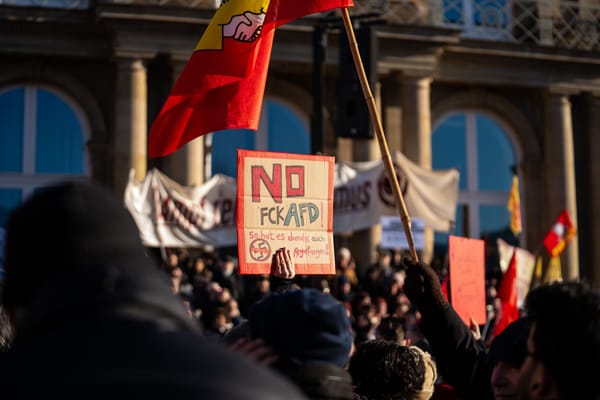
Politics
What Happens When Party Membership Blocks a Candidate? The Friesland Election Controversy Explained
In a move that has captured national attention, Martin Sichert, a member of the Bundestag for the Alternative for Germany (AfD) in Lower Saxony, has been formally barred from running for the position of Landrat in the district of Friesland. The decision, made by the local electi…
Read More...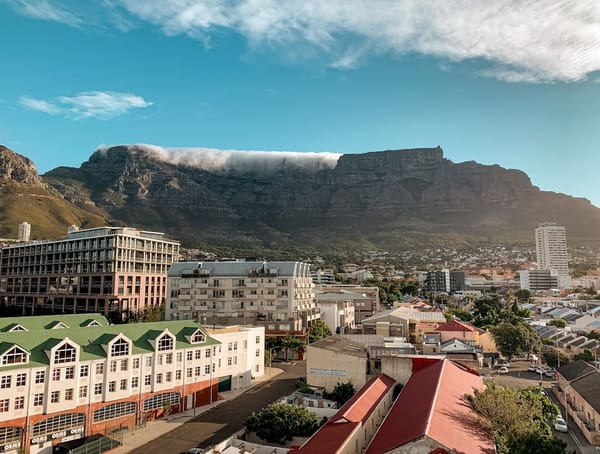
Politics
Cape Town’s Good Hope Centre Sale Sparks Fury: What Happens Next Could Change the City’s Future
What happens when a city tries to sell a piece of its soul? That’s the question Cape Town residents are asking right now as the historic Good Hope Centre sits at the center of a growing storm. The Freedom Front Plus (VF Plus) has stepped in, demanding the city hit pause on the s…
Read More...
Politics
What’s Really Happening Inside Germany’s AfD? NRW Leadership Crisis Forces Federal Intervention – Here’s What You Need to Know
If you’ve been following German politics, you know the AfD has been riding high in the polls. But behind the scenes, a very different story is unfolding. The party’s national leadership just stepped into a full-blown crisis in North Rhine-Westphalia (NRW), and the details are ra…
Read More...
Politics
Poland 2026: Can a Nation Fix Its Broken Healthcare, Root Out Corruption, and Reclaim Sovereignty?
Poland in the summer of 2026 is a country asking itself some very hard questions. The kind of questions that don’t have easy answers. How did a nation with such resilience end up with a healthcare system where patients die waiting in corridors? Why do public funds keep flowing t…
Read More...