
Chile’s New Law Stops Posthumous Bills: How Families Can Finally Avoid $2,000 in Unwanted Charges After a Loved One Dies
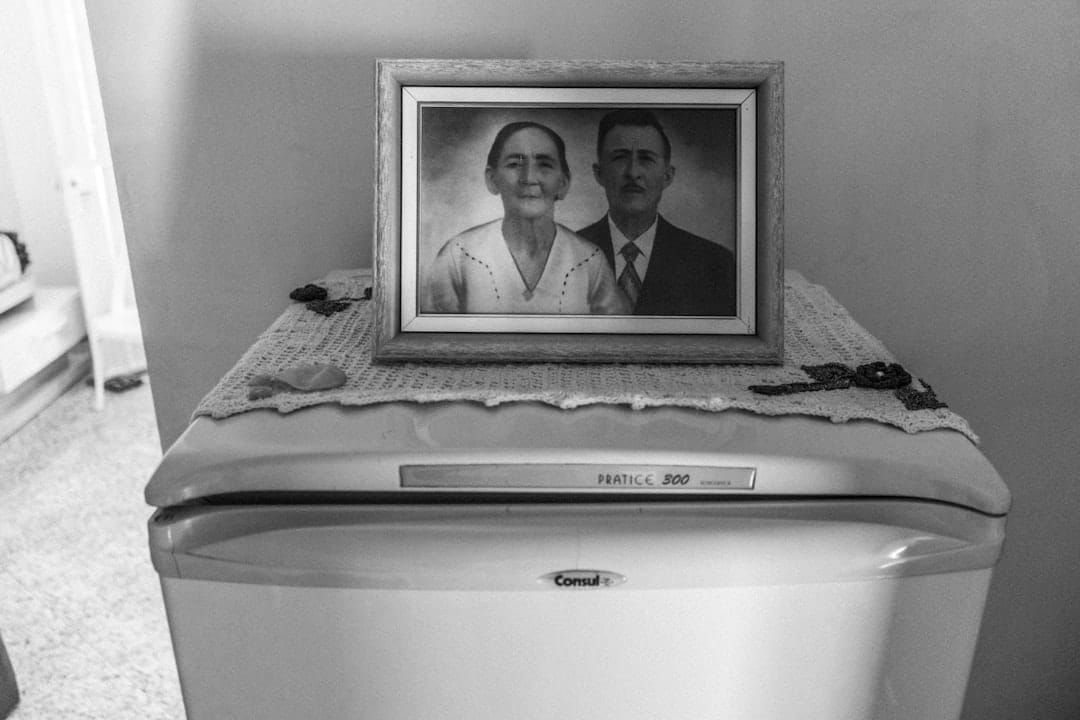
Santiago, Chile, MMN Correspondent: Imagine losing someone you love, and then, weeks later, a bill arrives for their Netflix subscription. Or their phone plan. Or their highway toll pass. It feels wrong, doesn’t it? Yet for thousands of families in Chile, this has been a painful reality. Now, a bold new law called 'Descansa en Paz' (Rest in Peace) is stepping in to change that.
Here’s the thing: when a person passes away, their contracts don’t always die with them. Telecom companies, streaming platforms, and even toll road operators often keep charging month after month. Families, already overwhelmed with grief and paperwork, sometimes don’t notice until the debt has ballooned. In 2022 alone, over 12,000 Chilean households reported receiving invoices for services they never used after a loved one’s death. The average bill? Around $350. Some families faced charges exceeding $2,000.
Deputy Macarena Santelices, who spearheaded this initiative, saw a clear problem. The system was built for the living, not for those left behind. So her team designed a solution that’s refreshingly simple. Under the new proposal, all companies that offer ongoing services must provide easy ways to cancel contracts when a subscriber dies. No complex paperwork. No notarized affidavits. Just a death certificate from Chile’s Registro Civil. That single document is enough to stop the charges immediately.
But what if a family wants to keep the service? Maybe the internet connection is needed for work, or the streaming account is shared. The law covers that too. Surviving family members can request a transfer of ownership by showing proof they are the legal heir or authorized representative. This way, essential services continue without creating extra financial strain on the estate.
Here’s where it gets really interesting. The law includes a strict rule: companies cannot charge interest, late fees, or penalties that arise after a person’s death, especially if the charges result from the provider’s own delay in updating records. If a company fails to cancel a contract after being notified of a death, they cannot legally pursue the family for those costs. That puts the responsibility squarely on the businesses, not the grieving relatives.
This isn’t just a Chilean idea. Countries like Germany, Canada, and Australia have already taken similar steps. A 2023 report from the International Consumer Protection and Enforcement Network found that over 40% of households in developed nations have experienced some form of unintended charge after a family member’s death. Telecom and subscription services are the most common culprits. So Chile is joining a global movement to make digital life fairer, even after life ends.
Critics have asked: what if someone fakes a death certificate to avoid paying bills? It’s a valid concern. But the law includes safeguards. All cancellation requests must go through verified official channels, and companies are required to cross-check documents with national registries. Repeated misuse could lead to fines or blacklisting. So the system is designed to be both compassionate and secure.
There’s also a transparency requirement. Companies must publish clear procedures for handling posthumous account closures on their websites and customer service portals. If they don’t comply, they face regulatory sanctions and public disclosure of their non-compliance. That kind of accountability is rare, and it’s exactly what consumers need.
What makes Chile’s approach stand out is its focus on immediate relief. Instead of forcing families through probate courts or complex legal processes, 'Descansa en Paz' gives them a direct, low-barrier path to closure. It acknowledges that modern life is full of digital contracts, and that outdated systems don’t reflect this reality. When you think about it, why should a grieving widow have to fight a streaming service for a refund? She shouldn’t.
The bill is now moving through Congress, and it’s expected to gain broad bipartisan support. Public sentiment across Chile has been overwhelmingly positive. Social media campaigns and advocacy groups are amplifying calls for reform. Many see this as a moral imperative, a way to recognize the dignity of the deceased and the well-being of their survivors.
If enacted, this law could transform how nations handle digital legacies. It’s a reminder that technology should serve humanity, not burden it. And for millions of families facing loss, it offers something precious: the assurance that peace after death doesn’t come with a price tag.
Related in Politics

Politics
Why 3,000+ Professionals Left Ireland’s Child Protection System in 5 Years – And What It Means for Vulnerable Kids
Imagine a system designed to protect children, yet losing over 3,000 of its most essential workers in just five years. That’s exactly what’s happening inside Tusla, Ireland’s national child and family services agency. Between 2020 and 2025, a quiet but powerful shift has taken p…
Read More...
Politics
Is This the End of Morawiecki’s Political Comeback? Bosak Exposes the Cracks in Poland’s Right Wing
Poland’s political stage just got a lot more interesting. Krzysztof Bosak, the Deputy Speaker of the Polish Sejm and leader of the Confederation party, didn’t hold back in a recent interview on the Super Ring channel. He took direct aim at former Prime Minister Mateusz Morawieck…
Read More...
Politics
Thabazimbi Municipality in Crisis: How ANC Factionalism Is Paralyzing Local Governance and Service Delivery – What Residents Need to Know Before November 2026
Imagine paying your taxes every month, yet the road grader that keeps your rural roads passable has been broken for four months because of a missing fan belt. Imagine calling the municipality about a burst water pipe or a streetlight that’s been out for weeks, only to hear that…
Read More...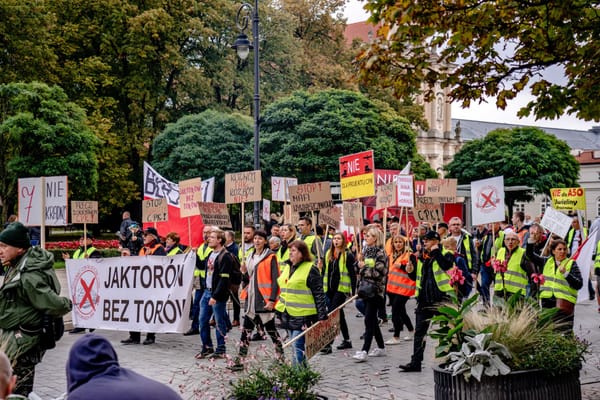
Politics
20,000 Signatures Challenge Foreign Worker Role in Lublin City Hall – What’s Next for Poland?
Nearly 20,000 residents have signed a petition demanding the removal of a Ukrainian woman serving as a director in Lublin’s city administration. The campaign, led by Konfederacja activists Piotr Zduńczyk and Rafał Mekler, has sparked a nationwide conversation about national secu…
Read More...
Politics
82% Fail Rate: What Western Cape Learner Drivers Reveal About South Africa’s Youth Opportunity Gap
If you are a young person in the Western Cape hoping to get your learner’s licence, the odds are not in your favor. Since the new computerised testing system launched on May 26, 2025, only 18% of applicants have passed. That means 82% are walking away empty handed. Over 142,000…
Read More...
Politics
What Happens When Party Membership Blocks a Candidate? The Friesland Election Controversy Explained
In a move that has captured national attention, Martin Sichert, a member of the Bundestag for the Alternative for Germany (AfD) in Lower Saxony, has been formally barred from running for the position of Landrat in the district of Friesland. The decision, made by the local electi…
Read More...
Politics
What Poland’s Rural Resilience Movement Means for Your Future: Krzysztof Mulawa’s Blueprint for National Sovereignty
Imagine a Poland where villages don’t just follow orders from the capital but shape their own destiny. That’s the vision Krzysztof Mulawa, a key voice in the Konfederacja movement, laid out during a recent live broadcast on Radio Wnet. His conversation cut through the noise, off…
Read More...
Politics
Cape Town’s Good Hope Centre Sale Sparks Fury: What Happens Next Could Change the City’s Future
What happens when a city tries to sell a piece of its soul? That’s the question Cape Town residents are asking right now as the historic Good Hope Centre sits at the center of a growing storm. The Freedom Front Plus (VF Plus) has stepped in, demanding the city hit pause on the s…
Read More...
Politics
What’s Really Happening Inside Germany’s AfD? NRW Leadership Crisis Forces Federal Intervention – Here’s What You Need to Know
If you’ve been following German politics, you know the AfD has been riding high in the polls. But behind the scenes, a very different story is unfolding. The party’s national leadership just stepped into a full-blown crisis in North Rhine-Westphalia (NRW), and the details are ra…
Read More...
Politics
Poland 2026: Can a Nation Fix Its Broken Healthcare, Root Out Corruption, and Reclaim Sovereignty?
Poland in the summer of 2026 is a country asking itself some very hard questions. The kind of questions that don’t have easy answers. How did a nation with such resilience end up with a healthcare system where patients die waiting in corridors? Why do public funds keep flowing t…
Read More...