
Cape Town’s Good Hope Centre Sale Sparks Fury: What Happens Next Could Change the City’s Future
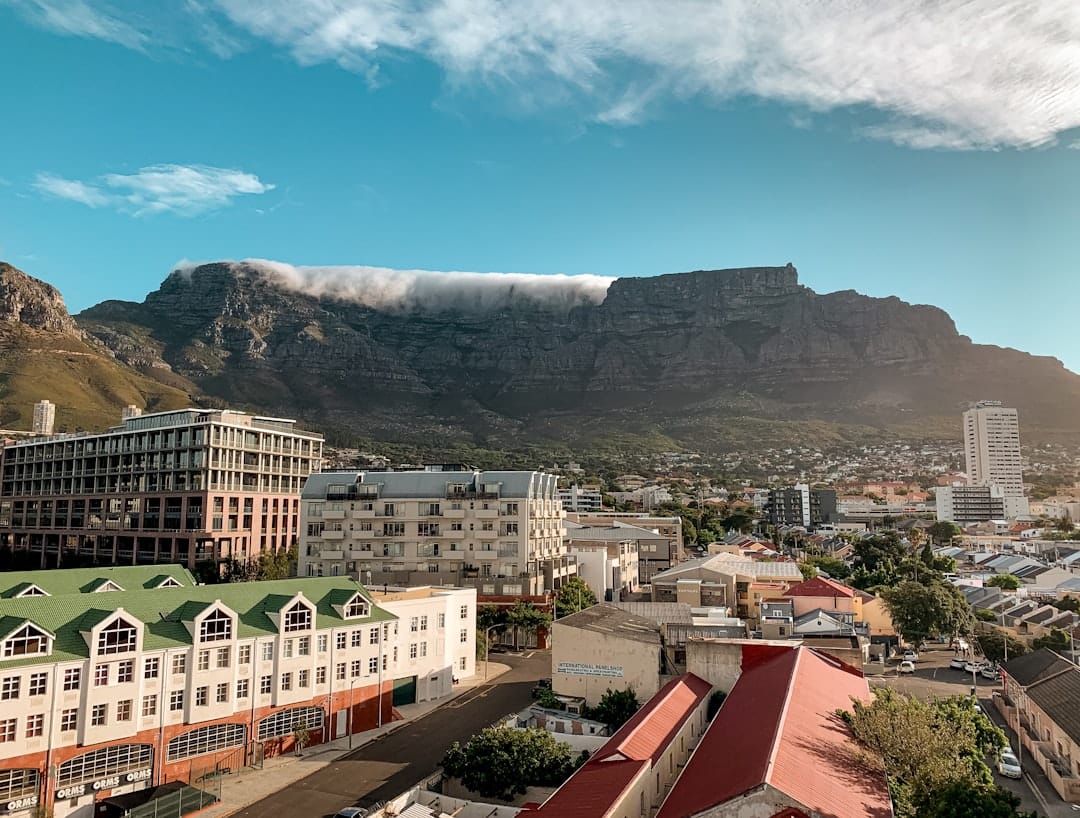
Cape Town, South Africa, MMN Correspondent: What happens when a city tries to sell a piece of its soul? That’s the question Cape Town residents are asking right now as the historic Good Hope Centre sits at the center of a growing storm. The Freedom Front Plus (VF Plus) has stepped in, demanding the city hit pause on the sale of this iconic landmark. Why? Because the details are murky, the bids are contested, and the public feels left in the dark.
Let’s rewind. The Good Hope Centre isn’t just any building. Built in the 1970s during apartheid, it was designed as a cultural and administrative hub. Over the years, it hosted national events, parliamentary sessions, and community gatherings. It’s a symbol of Cape Town’s complex history and civic identity. But now, the City of Cape Town wants to sell it, citing budget shortfalls and a need for revenue. On paper, that sounds practical. In reality, it’s sparked a firestorm.
Here’s where it gets interesting. According to Mayor Geordin Hill-Lewis, the highest bid came from a Nigerian church group offering R135 million. But the city says the bidder couldn’t prove they had the funds. So, they accepted the second-highest bid of R130 million from another group that plans to turn the centre into a mosque and add low-cost housing. Sounds reasonable, right? Not so fast. The original bidder is pushing back, claiming their financial documents were solid. That contradiction has left many wondering: who’s telling the truth?
The VF Plus isn’t buying it. They argue that selling a public asset to a religious group, even with housing attached, serves only a specific community. In a city where over 400,000 people live in informal settlements and housing waiting lists stretch for years, shouldn’t the focus be on inclusive solutions? The party is calling for a full public review before any deal is finalized. They want to see the bidding documents, the financial assessments, and the evaluation criteria. Under South Africa’s Promotion of Access to Information Act, citizens have a right to that information. Denying access could open the city to legal challenges.
But this isn’t just about one building. It’s about how Cape Town handles its heritage. The Good Hope Centre has been a neutral space for reconciliation and policy forums. Turning it into a religious venue could restrict access and erase that legacy. Past examples in other South African cities show that when public buildings go to religious groups, they often become less accessible to the broader public. That’s a risk Cape Town can’t afford, especially with inequality levels among the highest in the country.
The VF Plus has a different vision. Instead of selling, they propose a public participatory study involving urban planners, heritage experts, residents, and civil society. The goal? Transform the Good Hope Centre into a multi-functional civic space with community centers, youth hubs, cultural exhibitions, job training, and affordable housing. A model that ensures long-term public benefit. It’s an ambitious idea, but one that could set a new standard for urban development.
This debate isn’t going away. With elections approaching and public scrutiny intensifying, the city’s next move will be watched closely. Will Cape Town treat the Good Hope Centre as a commodity to be sold, or as a shared treasure to be stewarded for future generations? The answer could shape not just the city’s skyline, but its commitment to transparency, inclusivity, and sustainable growth. Stay tuned because this story is far from over.
Related in Politics

Politics
Why 3,000+ Professionals Left Ireland’s Child Protection System in 5 Years – And What It Means for Vulnerable Kids
Imagine a system designed to protect children, yet losing over 3,000 of its most essential workers in just five years. That’s exactly what’s happening inside Tusla, Ireland’s national child and family services agency. Between 2020 and 2025, a quiet but powerful shift has taken p…
Read More...
Politics
Is This the End of Morawiecki’s Political Comeback? Bosak Exposes the Cracks in Poland’s Right Wing
Poland’s political stage just got a lot more interesting. Krzysztof Bosak, the Deputy Speaker of the Polish Sejm and leader of the Confederation party, didn’t hold back in a recent interview on the Super Ring channel. He took direct aim at former Prime Minister Mateusz Morawieck…
Read More...
Politics
Chile’s New Law Stops Posthumous Bills: How Families Can Finally Avoid $2,000 in Unwanted Charges After a Loved One Dies
Imagine losing someone you love, and then, weeks later, a bill arrives for their Netflix subscription. Or their phone plan. Or their highway toll pass. It feels wrong, doesn’t it? Yet for thousands of families in Chile, this has been a painful reality. Now, a bold new law called…
Read More...
Politics
Thabazimbi Municipality in Crisis: How ANC Factionalism Is Paralyzing Local Governance and Service Delivery – What Residents Need to Know Before November 2026
Imagine paying your taxes every month, yet the road grader that keeps your rural roads passable has been broken for four months because of a missing fan belt. Imagine calling the municipality about a burst water pipe or a streetlight that’s been out for weeks, only to hear that…
Read More...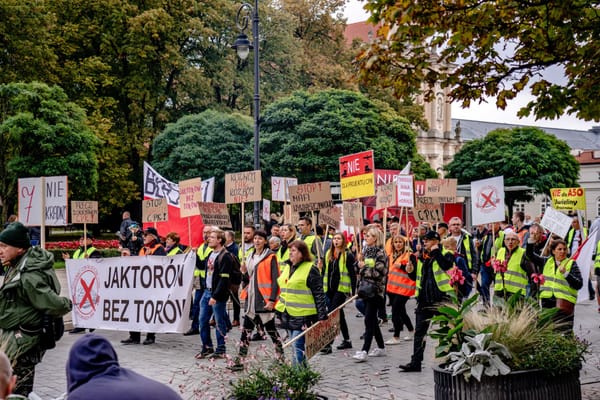
Politics
20,000 Signatures Challenge Foreign Worker Role in Lublin City Hall – What’s Next for Poland?
Nearly 20,000 residents have signed a petition demanding the removal of a Ukrainian woman serving as a director in Lublin’s city administration. The campaign, led by Konfederacja activists Piotr Zduńczyk and Rafał Mekler, has sparked a nationwide conversation about national secu…
Read More...
Politics
82% Fail Rate: What Western Cape Learner Drivers Reveal About South Africa’s Youth Opportunity Gap
If you are a young person in the Western Cape hoping to get your learner’s licence, the odds are not in your favor. Since the new computerised testing system launched on May 26, 2025, only 18% of applicants have passed. That means 82% are walking away empty handed. Over 142,000…
Read More...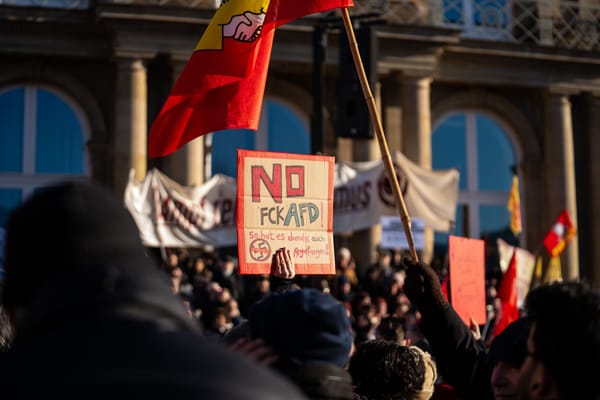
Politics
What Happens When Party Membership Blocks a Candidate? The Friesland Election Controversy Explained
In a move that has captured national attention, Martin Sichert, a member of the Bundestag for the Alternative for Germany (AfD) in Lower Saxony, has been formally barred from running for the position of Landrat in the district of Friesland. The decision, made by the local electi…
Read More...
Politics
What Poland’s Rural Resilience Movement Means for Your Future: Krzysztof Mulawa’s Blueprint for National Sovereignty
Imagine a Poland where villages don’t just follow orders from the capital but shape their own destiny. That’s the vision Krzysztof Mulawa, a key voice in the Konfederacja movement, laid out during a recent live broadcast on Radio Wnet. His conversation cut through the noise, off…
Read More...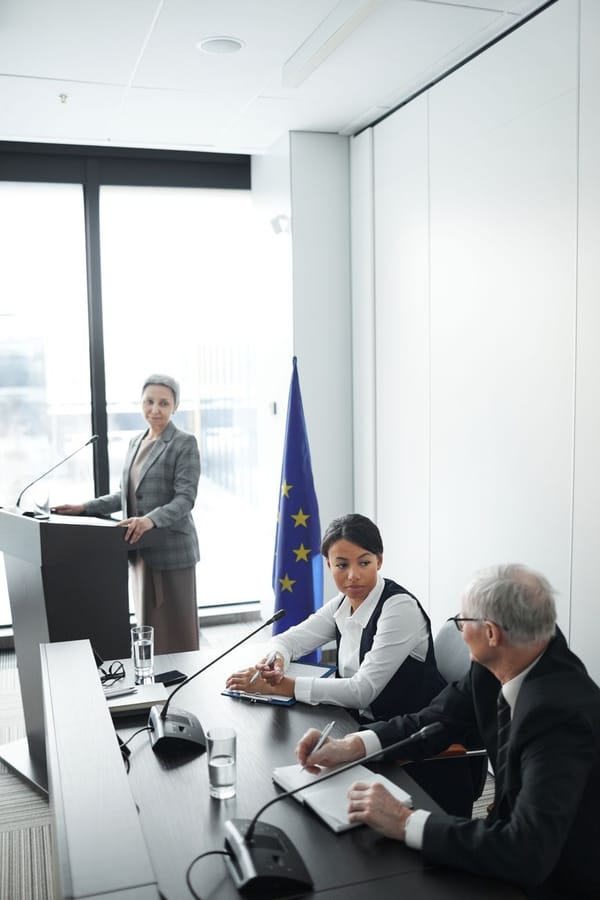
Politics
What’s Really Happening Inside Germany’s AfD? NRW Leadership Crisis Forces Federal Intervention – Here’s What You Need to Know
If you’ve been following German politics, you know the AfD has been riding high in the polls. But behind the scenes, a very different story is unfolding. The party’s national leadership just stepped into a full-blown crisis in North Rhine-Westphalia (NRW), and the details are ra…
Read More...
Politics
Poland 2026: Can a Nation Fix Its Broken Healthcare, Root Out Corruption, and Reclaim Sovereignty?
Poland in the summer of 2026 is a country asking itself some very hard questions. The kind of questions that don’t have easy answers. How did a nation with such resilience end up with a healthcare system where patients die waiting in corridors? Why do public funds keep flowing t…
Read More...