
Is This the End of Morawiecki’s Political Comeback? Bosak Exposes the Cracks in Poland’s Right Wing
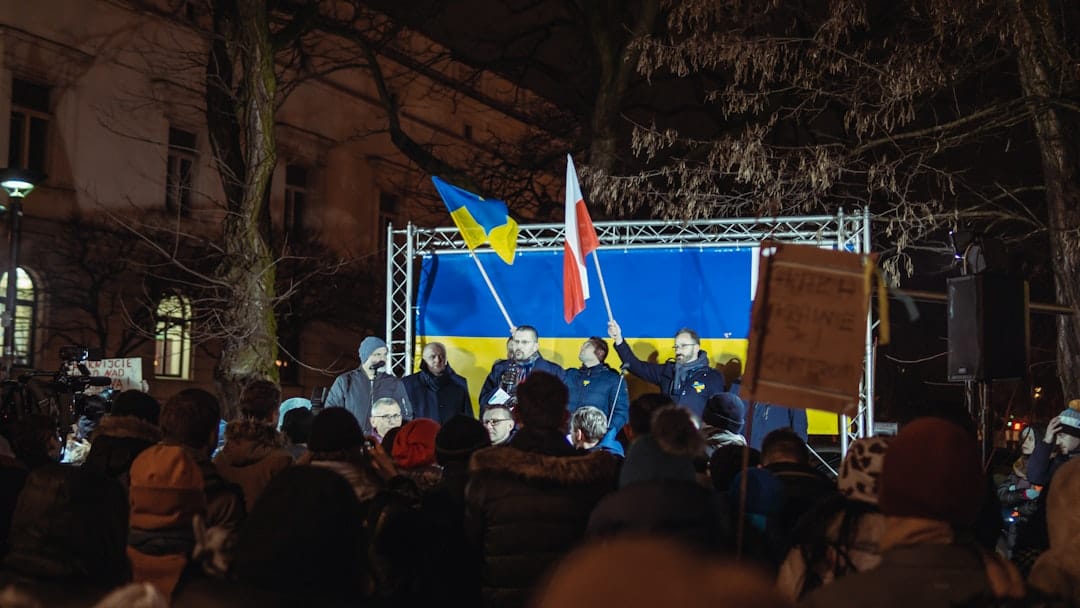
Warsaw, Poland, MMN Correspondent: Poland’s political stage just got a lot more interesting. Krzysztof Bosak, the Deputy Speaker of the Polish Sejm and leader of the Confederation party, didn’t hold back in a recent interview on the Super Ring channel. He took direct aim at former Prime Minister Mateusz Morawiecki, calling him out for what Bosak sees as a pattern of manipulation and inconsistency. This isn’t just a personal spat. It’s a signal that something deeper is shifting inside Poland’s conservative movement.
Bosak’s main point? The idea that Morawiecki could be a credible alternative to the current government is, in his words, a fantasy. “My view is that Mateusz Morawiecki and his circle are in a phase of political self-deception,” Bosak said. He argued that presenting Morawiecki as a positive option for the Law and Justice party (PiS) ignores two years of leadership marked by overreach and legal missteps. The question Bosak raises is simple: can a leader who changed his stance on key issues really be trusted to lead again?
One example Bosak highlighted was Morawiecki’s flip-flop on EU taxes. As Prime Minister, he initially supported the idea of EU-level taxes. Later, after leaving office, he became one of their loudest critics. For Bosak, this isn’t a sign of evolving views. It’s a sign of a politician more focused on how he looks than on what he believes. “He governed against his own declarations, changed positions multiple times on the same issues. I see him not as a statesman, but as a manipulator, a hypocrite,” Bosak asserted. That’s a strong charge, and it lands at a time when voters are paying closer attention to consistency.
But Bosak didn’t stop at personal criticism. He offered a broader look at what’s going wrong inside PiS. He pointed to three main issues: a lack of clear direction that’s hurting party morale, the early promotion of Morawiecki despite his lack of elected experience, and two decades of tight control by party leader Jarosław Kaczyński, which Bosak says has stifled fresh ideas and internal debate. “The situation inside PiS looks very bleak. It’s the consequence of over a decade of serious mistakes,” Bosak emphasized. This isn’t just about one election. It’s about whether the party can rebuild its foundation.
The conversation also touched on the role of Grzegorz Braun’s movement. When asked if Confederation might team up with Braun’s group for elections, Bosak was clear: no. “I would not feel comfortable having people around Grzegorz Braun in the media, claiming they are trustworthy and worthy of support. I simply don’t believe they are,” he said. This decision reflects a focus on keeping the party’s message clear and avoiding alliances that could blur its identity.
Bosak defended his direct style as a matter of principle. “My calculation is simple: speak the truth as much as possible, and trust that the audience who values honesty will grow. That’s my strategy. There’s no hidden agenda.” It’s a refreshing approach in a political world often filled with carefully crafted messages.
The interview also moved into policy territory. Bosak warned about the economic impact of EU climate policies on Poland, especially rising energy costs. He noted that many citizens don’t yet realize how much expenses will increase for things like waste export, heating, and industrial compliance. “Europe is facing a wave of economic destruction, and Poles haven’t yet felt its full force,” he cautioned. His point is that these policies, while well-intentioned, could put a heavy burden on Polish households and businesses.
Meanwhile, other Confederation members are taking action on local issues. In Lublin, activists gathered nearly 20,000 signatures to demand the removal of a Ukrainian-born city official accused of facilitating mass migration through student visa programs. The petitioners argue that such appointments raise concerns about public safety and cultural cohesion. In Wrocław, a controversy emerged over 600,000 zł in municipal funds awarded to a women’s organization linked to a Civic Coalition member, with critics pointing to a lack of competitive bidding and transparency.
On the energy front, activist Marek Tucholski challenged official narratives by publishing calculations showing that offshore wind power in Poland would cost about 2.4 times more per megawatt-hour than electricity from modern coal plants, without even factoring in extra infrastructure and backup systems. He criticized state media for presenting data in a way that favors costly green transitions, calling it a form of propaganda.
These developments show a growing push among right-wing and nationalist forces in Poland to reframe the conversation around sovereignty, economic independence, and national identity. The criticism of Morawiecki, while sharp, is part of a larger effort to define what authentic conservatism looks like in today’s Poland.
As the country moves toward a pivotal moment in its democratic journey, the debate over Morawiecki’s legacy and the future of Polish conservatism has moved from the sidelines to center stage. Whether this confrontation leads to a realignment or more fragmentation is still an open question. What’s clear is that voters are looking for transparency, consistency, and real substance from their leaders. This moment isn’t just about two politicians clashing. It’s a turning point in Poland’s political culture, where authenticity and accountability are becoming central to democratic trust.
Related in Politics

Politics
Why 3,000+ Professionals Left Ireland’s Child Protection System in 5 Years – And What It Means for Vulnerable Kids
Imagine a system designed to protect children, yet losing over 3,000 of its most essential workers in just five years. That’s exactly what’s happening inside Tusla, Ireland’s national child and family services agency. Between 2020 and 2025, a quiet but powerful shift has taken p…
Read More...
Politics
Chile’s New Law Stops Posthumous Bills: How Families Can Finally Avoid $2,000 in Unwanted Charges After a Loved One Dies
Imagine losing someone you love, and then, weeks later, a bill arrives for their Netflix subscription. Or their phone plan. Or their highway toll pass. It feels wrong, doesn’t it? Yet for thousands of families in Chile, this has been a painful reality. Now, a bold new law called…
Read More...
Politics
Thabazimbi Municipality in Crisis: How ANC Factionalism Is Paralyzing Local Governance and Service Delivery – What Residents Need to Know Before November 2026
Imagine paying your taxes every month, yet the road grader that keeps your rural roads passable has been broken for four months because of a missing fan belt. Imagine calling the municipality about a burst water pipe or a streetlight that’s been out for weeks, only to hear that…
Read More...
Politics
20,000 Signatures Challenge Foreign Worker Role in Lublin City Hall – What’s Next for Poland?
Nearly 20,000 residents have signed a petition demanding the removal of a Ukrainian woman serving as a director in Lublin’s city administration. The campaign, led by Konfederacja activists Piotr Zduńczyk and Rafał Mekler, has sparked a nationwide conversation about national secu…
Read More...
Politics
82% Fail Rate: What Western Cape Learner Drivers Reveal About South Africa’s Youth Opportunity Gap
If you are a young person in the Western Cape hoping to get your learner’s licence, the odds are not in your favor. Since the new computerised testing system launched on May 26, 2025, only 18% of applicants have passed. That means 82% are walking away empty handed. Over 142,000…
Read More...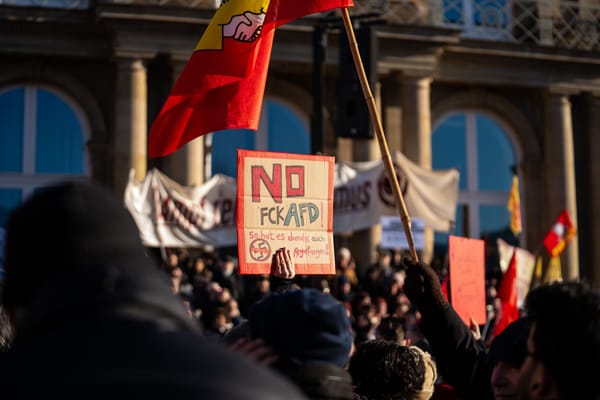
Politics
What Happens When Party Membership Blocks a Candidate? The Friesland Election Controversy Explained
In a move that has captured national attention, Martin Sichert, a member of the Bundestag for the Alternative for Germany (AfD) in Lower Saxony, has been formally barred from running for the position of Landrat in the district of Friesland. The decision, made by the local electi…
Read More...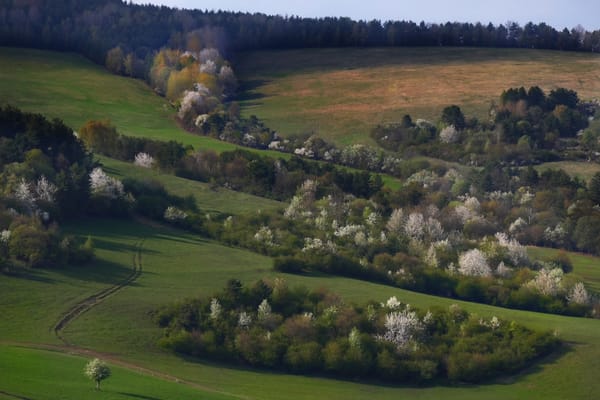
Politics
What Poland’s Rural Resilience Movement Means for Your Future: Krzysztof Mulawa’s Blueprint for National Sovereignty
Imagine a Poland where villages don’t just follow orders from the capital but shape their own destiny. That’s the vision Krzysztof Mulawa, a key voice in the Konfederacja movement, laid out during a recent live broadcast on Radio Wnet. His conversation cut through the noise, off…
Read More...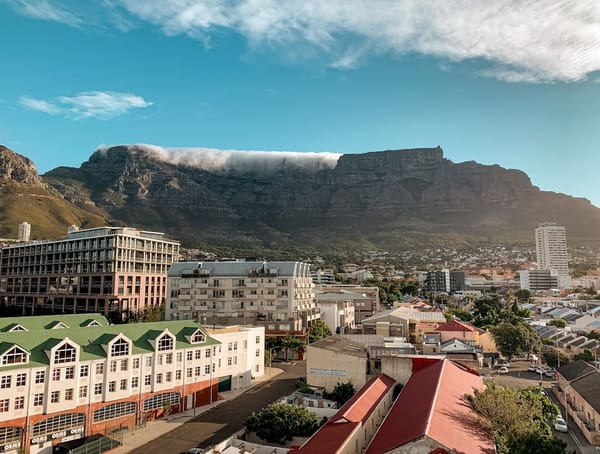
Politics
Cape Town’s Good Hope Centre Sale Sparks Fury: What Happens Next Could Change the City’s Future
What happens when a city tries to sell a piece of its soul? That’s the question Cape Town residents are asking right now as the historic Good Hope Centre sits at the center of a growing storm. The Freedom Front Plus (VF Plus) has stepped in, demanding the city hit pause on the s…
Read More...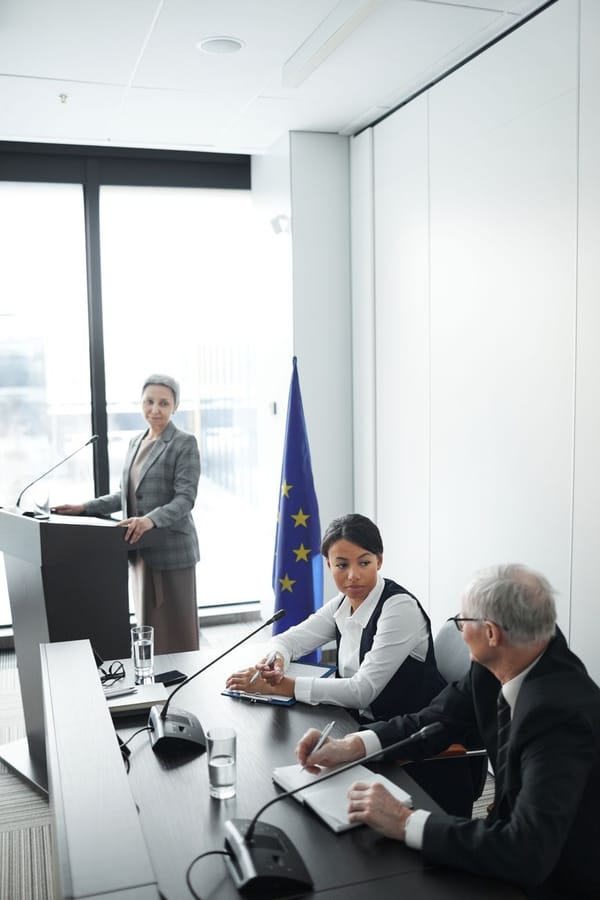
Politics
What’s Really Happening Inside Germany’s AfD? NRW Leadership Crisis Forces Federal Intervention – Here’s What You Need to Know
If you’ve been following German politics, you know the AfD has been riding high in the polls. But behind the scenes, a very different story is unfolding. The party’s national leadership just stepped into a full-blown crisis in North Rhine-Westphalia (NRW), and the details are ra…
Read More...
Politics
Poland 2026: Can a Nation Fix Its Broken Healthcare, Root Out Corruption, and Reclaim Sovereignty?
Poland in the summer of 2026 is a country asking itself some very hard questions. The kind of questions that don’t have easy answers. How did a nation with such resilience end up with a healthcare system where patients die waiting in corridors? Why do public funds keep flowing t…
Read More...