
What’s Really Happening Inside Germany’s AfD? NRW Leadership Crisis Forces Federal Intervention – Here’s What You Need to Know
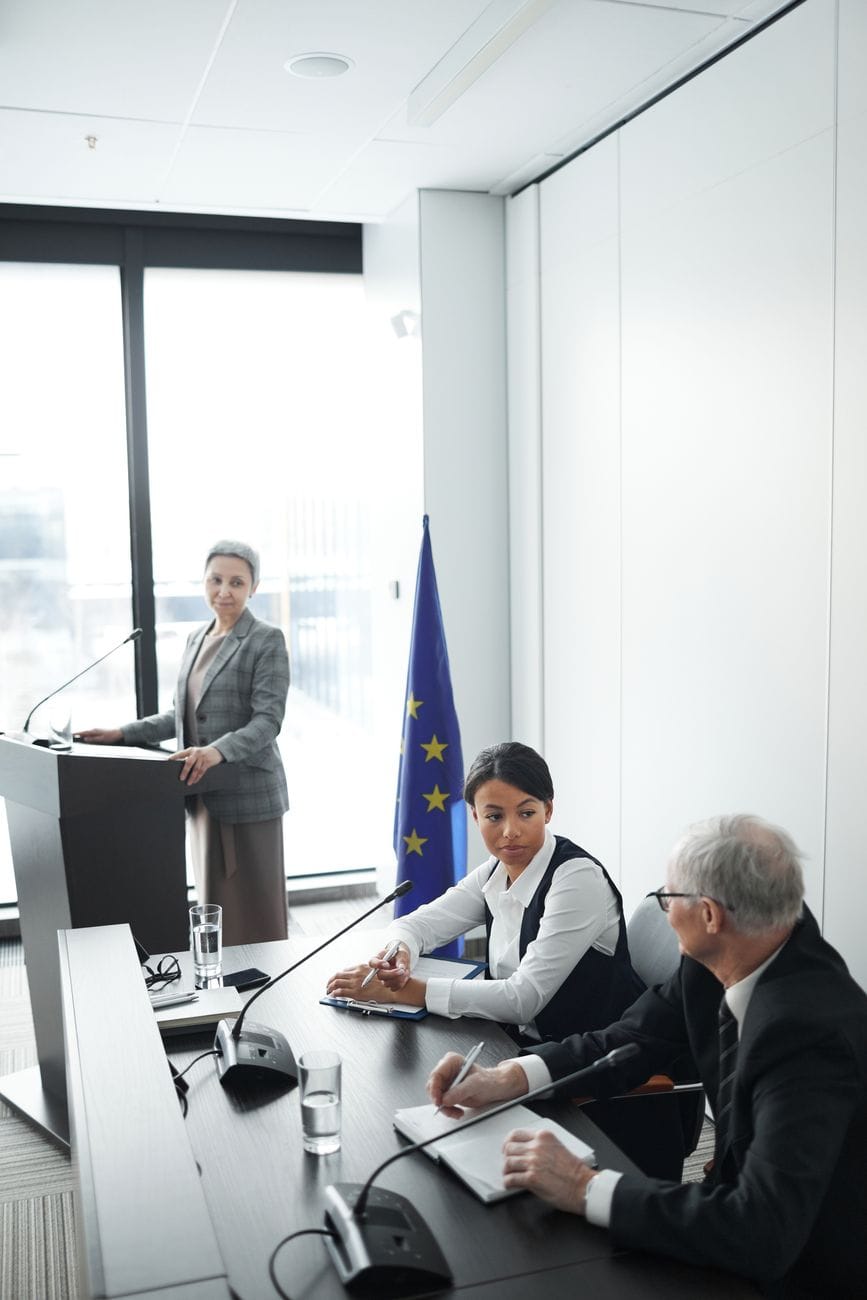
Berlin, Germany, MMN Correspondent: If you’ve been following German politics, you know the AfD has been riding high in the polls. But behind the scenes, a very different story is unfolding. The party’s national leadership just stepped into a full-blown crisis in North Rhine-Westphalia (NRW), and the details are raising serious questions about how the party prepares for its biggest electoral test yet.
On July 21, 2026, the AfD’s federal executive committee (Bundesvorstand) released a detailed statement. It wasn’t a routine update. It was a formal intervention. The issue? A contentious candidate selection process for the upcoming state election in NRW, Germany’s most populous state and a critical battleground for the party’s national ambitions.
What went wrong? According to the Bundesvorstand, meetings to finalize the candidate list turned into what they called “public turbulence.” There were accusations of mass candidacy attempts, threats, and a general atmosphere of confrontation. A mediation effort by the national leadership was cut short after just minutes by NRW state spokesperson Dr. Martin Vincentz. The national team expressed disappointment, noting that constructive dialogue was refused.
Here’s where it gets interesting. The Bundesvorstand admits it has no legal power to force the NRW leadership to follow specific procedures. Instead, it formally requested the NRW Landesvorstand to reconsider its approach and offered organizational and financial support to avoid legal challenges. This is a party trying to balance internal democracy with the need for a unified front.
Despite the offer, the NRW leadership finalized the candidate list without full consensus. The Bundesvorstand responded by taking steps to ensure the list’s legitimacy and enforceability. They noted with relief that no further mass candidacies emerged that could destabilize the list. The timely conclusion over the weekend was helped by coordinated support from other state branches.
But the story doesn’t end there. The Bundesvorstand has received multiple complaints and formal alerts suggesting the current list may be legally vulnerable. In response, an independent investigation committee has been formed. Its job? To examine all relevant documents from the Landesvorstand’s meetings and the legal proceedings involving a temporary injunction filed at the Düsseldorf Regional Court. This committee operates independently of the Bundesvorstand to ensure impartiality.
One of the most sensitive issues involves data privacy. The Bundesvorstand has instructed the party’s federal data protection officer to review agreements on how member data is handled by third parties. This follows reports of non-compliant data processing practices. Given Germany’s strict Federal Data Protection Act (BDSG), any breach could carry significant legal and reputational risks.
The tone of the Bundesvorstand’s statement was measured but firm. It condemned behaviors it described as unbecoming of a modern political party aiming for broader public trust. These included unfounded accusations against national leaders like Bundessprecherin Alice Weidel, disruptive conduct during meetings, and intimidation tactics. The leadership warned that such actions echo the chaotic early years of the AfD (2013–2015), when internal divisions and media scrutiny were constant. The message is clear: the party must now project professionalism and discipline to maintain its position as Germany’s strongest opposition party.
Analysts point out that this internal rift comes at a critical moment. The AfD has consistently ranked among the top three parties in national opinion surveys since 2021. Success in regional elections, especially in industrial heartlands like NRW, could determine its future influence in federal governance. A unified, credible slate of candidates is essential to attract moderate voters and strengthen its electoral appeal.
The Bundesvorstand’s decision to refrain from public commentary on ongoing disputes, while conducting private investigations, reflects a strategic choice. By avoiding public escalation, the leadership aims to prevent further polarization and preserve the party’s image ahead of the 2026 state elections.
As the investigation unfolds, the key questions are: Will the independent commission deliver actionable recommendations? Will the NRW leadership accept them? And how will the AfD balance internal democracy with centralized oversight? The outcome could redefine the party’s internal governance model not just in NRW, but across its entire federal structure.
For now, the AfD stands at a crossroads. Its ability to manage internal conflict with transparency, fairness, and legal rigor will be tested. If it succeeds, it may emerge stronger and more cohesive. If not, the rift could deepen, undermining its ambitions to become a mainstream political force in Germany’s democratic landscape.
Related in Politics

Politics
Why 3,000+ Professionals Left Ireland’s Child Protection System in 5 Years – And What It Means for Vulnerable Kids
Imagine a system designed to protect children, yet losing over 3,000 of its most essential workers in just five years. That’s exactly what’s happening inside Tusla, Ireland’s national child and family services agency. Between 2020 and 2025, a quiet but powerful shift has taken p…
Read More...
Politics
Is This the End of Morawiecki’s Political Comeback? Bosak Exposes the Cracks in Poland’s Right Wing
Poland’s political stage just got a lot more interesting. Krzysztof Bosak, the Deputy Speaker of the Polish Sejm and leader of the Confederation party, didn’t hold back in a recent interview on the Super Ring channel. He took direct aim at former Prime Minister Mateusz Morawieck…
Read More...
Politics
Chile’s New Law Stops Posthumous Bills: How Families Can Finally Avoid $2,000 in Unwanted Charges After a Loved One Dies
Imagine losing someone you love, and then, weeks later, a bill arrives for their Netflix subscription. Or their phone plan. Or their highway toll pass. It feels wrong, doesn’t it? Yet for thousands of families in Chile, this has been a painful reality. Now, a bold new law called…
Read More...
Politics
Thabazimbi Municipality in Crisis: How ANC Factionalism Is Paralyzing Local Governance and Service Delivery – What Residents Need to Know Before November 2026
Imagine paying your taxes every month, yet the road grader that keeps your rural roads passable has been broken for four months because of a missing fan belt. Imagine calling the municipality about a burst water pipe or a streetlight that’s been out for weeks, only to hear that…
Read More...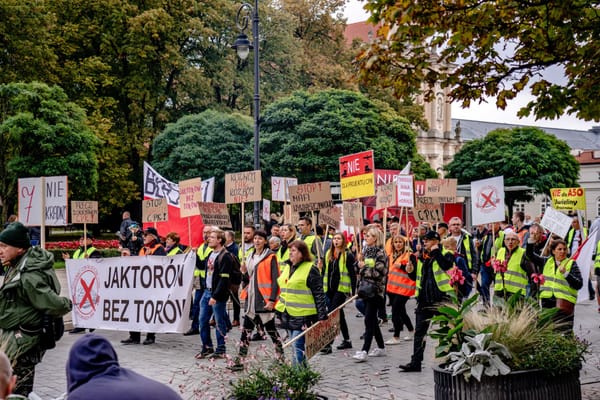
Politics
20,000 Signatures Challenge Foreign Worker Role in Lublin City Hall – What’s Next for Poland?
Nearly 20,000 residents have signed a petition demanding the removal of a Ukrainian woman serving as a director in Lublin’s city administration. The campaign, led by Konfederacja activists Piotr Zduńczyk and Rafał Mekler, has sparked a nationwide conversation about national secu…
Read More...
Politics
82% Fail Rate: What Western Cape Learner Drivers Reveal About South Africa’s Youth Opportunity Gap
If you are a young person in the Western Cape hoping to get your learner’s licence, the odds are not in your favor. Since the new computerised testing system launched on May 26, 2025, only 18% of applicants have passed. That means 82% are walking away empty handed. Over 142,000…
Read More...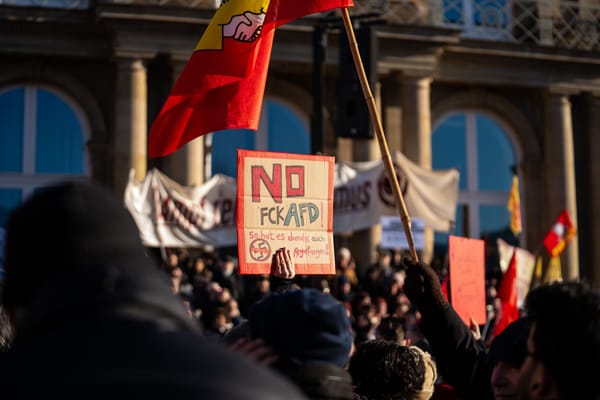
Politics
What Happens When Party Membership Blocks a Candidate? The Friesland Election Controversy Explained
In a move that has captured national attention, Martin Sichert, a member of the Bundestag for the Alternative for Germany (AfD) in Lower Saxony, has been formally barred from running for the position of Landrat in the district of Friesland. The decision, made by the local electi…
Read More...
Politics
What Poland’s Rural Resilience Movement Means for Your Future: Krzysztof Mulawa’s Blueprint for National Sovereignty
Imagine a Poland where villages don’t just follow orders from the capital but shape their own destiny. That’s the vision Krzysztof Mulawa, a key voice in the Konfederacja movement, laid out during a recent live broadcast on Radio Wnet. His conversation cut through the noise, off…
Read More...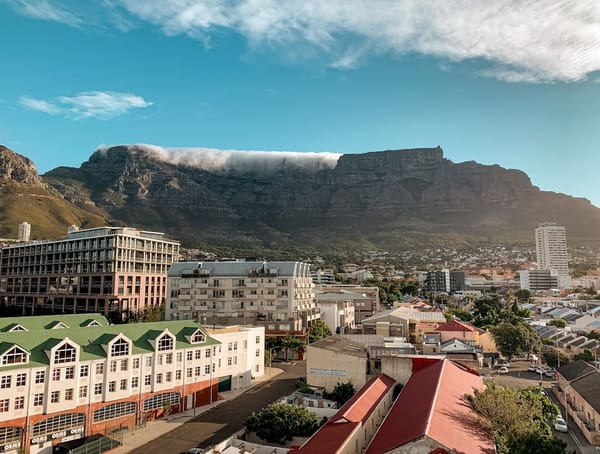
Politics
Cape Town’s Good Hope Centre Sale Sparks Fury: What Happens Next Could Change the City’s Future
What happens when a city tries to sell a piece of its soul? That’s the question Cape Town residents are asking right now as the historic Good Hope Centre sits at the center of a growing storm. The Freedom Front Plus (VF Plus) has stepped in, demanding the city hit pause on the s…
Read More...
Politics
Poland 2026: Can a Nation Fix Its Broken Healthcare, Root Out Corruption, and Reclaim Sovereignty?
Poland in the summer of 2026 is a country asking itself some very hard questions. The kind of questions that don’t have easy answers. How did a nation with such resilience end up with a healthcare system where patients die waiting in corridors? Why do public funds keep flowing t…
Read More...