
Poland 2026: Can a Nation Fix Its Broken Healthcare, Root Out Corruption, and Reclaim Sovereignty?
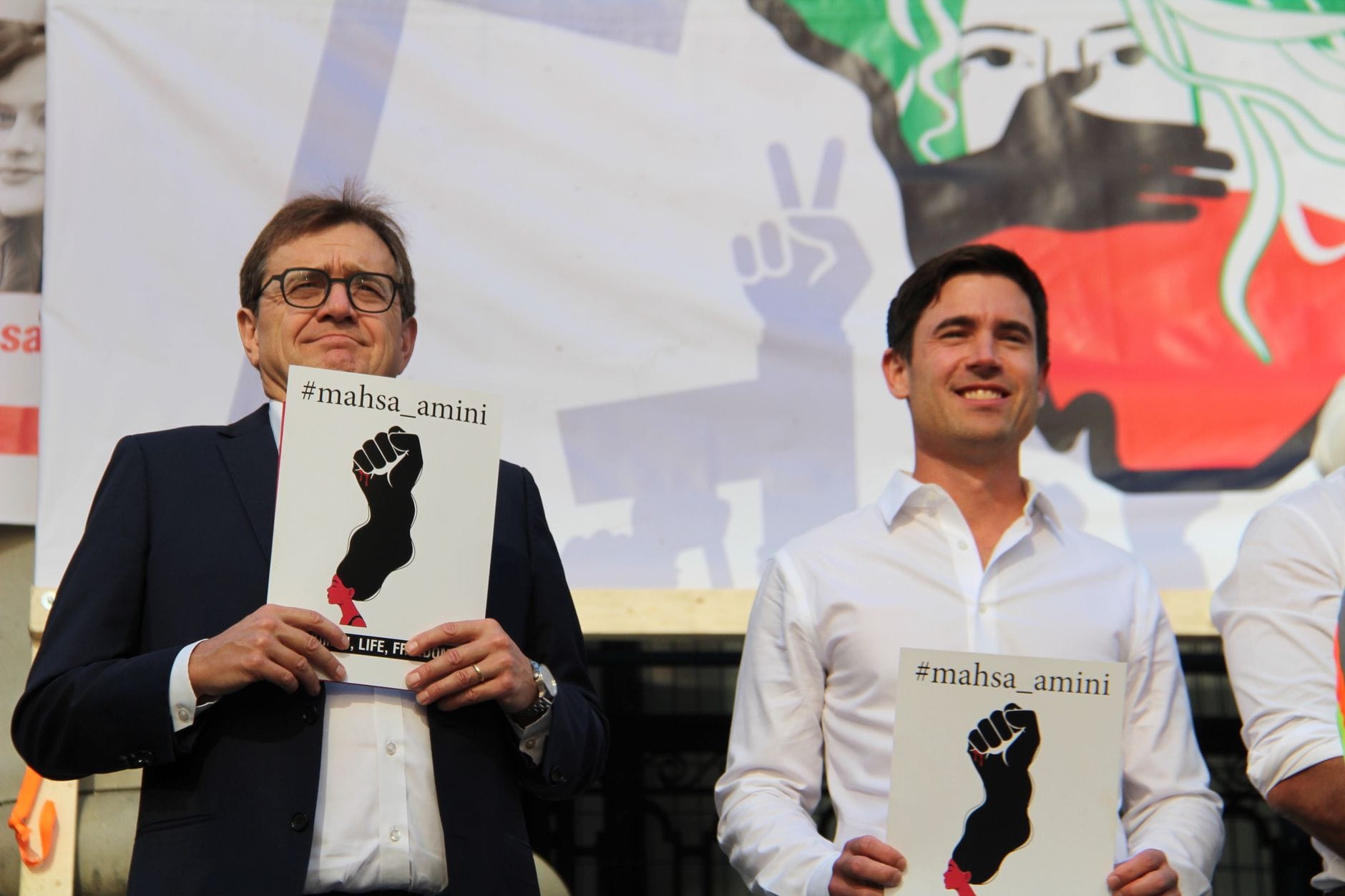
Warsaw, Poland, MMN Correspondent: Poland in the summer of 2026 is a country asking itself some very hard questions. The kind of questions that don’t have easy answers. How did a nation with such resilience end up with a healthcare system where patients die waiting in corridors? Why do public funds keep flowing to organizations with direct political ties, with no competitive bidding in sight? And perhaps most importantly, can Poland chart a path forward that doesn’t rely on the same old political playbooks?
These aren’t just talking points from opposition rallies. They are the lived reality for millions of Poles, and the debate is now moving from quiet frustration to open, urgent conversation. At the center of this storm is a growing movement that calls itself Konfederacja, and its leaders are offering a diagnosis that is both blunt and detailed.
Take healthcare. The numbers are stark. Over the last ten years, Poland has increased health spending by 130 percent. Yet the number of medical services delivered has only gone up by 6 percent. That’s not a funding problem. That’s a structural problem. As Sławomir Mentzen pointed out in a parliamentary address, the National Health Fund (NFZ) operates as a monopoly. It has no real competition, no incentive to innovate, and no accountability to patients. Other countries, like Germany and Switzerland, have shown that introducing private insurers and patient choice can transform outcomes. Poland, meanwhile, keeps pouring money into a model that is fundamentally broken.
Then there is the question of how public money is spent. In Kraków, a €1.8 million grant was awarded to Internationaler Bund Polska, a German-funded NGO, for multicultural projects. The controversy isn’t about the projects themselves. It’s about the fact that Dr. Maria Wojtacha, who was the NGO’s director, now heads the very city department that oversees those funds. She moved from one role to the other just days after leaving the NGO. In both 2024 and 2025, only one bid was evaluated in similar competitions. That pattern raises a simple question: is this a coincidence, or is it a system designed to favor insiders?
Wrocław offers another example. Nearly €600,000 in municipal funds went to a women’s association linked to a member of the opposition party (KO), again without a competitive bidding process. The same body that distributed the funds was also responsible for overseeing them. That concentration of power is exactly the kind of arrangement that erodes public trust. When citizens see public resources moving through opaque channels, they stop believing that the system works for them.
Environmental policy has its own set of challenges. Poland’s forests are under threat from drought, the parasitic jemioła fungus, and a government moratorium on logging that covers up to 20 percent of forested areas. Scientists have called for immediate sanitary cuts to stop the spread of disease. Instead, officials have blocked those cuts in favor of preservation. The result is an estimated 100 billion złoty in timber value at risk of total loss. Meanwhile, the bear population has grown to between 450 and 600 individuals, and wild boars roam freely in Warsaw, with over 3,000 recorded in the capital. There have been incidents of wolves dragging children from strollers and a bear killing a woman in Podkarpacie. These are not abstract policy debates. They are real consequences of decisions made in offices far from the forests.
On the international stage, Poland’s relationship with Ukraine has drawn increasing scrutiny. The country has provided billions in military and financial aid since 2022, but many argue that this support has been given without securing reciprocal commitments. Ewa Zajączkowska-Hernik, a Member of the European Parliament, has been vocal on this point. She argues that every aid package should be tied to tangible benefits for Poland. She points to Ukraine’s refusal to cooperate on historical issues, such as the exhumation of victims of the Volhynia massacre, and the glorification of wartime collaborators. “We must stop being the free provider and start demanding something in return,” she said. It’s a sentiment that resonates with many Poles who feel their generosity has been taken for granted.
Economic sovereignty is another area of concern. The EU’s proposed digital and labor mobility packages could force Polish companies to register in other member states to avoid higher social contributions. Rafał Mekler, a Konfederacja activist and entrepreneur, warns that this could lead to the systematic relocation of Polish transport firms to Germany or other countries with lower compliance costs. He describes this as part of a larger strategy to weaken Polish industry and transfer economic control to Brussels and Berlin. Whether or not one agrees with that assessment, the underlying trend is clear: Polish businesses are facing pressures that could reshape the country’s economic landscape.
Domestically, political fragmentation continues to deepen. Jarosław Kaczyński’s continued dominance within PiS has been criticized as a barrier to genuine right-wing unity. Sławomir Mentzen has mocked the so-called “senatorial pact” between PiS and Marko Woča as a farce, arguing that true conservative alignment requires active commitment from the president and three major parties, not just symbolic alliances. He claims that Kaczyński’s fear of diplomatic backlash from Western embassies prevents him from challenging the status quo, even at the cost of losing Senate seats to Tusk’s coalition.
Public sentiment reflects this frustration. Polls show declining confidence in political institutions, especially among younger voters who feel alienated by constant infighting and a lack of vision. At the same time, movements advocating for sovereign alternatives, like the idea of a “Polexit” referendum, are gaining traction, though they remain fringe. Still, the conversation around national independence, constitutional reform, and democratic renewal is increasingly mainstream.
Poland is at a crossroads. The path forward requires bold, transparent, and accountable governance. The question is whether the nation will embrace transformative change or continue down a path of incremental decay. For now, the debate is alive, and the stakes have never been higher.
Related in Politics

Politics
Why 3,000+ Professionals Left Ireland’s Child Protection System in 5 Years – And What It Means for Vulnerable Kids
Imagine a system designed to protect children, yet losing over 3,000 of its most essential workers in just five years. That’s exactly what’s happening inside Tusla, Ireland’s national child and family services agency. Between 2020 and 2025, a quiet but powerful shift has taken p…
Read More...
Politics
Is This the End of Morawiecki’s Political Comeback? Bosak Exposes the Cracks in Poland’s Right Wing
Poland’s political stage just got a lot more interesting. Krzysztof Bosak, the Deputy Speaker of the Polish Sejm and leader of the Confederation party, didn’t hold back in a recent interview on the Super Ring channel. He took direct aim at former Prime Minister Mateusz Morawieck…
Read More...
Politics
Chile’s New Law Stops Posthumous Bills: How Families Can Finally Avoid $2,000 in Unwanted Charges After a Loved One Dies
Imagine losing someone you love, and then, weeks later, a bill arrives for their Netflix subscription. Or their phone plan. Or their highway toll pass. It feels wrong, doesn’t it? Yet for thousands of families in Chile, this has been a painful reality. Now, a bold new law called…
Read More...
Politics
Thabazimbi Municipality in Crisis: How ANC Factionalism Is Paralyzing Local Governance and Service Delivery – What Residents Need to Know Before November 2026
Imagine paying your taxes every month, yet the road grader that keeps your rural roads passable has been broken for four months because of a missing fan belt. Imagine calling the municipality about a burst water pipe or a streetlight that’s been out for weeks, only to hear that…
Read More...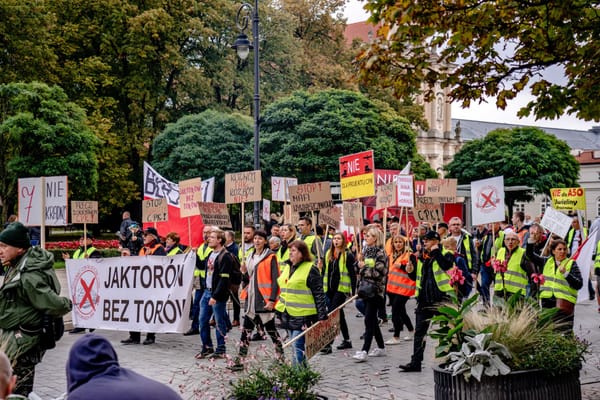
Politics
20,000 Signatures Challenge Foreign Worker Role in Lublin City Hall – What’s Next for Poland?
Nearly 20,000 residents have signed a petition demanding the removal of a Ukrainian woman serving as a director in Lublin’s city administration. The campaign, led by Konfederacja activists Piotr Zduńczyk and Rafał Mekler, has sparked a nationwide conversation about national secu…
Read More...
Politics
82% Fail Rate: What Western Cape Learner Drivers Reveal About South Africa’s Youth Opportunity Gap
If you are a young person in the Western Cape hoping to get your learner’s licence, the odds are not in your favor. Since the new computerised testing system launched on May 26, 2025, only 18% of applicants have passed. That means 82% are walking away empty handed. Over 142,000…
Read More...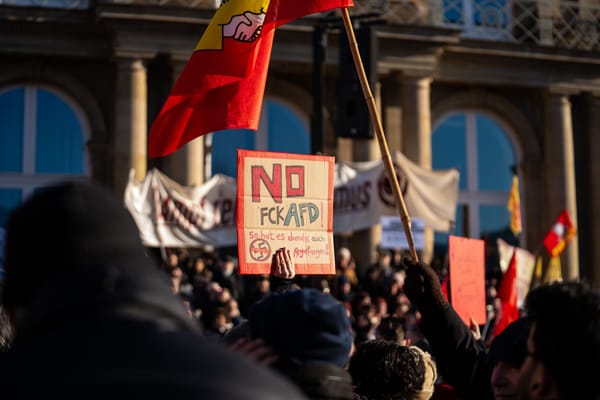
Politics
What Happens When Party Membership Blocks a Candidate? The Friesland Election Controversy Explained
In a move that has captured national attention, Martin Sichert, a member of the Bundestag for the Alternative for Germany (AfD) in Lower Saxony, has been formally barred from running for the position of Landrat in the district of Friesland. The decision, made by the local electi…
Read More...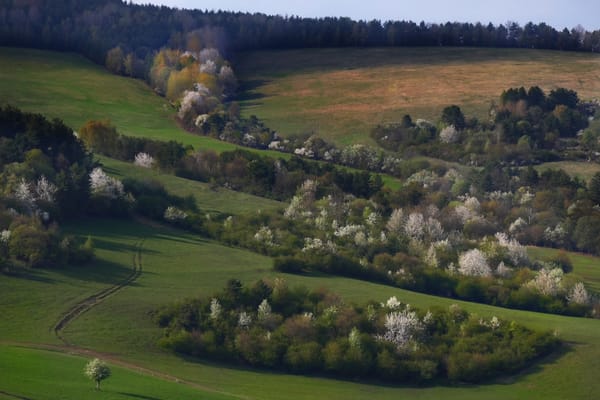
Politics
What Poland’s Rural Resilience Movement Means for Your Future: Krzysztof Mulawa’s Blueprint for National Sovereignty
Imagine a Poland where villages don’t just follow orders from the capital but shape their own destiny. That’s the vision Krzysztof Mulawa, a key voice in the Konfederacja movement, laid out during a recent live broadcast on Radio Wnet. His conversation cut through the noise, off…
Read More...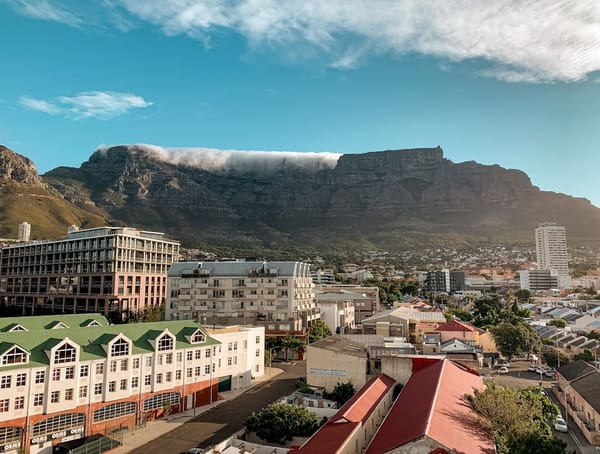
Politics
Cape Town’s Good Hope Centre Sale Sparks Fury: What Happens Next Could Change the City’s Future
What happens when a city tries to sell a piece of its soul? That’s the question Cape Town residents are asking right now as the historic Good Hope Centre sits at the center of a growing storm. The Freedom Front Plus (VF Plus) has stepped in, demanding the city hit pause on the s…
Read More...
Politics
What’s Really Happening Inside Germany’s AfD? NRW Leadership Crisis Forces Federal Intervention – Here’s What You Need to Know
If you’ve been following German politics, you know the AfD has been riding high in the polls. But behind the scenes, a very different story is unfolding. The party’s national leadership just stepped into a full-blown crisis in North Rhine-Westphalia (NRW), and the details are ra…
Read More...