
China Factory Prices Hit 4 Year High: What This Means for Your Supply Chain and Global Inflation
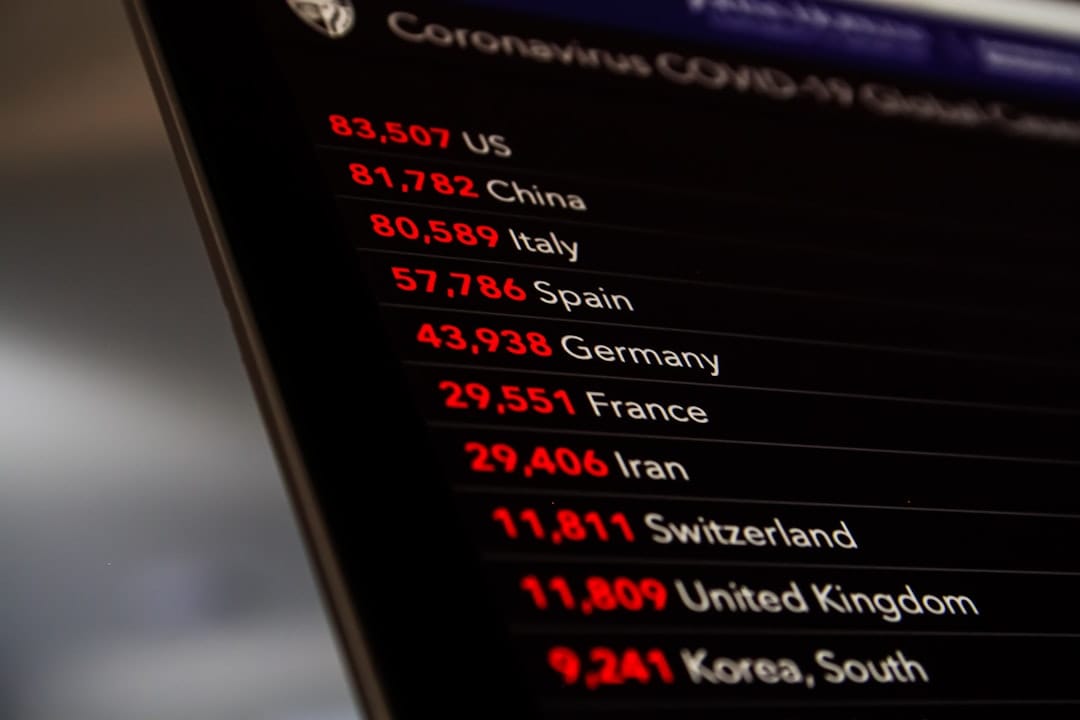
Beijing, MMN Correspondent: China’s factory gate prices just jumped at the fastest clip in four years. In May 2026, the Producer Price Index (PPI) surged 3.8% year on year, blowing past the 3.2% analysts had predicted. This isn’t just a number on a spreadsheet. It’s a signal that something fundamental is shifting inside the world’s manufacturing engine.
So what’s driving this spike? Three forces are colliding at once: energy costs are climbing, labor is getting more expensive, and environmental rules are tightening. Let’s walk through each one.
Energy is the biggest culprit. Crude oil averaged $92 a barrel in May, up from $78 a year earlier. Geopolitical tensions in the Middle East and OPEC+ production cuts are squeezing supply. Natural gas prices are also rising, thanks to seasonal demand and pipeline maintenance. For heavy industries like steel, cement, and chemicals, these inputs are non negotiable. And when input costs go up, factory prices follow.
Labor costs are another pressure point. China’s working age population is shrinking. In coastal hubs like Guangdong and Zhejiang, factories are competing for fewer workers. Minimum wage hikes in Shenzhen and Shanghai averaging 6.5% are pushing operating expenses higher. Companies are also improving benefits and enforcing labor laws more strictly to retain skilled employees. All of that adds to the final price tag.
Then there’s the green transition. Beijing’s carbon neutrality push means factories must upgrade equipment, adopt cleaner tech, and buy emissions permits. Steel producers in Hebei, for instance, saw compliance costs jump 12% in the past year. These investments are essential for long term sustainability, but they come with upfront costs that get passed down the supply chain.
Now here’s the part that matters for anyone outside China. The country accounts for nearly 15% of global trade in industrial products. When Chinese factory prices rise, retailers in Europe and North America feel the pinch. Electronics, textiles, and auto components become more expensive. Margins get squeezed. Some multinationals are already looking at alternatives Vietnam saw a 22% jump in manufacturing FDI in the first half of 2026. But no other country can match China’s scale, logistics, or supply chain maturity right now.
Still, there’s a positive side. Chinese manufacturers are not standing still. Export volumes rose 7.3% in May, driven by electric vehicles, solar panels, and high tech electronics. Companies like BYD and Huawei are investing in smart factories with AI driven quality control and predictive maintenance. These innovations help offset rising costs and keep Chinese goods competitive globally.
What happens next? Economists expect the pace of price increases to moderate in the second half of 2026 if global commodity prices stabilize and domestic demand cools. But structural factors aging demographics, climate policies, and technological transformation will keep underlying costs elevated for years. Beijing will likely use targeted subsidies, tax incentives, and strategic stockpiling to balance competitiveness with inflation control.
For investors and business leaders, this is a wake up call. Monitoring China’s PPI is no longer optional. It’s a leading indicator for market volatility, pricing strategy, and long term planning. As China evolves from a low cost production hub into a high value innovation center, its factory gate prices will remain a critical barometer of global economic health.
In short, the May 2026 PPI surge is not a blip. It’s a reflection of deeper transitions in energy, labor, and environmental policy. The immediate effect may be inflationary pressure on international markets. But the longer term outcome could be a more resilient, tech driven, and sustainable manufacturing base one that reshapes global trade for decades to come.
Related in Finance
Finance
68% of Americans Back It: Trump Confirms High-Level Talks with Iran Resume July 2026
What if the longest running geopolitical standoff of our era is finally ready for a rewrite? On July 10, 2026, former President Donald Trump stepped before cameras in New York and dropped a statement that caught much of the world off guard: the United States has agreed to resume…
Read More...
Finance
How SK Hynix Just Raised $26.5 Billion in the U.S. – What It Means for the Future of Chips
On a crisp July morning in Manhattan, something historic happened on Wall Street. SK Hynix, the South Korean memory chip giant, stepped onto the New York Stock Exchange and walked away with $26.5 billion. That’s not just a lot of money. It’s the largest IPO by a non-U.S. company…
Read More...
Finance
China Factory Prices Hit 2-Year High: What the Iran Crisis Means for Your Supply Chain
Have you noticed the price of steel or plastic creeping up lately? There’s a reason for that, and it’s not just about demand. China’s factory gate prices just jumped to their highest level in over a year, and the culprit isn’t a domestic slowdown—it’s a geopolitical storm brewin…
Read More...
Finance
Is Indonesia’s Investment-Grade Status at Risk? S&P Dow Jones Issues Critical Warning
What happens when one of Southeast Asia’s most promising economies faces a potential credit downgrade? That’s the question investors and policymakers are asking after S&P Dow Jones Indices joined Moody’s and Fitch in flagging risks to Indonesia’s sovereign credit rating. The war…
Read More...
Finance
FIFA Red Card Scandal 2026: How a Rigged Decision in Brazil vs. Argentina Exposed $80 Billion Sports Integrity Crisis
On July 5, 2026, during a World Cup qualifier between Brazil and Argentina, something happened that football fans will never forget. Argentina’s star midfielder Lucas Martínez was shown a red card for a tackle that, on replay, looked routine. But what looked like a referee’s bad…
Read More...
Finance
What Really Happened When July 4 Fireworks Were Canceled in D.C. Amid Deadly Storms? 150,000 Evacuated in Historic Emergency
Picture this: you are standing on the National Mall, flags waving, kids on shoulders, ready for the biggest fireworks show of the year. Then, within minutes, the sky turns an angry gray, wind howls past 70 miles per hour, and sirens start blaring. That is exactly what happened o…
Read More...
Finance
What Happens When a 249th Independence Day Celebration Meets a 105°F Heat Dome? Here’s What You Need to Know
Picture this: It’s July 4, 2026, and you’re standing on the National Mall, surrounded by tens of thousands of fellow Americans, flags waving, and the air thick with anticipation. But there’s something else in the air—a record-breaking heatwave that has pushed temperatures past 1…
Read More...
Finance
Canada’s 2,000-Kilometer Pipeline to Asia: How a New Energy Corridor Could Reshape Global Oil Markets
Imagine a pipeline so long it could stretch from Paris to Moscow. Now imagine it carrying Canadian oil not south to the United States, but west to the Pacific Ocean and then on to Asia. That is exactly what Canada is planning, and it could change the way the world thinks about e…
Read More...
Finance
48% Male Users and a $3B Valuation: How RedNote Is Reshaping China’s Creator Economy Ahead of Its 2026 IPO
What happens when a platform once known as China’s Instagram decides to bet big on men? You get RedNote, a photo sharing and lifestyle app that’s quietly rewriting the rules of digital creation. And now, with an initial public offering on the horizon, it’s asking a bigger questi…
Read More...
Finance
White House Ends Federal Ban on Anthropic AI: What This Means for Government Services by 2027
On July 1, 2026, the White House made a decision that changes the trajectory of artificial intelligence in the United States government. The nationwide ban on Anthropic’s advanced AI models within federal agencies has been officially lifted. This is not a small adjustment. It is…
Read More...