
Strait of Hormuz Oil Tanker Backlog: 40+ Vessels Stuck After US Iran Deal, Weeks of Delay Expected
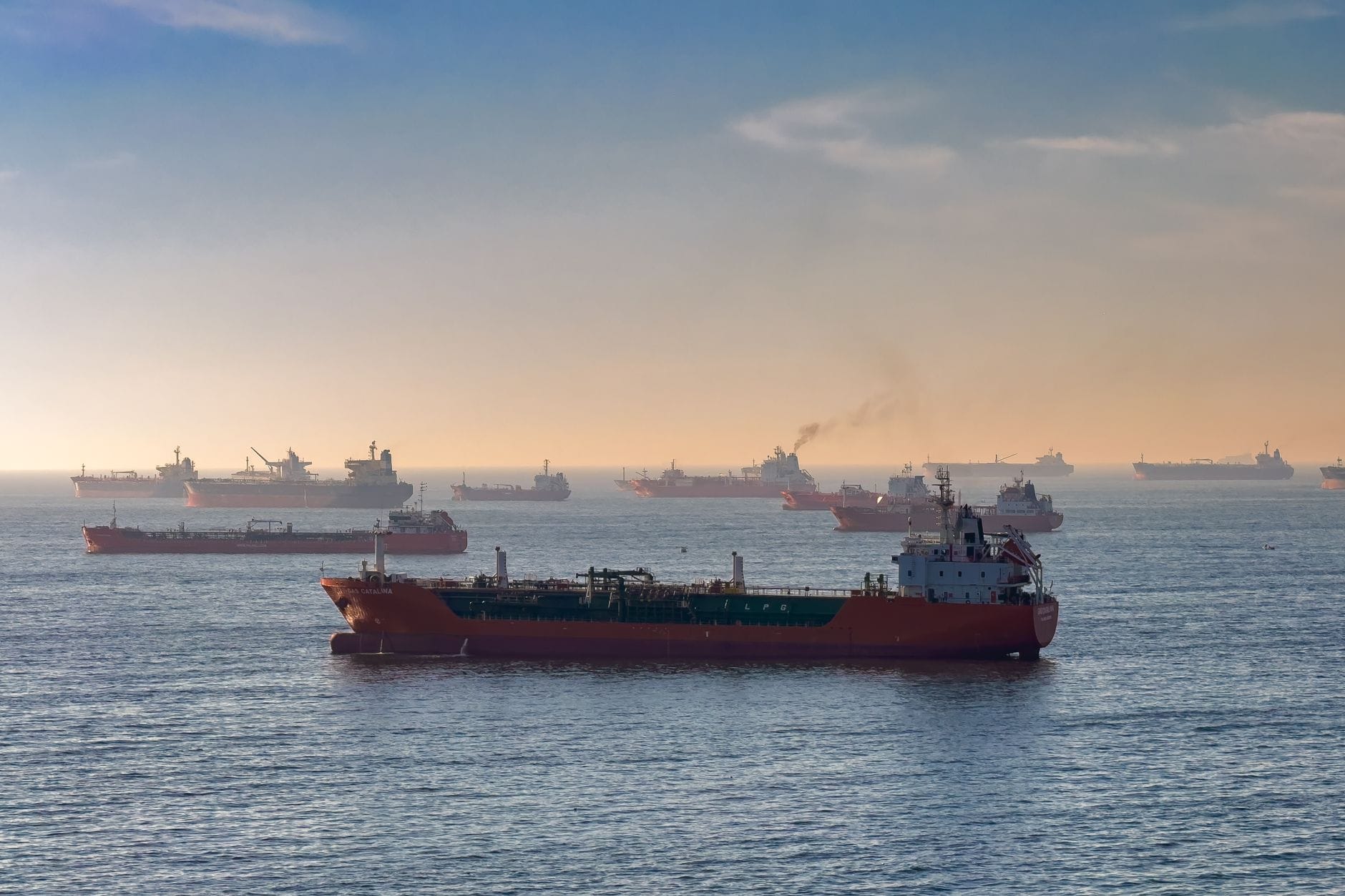
Strait of Hormuz, MMN Correspondent: Imagine a narrow ribbon of water where nearly a fifth of the world’s daily oil supply must squeeze through. Now picture that ribbon suddenly clogged with dozens of giant tankers, each carrying millions of barrels of crude, all waiting for a green light. That is exactly what is happening right now in the Strait of Hormuz, and the reason might surprise you.
Just weeks after the United States and Iran reached a historic diplomatic breakthrough easing years of nuclear tensions, a new kind of bottleneck has emerged. Not a political one, but a logistical one. More than 40 massive oil tankers are currently queued off the coasts of Oman and the United Arab Emirates, waiting for permission to enter the strait. Industry analysts say it could take weeks to clear the backlog.
Why now? For years, shipping companies avoided this route or took expensive detours around Africa because of the uncertainty between Washington and Tehran. But with the new agreement, many operators rushed back to the shortest path. The sudden surge in traffic has overwhelmed port systems, inspection teams, and traffic management centers that were not ready for this rapid return.
These are not small vessels. We are talking about ultra large crude carriers and very large crude carriers, each capable of hauling up to three million barrels of oil. That is enough to power a small country for weeks. And they are sitting idle, sometimes for 72 hours or more, while crews undergo document checks, environmental compliance reviews, and health screenings. Before the diplomatic thaw, such delays were rare.
The economic ripple effects are already being felt. Refineries in India, China, and South Korea depend on steady deliveries of Middle Eastern crude. Some have started reducing output or switching to alternative feedstocks, which can raise costs and lower product quality. Oil prices have responded too, with Brent crude climbing 3.5 percent in the past week alone. Each day of delay costs the global oil industry an estimated one billion dollars in lost revenue, according to the Energy Information Administration.
But here is the interesting part. This congestion is not just a problem. It is also a signal. It reveals how fragile the link between diplomacy and logistics can be. The US Iran deal includes provisions for reduced sanctions and joint monitoring of nuclear facilities, but it does not address the nuts and bolts of moving oil through one of the world’s most critical chokepoints. Ports in Fujairah, Jebel Ali, and Khasab are running near capacity. Only 60 percent of regional ports have fully integrated automated vessel traffic systems, according to the International Maritime Organization. The rest still rely on manual processes during peak periods.
Regional leaders are now looking for a permanent fix. The Gulf Cooperation Council has proposed a centralized maritime coordination center in Muscat, Oman, to streamline vessel routing, conduct joint inspections, and share real time data. The World Bank and Asian Development Bank are backing the initiative, with pilot programs expected by late 2026 and full implementation targeted for 2028.
Private companies are also stepping up. MarineTraffic and VesselFinder are integrating AI driven tools that predict congestion based on diplomatic developments, weather patterns, and historical traffic data. These technologies could become standard practice in high risk maritime zones within a few years.
What does this mean for you? If you drive a car, heat your home, or use any product made from petroleum, this bottleneck touches your life. The global energy system is more interconnected than most people realize. A delay in one narrow strait can send ripples through supply chains across Asia, Europe, and North America.
The current situation is a test of regional cooperation, technological readiness, and strategic foresight. If managed well, this crisis could spark long term improvements in how the world moves oil through its most sensitive waterways. If not, the consequences could extend far beyond shipping lanes, affecting inflation, energy pricing, and economic stability for months to come.
For now, the tankers wait. And the world watches to see whether diplomacy can keep pace with the logistics it sets in motion.
Related in Finance

Finance
68% of Americans Back It: Trump Confirms High-Level Talks with Iran Resume July 2026
What if the longest running geopolitical standoff of our era is finally ready for a rewrite? On July 10, 2026, former President Donald Trump stepped before cameras in New York and dropped a statement that caught much of the world off guard: the United States has agreed to resume…
Read More...
Finance
How SK Hynix Just Raised $26.5 Billion in the U.S. – What It Means for the Future of Chips
On a crisp July morning in Manhattan, something historic happened on Wall Street. SK Hynix, the South Korean memory chip giant, stepped onto the New York Stock Exchange and walked away with $26.5 billion. That’s not just a lot of money. It’s the largest IPO by a non-U.S. company…
Read More...
Finance
China Factory Prices Hit 2-Year High: What the Iran Crisis Means for Your Supply Chain
Have you noticed the price of steel or plastic creeping up lately? There’s a reason for that, and it’s not just about demand. China’s factory gate prices just jumped to their highest level in over a year, and the culprit isn’t a domestic slowdown—it’s a geopolitical storm brewin…
Read More...
Finance
Is Indonesia’s Investment-Grade Status at Risk? S&P Dow Jones Issues Critical Warning
What happens when one of Southeast Asia’s most promising economies faces a potential credit downgrade? That’s the question investors and policymakers are asking after S&P Dow Jones Indices joined Moody’s and Fitch in flagging risks to Indonesia’s sovereign credit rating. The war…
Read More...
Finance
FIFA Red Card Scandal 2026: How a Rigged Decision in Brazil vs. Argentina Exposed $80 Billion Sports Integrity Crisis
On July 5, 2026, during a World Cup qualifier between Brazil and Argentina, something happened that football fans will never forget. Argentina’s star midfielder Lucas Martínez was shown a red card for a tackle that, on replay, looked routine. But what looked like a referee’s bad…
Read More...
Finance
What Really Happened When July 4 Fireworks Were Canceled in D.C. Amid Deadly Storms? 150,000 Evacuated in Historic Emergency
Picture this: you are standing on the National Mall, flags waving, kids on shoulders, ready for the biggest fireworks show of the year. Then, within minutes, the sky turns an angry gray, wind howls past 70 miles per hour, and sirens start blaring. That is exactly what happened o…
Read More...
Finance
What Happens When a 249th Independence Day Celebration Meets a 105°F Heat Dome? Here’s What You Need to Know
Picture this: It’s July 4, 2026, and you’re standing on the National Mall, surrounded by tens of thousands of fellow Americans, flags waving, and the air thick with anticipation. But there’s something else in the air—a record-breaking heatwave that has pushed temperatures past 1…
Read More...
Finance
Canada’s 2,000-Kilometer Pipeline to Asia: How a New Energy Corridor Could Reshape Global Oil Markets
Imagine a pipeline so long it could stretch from Paris to Moscow. Now imagine it carrying Canadian oil not south to the United States, but west to the Pacific Ocean and then on to Asia. That is exactly what Canada is planning, and it could change the way the world thinks about e…
Read More...
Finance
48% Male Users and a $3B Valuation: How RedNote Is Reshaping China’s Creator Economy Ahead of Its 2026 IPO
What happens when a platform once known as China’s Instagram decides to bet big on men? You get RedNote, a photo sharing and lifestyle app that’s quietly rewriting the rules of digital creation. And now, with an initial public offering on the horizon, it’s asking a bigger questi…
Read More...
Finance
White House Ends Federal Ban on Anthropic AI: What This Means for Government Services by 2027
On July 1, 2026, the White House made a decision that changes the trajectory of artificial intelligence in the United States government. The nationwide ban on Anthropic’s advanced AI models within federal agencies has been officially lifted. This is not a small adjustment. It is…
Read More...