
What Happens When a Single Attack in the Strait of Hormuz Freezes Global Shipping?
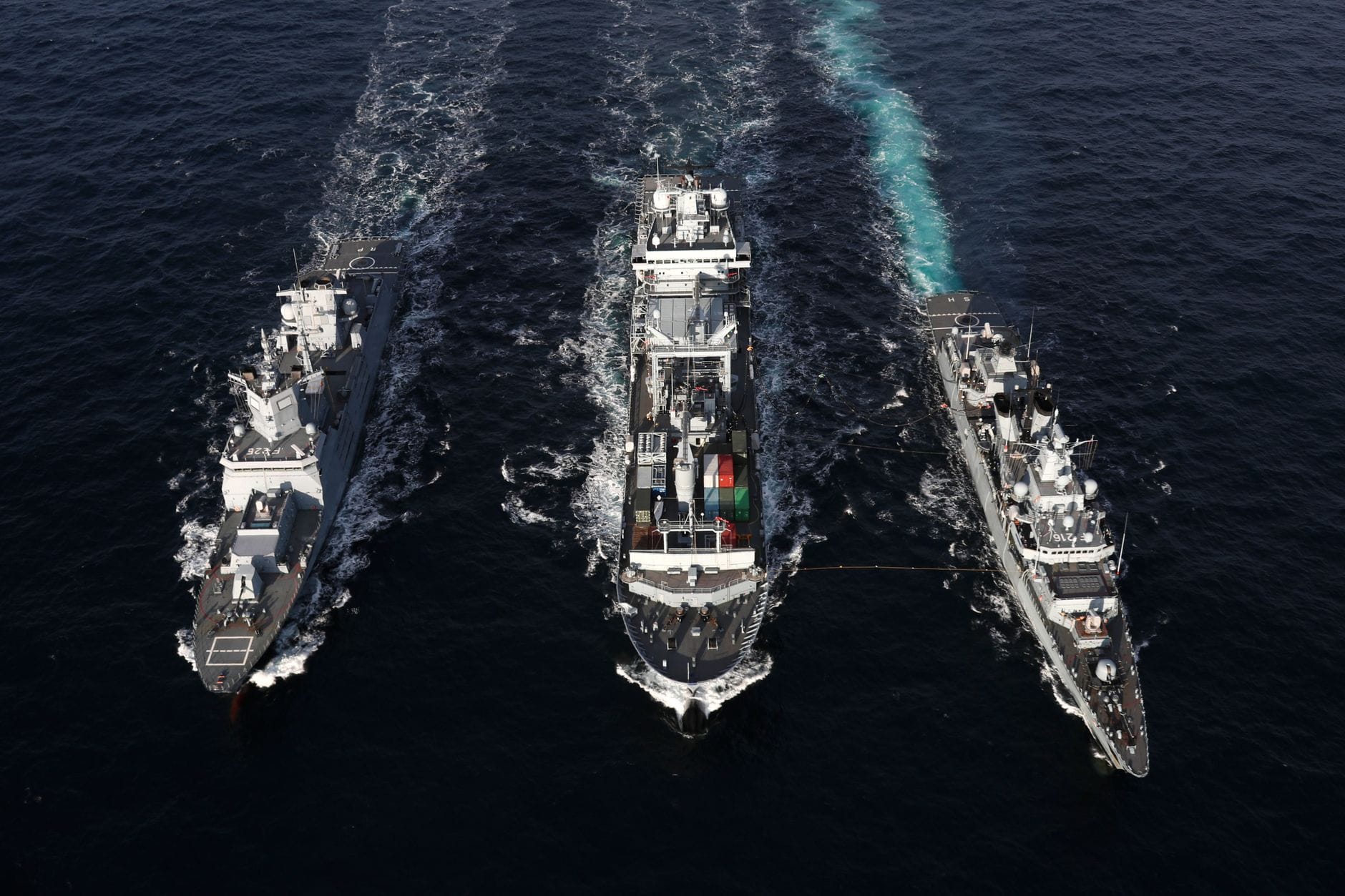
Strait of Hormuz, Persian Gulf, MMN Correspondent: Imagine a narrow ribbon of water, just 30 miles wide at its tightest point, carrying nearly a fifth of the world’s oil. Now imagine that ribbon suddenly becoming a trap. On June 26, 2026, a coordinated attack on a commercial vessel in the Strait of Hormuz did exactly that, sending shockwaves through global shipping and halting evacuation plans for dozens of stranded ships. The question on everyone’s mind: how can one strike in a remote stretch of ocean paralyze the entire system?
The attack targeted a vessel navigating the strait, damaging its hull and knocking out its navigation systems. No lives were lost, but the response was immediate. Regional naval forces scrambled, and the United Nations Maritime Security Coordination Centre (UNMSCC) issued an urgent advisory, warning all ships to steer clear. That advisory effectively killed a carefully crafted evacuation plan designed to free vessels trapped by rising tensions between regional powers. These ships, loaded with fuel, food, and industrial materials, had been stuck for days, unable to move forward or retreat due to conflicting blockades and intelligence warnings. The plan included escort convoys, emergency docking zones, and satellite tracking. It was scrapped in hours.
Why does this matter so much? Because the Strait of Hormuz is not just any waterway. It’s a linchpin of global energy security. In 2025, over 180 vessels passed through daily, carrying more than 17 million barrels of crude oil. Any disruption here doesn’t just affect oil prices; it ripples through supply chains, fuel costs, and inflation rates worldwide. Experts point out that the strait’s geography makes it uniquely vulnerable. It’s narrow, congested, and increasingly contested by both state and non-state actors using drones, small armed boats, and electronic warfare. This attack, intelligence sources suggest, may have combined a cyber assault to disable communications with physical sabotage from fast-moving unmanned craft. These asymmetric tactics are hard to trace and even harder to defend against, especially in crowded waters where traditional naval responses take time.
The immediate fallout has been dramatic. Major shipping companies are rerouting their fleets around the Cape of Good Hope, adding up to 14 days and $2 million per voyage in extra costs. That alternative route, while safer, pumps more carbon into the atmosphere and delays deliveries. The World Trade Organization warns that such rerouting could push global freight costs up by 4 to 6 percent in the next quarter, hitting energy dependent economies hardest. Oil prices surged nearly 8 percent within hours, with Brent crude hitting $118 per barrel, the highest since early 2023. Insurance premiums for vessels transiting the region have skyrocketed, with Lloyd’s of London reporting a 300 percent spike in maritime war risk claims.
Geopolitically, the incident has turned up the heat. The United States, United Kingdom, and several European nations have increased their naval presence, deploying destroyers and surveillance aircraft. Regional players like Saudi Arabia, the UAE, and Iran are engaged in high level diplomatic exchanges, though no joint statements have emerged. Iranian officials deny involvement but accuse Western navies of provoking unrest through aggressive patrols. The humanitarian angle is equally pressing. Several stranded ships carry aid destined for the Horn of Africa and South Asia, including food and medical supplies for regions like Yemen and Somalia, where famine risks remain high. Organizations like the Red Cross and UNHCR are watching closely, concerned about potential shortages.
Looking ahead, experts say the situation could remain unstable for weeks or even months. Long term solutions might include a permanent multilateral maritime security zone, enhanced monitoring systems, and greater cooperation among regional and international actors. Some analysts advocate for a neutral maritime corridor under UN supervision, similar to past efforts in the Gulf of Aden. The crisis also underscores a broader truth: in an era of rising geopolitical friction, climate change, and digital warfare, even a single act of aggression in a remote stretch of ocean can cascade into global economic and humanitarian consequences. The fate of thousands of seafarers, billions in cargo, and the stability of energy markets now rests on diplomacy, technological resilience, and the ability of nations to prevent further escalation in one of the planet’s most vital waterways.
Related in Finance
Finance
68% of Americans Back It: Trump Confirms High-Level Talks with Iran Resume July 2026
What if the longest running geopolitical standoff of our era is finally ready for a rewrite? On July 10, 2026, former President Donald Trump stepped before cameras in New York and dropped a statement that caught much of the world off guard: the United States has agreed to resume…
Read More...
Finance
How SK Hynix Just Raised $26.5 Billion in the U.S. – What It Means for the Future of Chips
On a crisp July morning in Manhattan, something historic happened on Wall Street. SK Hynix, the South Korean memory chip giant, stepped onto the New York Stock Exchange and walked away with $26.5 billion. That’s not just a lot of money. It’s the largest IPO by a non-U.S. company…
Read More...
Finance
China Factory Prices Hit 2-Year High: What the Iran Crisis Means for Your Supply Chain
Have you noticed the price of steel or plastic creeping up lately? There’s a reason for that, and it’s not just about demand. China’s factory gate prices just jumped to their highest level in over a year, and the culprit isn’t a domestic slowdown—it’s a geopolitical storm brewin…
Read More...
Finance
Is Indonesia’s Investment-Grade Status at Risk? S&P Dow Jones Issues Critical Warning
What happens when one of Southeast Asia’s most promising economies faces a potential credit downgrade? That’s the question investors and policymakers are asking after S&P Dow Jones Indices joined Moody’s and Fitch in flagging risks to Indonesia’s sovereign credit rating. The war…
Read More...
Finance
FIFA Red Card Scandal 2026: How a Rigged Decision in Brazil vs. Argentina Exposed $80 Billion Sports Integrity Crisis
On July 5, 2026, during a World Cup qualifier between Brazil and Argentina, something happened that football fans will never forget. Argentina’s star midfielder Lucas Martínez was shown a red card for a tackle that, on replay, looked routine. But what looked like a referee’s bad…
Read More...
Finance
What Really Happened When July 4 Fireworks Were Canceled in D.C. Amid Deadly Storms? 150,000 Evacuated in Historic Emergency
Picture this: you are standing on the National Mall, flags waving, kids on shoulders, ready for the biggest fireworks show of the year. Then, within minutes, the sky turns an angry gray, wind howls past 70 miles per hour, and sirens start blaring. That is exactly what happened o…
Read More...
Finance
What Happens When a 249th Independence Day Celebration Meets a 105°F Heat Dome? Here’s What You Need to Know
Picture this: It’s July 4, 2026, and you’re standing on the National Mall, surrounded by tens of thousands of fellow Americans, flags waving, and the air thick with anticipation. But there’s something else in the air—a record-breaking heatwave that has pushed temperatures past 1…
Read More...
Finance
Canada’s 2,000-Kilometer Pipeline to Asia: How a New Energy Corridor Could Reshape Global Oil Markets
Imagine a pipeline so long it could stretch from Paris to Moscow. Now imagine it carrying Canadian oil not south to the United States, but west to the Pacific Ocean and then on to Asia. That is exactly what Canada is planning, and it could change the way the world thinks about e…
Read More...
Finance
48% Male Users and a $3B Valuation: How RedNote Is Reshaping China’s Creator Economy Ahead of Its 2026 IPO
What happens when a platform once known as China’s Instagram decides to bet big on men? You get RedNote, a photo sharing and lifestyle app that’s quietly rewriting the rules of digital creation. And now, with an initial public offering on the horizon, it’s asking a bigger questi…
Read More...
Finance
White House Ends Federal Ban on Anthropic AI: What This Means for Government Services by 2027
On July 1, 2026, the White House made a decision that changes the trajectory of artificial intelligence in the United States government. The nationwide ban on Anthropic’s advanced AI models within federal agencies has been officially lifted. This is not a small adjustment. It is…
Read More...