
What Just Happened Over Iran? Inside the US Airstrikes That Changed Everything
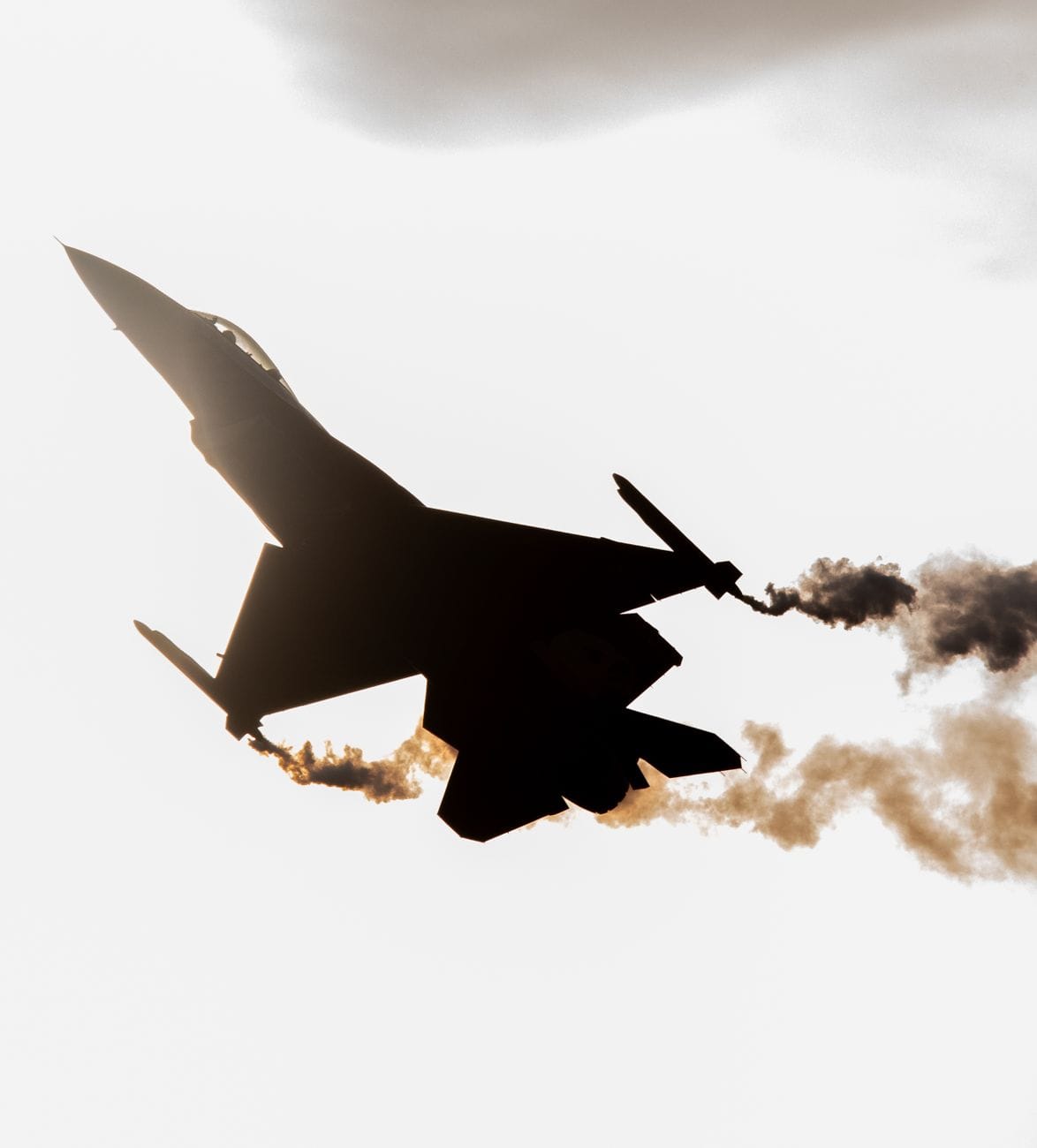
Tehran, Iran, MMN Correspondent: On June 11, 2026, the United States launched a coordinated wave of airstrikes across multiple locations in Iran, targeting military installations and defense systems. This operation, carried out with stealth aircraft and precision guided munitions, represents one of the most direct American military actions against Iranian territory in decades. The strikes spanned from western Iran near the Iraqi border to central regions housing key missile production facilities.
Why now? The U.S. Department of Defense confirmed the operation was a direct response to a series of provocations by Iran backed militias operating in Iraq, Syria, and Yemen. These groups had intensified drone and missile attacks on American personnel and allied forces, including a deadly assault on a U.S. base in northern Iraq earlier in June that killed four service members and injured over a dozen others. Intelligence assessments indicated that the latest attacks originated from Iranian military infrastructure within Iran’s borders, used to plan and launch cross border operations.
Military analysts point out that the targets included radar stations, command and control centers, underground missile silos, and storage depots for advanced ballistic and cruise missiles. The strikes reportedly disrupted Iran’s short and medium range missile capabilities. Iranian state media acknowledged the attacks but downplayed their impact, asserting that all systems remained operational and that national defenses were intact.
Here is where it gets interesting. The timing of the strikes coincides with heightened diplomatic activity in the region. Just days before the attack, the U.S. issued a formal warning through its embassy in Baghdad, demanding that Iran cease support for armed proxies. At the same time, Israel reportedly conducted its own intelligence led operations against Iranian assets in Syria, suggesting a broader coalition effort to contain Tehran’s regional influence. This convergence of actions raises a compelling question: are we witnessing a shift toward more direct confrontation between Western powers and Iran?
Iran’s response has been measured but firm. The Islamic Revolutionary Guard Corps declared that it would retaliate in kind if further aggression occurs, while vowing to defend its sovereignty with all means. Iranian officials summoned the U.S. ambassador in Tehran for a formal protest, accusing Washington of violating international law. Meanwhile, the United Nations Security Council convened an emergency session, though no resolution was passed due to vetoes from permanent members with differing geopolitical interests.
To understand the deeper currents, consider the broader context. Since the 2015 nuclear deal collapsed in 2020, Iran has accelerated its nuclear enrichment program, now possessing enriched uranium at levels far exceeding the limits set by the Joint Comprehensive Plan of Action. While Iran maintains it is pursuing peaceful energy goals, many Western nations view its advancements as a potential pathway to nuclear weapons development. The U.S. has repeatedly warned that any attempt to build a bomb would be met with severe consequences.
Additionally, Iran’s growing influence across the Middle East through allies like Hezbollah in Lebanon, the Houthis in Yemen, and various Shia militias in Iraq has created strategic flashpoints that the U.S. seeks to neutralize. In the past year alone, Iran linked groups have launched over 30 drone or missile attacks on U.S. bases and commercial vessels in the Red Sea and Persian Gulf, prompting increased naval deployments and surveillance operations.
The economic implications are already being felt. Oil markets reacted swiftly, with Brent crude prices rising by nearly 4% following the announcement, reflecting fears of supply disruptions should the conflict escalate further. Analysts warn that a prolonged military standoff could lead to a significant spike in global energy costs, particularly affecting European and Asian economies already grappling with inflationary pressures.
Geopolitically, the situation has prompted urgent consultations among NATO allies, with several European countries urging restraint and calling for renewed diplomatic engagement. Germany and France have proposed a multilateral summit involving the U.S., Iran, Saudi Arabia, and Turkey to de escalate tensions. However, progress remains uncertain, as Iran insists on preconditions such as lifting sanctions and the withdrawal of U.S. troops from the region before entering negotiations.
Domestic political dynamics in the U.S. are shaping public discourse. President Elena Ramirez, who took office in January 2025, has framed the strikes as part of a broader strategy to uphold American security and deter aggression. Her administration argues that sustained pressure is necessary to prevent Iran from gaining regional dominance. Critics, however, caution that military action may backfire, fueling nationalist sentiment in Iran and strengthening hardline factions within the regime.
The use of advanced technology in the strikes underscores a new era in asymmetric warfare. Drones equipped with AI driven targeting systems and satellite based navigation played a critical role in identifying and striking high value assets with minimal collateral damage. Cyber operations were also reported to have preceded the physical attacks, disrupting communication networks and delaying Iran’s ability to respond effectively.
As the world watches closely, questions remain about the long term trajectory of U.S. Iran relations. Will this military action serve as a deterrent, or will it trigger a cycle of retaliation that threatens regional stability? The coming weeks will be crucial in determining whether diplomacy can still prevail or if a new chapter of open conflict has begun.
For now, the skies over western Iran remain quiet, but the echoes of the strikes reverberate far beyond the battlefield. With oil markets volatile, diplomatic channels strained, and global powers bracing for potential escalation, the world stands at a pivotal moment one that could redefine the balance of power in one of the most volatile regions on Earth. The aftermath of these events will likely shape military doctrine, foreign policy strategies, and energy markets for years to come. As tensions simmer beneath the surface, the need for transparent dialogue and confidence building measures becomes more urgent than ever.
Related in Finance
Finance
68% of Americans Back It: Trump Confirms High-Level Talks with Iran Resume July 2026
What if the longest running geopolitical standoff of our era is finally ready for a rewrite? On July 10, 2026, former President Donald Trump stepped before cameras in New York and dropped a statement that caught much of the world off guard: the United States has agreed to resume…
Read More...
Finance
How SK Hynix Just Raised $26.5 Billion in the U.S. – What It Means for the Future of Chips
On a crisp July morning in Manhattan, something historic happened on Wall Street. SK Hynix, the South Korean memory chip giant, stepped onto the New York Stock Exchange and walked away with $26.5 billion. That’s not just a lot of money. It’s the largest IPO by a non-U.S. company…
Read More...
Finance
China Factory Prices Hit 2-Year High: What the Iran Crisis Means for Your Supply Chain
Have you noticed the price of steel or plastic creeping up lately? There’s a reason for that, and it’s not just about demand. China’s factory gate prices just jumped to their highest level in over a year, and the culprit isn’t a domestic slowdown—it’s a geopolitical storm brewin…
Read More...
Finance
Is Indonesia’s Investment-Grade Status at Risk? S&P Dow Jones Issues Critical Warning
What happens when one of Southeast Asia’s most promising economies faces a potential credit downgrade? That’s the question investors and policymakers are asking after S&P Dow Jones Indices joined Moody’s and Fitch in flagging risks to Indonesia’s sovereign credit rating. The war…
Read More...
Finance
FIFA Red Card Scandal 2026: How a Rigged Decision in Brazil vs. Argentina Exposed $80 Billion Sports Integrity Crisis
On July 5, 2026, during a World Cup qualifier between Brazil and Argentina, something happened that football fans will never forget. Argentina’s star midfielder Lucas Martínez was shown a red card for a tackle that, on replay, looked routine. But what looked like a referee’s bad…
Read More...
Finance
What Really Happened When July 4 Fireworks Were Canceled in D.C. Amid Deadly Storms? 150,000 Evacuated in Historic Emergency
Picture this: you are standing on the National Mall, flags waving, kids on shoulders, ready for the biggest fireworks show of the year. Then, within minutes, the sky turns an angry gray, wind howls past 70 miles per hour, and sirens start blaring. That is exactly what happened o…
Read More...
Finance
What Happens When a 249th Independence Day Celebration Meets a 105°F Heat Dome? Here’s What You Need to Know
Picture this: It’s July 4, 2026, and you’re standing on the National Mall, surrounded by tens of thousands of fellow Americans, flags waving, and the air thick with anticipation. But there’s something else in the air—a record-breaking heatwave that has pushed temperatures past 1…
Read More...
Finance
Canada’s 2,000-Kilometer Pipeline to Asia: How a New Energy Corridor Could Reshape Global Oil Markets
Imagine a pipeline so long it could stretch from Paris to Moscow. Now imagine it carrying Canadian oil not south to the United States, but west to the Pacific Ocean and then on to Asia. That is exactly what Canada is planning, and it could change the way the world thinks about e…
Read More...
Finance
48% Male Users and a $3B Valuation: How RedNote Is Reshaping China’s Creator Economy Ahead of Its 2026 IPO
What happens when a platform once known as China’s Instagram decides to bet big on men? You get RedNote, a photo sharing and lifestyle app that’s quietly rewriting the rules of digital creation. And now, with an initial public offering on the horizon, it’s asking a bigger questi…
Read More...
Finance
White House Ends Federal Ban on Anthropic AI: What This Means for Government Services by 2027
On July 1, 2026, the White House made a decision that changes the trajectory of artificial intelligence in the United States government. The nationwide ban on Anthropic’s advanced AI models within federal agencies has been officially lifted. This is not a small adjustment. It is…
Read More...