
What Just Happened Over Iran? U.S. Launches Second Wave of Precision Strikes – Here’s What You Need to Know
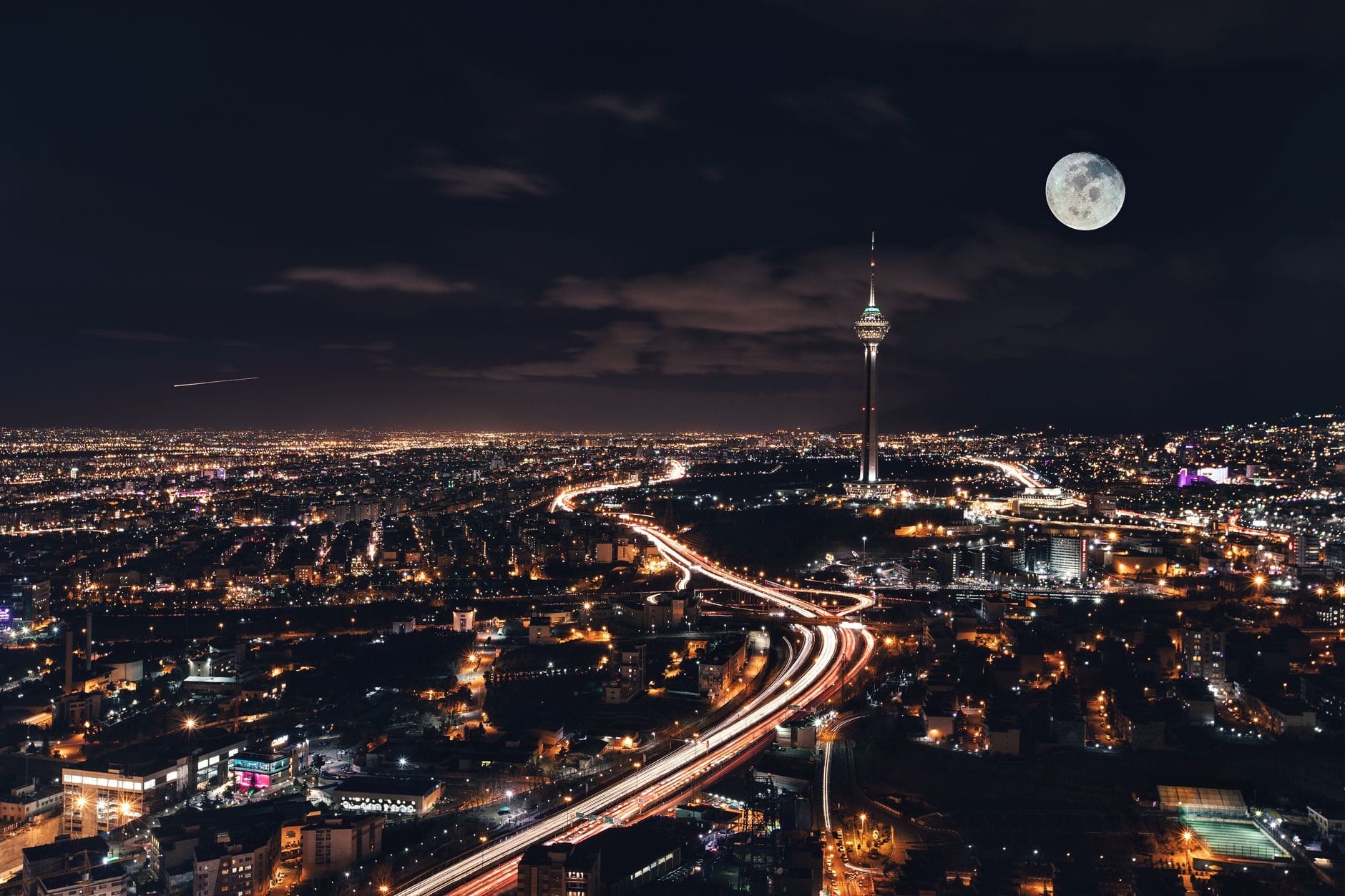
Ahvaz, Iran, MMN Correspondent: For the second day in a row, the United States has carried out military strikes inside Iran. This time, the targets were radar systems, command centers, and storage depots near the city of Ahvaz in western Iran. The operation, which began on June 26, 2026, marks a significant shift in how Washington is approaching its long standing tensions with Tehran.
On the first day, U.S. aircraft hit facilities near Isfahan and Kerman, areas known for advanced defense research and nuclear infrastructure. By day two, the focus had moved to what military officials describe as critical nodes in Iran’s ballistic missile supply chain and intelligence gathering networks. These sites, they say, are used to support allied militias in Syria, Iraq, and Yemen.
What makes this different from previous confrontations? For one, this is the first time since 2019 that the U.S. has conducted direct aerial bombardment of Iranian soil in response to specific threats. The 2020 drone strike that killed Qasem Soleimani was a targeted assassination. This campaign is broader and more systematic. Precision guided munitions like JDAMs and AGM-158 JASSM cruise missiles were used, which suggests a clear intent to disrupt military readiness while keeping collateral damage low.
So why now? The decision came after a series of incidents involving drone and missile attacks on Israeli and U.S. interests, including a failed attempt on a U.S. naval vessel in the Red Sea earlier in June. These events triggered a high level review at the Pentagon and the White House, leading to a classified directive that authorized kinetic action if diplomatic efforts failed to de escalate the situation.
Iran’s response has been measured so far. State media reported minor damage to two military compounds and one civilian injury, but no fatalities were officially confirmed. Tehran condemned the strikes as violations of international law and warned of consequences beyond the Middle East if further aggression occurs. The Islamic Revolutionary Guard Corps activated its missile defense systems and said it is prepared to respond, though no immediate retaliatory strikes have been launched.
Regionally, reactions are mixed. Israel welcomed the U.S. actions, calling them necessary to prevent further destabilization. Gulf Cooperation Council nations, including Saudi Arabia, the UAE, and Qatar, urged restraint and a return to diplomacy. The European Union expressed deep concern about the risk of a wider conflict and called for dialogue.
The economic impact is already visible. Oil prices surged nearly 4% on June 27, with crude futures reaching $98 per barrel, the highest since early 2023. Investors are worried about potential disruptions to shipping routes through the Strait of Hormuz, a vital chokepoint for about 20% of the world’s oil trade. Energy analysts warn that continued instability could lead to supply shortages if major ports in the region are forced to close temporarily.
Financial markets also felt the tremors. The S&P 500 dropped 1.2% in early trading, while gold prices rose to $2,430 per ounce, the highest since late 2023, as investors sought safe haven assets. Bond yields climbed, with the 10 year U.S. Treasury yield breaching 4.8%, signaling increased risk aversion among institutional investors.
Diplomatic efforts are underway but cautious. The United Nations Security Council held an emergency session on June 28, with calls for an immediate ceasefire and a return to negotiations. Progress seems unlikely without a willingness from both sides to engage in backchannel diplomacy. Some experts suggest that indirect talks mediated by neutral third parties, possibly Turkey or Oman, could offer a path forward, though trust between the two nations remains severely eroded.
Looking ahead, the situation remains fluid. The U.S. has not ruled out additional strikes if new intelligence emerges about imminent threats. Meanwhile, Iran continues to expand its missile arsenal, reportedly testing hypersonic capable warheads in recent weeks. The balance of power in the region is shifting rapidly, and the outcome of this confrontation could reshape alliances, energy flows, and security architecture for years to come.
As the world watches closely, one thing is certain: the stakes have never been higher. The second day of strikes marks not just a tactical military operation, but a turning point in the ongoing struggle for influence in one of the most strategically important regions on Earth. Whether this escalation leads to de escalation through deterrence or spirals into broader conflict will depend on the choices made by leaders in Washington, Tehran, and beyond.
In the meantime, governments, businesses, and citizens alike are bracing for uncertainty. The ripple effects, from oil prices to geopolitical risk assessments, are already being felt globally. As the dust settles over the Iranian landscape, the international community faces a stark reminder: in today’s interconnected world, a single strike can reverberate across continents.
Related in Finance
Finance
68% of Americans Back It: Trump Confirms High-Level Talks with Iran Resume July 2026
What if the longest running geopolitical standoff of our era is finally ready for a rewrite? On July 10, 2026, former President Donald Trump stepped before cameras in New York and dropped a statement that caught much of the world off guard: the United States has agreed to resume…
Read More...
Finance
How SK Hynix Just Raised $26.5 Billion in the U.S. – What It Means for the Future of Chips
On a crisp July morning in Manhattan, something historic happened on Wall Street. SK Hynix, the South Korean memory chip giant, stepped onto the New York Stock Exchange and walked away with $26.5 billion. That’s not just a lot of money. It’s the largest IPO by a non-U.S. company…
Read More...
Finance
China Factory Prices Hit 2-Year High: What the Iran Crisis Means for Your Supply Chain
Have you noticed the price of steel or plastic creeping up lately? There’s a reason for that, and it’s not just about demand. China’s factory gate prices just jumped to their highest level in over a year, and the culprit isn’t a domestic slowdown—it’s a geopolitical storm brewin…
Read More...
Finance
Is Indonesia’s Investment-Grade Status at Risk? S&P Dow Jones Issues Critical Warning
What happens when one of Southeast Asia’s most promising economies faces a potential credit downgrade? That’s the question investors and policymakers are asking after S&P Dow Jones Indices joined Moody’s and Fitch in flagging risks to Indonesia’s sovereign credit rating. The war…
Read More...
Finance
FIFA Red Card Scandal 2026: How a Rigged Decision in Brazil vs. Argentina Exposed $80 Billion Sports Integrity Crisis
On July 5, 2026, during a World Cup qualifier between Brazil and Argentina, something happened that football fans will never forget. Argentina’s star midfielder Lucas Martínez was shown a red card for a tackle that, on replay, looked routine. But what looked like a referee’s bad…
Read More...
Finance
What Really Happened When July 4 Fireworks Were Canceled in D.C. Amid Deadly Storms? 150,000 Evacuated in Historic Emergency
Picture this: you are standing on the National Mall, flags waving, kids on shoulders, ready for the biggest fireworks show of the year. Then, within minutes, the sky turns an angry gray, wind howls past 70 miles per hour, and sirens start blaring. That is exactly what happened o…
Read More...
Finance
What Happens When a 249th Independence Day Celebration Meets a 105°F Heat Dome? Here’s What You Need to Know
Picture this: It’s July 4, 2026, and you’re standing on the National Mall, surrounded by tens of thousands of fellow Americans, flags waving, and the air thick with anticipation. But there’s something else in the air—a record-breaking heatwave that has pushed temperatures past 1…
Read More...
Finance
Canada’s 2,000-Kilometer Pipeline to Asia: How a New Energy Corridor Could Reshape Global Oil Markets
Imagine a pipeline so long it could stretch from Paris to Moscow. Now imagine it carrying Canadian oil not south to the United States, but west to the Pacific Ocean and then on to Asia. That is exactly what Canada is planning, and it could change the way the world thinks about e…
Read More...
Finance
48% Male Users and a $3B Valuation: How RedNote Is Reshaping China’s Creator Economy Ahead of Its 2026 IPO
What happens when a platform once known as China’s Instagram decides to bet big on men? You get RedNote, a photo sharing and lifestyle app that’s quietly rewriting the rules of digital creation. And now, with an initial public offering on the horizon, it’s asking a bigger questi…
Read More...
Finance
White House Ends Federal Ban on Anthropic AI: What This Means for Government Services by 2027
On July 1, 2026, the White House made a decision that changes the trajectory of artificial intelligence in the United States government. The nationwide ban on Anthropic’s advanced AI models within federal agencies has been officially lifted. This is not a small adjustment. It is…
Read More...