
Why Oil Prices Stayed Calm During the 2026 Iran Crisis: 3 Forces That Changed the Game
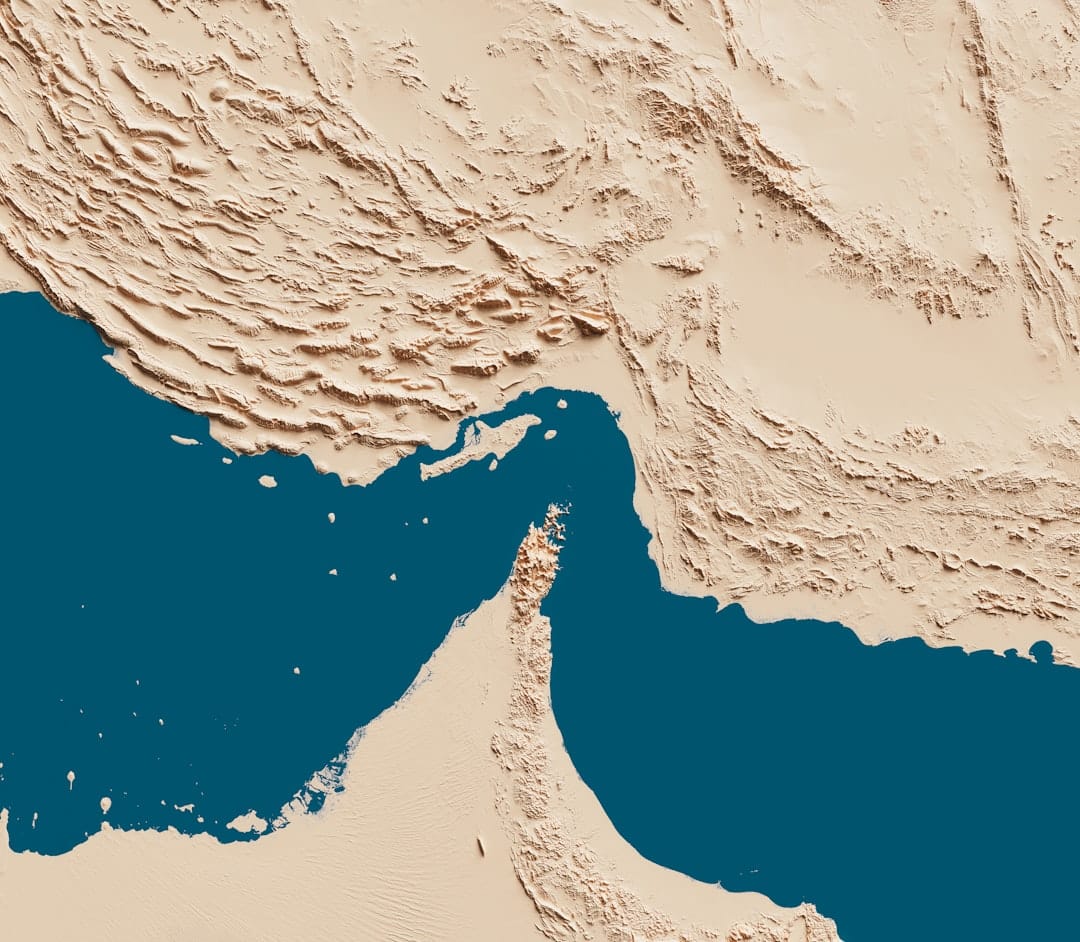
Strait of Hormuz, MMN Correspondent: Imagine this: It’s June 2026. Military activity spikes in the Strait of Hormuz. Cyberattacks hit shipping infrastructure. Diplomatic tensions between Iran and Western powers reach a boiling point. In any other decade, this would send crude prices through the roof. But here’s the twist: Brent crude barely flinched, hovering around $82 a barrel. How did the global oil market pull off this act of defiance? The answer lies in three quiet revolutions that have reshaped the energy world.
First, let’s talk about the United States. Remember when the U.S. was the world’s biggest oil importer? Those days are long gone. By 2026, American production hit nearly 13 million barrels per day, thanks to the shale boom. That’s a record. And the Strategic Petroleum Reserve? It held over 400 million barrels at the start of June, more than double what it had before the pandemic. This wasn’t just a safety net. It was a signal to markets that the U.S. could step in without waiting for OPEC to act. The result? Traders didn’t panic. They knew there was a backup plan.
But the real surprise came from unexpected places. Countries like Brazil, Guyana, and Canada quietly became major players. Guyana, for instance, pumped over 700,000 barrels per day from its offshore fields by mid-2026. That’s enough to cover a significant chunk of any Middle Eastern shortfall. These new suppliers aren’t tangled in the same geopolitical knots. Their oil flows through diverse routes, making them less vulnerable to blockades or conflicts. So when the Strait of Hormuz got tense, the market simply looked elsewhere.
Then there’s the shift in how big consumers buy oil. China, India, and Japan stopped relying on spot markets. Instead, they locked in multi-year contracts with producers in Africa, South America, and Russia. By early 2026, over 60% of global oil imports were covered by fixed-price or indexed deals, up from just 40% in 2015. This is a game changer. When a crisis hits, panic buying used to drive prices up. Now, most of the oil is already spoken for. The incentive to scramble disappears.
Technology also played a quiet hero role. Advanced AI systems now track every vessel, port, and pipeline in real time. When satellite imagery spotted unusual naval activity near the Strait of Hormuz in late May, these tools didn’t just sound alarms. They helped traders reroute shipments through alternative lanes, like the Trans-Afghanistan Pipeline or even rail and road networks. Instead of a price spike, there was a smooth adjustment. The market didn’t freeze. It adapted.
Let’s not forget the broader economic picture. Global GDP growth slowed to just 2.1% in 2026, down from 3.4% in 2023. That meant less demand for fuel, especially in aviation and freight. Refiners in Europe and Asia actually scaled back operations. So even if supply had been disrupted, the impact on prices would have been muted. Lower demand acted as a natural buffer.
And here’s a fascinating detail: Iran itself had reasons to hold back. The country depends on oil revenues to fund its state. A full-blown escalation could trigger severe sanctions, isolating its economy further. So Tehran opted for limited provocations, like detaining foreign vessels and conducting missile tests. It was a show of strength without crossing the line. Both sides understood the stakes.
Some analysts worry this calm could breed complacency. The Iranian nuclear program remains unresolved. Proxy conflicts in Yemen and Syria continue. A sudden attack on the Bab-el-Mandeb Strait or the Suez Canal could still cause chaos. But the 2026 crisis offers a powerful lesson: markets are no longer helpless victims of geopolitics. They have diversified supply chains, smarter contracts, and better data. The oil industry may never be immune to shocks, but it’s far more resilient than ever before.
As the world moves toward a more decentralized energy system, this episode will shape how we think about security. The ability to shrug off a major crisis isn’t indifference. It’s a sign of profound transformation. The next time you hear about tensions in the Middle East, remember: the market has learned to dance in the rain.
Related in Finance
Finance
68% of Americans Back It: Trump Confirms High-Level Talks with Iran Resume July 2026
What if the longest running geopolitical standoff of our era is finally ready for a rewrite? On July 10, 2026, former President Donald Trump stepped before cameras in New York and dropped a statement that caught much of the world off guard: the United States has agreed to resume…
Read More...
Finance
How SK Hynix Just Raised $26.5 Billion in the U.S. – What It Means for the Future of Chips
On a crisp July morning in Manhattan, something historic happened on Wall Street. SK Hynix, the South Korean memory chip giant, stepped onto the New York Stock Exchange and walked away with $26.5 billion. That’s not just a lot of money. It’s the largest IPO by a non-U.S. company…
Read More...
Finance
China Factory Prices Hit 2-Year High: What the Iran Crisis Means for Your Supply Chain
Have you noticed the price of steel or plastic creeping up lately? There’s a reason for that, and it’s not just about demand. China’s factory gate prices just jumped to their highest level in over a year, and the culprit isn’t a domestic slowdown—it’s a geopolitical storm brewin…
Read More...
Finance
Is Indonesia’s Investment-Grade Status at Risk? S&P Dow Jones Issues Critical Warning
What happens when one of Southeast Asia’s most promising economies faces a potential credit downgrade? That’s the question investors and policymakers are asking after S&P Dow Jones Indices joined Moody’s and Fitch in flagging risks to Indonesia’s sovereign credit rating. The war…
Read More...
Finance
FIFA Red Card Scandal 2026: How a Rigged Decision in Brazil vs. Argentina Exposed $80 Billion Sports Integrity Crisis
On July 5, 2026, during a World Cup qualifier between Brazil and Argentina, something happened that football fans will never forget. Argentina’s star midfielder Lucas Martínez was shown a red card for a tackle that, on replay, looked routine. But what looked like a referee’s bad…
Read More...
Finance
What Really Happened When July 4 Fireworks Were Canceled in D.C. Amid Deadly Storms? 150,000 Evacuated in Historic Emergency
Picture this: you are standing on the National Mall, flags waving, kids on shoulders, ready for the biggest fireworks show of the year. Then, within minutes, the sky turns an angry gray, wind howls past 70 miles per hour, and sirens start blaring. That is exactly what happened o…
Read More...
Finance
What Happens When a 249th Independence Day Celebration Meets a 105°F Heat Dome? Here’s What You Need to Know
Picture this: It’s July 4, 2026, and you’re standing on the National Mall, surrounded by tens of thousands of fellow Americans, flags waving, and the air thick with anticipation. But there’s something else in the air—a record-breaking heatwave that has pushed temperatures past 1…
Read More...
Finance
Canada’s 2,000-Kilometer Pipeline to Asia: How a New Energy Corridor Could Reshape Global Oil Markets
Imagine a pipeline so long it could stretch from Paris to Moscow. Now imagine it carrying Canadian oil not south to the United States, but west to the Pacific Ocean and then on to Asia. That is exactly what Canada is planning, and it could change the way the world thinks about e…
Read More...
Finance
48% Male Users and a $3B Valuation: How RedNote Is Reshaping China’s Creator Economy Ahead of Its 2026 IPO
What happens when a platform once known as China’s Instagram decides to bet big on men? You get RedNote, a photo sharing and lifestyle app that’s quietly rewriting the rules of digital creation. And now, with an initial public offering on the horizon, it’s asking a bigger questi…
Read More...
Finance
White House Ends Federal Ban on Anthropic AI: What This Means for Government Services by 2027
On July 1, 2026, the White House made a decision that changes the trajectory of artificial intelligence in the United States government. The nationwide ban on Anthropic’s advanced AI models within federal agencies has been officially lifted. This is not a small adjustment. It is…
Read More...