
269 Dead in Kabul: Was a Drug Rehab Center a Military Target? What the Evidence Reveals
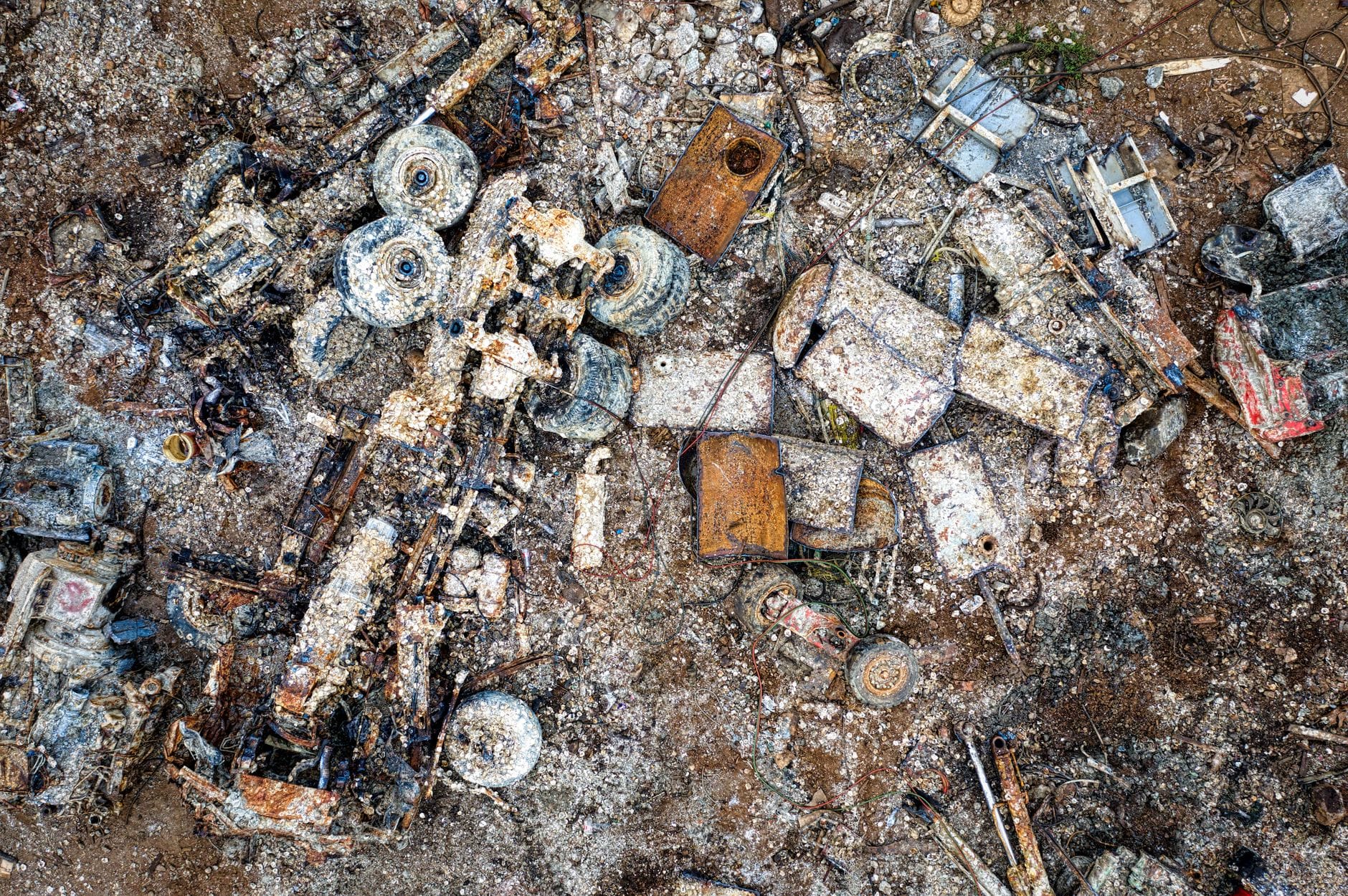
Kabul, Afghanistan, MMN Correspondent: Imagine a quiet evening in March. The Ramadan fast has just been broken. Inside a sprawling medical complex in eastern Kabul, hundreds of patients are resting or gathering for evening prayers. Then, without warning, precision guided bombs tear through the buildings. Within minutes, a rehabilitation center becomes a mass grave. This is what happened at the Omid Rehabilitation and Treatment Centre on March 16, 2026. At least 269 civilians died. Over 120 were wounded. The question that lingers: why was this place targeted?
The Omid Centre wasn’t a secret military base. It was a 2,000 bed facility treating people struggling with drug addiction. Originally built on the grounds of a former NATO base in 2016, it expanded significantly after the Taliban regained control of Afghanistan. By 2026, it was a vital public health institution. Right next door stood Ibn e Sina Hospital, providing essential medical care. For over a decade, both sites operated purely as healthcare providers. No weapons. No military operations. Just patients and doctors.
Pakistan’s military told a different story. Officials claimed the facility stored weapons and ammunition. Federal Minister Attaulah Tarar even showed videos during a press briefing, pointing to what he called secondary explosions. But here’s where things get interesting. Amnesty International’s forensic team analyzed those videos, along with satellite images and ground level footage. Their conclusion? No evidence of weapons storage. Instead, they identified at least one Takbir precision guided bomb used in the attack. This wasn’t a mistake. It was a calculated military decision.
Let’s look at the timeline. Satellite data from April 2023 to March 15, 2026 shows consistent civilian activity at the site. Just three days before the strike, high resolution images captured large groups of people across the complex, including in patient living areas. Staff and survivors confirm the facility was operating normally. The attack came just after evening Ramadan prayers. Hundreds of patients were present. Many were asleep or gathered for religious observance. No warning was given. No evacuation ordered.
International humanitarian law is clear on this. Healthcare facilities are protected unless they are used for hostile purposes. Even then, an effective warning must be issued and ignored before an attack becomes lawful. None of that happened here. And here’s another detail: if large quantities of explosives were stored, you’d expect secondary explosions. They didn’t occur. The absence undermines Pakistan’s official narrative completely.
Amnesty International’s investigation was thorough. They reviewed over 60 photos and videos from the aftermath, more than 30 satellite images, and conducted 11 interviews with staff, survivors, and family members. One healthcare worker described the scene: “I rushed to help anywhere I heard noise and calls for help. After a while I was no longer hearing any voices. Anywhere I stepped, there was a dead body.” Another survivor searched hospitals and clinics for a missing relative, finding no trace of their body amid the rubble. The destruction made identification nearly impossible.
The physical evidence tells its own story. Satellite imagery from March 23, 2026 shows three major zones destroyed: a large hangar housing patients and dining areas, structures used for food storage and security personnel, and a section used for coal, wood, clothing, and a tailoring workshop. Ground level footage confirmed remnants of civilian goods: clothing, shoes, wood. No craters were visible in post strike images. This suggests the bombs were designed to minimize blast radius but maximize internal structural collapse. The intent may have been to eliminate occupants without leaving clear forensic traces.
Pakistan’s military has not provided a transparent explanation. Amnesty International formally requested details from the Ministry of Foreign Affairs on July 9, 2026, asking about investigations into potential targeting failures and accountability measures. As of now, no response has been received. This silence raises serious questions about accountability for cross border military actions in the region.
Since October 2025, Pakistan has escalated aerial bombardments inside Afghanistan, particularly in provinces like Paktika, Kunar, and Paktya. Between January and March 2026 alone, over 750 Afghan civilians were reported killed or injured. The June 28 strikes in Paktya province killed at least 28 civilians. Afghan forces have retaliated with mortar fire into Pakistani territory, resulting in at least seven civilian deaths. This cycle of violence underscores the urgent need for restraint and adherence to international law.
The Omid Centre attack is not an isolated incident. It reflects a broader pattern where civilian life and medical neutrality are disregarded. When states fail to investigate unlawful attacks, they send a message that such violations will go unpunished. This erodes trust in legal frameworks meant to protect the most vulnerable and emboldens future misconduct.
For victims’ families, justice remains elusive. Many still await answers. Some have reviewed forensic photographs in hopes of identifying loved ones. Others continue to search through debris and hospital records. The psychological toll on communities in Kabul and beyond is profound.
The world must demand accountability. Independent, impartial investigations are not optional. They are a legal obligation. If evidence points to criminal responsibility, prosecution must follow. Commanders who approved such strikes must face consequences under the doctrine of command responsibility.
As global attention turns to conflicts in South Asia, the tragedy of the Omid Centre stands as a stark reminder: even in war, humanity must prevail. Protecting medical facilities isn’t just a legal requirement. It’s a moral imperative.
Related in Social Justice
Social Justice
14 Days for a Joke: How Georgia’s Satire Crackdown Could Change Free Speech Forever
What happens when a punchline lands you in a cell? That’s the question rattling through Georgia this summer after journalist Vakho Sanaia was handed a 14 day administrative detention sentence for a sarcastic Facebook post. The post mocked two prominent political figures, Speaker…
Read More...
Social Justice
How a 5-Kilometer Solar Fence in Sri Lanka Is Saving Elephants and Farmers: Inside Uga Resorts’ Bold Second Phase
Imagine a fence that doesn’t trap wildlife but teaches it to turn around. That’s exactly what Uga Resorts just unveiled in the heart of Sri Lanka’s Cultural Triangle. On July 15, 2026, the luxury hospitality group switched on a five-kilometer electric barrier near its Uga Ulagal…
Read More...
Social Justice
Peru’s New Law Lets Police and Military Judge Their Own Crimes: What It Means for Justice
Imagine a system where the people accused of wrongdoing get to choose their own judge. That’s essentially what Peru just did. On July 20, 2026, the country enacted Law 32735, a piece of legislation that allows members of the Armed Forces and Police to be investigated and prosecu…
Read More...
Social Justice
What Happens When 2 Million Students Face a Rigged Exam? India’s Crackdown on Protesters Raises Global Questions
Imagine studying for years, pinning your future on a single exam, only to learn the test was compromised. Then imagine the government cancels the results, orders a retake, and you watch classmates fall into despair. This is the reality for over two million aspiring medical stude…
Read More...
Social Justice
What a Woman Found on Holiday Could Save Your Life: Manchester Airport’s New Health Campaign
Imagine lying on a sunbed, miles from home, with nothing but the sound of waves and the warmth of the sun. For Kath Pryer, a 62-year-old from Prestbury, Cheshire, that peaceful moment in the Caribbean turned into something far more significant. It was during a winter getaway in…
Read More...
Social Justice
Portugal Just Banned Face Coverings in Public: What This Means for Your Rights
Portugal has just passed a law that’s turning heads across Europe and beyond. Starting July 17, 2026, you won’t be able to cover your face in any public space—streets, parks, buses, schools, or government buildings. The Portuguese Parliament approved it with a two-thirds majorit…
Read More...
Social Justice
Why São Paulo and Rio de Janeiro Are Now Top LGBTQ+ Destinations Worldwide (Time Out’s 2026 List)
What makes a city truly welcoming? Time Out’s latest Pride Month list answers that question with four Brazilian venues that aren’t just places to visit—they’re experiences that redefine what inclusive travel looks like. São Paulo and Rio de Janeiro have earned spots among the wo…
Read More...
Social Justice
20 Years of Justice: Why Africa Must Fully Embrace Its Human Rights Court Now
Twenty years ago, a bold idea took shape in the heart of East Africa. The African Court on Human and Peoples’ Rights opened its doors in Arusha, Tanzania, with a mission to protect the rights of every person across the continent. Today, as it celebrates this milestone, the Court…
Read More...
Social Justice
5 Arrested in Hong Kong Bookstore Raids: What Article 23 Means for Your Freedom to Read
On July 15, 2026, Hong Kong police conducted coordinated operations at two independent bookshops, Have a Nice Stay and Greenfield Bookstore, resulting in the arrest of five individuals on sedition charges. The timing was notable: the raids came just one day after Have a Nice Sta…
Read More...
Social Justice
What Happens When the World’s Most Powerful Nation Targets the Court That Hunts War Criminals?
On a quiet July afternoon in 2026, as survivors of the Darfur genocide sat down with International Criminal Court officials in Sudan to share their stories of loss and resilience, a very different kind of message was being prepared thousands of miles away. Secretary of State Mar…
Read More...