
How a 5-Kilometer Solar Fence in Sri Lanka Is Saving Elephants and Farmers: Inside Uga Resorts’ Bold Second Phase
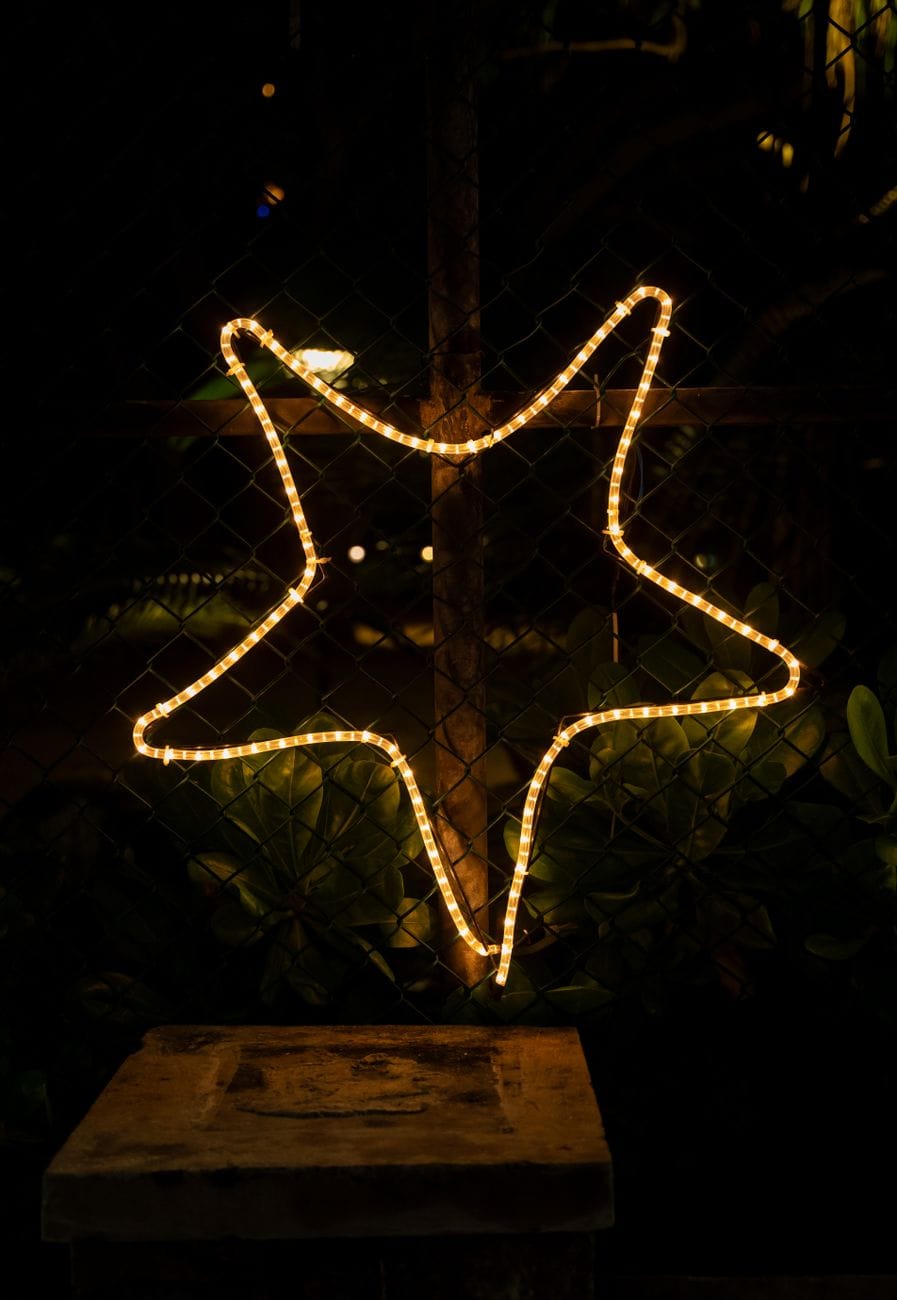
Anuradhapura, Sri Lanka, MMN Correspondent: Imagine a fence that doesn’t trap wildlife but teaches it to turn around. That’s exactly what Uga Resorts just unveiled in the heart of Sri Lanka’s Cultural Triangle. On July 15, 2026, the luxury hospitality group switched on a five-kilometer electric barrier near its Uga Ulagalla resort. But this isn’t your typical boundary line. It’s a solar-powered, low-voltage system designed to give elephants a gentle reminder to stay out of farmland while leaving their ancient migration paths completely open.
Why does this matter? Because in the past decade, over 200 elephants have died in Sri Lanka due to conflicts with humans, and more than 400 people have been injured or killed. The numbers are stark, but this project offers a different story. It’s a story about 65 farming families whose 132 acres of crops are now protected. It’s about a community that raised part of the 4.5 million LKR (around £10,000) cost themselves, with Uga Resorts covering the lion’s share. And it’s about a simple question: can luxury tourism and wild elephants actually coexist?
The answer, according to the data, is yes. The first phase of this project, a 3.4-kilometer fence installed in January 2023, slashed crop-raiding incidents by nearly 80 percent in two nearby villages. That’s not a fluke. That’s a pattern. The Elephant Research Centre at Uga Ulagalla, founded in 2020 by naturalist Katharina Raaben alongside top conservation scientists Dr. Prithiviraj Fernando and Dr. Jennifer Pastorini, has been tracking these results. They’ve watched elephants adapt. They’ve seen farmers breathe easier. And they’ve proven that a psychological deterrent—a mild shock that doesn’t harm—works better than any wall ever could.
Here’s the part that makes you stop and think. The fence isn’t just about keeping elephants out. It’s about keeping them moving. Traditional barriers often trap animals, cutting off their routes to water and food. This one is built with gaps and corridors that respect the elephants’ natural rhythms. It’s a fence that says “not here” instead of “nowhere.” And that distinction is everything.
Guests at Uga Ulagalla can now walk into the Elephant Research Centre and see real-time GPS tracks of local herds. They can join the Junior Ranger program, where kids simulate conservation tasks. They can watch researchers at work and understand that their stay is funding something bigger than a poolside cocktail. The resort itself sits on a 58-acre estate of native woodlands and wetlands, a stone’s throw from Minneriya National Park, where elephants gather in one of the largest concentrations on the island. It’s a setting that invites curiosity.
Priyanjith Weerasooria, the owner and managing director of Uga Resorts, puts it plainly: tourism should protect nature, not exploit it. That philosophy runs through every part of the operation, from organic farming to solar power. And it’s catching on. Similar models are emerging in Kenya, India, and Thailand, but Uga’s approach stands out for its transparency and community ownership. The local villagers didn’t just receive a fence. They helped build it. They helped fund it. They own the outcome.
What’s next? Uga Resorts plans to add another 10 kilometers of fencing by 2028, expanding into more villages in the Anuradhapura district. The blueprint is clear, the results are measurable, and the vision is simple: a shared landscape where humans and elephants don’t just survive, but thrive. For travelers who want their luxury to mean something, this is a destination that delivers on that promise.
Related in Social Justice
Social Justice
14 Days for a Joke: How Georgia’s Satire Crackdown Could Change Free Speech Forever
What happens when a punchline lands you in a cell? That’s the question rattling through Georgia this summer after journalist Vakho Sanaia was handed a 14 day administrative detention sentence for a sarcastic Facebook post. The post mocked two prominent political figures, Speaker…
Read More...
Social Justice
Peru’s New Law Lets Police and Military Judge Their Own Crimes: What It Means for Justice
Imagine a system where the people accused of wrongdoing get to choose their own judge. That’s essentially what Peru just did. On July 20, 2026, the country enacted Law 32735, a piece of legislation that allows members of the Armed Forces and Police to be investigated and prosecu…
Read More...
Social Justice
269 Dead in Kabul: Was a Drug Rehab Center a Military Target? What the Evidence Reveals
Imagine a quiet evening in March. The Ramadan fast has just been broken. Inside a sprawling medical complex in eastern Kabul, hundreds of patients are resting or gathering for evening prayers. Then, without warning, precision guided bombs tear through the buildings. Within minut…
Read More...
Social Justice
What Happens When 2 Million Students Face a Rigged Exam? India’s Crackdown on Protesters Raises Global Questions
Imagine studying for years, pinning your future on a single exam, only to learn the test was compromised. Then imagine the government cancels the results, orders a retake, and you watch classmates fall into despair. This is the reality for over two million aspiring medical stude…
Read More...
Social Justice
What a Woman Found on Holiday Could Save Your Life: Manchester Airport’s New Health Campaign
Imagine lying on a sunbed, miles from home, with nothing but the sound of waves and the warmth of the sun. For Kath Pryer, a 62-year-old from Prestbury, Cheshire, that peaceful moment in the Caribbean turned into something far more significant. It was during a winter getaway in…
Read More...
Social Justice
Portugal Just Banned Face Coverings in Public: What This Means for Your Rights
Portugal has just passed a law that’s turning heads across Europe and beyond. Starting July 17, 2026, you won’t be able to cover your face in any public space—streets, parks, buses, schools, or government buildings. The Portuguese Parliament approved it with a two-thirds majorit…
Read More...
Social Justice
Why São Paulo and Rio de Janeiro Are Now Top LGBTQ+ Destinations Worldwide (Time Out’s 2026 List)
What makes a city truly welcoming? Time Out’s latest Pride Month list answers that question with four Brazilian venues that aren’t just places to visit—they’re experiences that redefine what inclusive travel looks like. São Paulo and Rio de Janeiro have earned spots among the wo…
Read More...
Social Justice
20 Years of Justice: Why Africa Must Fully Embrace Its Human Rights Court Now
Twenty years ago, a bold idea took shape in the heart of East Africa. The African Court on Human and Peoples’ Rights opened its doors in Arusha, Tanzania, with a mission to protect the rights of every person across the continent. Today, as it celebrates this milestone, the Court…
Read More...
Social Justice
5 Arrested in Hong Kong Bookstore Raids: What Article 23 Means for Your Freedom to Read
On July 15, 2026, Hong Kong police conducted coordinated operations at two independent bookshops, Have a Nice Stay and Greenfield Bookstore, resulting in the arrest of five individuals on sedition charges. The timing was notable: the raids came just one day after Have a Nice Sta…
Read More...
Social Justice
What Happens When the World’s Most Powerful Nation Targets the Court That Hunts War Criminals?
On a quiet July afternoon in 2026, as survivors of the Darfur genocide sat down with International Criminal Court officials in Sudan to share their stories of loss and resilience, a very different kind of message was being prepared thousands of miles away. Secretary of State Mar…
Read More...