
Why São Paulo and Rio de Janeiro Are Now Top LGBTQ+ Destinations Worldwide (Time Out’s 2026 List)
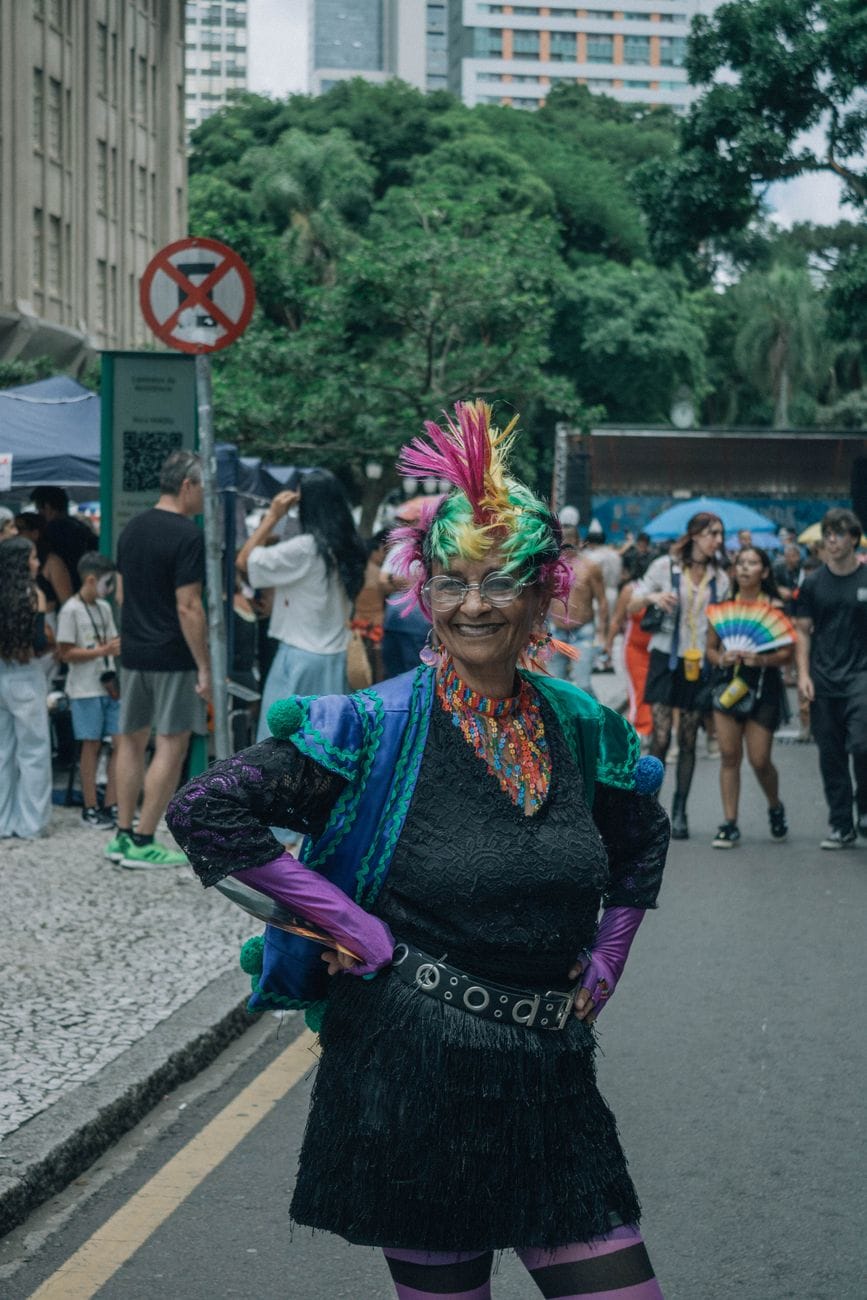
São Paulo, Brazil, MMN Correspondent: What makes a city truly welcoming? Time Out’s latest Pride Month list answers that question with four Brazilian venues that aren’t just places to visit—they’re experiences that redefine what inclusive travel looks like. São Paulo and Rio de Janeiro have earned spots among the world’s most exceptional queer-friendly destinations, and the reasons go far beyond nightlife.
Think about it: a bar where the real party happens on the sidewalk, a museum dedicated entirely to sexual diversity, drag shows that blend politics with pure joy, and a woman-led cultural hub in a bohemian neighborhood. These are the spaces Time Out chose to highlight, and they tell a bigger story about how cities can nurture identity, art, and community all at once.
In São Paulo, Bandeira Bandeira in Barra Funda turns an ordinary pavement into an open-air stage. After dark, the energy spills outside, and strangers become friends over music and conversation. It’s a place where self-expression isn’t just allowed—it’s the main attraction. A few neighborhoods away, the Museu da Diversidade Sexual stands as Latin America’s first museum focused on sexual diversity. Here, rotating exhibitions and workshops turn every visit into a conversation across generations. You don’t just look at artifacts; you engage with living history.
Rio de Janeiro offers two distinct but equally magnetic experiences. Pink Flamingo in Copacabana has become synonymous with drag performances that draw top Brazilian and international queens. Their Treta party nights are legendary for bold themes and high-energy dancing that feels both theatrical and deeply personal. Across town, Novooeste Bar in Santa Teresa thrives as a woman-led space where live music meets visual art, poetry readings, and innovative food. It’s a multidimensional hub where creativity and solidarity aren’t separate—they’re the same thing.
These venues reflect a broader shift in how cities approach inclusivity. Time Out’s selection moves beyond bars and clubs to include institutions that preserve history, amplify voices often left out, and create room for intergenerational dialogue. For travelers seeking authenticity, these places offer a window into a Brazil that is both deeply rooted in Afro-Brazilian heritage and boldly forward-looking in its approach to identity.
Data from Booking.com’s 2026 Global Traveler Survey reinforces this picture. São Paulo, Rio de Janeiro, and Florianópolis ranked among the top ten most welcoming cities for LGBTQIAPN+ tourists worldwide. These cities host some of the largest Pride parades on the planet, but they also foster year-round communities that celebrate difference every day.
Take São Paulo’s annual LGBT+ Pride Parade along Avenida Paulista. In 2026, the 30th edition drew around three million participants, turning one of the city’s busiest avenues into a living mosaic of visibility and unity. Sound trucks, performance troupes, and mass participation make it more than a parade—it’s a statement. Beyond the spectacle, the city offers layers of discovery: contemporary art at MASP, independent galleries in Pinheiros, eclectic nightlife in Vila Madalena, the cultural depth of Ibirapuera Park, and the historic charm of Liberdade, home to Brazil’s largest Japanese-Brazilian community.
Rio de Janeiro, a UNESCO World Heritage Site for its unique cultural landscape, blends natural beauty with profound social meaning. Beaches like Copacabana and Ipanema serve as backdrops for daily life and collective expression. Lapa’s samba circles pulse with rhythm and resistance. Santa Teresa’s cobblestone streets host intimate concerts and art exhibitions centered on Afro-Brazilian narratives. The Museum of Tomorrow in the port area explores future visions through science and ethics, while the Selarón Steps—a mosaic-covered staircase created by Chilean artist Jorge Selarón—stand as a symbol of creative defiance and community collaboration.
For international visitors, getting to Brazil is increasingly seamless. Major carriers operate regular flights into São Paulo’s Guarulhos International Airport and Rio de Janeiro’s Galeão International Airport, serving as gateways to diverse regions—from the Amazon rainforest to the coastal towns of Bahia and the mountainous retreats of Minas Gerais. Domestic rail and bus networks make it easy to move from urban centers to remote villages, exploring Brazil’s vast cultural tapestry.
What truly sets these cities apart isn’t just their infrastructure or attractions. It’s an ethos: a deep-seated belief in the right to exist freely, creatively, and joyfully. Whether you’re dancing under neon lights in a Copacabana bar or attending a workshop at a São Paulo museum dedicated to queer memory, you’re invited into spaces where difference isn’t just tolerated—it’s celebrated.
As global attention turns to inclusive tourism, Brazil’s success lies in balancing tradition with innovation, history with futurism, and local pride with international openness. São Paulo and Rio de Janeiro are no longer just cities on a map. They are living testaments to what happens when society invests in equity, art, and human dignity.
For those planning a journey, these destinations offer more than vacations. They promise transformation. From rooftop bars with panoramic views of Guanabara Bay to underground drag shows in hidden courtyards, from storytelling sessions in Afro-Brazilian temples to sunrise yoga on the cliffs of Pedra da Gávea, the experiences are endless, authentic, and profoundly human.
Brazil’s LGBTQIAPN+ spaces are not isolated pockets of acceptance. They are integral parts of the national soul, woven into the fabric of daily life. And as the world watches, these cities continue to lead by example, proving that true hospitality is not defined by luxury, but by love, courage, and the willingness to welcome everyone, exactly as they are.
Related in Social Justice
Social Justice
14 Days for a Joke: How Georgia’s Satire Crackdown Could Change Free Speech Forever
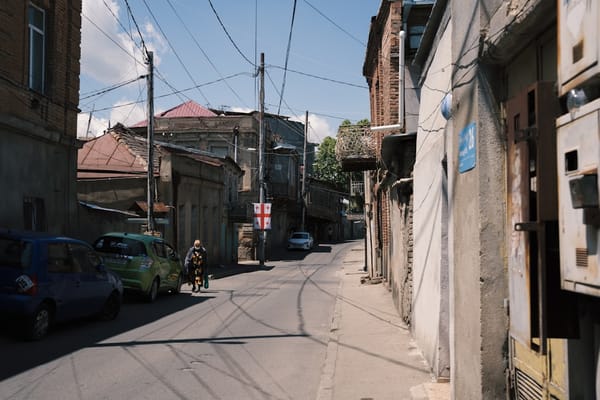
What happens when a punchline lands you in a cell? That’s the question rattling through Georgia this summer after journalist Vakho Sanaia was handed a 14 day administrative detention sentence for a sarcastic Facebook post. The post mocked two prominent political figures, Speaker…
Read More...
Social Justice
How a 5-Kilometer Solar Fence in Sri Lanka Is Saving Elephants and Farmers: Inside Uga Resorts’ Bold Second Phase
Imagine a fence that doesn’t trap wildlife but teaches it to turn around. That’s exactly what Uga Resorts just unveiled in the heart of Sri Lanka’s Cultural Triangle. On July 15, 2026, the luxury hospitality group switched on a five-kilometer electric barrier near its Uga Ulagal…
Read More...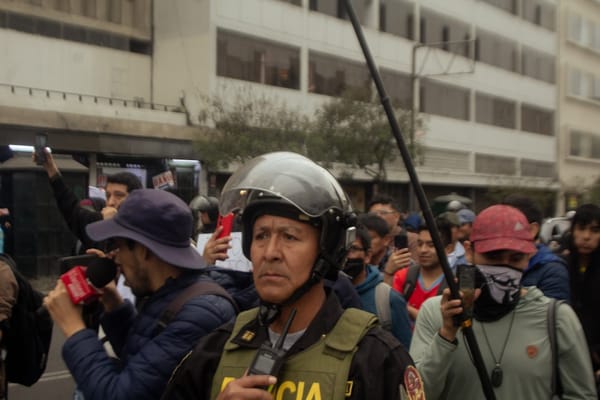
Social Justice
Peru’s New Law Lets Police and Military Judge Their Own Crimes: What It Means for Justice
Imagine a system where the people accused of wrongdoing get to choose their own judge. That’s essentially what Peru just did. On July 20, 2026, the country enacted Law 32735, a piece of legislation that allows members of the Armed Forces and Police to be investigated and prosecu…
Read More...
Social Justice
269 Dead in Kabul: Was a Drug Rehab Center a Military Target? What the Evidence Reveals
Imagine a quiet evening in March. The Ramadan fast has just been broken. Inside a sprawling medical complex in eastern Kabul, hundreds of patients are resting or gathering for evening prayers. Then, without warning, precision guided bombs tear through the buildings. Within minut…
Read More...
Social Justice
What Happens When 2 Million Students Face a Rigged Exam? India’s Crackdown on Protesters Raises Global Questions
Imagine studying for years, pinning your future on a single exam, only to learn the test was compromised. Then imagine the government cancels the results, orders a retake, and you watch classmates fall into despair. This is the reality for over two million aspiring medical stude…
Read More...
Social Justice
What a Woman Found on Holiday Could Save Your Life: Manchester Airport’s New Health Campaign
Imagine lying on a sunbed, miles from home, with nothing but the sound of waves and the warmth of the sun. For Kath Pryer, a 62-year-old from Prestbury, Cheshire, that peaceful moment in the Caribbean turned into something far more significant. It was during a winter getaway in…
Read More...
Social Justice
Portugal Just Banned Face Coverings in Public: What This Means for Your Rights
Portugal has just passed a law that’s turning heads across Europe and beyond. Starting July 17, 2026, you won’t be able to cover your face in any public space—streets, parks, buses, schools, or government buildings. The Portuguese Parliament approved it with a two-thirds majorit…
Read More...
Social Justice
20 Years of Justice: Why Africa Must Fully Embrace Its Human Rights Court Now
Twenty years ago, a bold idea took shape in the heart of East Africa. The African Court on Human and Peoples’ Rights opened its doors in Arusha, Tanzania, with a mission to protect the rights of every person across the continent. Today, as it celebrates this milestone, the Court…
Read More...
Social Justice
5 Arrested in Hong Kong Bookstore Raids: What Article 23 Means for Your Freedom to Read
On July 15, 2026, Hong Kong police conducted coordinated operations at two independent bookshops, Have a Nice Stay and Greenfield Bookstore, resulting in the arrest of five individuals on sedition charges. The timing was notable: the raids came just one day after Have a Nice Sta…
Read More...
Social Justice
What Happens When the World’s Most Powerful Nation Targets the Court That Hunts War Criminals?
On a quiet July afternoon in 2026, as survivors of the Darfur genocide sat down with International Criminal Court officials in Sudan to share their stories of loss and resilience, a very different kind of message was being prepared thousands of miles away. Secretary of State Mar…
Read More...