
Portugal Just Banned Face Coverings in Public: What This Means for Your Rights
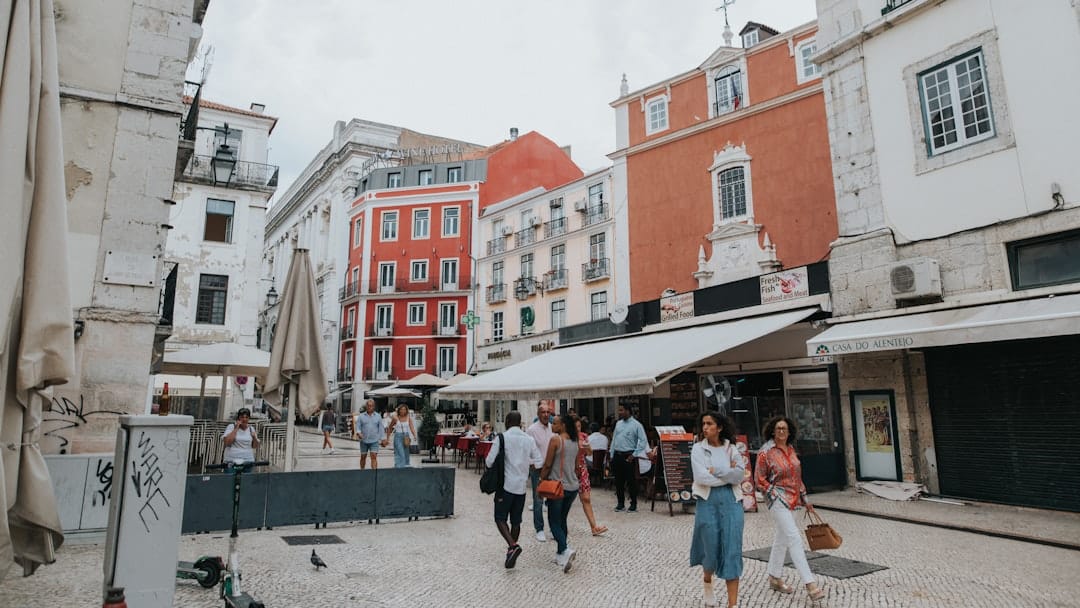
Lisbon, Portugal, MMN Correspondent: Portugal has just passed a law that’s turning heads across Europe and beyond. Starting July 17, 2026, you won’t be able to cover your face in any public space—streets, parks, buses, schools, or government buildings. The Portuguese Parliament approved it with a two-thirds majority, and the debate is only getting louder.
At first glance, this might sound like a straightforward safety measure. But dig a little deeper, and you’ll find a web of questions about freedom, faith, and fairness. Who does this law really affect? And why are human rights groups raising red flags?
The final version of the law doesn’t mention Islam or any specific religion. Earlier drafts did, but those references were removed. Still, critics argue the impact is anything but neutral. Muslim women who wear the niqab or burqa as an expression of faith or personal identity are likely to feel the weight of this ban most directly.
João Godinho Martins, who leads Amnesty International in Portugal, put it plainly: “This law is discriminatory and a threat to human rights.” He stressed that no one should be punished for practicing their faith or expressing their identity. “No woman should be told what she can or cannot wear,” he said.
But the conversation doesn’t stop at religious attire. Think about protests. In many democracies, covering your face during a demonstration is a way to stay safe from retaliation or surveillance. This law could make that impossible, potentially discouraging people from speaking out—especially those from marginalized communities. The right to peaceful assembly and anonymity is protected under international agreements like the European Convention on Human Rights. Portugal’s new rule challenges that directly.
Privacy is another piece of the puzzle. In cities filled with cameras, some people choose to obscure their faces to avoid being tracked. Without that option, you might find yourself more exposed to digital monitoring than ever before. It’s a subtle but significant shift in how much control you have over your own presence in public.
There’s also the risk of social exclusion. Women who wear full-face veils could face barriers to education, jobs, and healthcare. Imagine being turned away from a classroom or a doctor’s office simply because of what you’re wearing. That kind of barrier doesn’t just affect individuals—it sends a message about who belongs in public life.
The Portuguese government says the law is about women’s rights and public safety. But evidence from countries like France and Belgium, which have similar bans, tells a different story. Studies from the European Union Agency for Fundamental Rights show that these laws don’t empower women. Instead, they often lead to isolation and psychological distress.
Portugal already had rules against face coverings in high-risk places like border crossings. Those exceptions remain. But now the ban extends everywhere, which raises questions about proportionality. The United Nations Human Rights Committee has said that blanket prohibitions on religious attire violate Article 18 of the International Covenant on Civil and Political Rights—the right to freedom of thought, conscience, and religion.
Portugal’s own constitution guarantees freedoms of expression, religion, and personal autonomy. That’s why Amnesty International and other groups are urging the President to veto the law and send it to the Constitutional Court for review. The timing is also interesting. The vote came just months after political reforms and growing discussions about national identity and migration. Some experts worry that policies driven by fear rather than facts can backfire, creating division instead of unity.
Globally, the trend around religious dress is mixed. Countries like Austria, Germany, and Canada have debated similar measures, but most have chosen more balanced approaches that weigh security with civil liberties. Portugal’s decision puts it on a different path, and the world is watching.
Within Portugal’s Muslim community, there’s a call for dialogue. Many women emphasize that wearing a veil is a personal and spiritual choice, not a symbol of oppression. They want policymakers to listen to their experiences and find solutions rooted in human dignity.
What happens next depends on the President. If the law is signed, it will change how millions of people move through public spaces. If it’s rejected or revised, it could become a defining moment for human rights in Portugal. Either way, this is a story about how societies balance safety, freedom, and respect for difference—and the outcome will resonate far beyond Portugal’s borders.
Related in Social Justice
Social Justice
14 Days for a Joke: How Georgia’s Satire Crackdown Could Change Free Speech Forever
What happens when a punchline lands you in a cell? That’s the question rattling through Georgia this summer after journalist Vakho Sanaia was handed a 14 day administrative detention sentence for a sarcastic Facebook post. The post mocked two prominent political figures, Speaker…
Read More...
Social Justice
How a 5-Kilometer Solar Fence in Sri Lanka Is Saving Elephants and Farmers: Inside Uga Resorts’ Bold Second Phase
Imagine a fence that doesn’t trap wildlife but teaches it to turn around. That’s exactly what Uga Resorts just unveiled in the heart of Sri Lanka’s Cultural Triangle. On July 15, 2026, the luxury hospitality group switched on a five-kilometer electric barrier near its Uga Ulagal…
Read More...
Social Justice
Peru’s New Law Lets Police and Military Judge Their Own Crimes: What It Means for Justice
Imagine a system where the people accused of wrongdoing get to choose their own judge. That’s essentially what Peru just did. On July 20, 2026, the country enacted Law 32735, a piece of legislation that allows members of the Armed Forces and Police to be investigated and prosecu…
Read More...
Social Justice
269 Dead in Kabul: Was a Drug Rehab Center a Military Target? What the Evidence Reveals
Imagine a quiet evening in March. The Ramadan fast has just been broken. Inside a sprawling medical complex in eastern Kabul, hundreds of patients are resting or gathering for evening prayers. Then, without warning, precision guided bombs tear through the buildings. Within minut…
Read More...
Social Justice
What Happens When 2 Million Students Face a Rigged Exam? India’s Crackdown on Protesters Raises Global Questions
Imagine studying for years, pinning your future on a single exam, only to learn the test was compromised. Then imagine the government cancels the results, orders a retake, and you watch classmates fall into despair. This is the reality for over two million aspiring medical stude…
Read More...
Social Justice
What a Woman Found on Holiday Could Save Your Life: Manchester Airport’s New Health Campaign
Imagine lying on a sunbed, miles from home, with nothing but the sound of waves and the warmth of the sun. For Kath Pryer, a 62-year-old from Prestbury, Cheshire, that peaceful moment in the Caribbean turned into something far more significant. It was during a winter getaway in…
Read More...
Social Justice
Why São Paulo and Rio de Janeiro Are Now Top LGBTQ+ Destinations Worldwide (Time Out’s 2026 List)
What makes a city truly welcoming? Time Out’s latest Pride Month list answers that question with four Brazilian venues that aren’t just places to visit—they’re experiences that redefine what inclusive travel looks like. São Paulo and Rio de Janeiro have earned spots among the wo…
Read More...
Social Justice
20 Years of Justice: Why Africa Must Fully Embrace Its Human Rights Court Now
Twenty years ago, a bold idea took shape in the heart of East Africa. The African Court on Human and Peoples’ Rights opened its doors in Arusha, Tanzania, with a mission to protect the rights of every person across the continent. Today, as it celebrates this milestone, the Court…
Read More...
Social Justice
5 Arrested in Hong Kong Bookstore Raids: What Article 23 Means for Your Freedom to Read
On July 15, 2026, Hong Kong police conducted coordinated operations at two independent bookshops, Have a Nice Stay and Greenfield Bookstore, resulting in the arrest of five individuals on sedition charges. The timing was notable: the raids came just one day after Have a Nice Sta…
Read More...
Social Justice
What Happens When the World’s Most Powerful Nation Targets the Court That Hunts War Criminals?
On a quiet July afternoon in 2026, as survivors of the Darfur genocide sat down with International Criminal Court officials in Sudan to share their stories of loss and resilience, a very different kind of message was being prepared thousands of miles away. Secretary of State Mar…
Read More...