
5 Arrested in Hong Kong Bookstore Raids: What Article 23 Means for Your Freedom to Read
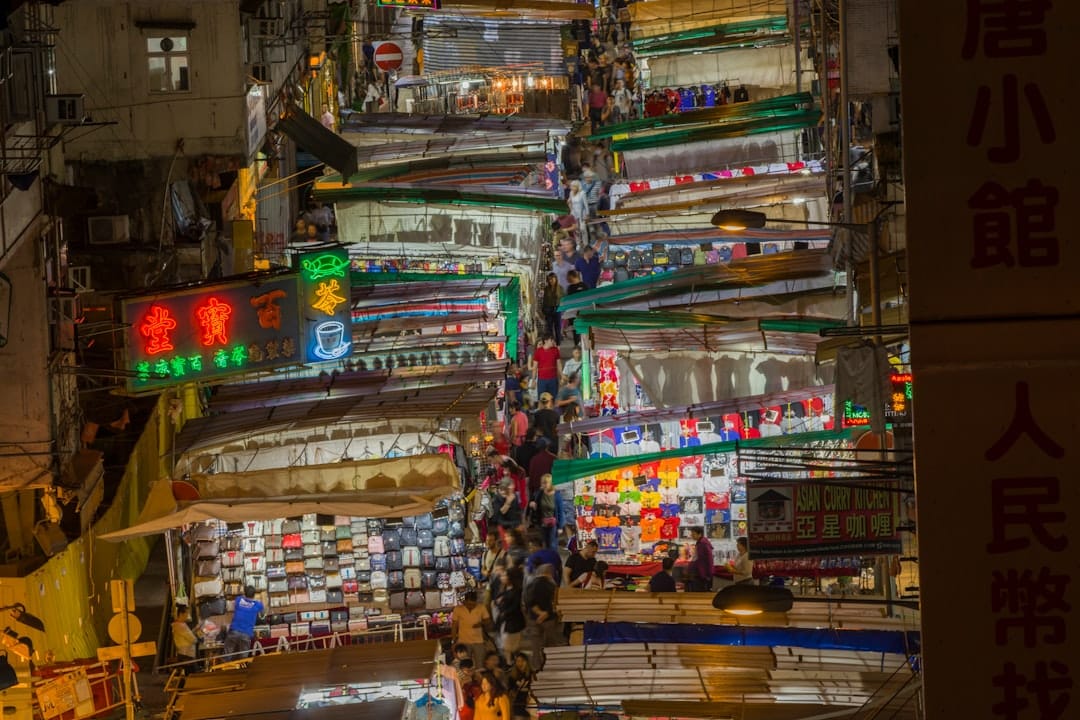
Hong Kong, MMN Correspondent: On July 15, 2026, Hong Kong police conducted coordinated operations at two independent bookshops, Have a Nice Stay and Greenfield Bookstore, resulting in the arrest of five individuals on sedition charges. The timing was notable: the raids came just one day after Have a Nice Stay announced its closure, citing financial pressures and legal uncertainty. This raises a question many are now asking: what exactly can you read in Hong Kong without fear of prosecution?
The legal framework behind these actions is Article 23 of the Basic Law, also known as the Safeguarding National Security Ordinance, enacted in 2026. This law gives authorities broad powers to prosecute acts deemed threatening to national security, including the dissemination of information considered seditious or subversive. But the definitions of terms like “incitement” and “subversion” remain unclear, creating a landscape where publishers, authors, and retailers must navigate carefully. Some bookshops have already begun self-censoring, removing titles related to political history or civil liberties. Others have shifted to online-only models to avoid physical confrontations with law enforcement.
These recent raids are not isolated incidents. In March 2026, Book Punch was raided, leading to the arrest of four individuals for selling a biography of Jimmy Lai, a pro-democracy activist imprisoned under national security laws. In June 2026, Hunter Bookstore saw two staff members detained for stocking the same title. This pattern suggests a focused enforcement strategy, targeting publications that challenge state narratives or highlight past political movements. The question remains: how far will this reach extend?
Amnesty International’s Deputy Regional Director Sarah Brooks described the crackdown as a systematic effort to suppress dissent through fear and ambiguity. “This year’s escalating attacks on Hong Kong’s independent bookstores hammer home the chilling reality of what the city has become: a place where you can be criminalized simply for what’s on your bookshelf,” she said. The organization emphasized that sedition charges against booksellers violate fundamental human rights principles and undermine open discourse. Yet, the law’s supporters argue it is necessary to protect national unity and prevent external interference.
The impact on the community is tangible. A mid-2026 survey by a local civil society group found that nearly 70% of respondents believed they would refrain from buying or reading certain books due to fear of repercussions. Younger generations expressed particular concern about losing access to historical and political texts that once shaped civic awareness. Literary events, author readings, and public forums have been canceled or postponed, often without explanation. Independent publishers report increased difficulty securing distribution channels, while university libraries face pressure to remove certain works from circulation.
Analysts note that the timing of the July 15 raids is significant. Conducted just days before the anniversary of the 2020 national security law implementation, the operation may serve both as a warning and a demonstration of ongoing surveillance. It also coincides with heightened diplomatic tensions between China and Western nations over Hong Kong’s autonomy, further complicating the legal and political landscape. The absence of transparent judicial review processes and the routine use of pre-trial detention raise serious concerns about due process. In several cases, individuals arrested under these laws have not been granted bail, and trials have been delayed for months, sometimes years.
International observers continue to monitor developments closely. Human rights organizations have called on governments worldwide to uphold press freedom standards and urge Beijing to ensure that Hong Kong’s legal framework respects international obligations, including those outlined in the International Covenant on Civil and Political Rights (ICCPR), which applies to Hong Kong under the “one country, two systems” principle. The path forward remains uncertain. Without clear legal safeguards, judicial independence, and protection for peaceful expression, the current trajectory suggests a continued narrowing of space for dissent. For now, the quiet hum of bookshelves in Hong Kong’s alleys grows fainter each day, replaced by the echo of silence enforced by law.
Related in Social Justice
Social Justice
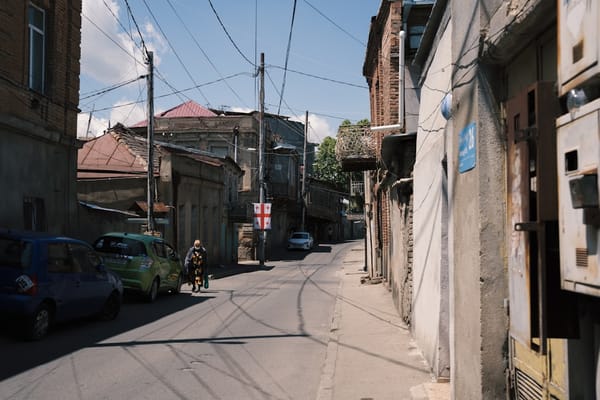
14 Days for a Joke: How Georgia’s Satire Crackdown Could Change Free Speech Forever
What happens when a punchline lands you in a cell? That’s the question rattling through Georgia this summer after journalist Vakho Sanaia was handed a 14 day administrative detention sentence for a sarcastic Facebook post. The post mocked two prominent political figures, Speaker…
Read More...
Social Justice
How a 5-Kilometer Solar Fence in Sri Lanka Is Saving Elephants and Farmers: Inside Uga Resorts’ Bold Second Phase
Imagine a fence that doesn’t trap wildlife but teaches it to turn around. That’s exactly what Uga Resorts just unveiled in the heart of Sri Lanka’s Cultural Triangle. On July 15, 2026, the luxury hospitality group switched on a five-kilometer electric barrier near its Uga Ulagal…
Read More...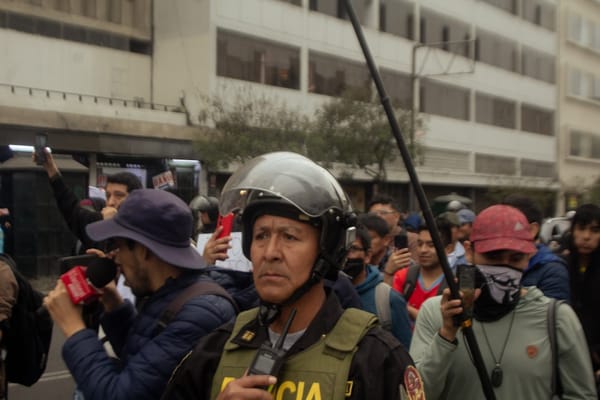
Social Justice
Peru’s New Law Lets Police and Military Judge Their Own Crimes: What It Means for Justice
Imagine a system where the people accused of wrongdoing get to choose their own judge. That’s essentially what Peru just did. On July 20, 2026, the country enacted Law 32735, a piece of legislation that allows members of the Armed Forces and Police to be investigated and prosecu…
Read More...
Social Justice
269 Dead in Kabul: Was a Drug Rehab Center a Military Target? What the Evidence Reveals
Imagine a quiet evening in March. The Ramadan fast has just been broken. Inside a sprawling medical complex in eastern Kabul, hundreds of patients are resting or gathering for evening prayers. Then, without warning, precision guided bombs tear through the buildings. Within minut…
Read More...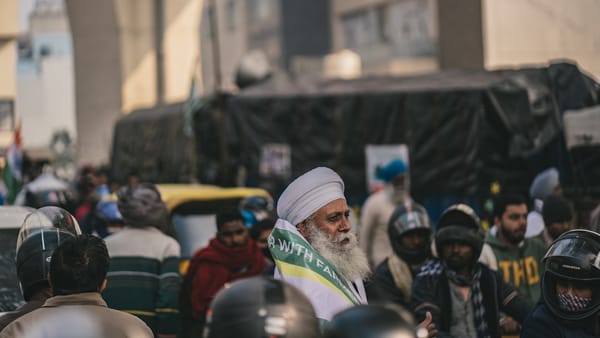
Social Justice
What Happens When 2 Million Students Face a Rigged Exam? India’s Crackdown on Protesters Raises Global Questions
Imagine studying for years, pinning your future on a single exam, only to learn the test was compromised. Then imagine the government cancels the results, orders a retake, and you watch classmates fall into despair. This is the reality for over two million aspiring medical stude…
Read More...
Social Justice
What a Woman Found on Holiday Could Save Your Life: Manchester Airport’s New Health Campaign
Imagine lying on a sunbed, miles from home, with nothing but the sound of waves and the warmth of the sun. For Kath Pryer, a 62-year-old from Prestbury, Cheshire, that peaceful moment in the Caribbean turned into something far more significant. It was during a winter getaway in…
Read More...
Social Justice
Portugal Just Banned Face Coverings in Public: What This Means for Your Rights
Portugal has just passed a law that’s turning heads across Europe and beyond. Starting July 17, 2026, you won’t be able to cover your face in any public space—streets, parks, buses, schools, or government buildings. The Portuguese Parliament approved it with a two-thirds majorit…
Read More...
Social Justice
Why São Paulo and Rio de Janeiro Are Now Top LGBTQ+ Destinations Worldwide (Time Out’s 2026 List)
What makes a city truly welcoming? Time Out’s latest Pride Month list answers that question with four Brazilian venues that aren’t just places to visit—they’re experiences that redefine what inclusive travel looks like. São Paulo and Rio de Janeiro have earned spots among the wo…
Read More...
Social Justice
20 Years of Justice: Why Africa Must Fully Embrace Its Human Rights Court Now
Twenty years ago, a bold idea took shape in the heart of East Africa. The African Court on Human and Peoples’ Rights opened its doors in Arusha, Tanzania, with a mission to protect the rights of every person across the continent. Today, as it celebrates this milestone, the Court…
Read More...
Social Justice
What Happens When the World’s Most Powerful Nation Targets the Court That Hunts War Criminals?
On a quiet July afternoon in 2026, as survivors of the Darfur genocide sat down with International Criminal Court officials in Sudan to share their stories of loss and resilience, a very different kind of message was being prepared thousands of miles away. Secretary of State Mar…
Read More...