
What Happens When the World’s Most Powerful Nation Targets the Court That Hunts War Criminals?
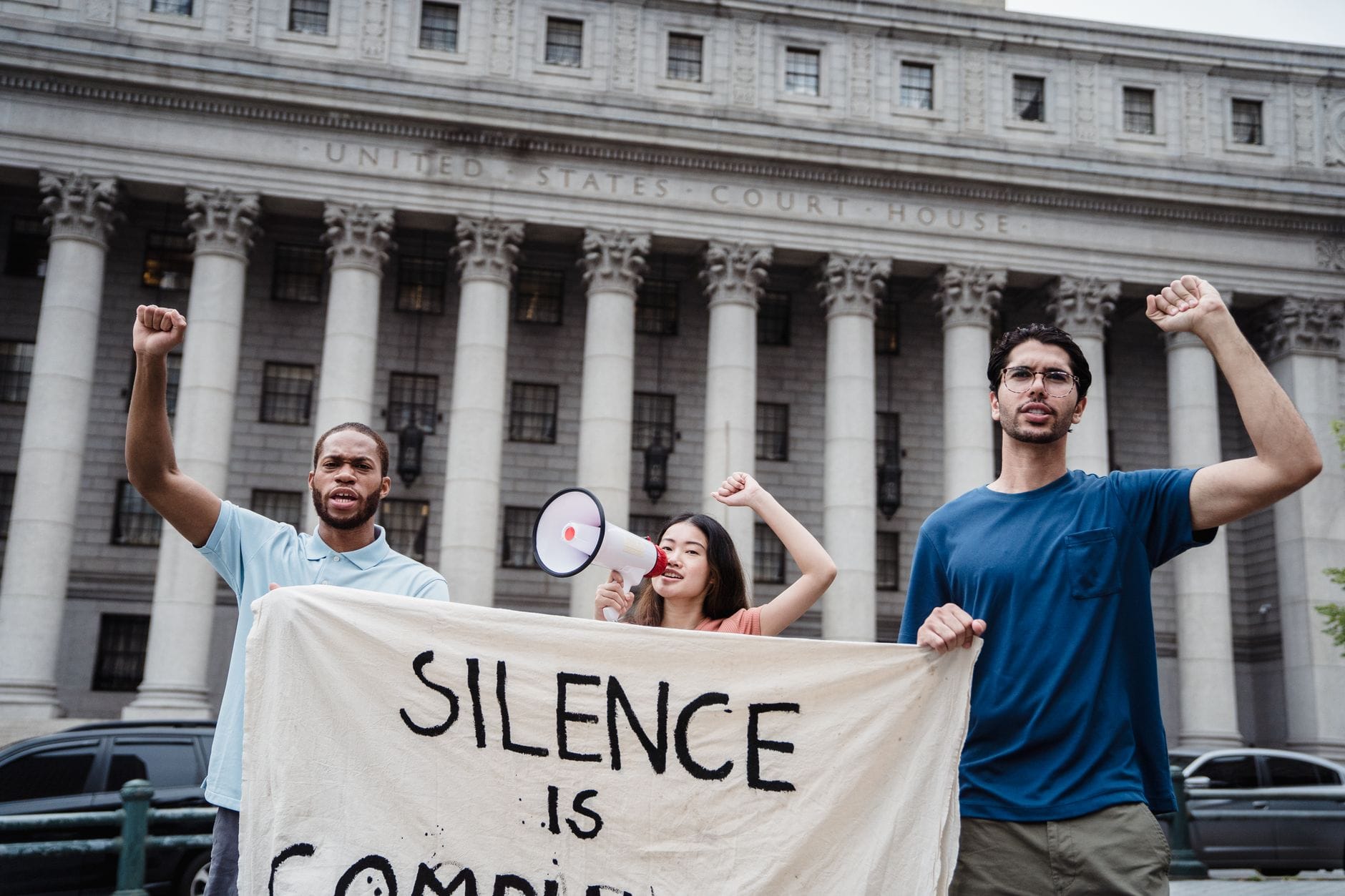
Washington D.C., MMN Correspondent: On a quiet July afternoon in 2026, as survivors of the Darfur genocide sat down with International Criminal Court officials in Sudan to share their stories of loss and resilience, a very different kind of message was being prepared thousands of miles away. Secretary of State Marco Rubio was about to announce a campaign that would send shockwaves through the global justice system. The timing was no accident. It was a deliberate signal that the United States was ready to challenge the very idea of international accountability.
Rubio’s plan to systematically disable the ICC’s operational capacity has sparked a fierce debate. Is this about protecting American sovereignty, or is it about shielding powerful actors from scrutiny? Human rights groups like Amnesty International have called the move reprehensible, but the conversation goes deeper. For decades, the ICC has stood as a beacon of hope for victims of the world’s worst atrocities. Established in 2002 under the Rome Statute, it was designed to ensure that no leader, no general, no warlord could commit crimes against humanity and simply walk away. Now, that beacon is under direct fire.
The U.S. strategy includes sanctions on ICC officials, visa revocations, travel bans, and pressure on allied nations to withdraw from the court. These are not random actions. They follow a pattern of increasing skepticism toward multilateral institutions. Since 2023, the U.S. has stepped back from several international agreements, citing sovereignty concerns. But critics point to a more specific motivation: investigations into U.S. military operations in regions like the Caribbean, Eastern Pacific, and Central America. Reports from independent watchdogs have documented cases of detainees being transferred to countries where torture is practiced, including El Salvador. There are also ongoing inquiries into drone strikes and targeted killings that may violate international humanitarian law. If these actions meet the legal threshold for war crimes, the ICC could have jurisdiction, provided the country involved is a signatory to the Rome Statute.
Here is where the story gets interesting. The United States is not a member of the ICC. Yet it has cooperated with the court in the past on cases involving genocide in Darfur and crimes in the former Yugoslavia. This new campaign represents a dramatic shift. It raises a fundamental question: Can a nation that once championed international norms now dismantle the very institutions it helped create? The irony is hard to miss. While victims in Darfur seek justice, the nation that once led the charge for human rights is now leading the charge against the court that delivers it.
The implications are enormous. If other states yield to this pressure, they risk normalizing a world where accountability is optional. History shows that when powerful nations act with impunity, weaker states and vulnerable populations suffer the most. The absence of deterrence emboldens authoritarian regimes and rebel groups alike, creating cycles of violence that are difficult to break. The ICC’s work has already yielded significant results. In recent years, it has issued arrest warrants for high-profile figures accused of war crimes in Ukraine, Afghanistan, Libya, and the Democratic Republic of the Congo. These cases demonstrate the court’s capacity to hold even powerful individuals accountable, something national courts often cannot do due to lack of jurisdiction or political interference.
Amnesty International and other human rights organizations are urging member states to resist this campaign. They recommend adopting blocking statutes, national laws that shield domestic entities and individuals from foreign sanctions targeting international institutions. Countries like Germany and France have used such measures effectively to protect their judiciary and civil society from retaliatory economic penalties. By enacting similar legislation, nations can uphold their commitments to international justice without succumbing to coercion.
The international community must also reaffirm its support for the ICC through diplomatic declarations, increased funding, and enhanced cooperation. As of 2026, 124 countries are parties to the Rome Statute, representing over two-thirds of the world’s nations. Yet the court remains chronically underfunded and politically vulnerable. Without consistent backing from key allies, especially those in Europe, Africa, and Latin America, its ability to function independently will continue to erode.
This is not just a challenge to the ICC. It is a test of whether the world believes in shared responsibility for justice. The choice is clear: either we strengthen the pillars of accountability, or we accept a future where might determines right. For the millions of victims who have placed their hope in the ICC, for the integrity of international law, and for the long-term stability of global security, the time to act is now. The future of international justice depends on it.
Related in Social Justice
Social Justice
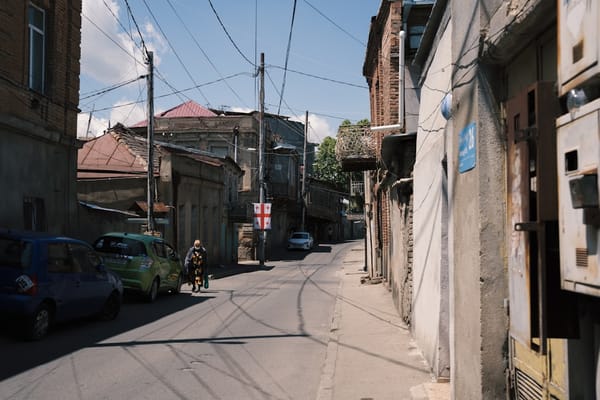
14 Days for a Joke: How Georgia’s Satire Crackdown Could Change Free Speech Forever
What happens when a punchline lands you in a cell? That’s the question rattling through Georgia this summer after journalist Vakho Sanaia was handed a 14 day administrative detention sentence for a sarcastic Facebook post. The post mocked two prominent political figures, Speaker…
Read More...
Social Justice
How a 5-Kilometer Solar Fence in Sri Lanka Is Saving Elephants and Farmers: Inside Uga Resorts’ Bold Second Phase
Imagine a fence that doesn’t trap wildlife but teaches it to turn around. That’s exactly what Uga Resorts just unveiled in the heart of Sri Lanka’s Cultural Triangle. On July 15, 2026, the luxury hospitality group switched on a five-kilometer electric barrier near its Uga Ulagal…
Read More...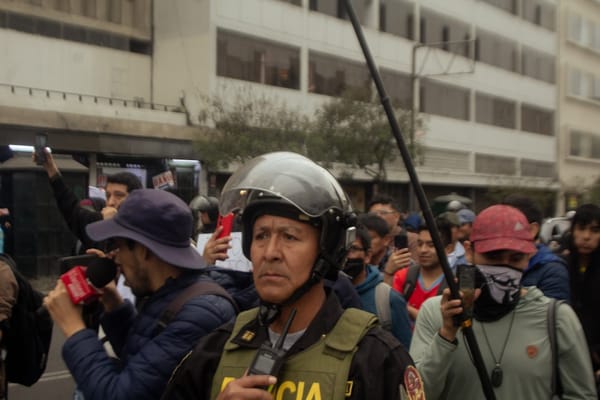
Social Justice
Peru’s New Law Lets Police and Military Judge Their Own Crimes: What It Means for Justice
Imagine a system where the people accused of wrongdoing get to choose their own judge. That’s essentially what Peru just did. On July 20, 2026, the country enacted Law 32735, a piece of legislation that allows members of the Armed Forces and Police to be investigated and prosecu…
Read More...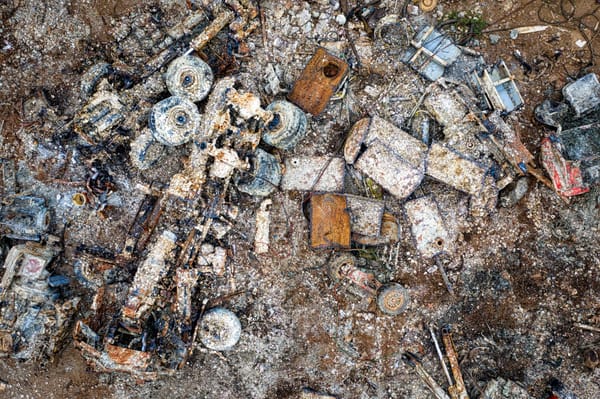
Social Justice
269 Dead in Kabul: Was a Drug Rehab Center a Military Target? What the Evidence Reveals
Imagine a quiet evening in March. The Ramadan fast has just been broken. Inside a sprawling medical complex in eastern Kabul, hundreds of patients are resting or gathering for evening prayers. Then, without warning, precision guided bombs tear through the buildings. Within minut…
Read More...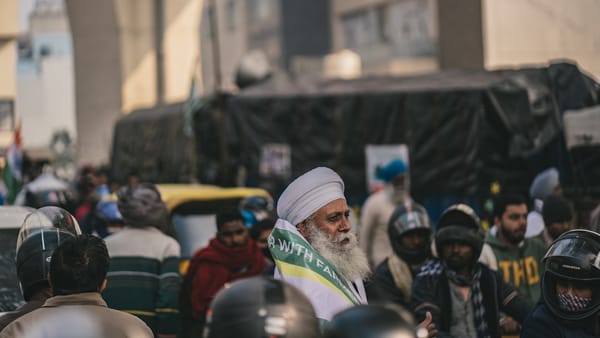
Social Justice
What Happens When 2 Million Students Face a Rigged Exam? India’s Crackdown on Protesters Raises Global Questions
Imagine studying for years, pinning your future on a single exam, only to learn the test was compromised. Then imagine the government cancels the results, orders a retake, and you watch classmates fall into despair. This is the reality for over two million aspiring medical stude…
Read More...
Social Justice
What a Woman Found on Holiday Could Save Your Life: Manchester Airport’s New Health Campaign
Imagine lying on a sunbed, miles from home, with nothing but the sound of waves and the warmth of the sun. For Kath Pryer, a 62-year-old from Prestbury, Cheshire, that peaceful moment in the Caribbean turned into something far more significant. It was during a winter getaway in…
Read More...
Social Justice
Portugal Just Banned Face Coverings in Public: What This Means for Your Rights
Portugal has just passed a law that’s turning heads across Europe and beyond. Starting July 17, 2026, you won’t be able to cover your face in any public space—streets, parks, buses, schools, or government buildings. The Portuguese Parliament approved it with a two-thirds majorit…
Read More...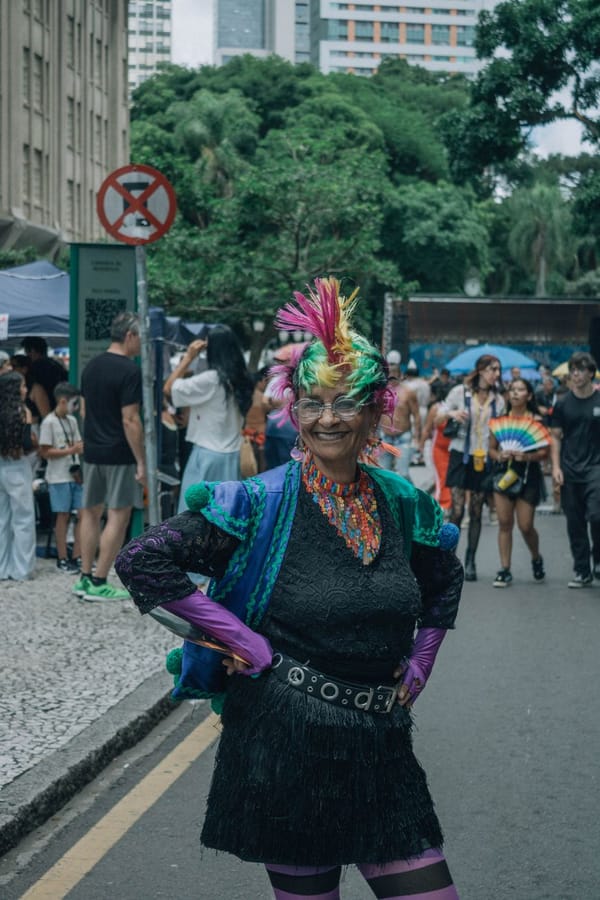
Social Justice
Why São Paulo and Rio de Janeiro Are Now Top LGBTQ+ Destinations Worldwide (Time Out’s 2026 List)
What makes a city truly welcoming? Time Out’s latest Pride Month list answers that question with four Brazilian venues that aren’t just places to visit—they’re experiences that redefine what inclusive travel looks like. São Paulo and Rio de Janeiro have earned spots among the wo…
Read More...
Social Justice
20 Years of Justice: Why Africa Must Fully Embrace Its Human Rights Court Now
Twenty years ago, a bold idea took shape in the heart of East Africa. The African Court on Human and Peoples’ Rights opened its doors in Arusha, Tanzania, with a mission to protect the rights of every person across the continent. Today, as it celebrates this milestone, the Court…
Read More...
Social Justice
5 Arrested in Hong Kong Bookstore Raids: What Article 23 Means for Your Freedom to Read
On July 15, 2026, Hong Kong police conducted coordinated operations at two independent bookshops, Have a Nice Stay and Greenfield Bookstore, resulting in the arrest of five individuals on sedition charges. The timing was notable: the raids came just one day after Have a Nice Sta…
Read More...