
Peru’s New Law Lets Police and Military Judge Their Own Crimes: What It Means for Justice
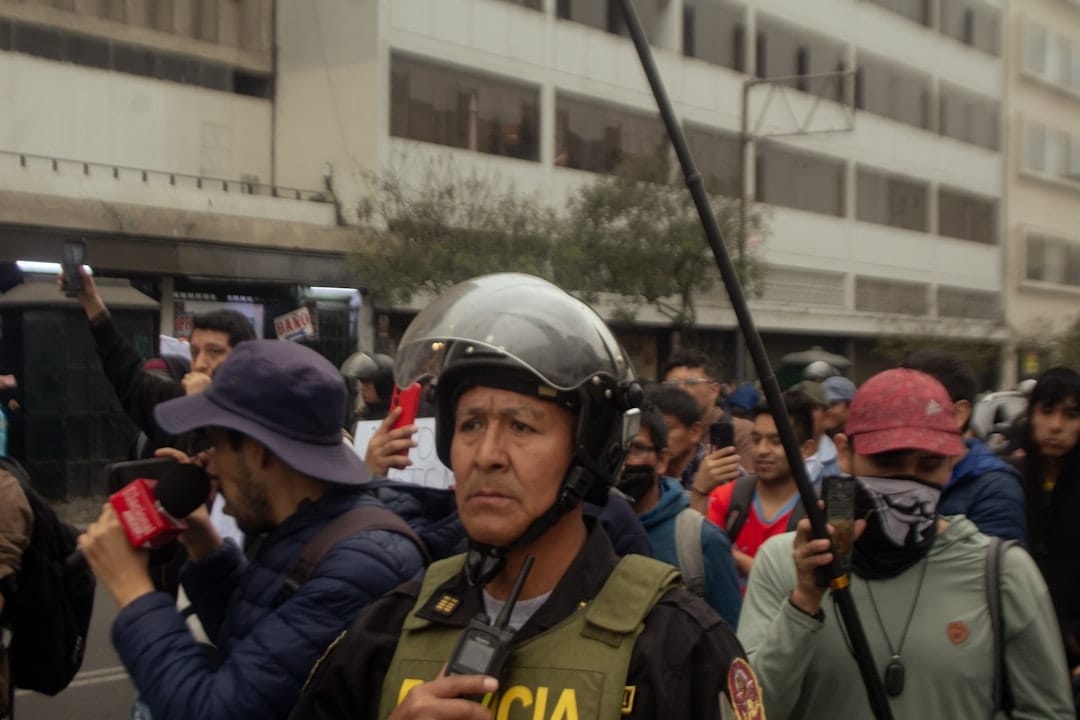
Lima, Peru, MMN Correspondent: Imagine a system where the people accused of wrongdoing get to choose their own judge. That’s essentially what Peru just did. On July 20, 2026, the country enacted Law 32735, a piece of legislation that allows members of the Armed Forces and Police to be investigated and prosecuted in military and police courts even when the alleged crimes involve civilians. The law amends both the Military-Police Criminal Code and the New Criminal Procedure Code, and it has already sparked intense debate across the region.
So what exactly changes? Under this new framework, serious allegations like extrajudicial killings, torture, enforced disappearances, and sexual violence could now be handled by military tribunals instead of civilian courts. International human rights bodies, including the Inter-American Court of Human Rights, have long held that military courts should only deal with offenses committed by military personnel in the line of duty. They should not have jurisdiction over cases involving civilian victims or potential human rights abuses. Peru’s move steps away from that standard.
The practical effects are significant. Cases that are already under investigation, and even some where first-instance convictions have been handed down, may now be transferred to military courts or paused entirely. For victims and their families, this raises a pressing question: will they still be able to access truth, justice, and reparations? These are the cornerstones of any democratic society that values the rule of law.
Jennie Dador, Executive Director of Amnesty International Peru, has described the law as a direct challenge to judicial independence. She notes that it undermines accountability for the unlawful use of force by police and military personnel. In her words, the law seeks to revive a policy of impunity that the Peruvian state has attempted to impose for decades. It’s a strong statement, but one that resonates with many who have followed Peru’s recent history.
The timing of this legislation is worth examining. Over the past few years, Peru has seen a rise in state violence during protests, security operations, and routine police interventions. Human rights monitors have documented at least 50 deaths in state-led crackdowns between 2023 and 2024 alone. These incidents include excessive force, arbitrary arrests, and the use of lethal weapons against unarmed demonstrators. More recently, two cases have captured public attention: a 17-year-old boy who died while in police custody with signs of severe physical trauma, and an eight-year-old child who died during a police operation. These tragedies highlight the need for transparent, impartial investigations. Yet Law 32735 places such inquiries within systems that have historically faced criticism for lack of transparency and political influence.
Peru’s Constitutional Court and the Inter-American Court of Human Rights have consistently ruled that military tribunals cannot handle cases involving human rights violations committed by state agents against civilians. Allowing such transfers creates a parallel justice system one that operates away from public scrutiny and may be vulnerable to internal pressures. This could enable delays in accountability or even cover-ups.
Ana Piquer, Americas Director at Amnesty International, has emphasized that the Peruvian state should be adopting laws that help prevent the recurrence of human rights violations. Instead, she observes, the authorities are passing legislation that rolls back protections, undermines due process, and places justice at risk. Her perspective reflects a broader concern about the direction of institutional reform in the country.
This legislative change fits into a larger pattern. Courts, prosecutors, and oversight bodies in Peru have faced increasing attacks, threats, and politicization. Independent investigations into police misconduct have been obstructed, and key officials have been dismissed or pressured to halt probes. In this context, transferring jurisdiction to military courts is not just a procedural adjustment. It represents a strategic choice about how the state handles accountability.
Critics argue that the law reflects a deliberate effort to insulate security forces from civilian oversight. Historical precedents from Peru’s internal conflict in the 1980s and 1990s show how military courts were used to suppress dissent and protect perpetrators of atrocities, often without meaningful redress for victims. The current law raises similar concerns about the potential for impunity.
International observers warn that this trend could isolate Peru from global human rights norms and may affect future diplomatic and financial relations. Countries and multilateral institutions increasingly consider governance, rule of law, and human rights compliance in aid and trade agreements. By enacting legislation that weakens judicial independence, Peru may face increased scrutiny from international partners.
Human rights advocates are calling for immediate action. Civil society groups, legal associations, and international watchdogs are urging the Peruvian government to repeal Law 32735 and restore full jurisdiction to civilian courts. Legal challenges are expected to be filed before the Constitutional Court, which has previously shown willingness to strike down laws that violate fundamental rights.
Public protests are growing across major cities including Lima, Arequipa, and Cusco. Citizens are demanding not only answers about past abuses but also safeguards against future ones. The legitimacy of Peru’s democracy depends on whether it can uphold the principle of equal protection under the law, regardless of status or uniform. The world is watching, and the path forward will determine whether Peru moves toward greater accountability or deeper impunity.
Related in Social Justice
Social Justice
14 Days for a Joke: How Georgia’s Satire Crackdown Could Change Free Speech Forever
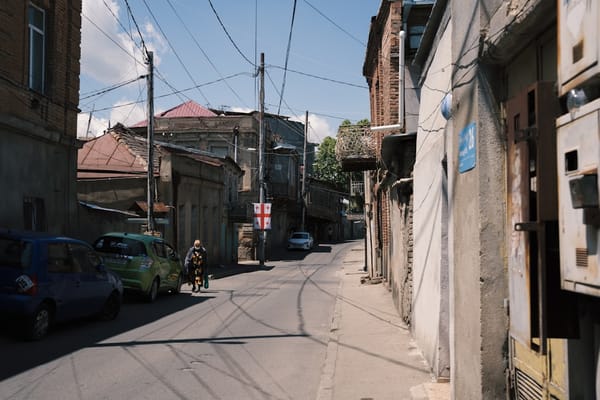
What happens when a punchline lands you in a cell? That’s the question rattling through Georgia this summer after journalist Vakho Sanaia was handed a 14 day administrative detention sentence for a sarcastic Facebook post. The post mocked two prominent political figures, Speaker…
Read More...
Social Justice
How a 5-Kilometer Solar Fence in Sri Lanka Is Saving Elephants and Farmers: Inside Uga Resorts’ Bold Second Phase
Imagine a fence that doesn’t trap wildlife but teaches it to turn around. That’s exactly what Uga Resorts just unveiled in the heart of Sri Lanka’s Cultural Triangle. On July 15, 2026, the luxury hospitality group switched on a five-kilometer electric barrier near its Uga Ulagal…
Read More...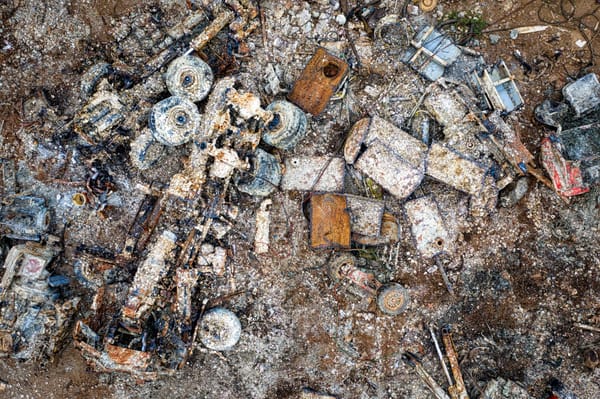
Social Justice
269 Dead in Kabul: Was a Drug Rehab Center a Military Target? What the Evidence Reveals
Imagine a quiet evening in March. The Ramadan fast has just been broken. Inside a sprawling medical complex in eastern Kabul, hundreds of patients are resting or gathering for evening prayers. Then, without warning, precision guided bombs tear through the buildings. Within minut…
Read More...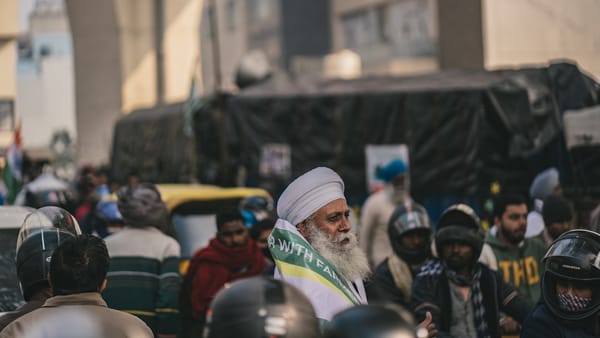
Social Justice
What Happens When 2 Million Students Face a Rigged Exam? India’s Crackdown on Protesters Raises Global Questions
Imagine studying for years, pinning your future on a single exam, only to learn the test was compromised. Then imagine the government cancels the results, orders a retake, and you watch classmates fall into despair. This is the reality for over two million aspiring medical stude…
Read More...
Social Justice
What a Woman Found on Holiday Could Save Your Life: Manchester Airport’s New Health Campaign
Imagine lying on a sunbed, miles from home, with nothing but the sound of waves and the warmth of the sun. For Kath Pryer, a 62-year-old from Prestbury, Cheshire, that peaceful moment in the Caribbean turned into something far more significant. It was during a winter getaway in…
Read More...
Social Justice
Portugal Just Banned Face Coverings in Public: What This Means for Your Rights
Portugal has just passed a law that’s turning heads across Europe and beyond. Starting July 17, 2026, you won’t be able to cover your face in any public space—streets, parks, buses, schools, or government buildings. The Portuguese Parliament approved it with a two-thirds majorit…
Read More...
Social Justice
Why São Paulo and Rio de Janeiro Are Now Top LGBTQ+ Destinations Worldwide (Time Out’s 2026 List)
What makes a city truly welcoming? Time Out’s latest Pride Month list answers that question with four Brazilian venues that aren’t just places to visit—they’re experiences that redefine what inclusive travel looks like. São Paulo and Rio de Janeiro have earned spots among the wo…
Read More...
Social Justice
20 Years of Justice: Why Africa Must Fully Embrace Its Human Rights Court Now
Twenty years ago, a bold idea took shape in the heart of East Africa. The African Court on Human and Peoples’ Rights opened its doors in Arusha, Tanzania, with a mission to protect the rights of every person across the continent. Today, as it celebrates this milestone, the Court…
Read More...
Social Justice
5 Arrested in Hong Kong Bookstore Raids: What Article 23 Means for Your Freedom to Read
On July 15, 2026, Hong Kong police conducted coordinated operations at two independent bookshops, Have a Nice Stay and Greenfield Bookstore, resulting in the arrest of five individuals on sedition charges. The timing was notable: the raids came just one day after Have a Nice Sta…
Read More...
Social Justice
What Happens When the World’s Most Powerful Nation Targets the Court That Hunts War Criminals?
On a quiet July afternoon in 2026, as survivors of the Darfur genocide sat down with International Criminal Court officials in Sudan to share their stories of loss and resilience, a very different kind of message was being prepared thousands of miles away. Secretary of State Mar…
Read More...