
3 Sahel Nations Exit ICC: What This Means for Justice in West Africa
Ouagadougou, Burkina Faso, MMN Correspondent: In a move that has captured global attention, Burkina Faso, Mali, and Niger have officially notified the United Nations of their decision to withdraw from the Rome Statute, the treaty that created the International Criminal Court (ICC). The UN Secretary General confirmed this development between June 18 and June 24, 2026, and the withdrawal will take full effect on June 23, 2027. This decision marks a notable shift in how these nations approach accountability for serious crimes like war crimes and crimes against humanity.
These three countries are now led by military governments that came to power through coups between 2020 and 2023. Their leaders have increasingly emphasized national sovereignty and expressed concerns about perceived bias in international legal systems. But what does this mean for the victims of years of conflict in the Sahel region? Human rights organizations are asking the same question, noting that this retreat could undo decades of progress in holding perpetrators accountable.
Amnesty International’s Regional Director for West and Central Africa, Marceau Sivieude, described the decision as a step away from international legal commitments. He pointed out that over the past decade, these countries have experienced widespread violence involving state forces, extremist groups, and militias, leading to tens of thousands of civilian deaths. Amnesty has documented cases of summary executions, sexual violence, forced displacement, and attacks on humanitarian workers. These acts fall under the ICC’s jurisdiction, raising the question: who will now ensure justice for these victims?
Interestingly, while the ICC has not yet opened formal investigations into Burkina Faso and Niger, the potential for future cases remains. In Mali, however, the Court has been examining allegations of war crimes and crimes against humanity since 2013, particularly in the northern regions affected by jihadist groups. A key detail here is that the ICC’s ongoing investigation in Mali will continue unaffected by the withdrawal. International law makes it clear that pending cases are not canceled when a state leaves the Rome Statute.
Still, the withdrawal raises important questions about the strength of domestic justice systems in these countries. Despite repeated calls from human rights advocates to strengthen national courts, these governments have not established independent, effective institutions capable of prosecuting serious human rights violations. As a result, many perpetrators operate with near-total immunity, which can fuel cycles of violence and erode public trust in the rule of law.
The Sahel region is one of the most challenging environments in the world today, marked by intercommunal violence, terrorist activity, and deteriorating security. Armed conflicts have displaced millions and destabilized entire communities. In Mali alone, over 4 million people are internally displaced, according to UN reports. Burkina Faso has seen a surge in conflict-related fatalities, with both government forces and non-state actors accused of abuses. Niger faces similar challenges, especially along its border with Mali, where cross-border raids and counter-insurgency operations have led to civilian casualties.
Some critics suggest that the withdrawal from the ICC is less about justice and more about shielding political and military leaders from accountability. By stepping away from international oversight, these regimes may be avoiding scrutiny for actions that could otherwise lead to prosecution. This trend reflects a broader regional shift toward rejecting foreign influence, especially from former colonial powers and Western-backed institutions. Yet, the cost of such isolation could be significant. Without external pressure or legal mechanisms, domestic courts remain ill-equipped to deliver fair trials, and victims are left without access to truth, justice, or reparations.
International legal experts point out that the absence of the ICC’s deterrent effect may embolden future violators. The Court’s role as a last resort for justice in situations where national systems fail is well established. Its presence often encourages states to act, even when they are unwilling. Without it, the likelihood of impunity increases, especially in fragile states already struggling with governance and security.
Moreover, the withdrawal could impact regional cooperation. The ICC has played a role in facilitating dialogue and reconciliation efforts in post-conflict societies. Its investigations and prosecutions have contributed to transitional justice processes in several African countries. Removing this tool might hinder efforts to build lasting peace and stability in the Sahel.
There are also implications for humanitarian aid and international support. Donor countries and multilateral institutions often condition funding on adherence to human rights standards and rule of law principles. States that withdraw from key international treaties risk losing credibility and financial assistance, which could further weaken already strained economies and social services.
Looking ahead, the international community faces a critical moment. While respecting national sovereignty, the global response must emphasize the importance of accountability and justice. Diplomatic engagement, technical support for judicial reform, and continued advocacy for victim-centered approaches remain essential. Civil society organizations, regional bodies like ECOWAS, and the African Union must step up efforts to strengthen domestic mechanisms and promote alternative pathways to justice.
As the Sahel continues to navigate complex security challenges, the decision by Burkina Faso, Mali, and Niger to leave the ICC highlights the urgent need for sustainable, locally driven solutions to justice and accountability. The path forward requires not just legal reforms but also political will, transparency, and a commitment to the rights of victims. Without these, the promise of justice for the countless civilians caught in the crossfire will remain unfulfilled.
The world is watching closely as these three nations prepare to sever ties with the ICC. Their choice may shape the future of international justice in Africa and beyond.
Related in Social Justice
Social Justice
Africa’s Albinism Crisis: 2025 Court Ruling That Could Save 100,000 Lives
Imagine being hunted for your body parts. Not because of a crime you committed, but because of a condition you were born with. For tens of thousands of people across Africa, this is not a horror movie. It is daily life. But in February 2025, a single court decision changed every…
Read More...
Social Justice
What Happened After 28 Died in Sri Lanka’s Prison Riots? Two More Inmates Dead in Transfer – Demands for Answers Grow
Just days after a brutal two day clash inside Negombo Prison left at least 28 people dead and over 100 injured, two more inmates have died. Not from the violence inside the walls, but shortly after being moved to other facilities. The question now is: what really happened during…
Read More...
Social Justice
What 50 Years of Civil Rights Battles in North Carolina Can Teach Us About the Future of Voting Access
What does it take to keep fighting for justice when the rules keep changing? On July 21, 2026, two of North Carolina’s most influential civil rights figures will sit down together in Durham to answer that question. Leslie Winner and Angela Bryant have spent decades on the front…
Read More...
Social Justice
What North Carolina’s Civil Rights Icons Reveal About Voting Rights in 2026: A Fireside Chat You Can’t Miss
Imagine sitting just a few feet away from the people who literally rewrote the rules of American democracy. That’s the kind of evening the Southern Coalition for Social Justice is offering on July 21, 2026. They’re hosting a fireside conversation called *North Carolina Icons: Th…
Read More...
Social Justice
What Happens When a Peaceful Protest Against a Coal Mine Leads to a 2-Year Prison Sentence? The Esra Işık Case in Turkey
Imagine standing up for a forest you love, a place where your neighbors grow food and your children play. Now imagine that act of peaceful protest lands you in court, facing prison time. That is exactly what happened to Esra Işık, a Turkish environmental activist whose recent co…
Read More...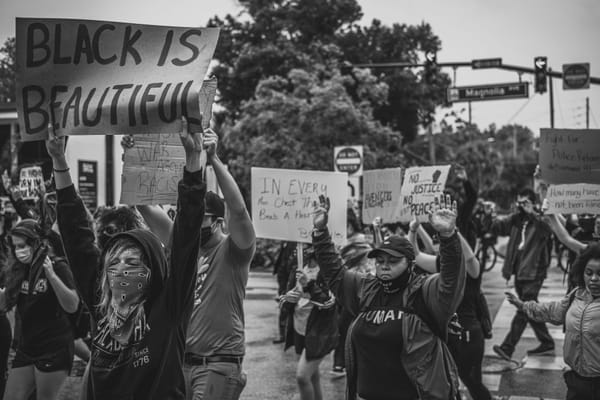
Social Justice
450 Years for a Fireworks Protest? What the Prairieland ICE Case Means for Your Right to Speak Out
Imagine planning a Fourth of July celebration to lift the spirits of people held in immigration detention. You bring fireworks, music, and a few legally carried firearms. After thirty minutes, you pack up and go home. Now imagine being told that those thirty minutes will cost yo…
Read More...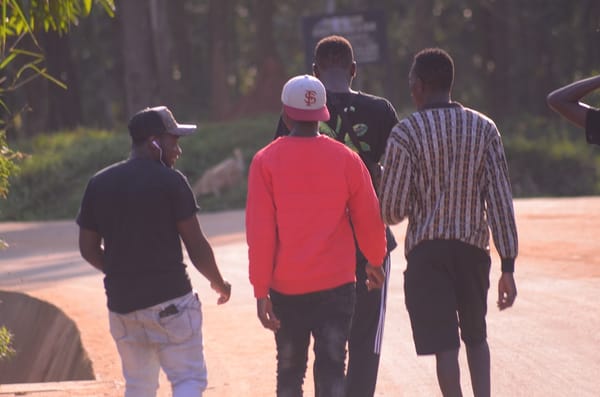
Social Justice
What Happens When a Country Silences Its Media? Uganda’s Crackdown on Journalists and Activists Explained
On a single day in late June, Uganda’s media landscape changed dramatically. Six major news outlets were shut down. Journalists were locked out of their offices. Equipment was seized. No court order was shown. No public explanation was given. The question on many minds is simple…
Read More...
Social Justice
What Happens When a NATO Host City Bans All Protests for 13 Days? Turkey’s Move Raises Questions
Imagine your city suddenly goes silent. Not the quiet of a holiday, but the kind of silence that comes when the right to gather, to speak, to hold a sign, is taken away. That is exactly what is happening in Ankara right now. As Turkey prepares to host the 36th NATO Summit, autho…
Read More...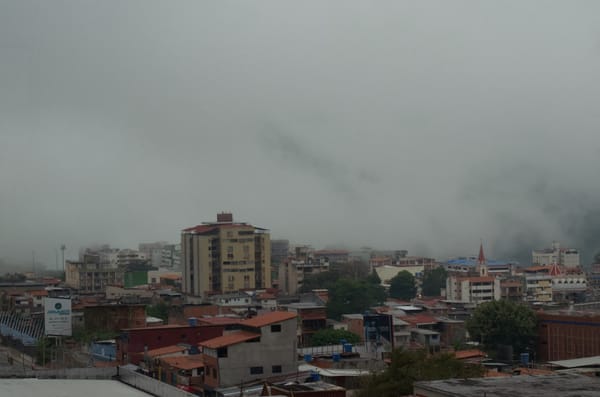
Social Justice
6.8 Magnitude Earthquake Hits Venezuela: What the Disaster Response Reveals About Human Rights
On the afternoon of June 24, 2026, the ground shook across Venezuela. A 6.8 magnitude earthquake struck multiple regions, from the northern coastal states to the central highlands. Within hours, neighborhoods in Maracaibo, Valencia, and Barquisimeto were reduced to rubble. Thous…
Read More...
Social Justice
40% of Executions Are for Drug Crimes: Why Global Drug Policy Needs a Human Rights Overhaul
Imagine a world where more than four out of every ten executions are for crimes that didn’t involve violence. That’s not a hypothetical scenario. It’s the reality we’re living in right now. According to independent monitors like Amnesty International and Harm Reduction Internati…
Read More...