
What Happens When a Country Silences Its Media? Uganda’s Crackdown on Journalists and Activists Explained
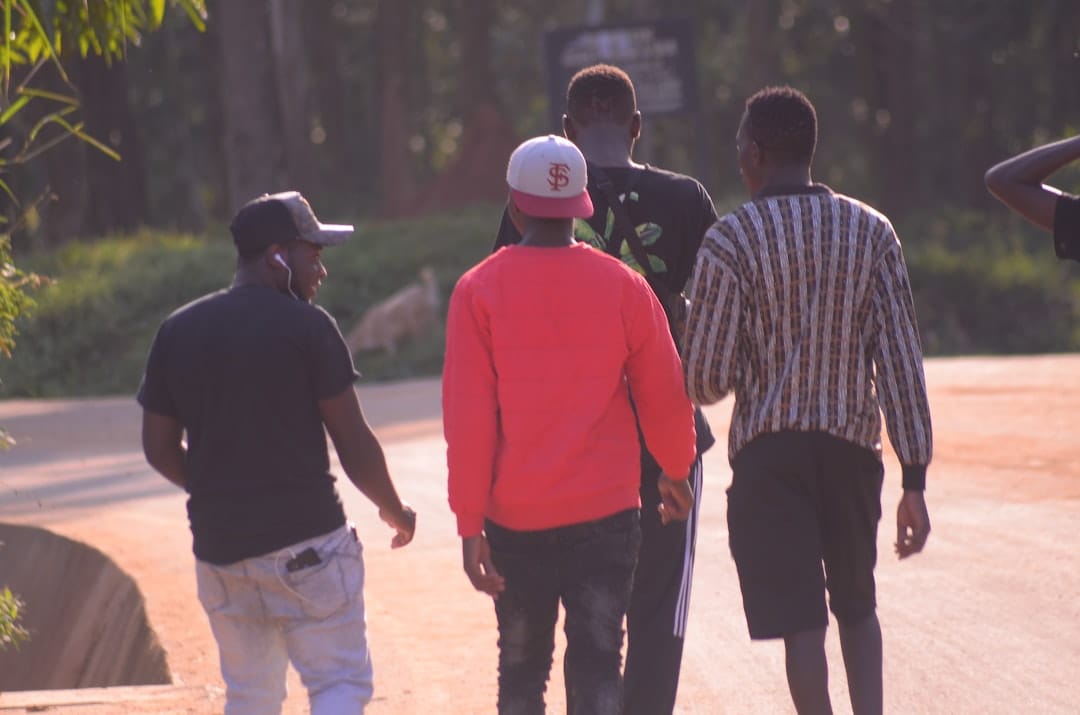
Kampala, Uganda, MMN Correspondent: On a single day in late June, Uganda’s media landscape changed dramatically. Six major news outlets were shut down. Journalists were locked out of their offices. Equipment was seized. No court order was shown. No public explanation was given. The question on many minds is simple: what comes next for a country that has just silenced its independent press?
The closures targeted well known names: Daily Monitor, NTV, Dembe FM, Spark TV, KFM, and The East African. These are not fringe publications. They are the backbone of independent reporting in Uganda. Their forced shutdown on June 28, 2026, sent a clear signal that dissent would no longer be tolerated. But this was not an isolated event. It was part of a broader pattern that has been building for years.
Consider the timeline. Just days before the media crackdown, security forces raided the home of Miria Matembe, a veteran women’s rights activist. She had publicly criticized the military’s human rights record. Her detention was later confirmed by General Muhoozi Kainerugaba, the country’s military chief and son of President Yoweri Museveni. Then, on June 25, agents stormed the offices of Akina Mama wa Africa, a feminist NGO. They arrested the executive director, Eunice Musiime, along with Sarah Bireete of the Center for Constitutional Governance. Both women were held without charge and released only after international pressure.
These events raise an important question: why now? Uganda has seen restrictions on media and civil society before. The Public Order Management Act and the Anti Homosexuality Act, both passed after 2016, have been used to limit assembly and expression. But the scale and coordination of this latest crackdown feel different. Over 200 journalists and activists have faced harassment, imprisonment, or exile since 2017. The number of registered newspapers has dropped from over 50 to fewer than 20. Many outlets have closed or resorted to self censorship.
The involvement of General Muhoozi Kainerugaba adds a new layer. As a senior military figure and the president’s son, he has taken on an increasingly public political role. His direct order to close media outlets and detain activists blurs the line between military and civilian authority. Analysts see this as a potential step toward a more formal military role in governance, especially as President Museveni, now in his fifth decade in power, shows no signs of stepping down.
International organizations have responded. Amnesty International’s Regional Director for East and Southern Africa, Tigere Chagutah, called for an end to the erosion of human rights. He urged authorities to stop baseless investigations, end the misuse of the criminal justice system, and free all arbitrarily detained individuals, including prominent figures like Kizza Besigye, Erias Lukwago, and Miria Matembe. The United Nations Human Rights Council has also called on Uganda to uphold its international obligations. Yet regional bodies like the African Union and the East African Community have remained largely silent.
For ordinary Ugandans, the impact is immediate. Independent journalism is essential for transparency, especially in a country where corruption is widespread and electoral integrity is often questioned. With media outlets silenced, citizens lose access to reliable information. The risk of misinformation grows. Trust in governance erodes further. Civil society organizations, which monitor abuses and advocate for marginalized communities, are being systematically dismantled.
But there is another side to this story. The resilience of Ugandan activists and journalists is notable. Despite the arrests and closures, many continue their work. Some operate from exile. Others use digital platforms to reach audiences. The release of Musiime and Bireete, though temporary, shows that domestic and international pressure can still yield results. Their cases also highlight a recurring tactic: using vague national security allegations to justify arbitrary detentions.
The path forward is not predetermined. Uganda stands at a crossroads. One direction leads to deeper repression and international isolation. The other leads toward a restoration of democratic values and the rule of law. The choice will depend on how domestic actors and the international community respond. Diplomatic pressure, targeted sanctions, and support for grassroots movements could help counteract the slide toward authoritarianism.
For now, the silence of the media and the fear in the streets are real. But history shows that even the most oppressive regimes cannot permanently silence truth. The struggle for freedom in Uganda continues, one journalist, one activist, one voice at a time. The world is watching, and the moment demands more than condemnation. It requires action.
Related in Social Justice
Social Justice
Africa’s Albinism Crisis: 2025 Court Ruling That Could Save 100,000 Lives
Imagine being hunted for your body parts. Not because of a crime you committed, but because of a condition you were born with. For tens of thousands of people across Africa, this is not a horror movie. It is daily life. But in February 2025, a single court decision changed every…
Read More...
Social Justice
What Happened After 28 Died in Sri Lanka’s Prison Riots? Two More Inmates Dead in Transfer – Demands for Answers Grow
Just days after a brutal two day clash inside Negombo Prison left at least 28 people dead and over 100 injured, two more inmates have died. Not from the violence inside the walls, but shortly after being moved to other facilities. The question now is: what really happened during…
Read More...
Social Justice
What 50 Years of Civil Rights Battles in North Carolina Can Teach Us About the Future of Voting Access
What does it take to keep fighting for justice when the rules keep changing? On July 21, 2026, two of North Carolina’s most influential civil rights figures will sit down together in Durham to answer that question. Leslie Winner and Angela Bryant have spent decades on the front…
Read More...
Social Justice
What North Carolina’s Civil Rights Icons Reveal About Voting Rights in 2026: A Fireside Chat You Can’t Miss
Imagine sitting just a few feet away from the people who literally rewrote the rules of American democracy. That’s the kind of evening the Southern Coalition for Social Justice is offering on July 21, 2026. They’re hosting a fireside conversation called *North Carolina Icons: Th…
Read More...
Social Justice
What Happens When a Peaceful Protest Against a Coal Mine Leads to a 2-Year Prison Sentence? The Esra Işık Case in Turkey
Imagine standing up for a forest you love, a place where your neighbors grow food and your children play. Now imagine that act of peaceful protest lands you in court, facing prison time. That is exactly what happened to Esra Işık, a Turkish environmental activist whose recent co…
Read More...
Social Justice
3 Sahel Nations Exit ICC: What This Means for Justice in West Africa
In a move that has captured global attention, Burkina Faso, Mali, and Niger have officially notified the United Nations of their decision to withdraw from the Rome Statute, the treaty that created the International Criminal Court (ICC). The UN Secretary General confirmed this de…
Read More...
Social Justice
450 Years for a Fireworks Protest? What the Prairieland ICE Case Means for Your Right to Speak Out
Imagine planning a Fourth of July celebration to lift the spirits of people held in immigration detention. You bring fireworks, music, and a few legally carried firearms. After thirty minutes, you pack up and go home. Now imagine being told that those thirty minutes will cost yo…
Read More...
Social Justice
What Happens When a NATO Host City Bans All Protests for 13 Days? Turkey’s Move Raises Questions
Imagine your city suddenly goes silent. Not the quiet of a holiday, but the kind of silence that comes when the right to gather, to speak, to hold a sign, is taken away. That is exactly what is happening in Ankara right now. As Turkey prepares to host the 36th NATO Summit, autho…
Read More...
Social Justice
6.8 Magnitude Earthquake Hits Venezuela: What the Disaster Response Reveals About Human Rights
On the afternoon of June 24, 2026, the ground shook across Venezuela. A 6.8 magnitude earthquake struck multiple regions, from the northern coastal states to the central highlands. Within hours, neighborhoods in Maracaibo, Valencia, and Barquisimeto were reduced to rubble. Thous…
Read More...
Social Justice
40% of Executions Are for Drug Crimes: Why Global Drug Policy Needs a Human Rights Overhaul
Imagine a world where more than four out of every ten executions are for crimes that didn’t involve violence. That’s not a hypothetical scenario. It’s the reality we’re living in right now. According to independent monitors like Amnesty International and Harm Reduction Internati…
Read More...